
Introduction
Tyre noise is more than just an annoyance—it plays a significant role in your driving experience, influencing comfort, fatigue, and even safety. Whether you’re a daily commuter, fleet manager, or enthusiast, understanding what causes tyre noise and how to minimize it can lead to a quieter, more enjoyable ride. Noise can also be a clue to underlying issues with tyres or your vehicle. This article explains the science behind tyre noise, its real-world effects, and practical tips for US drivers and fleet owners aiming for a quieter drive.
What Is Tyre Noise?
Tyre noise refers to the sounds generated by tyres as they roll over the road. While some level of noise is inevitable, excessive or unusual sounds can indicate problems or result in discomfort. The main types of tyre noise include:
- Pattern Noise: From the tread design interacting with the road surface.
- Air Pumping Noise: Caused by air being squeezed in and out of tread grooves.
- Structure-Borne Noise: Vibrations transmitted through the tyre and vehicle chassis.
- Road Noise: Influenced by road texture, aggregate, and surface condition.
Understanding these sources helps drivers and fleet managers identify the best strategies for reducing noise and improving ride quality.
Main Causes of Tyre Noise
Tread Pattern and Design
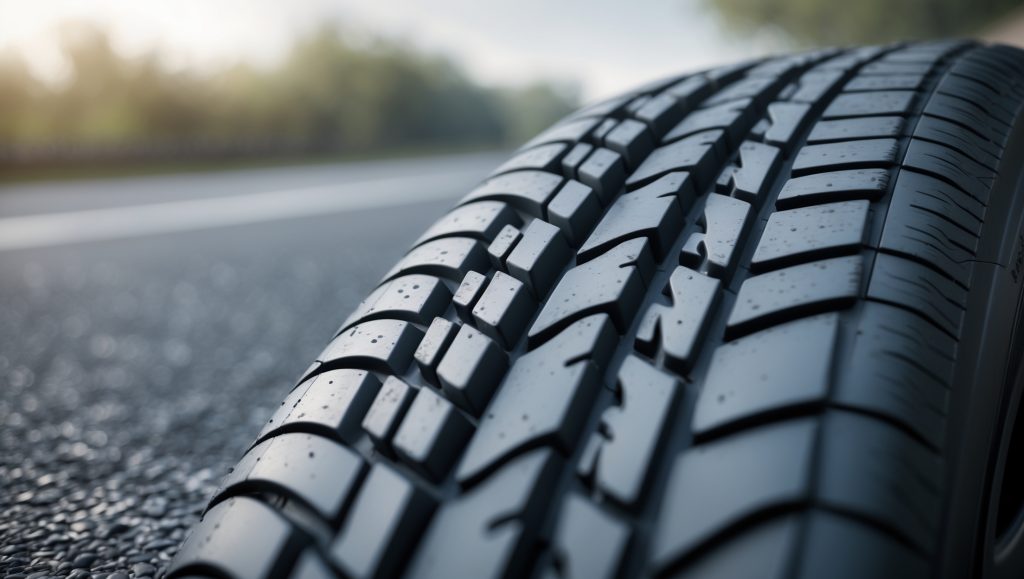
The design and arrangement of grooves, blocks, and sipes on a tyre affect how air and rubber interact with the road. Aggressive or blocky treads (often found on off-road or winter tyres) are typically noisier than smooth, continuous patterns used in touring or comfort-oriented tyres. Directional and asymmetrical patterns may offer a compromise between performance and noise.
Rubber Compound
Softer compounds can absorb some vibrations, reducing noise, but may wear faster. Stiffer compounds might last longer but can transmit more vibrations and noise into the cabin. Tyre engineers balance these factors depending on the tyre’s intended use.
Tyre Size and Profile
Low-profile tyres (with shorter sidewalls) often transmit more road noise, especially on rough surfaces, due to less sidewall flex. Wider tyres have more surface contact, potentially increasing noise compared to narrower options. Upsizing wheels for aesthetics can unintentionally raise cabin noise.
Road Surface and Conditions
Asphalt, concrete, and chip seal surfaces each generate different noise signatures. Worn or uneven roads can amplify tyre noise, sometimes masking issues with the tyres themselves. Wet roads may produce distinct hissing or slapping noises, while gravel or broken pavement can cause a drumming effect.
Tyre Pressure and Maintenance
Incorrect tyre pressure (over- or under-inflation) changes how the tyre contacts the road, often leading to increased noise and uneven wear. Regular inspections for tread and sidewall damage, as well as timely rotation and alignment, help keep noise levels in check.
How Tyre Noise Affects Comfort and Safety
Cabin Comfort
High noise levels can make long drives fatiguing, reduce conversation quality, and interfere with music or navigation prompts. For fleet operators, driver comfort can impact productivity and job satisfaction.
Perceived Vehicle Quality
Unwanted noise can make even premium vehicles feel less refined. Tyre manufacturers invest heavily in reducing noise to meet modern customer expectations, especially in luxury and electric vehicles, where powertrain noise is minimal and tyre/road sounds become more noticeable.
Driver Fatigue and Focus
Persistent droning or humming can lead to distraction or fatigue over long periods, affecting reaction times and overall safety. For commercial drivers, this is a key consideration in route planning and vehicle selection.
Early Warning for Problems
Changes in tyre noise can signal emerging issues such as uneven wear, cupping, alignment faults, or damaged wheel bearings. Recognizing abnormal sounds early allows for timely maintenance, potentially avoiding bigger repairs or safety incidents.
Choosing Quieter Tyres: Practical Advice
Reading Tyre Labels and Specifications
Though the US does not mandate a specific tyre noise label (unlike the EU), many manufacturers provide internal noise ratings or publish decibel levels in technical brochures. Look for terms like “quiet ride,” “low noise,” or “comfort technology.” Compare reviews and independent tests for real-world feedback.
Tread Pattern Selection by Use Case
- City and Highway Driving: Prioritize touring/all-season tyres with continuous ribs and optimized sipe layouts for minimal noise.
- Performance Vehicles: Expect a trade-off between grip and noise; some ultra-high performance tyres employ sound-absorbing foam or asymmetric patterns to reduce noise.
- Trucks and SUVs: All-terrain or mud-terrain tyres will inherently be noisier. If comfort is key, consider highway-terrain (HT) options.
- Electric Vehicles: Many EV-optimized tyres use special foam inserts and compounds to counteract the lack of engine masking noise.
Tyre Maintenance and Vehicle Setup
- Maintain correct tyre pressure as per the vehicle manufacturer’s recommendations.
- Rotate tyres regularly to ensure even wear and minimize pattern noise.
- Check wheel alignment and balance to prevent vibration-related noise.
- Replace worn or damaged tyres promptly to avoid additional road noise and safety risks.
Aftermarket Solutions
For drivers particularly sensitive to noise, consider additional sound-deadening materials in the cabin or wheel wells. However, tyre choice and maintenance remain the most effective ways to reduce noise at the source.
Common Mistakes
- Choosing aggressive tread patterns (e.g., off-road tyres) for primarily highway use, leading to unnecessary noise.
- Neglecting routine tyre maintenance (pressure checks, rotation, alignment) that contributes to increased noise over time.
- Assuming all tyres of the same size perform equally in terms of noise—compound and design matter.
- Ignoring changes in tyre noise, which can indicate underlying issues.
- Upsizing wheels/tyres without considering their noise impact.
- Failing to consult independent reviews or real-world tests before buying.
Quick Checklist
- Verify tyre pressure monthly and before long trips.
- Inspect tread for uneven wear or visible damage.
- Rotate tyres at intervals recommended by your vehicle or tyre manufacturer.
- Prioritize comfort/touring tyres for quiet highway driving.
- Test-drive or research cabin noise reports for tyres you’re considering.
- Address sudden increases in noise promptly—don’t ignore unusual sounds.
- Consult your installer for recommendations tailored to your vehicle and typical routes.
FAQ
- Why are my new tyres noisier than my old ones?
- Newer tyres may have a different tread pattern or compound, or they may require a short break-in period. If noise persists, it could be due to an unsuitable tread design for your driving conditions or improper installation.
- Can tyre noise indicate a safety problem?
- Yes, sudden or unusual noise can signal uneven wear, alignment issues, or even wheel bearing problems. Address any changes promptly to avoid further damage or safety risks.
- Are wider tyres always noisier?
- Wider tyres can increase noise due to more contact with the road, but tread design and compound also play critical roles. Some premium wide tyres are engineered to minimize noise.
- How does road surface affect tyre noise?
- Rough or textured surfaces amplify tyre noise, while smooth asphalt tends to be quieter. Changing routes or driving speeds may affect perceived noise levels.
- Do electric vehicles need special tyres for noise reduction?
- EVs are quieter mechanically, so tyre and road noise are more noticeable. Many EV tyres use foam inserts and special compounds to keep cabin noise low.
- Will rotating my tyres reduce noise?
- Regular rotation helps prevent uneven wear that often leads to increased noise. It’s an important part of reducing both noise and maximizing tyre life.
- Is tyre noise covered under warranty?
- Most tyre warranties cover manufacturing defects, not noise complaints unless linked to a defect. Check warranty terms for specifics.
- Can aftermarket soundproofing materials help?
- They can reduce cabin noise, but tyre selection and maintenance have the biggest impact. Use aftermarket solutions as a supplement.
Conclusion
Tyre noise affects every aspect of your driving experience, from comfort to safety and even vehicle value. By understanding what causes tyre noise and how to address it—through careful tyre selection, regular maintenance, and attention to your driving environment—US drivers and fleet owners can enjoy quieter, more comfortable journeys. The next time you shop for tyres, prioritize noise alongside other performance factors, and don’t hesitate to consult independent tests and expert advice for the best results.
Are there specific tread patterns or rubber compounds you’d recommend for families who drive mostly on rougher US roads to keep cabin noise down?
For families driving mainly on rough US roads, look for tyres with asymmetrical or variable pitch tread patterns—these are designed to reduce noise. Softer rubber compounds also help absorb vibrations and quiet the ride. Touring or comfort-oriented tyres often combine these features, making them a good choice for a quieter cabin experience.
Could you explain more about how different road surfaces in the US, like concrete versus asphalt, impact the amount of tyre noise drivers experience?
Concrete roads typically produce more tyre noise than asphalt because their harder, textured surface causes more vibration as tyres roll over them. Asphalt is generally smoother and absorbs some of the sound, resulting in a quieter ride. The difference can be quite noticeable, especially at higher speeds or with certain tyre types.
If I notice a sudden increase in tyre noise, should I be concerned about safety right away or can it wait until my next service appointment?
A sudden increase in tyre noise could indicate an issue such as uneven wear, a puncture, or alignment problems. It’s best to inspect your tyres as soon as possible or visit a professional, as driving with a potential tyre issue could compromise your safety.
How quickly can tyre noise get worse if my tyres are starting to show uneven wear, and is there anything I can do to slow it down?
Uneven tyre wear can cause tyre noise to worsen fairly quickly, sometimes within just a few weeks or months, depending on how severe the wear is and your driving habits. To slow down the increase in noise, consider rotating your tyres, checking wheel alignment, and keeping them properly inflated. Addressing the underlying cause of the uneven wear will help extend the life of your tyres and reduce noise.
If tyre noise suddenly gets louder, could that be a sign of a safety issue or just normal wear, and how soon should I get it checked out?
A sudden increase in tyre noise can be a sign of issues beyond normal wear, such as uneven tread wear, a puncture, or even a failing wheel bearing. It’s best not to ignore it—have your tyres and vehicle checked by a professional as soon as possible to ensure your safety.
If I start to notice a sudden increase in tyre noise on a familiar route, could that be a sign of tyre damage or is it more likely related to road surface changes?
A sudden increase in tyre noise can be caused by either tyre damage or changes in road surface. If the noise continues on different roads or is accompanied by vibration, uneven wear, or visible tyre issues, it’s wise to get your tyres checked for damage. If it only happens on specific stretches, the road surface is likely the main factor.
How much difference does tyre size actually make for cabin noise? I’m considering going with a lower profile tyre for looks but worried it might make my commute louder.
Tyre size, especially the profile height, can significantly impact cabin noise. Lower profile tyres tend to transmit more road noise and vibrations into the cabin compared to higher profile tyres. While they often look sportier, you may notice a louder ride, particularly on rough surfaces. If a quiet commute is important to you, it’s worth weighing this trade-off before switching to lower profile tyres.
Is upgrading to low-profile tyres likely to increase road noise enough that it outweighs the handling benefits for daily commuting?
Upgrading to low-profile tyres often leads to more road noise, as there’s less rubber and air to absorb sound. For daily commuting, this increase can be noticeable, especially on rough roads. While handling may improve, the extra noise might outweigh the benefits if comfort and quiet are priorities during your regular drives.
How does road noise from rough surfaces compare to noise caused by tyre tread pattern? Is it usually worth investing in higher-end tyres if most of your driving is on older or uneven roads?
Road noise from rough or uneven surfaces is often louder than noise caused by the tyre tread pattern, as the road texture plays a major role. However, higher-end tyres with better tread designs and advanced materials can still help reduce overall noise, even on older roads. If quietness and comfort matter to you, investing in quality tyres can be worthwhile.
Is there a noticeable difference in noise levels between regular tyres and winter tyres, and does using winter tyres in the off-season make road noise worse?
Yes, there is often a noticeable difference in noise levels. Winter tyres typically have a more aggressive tread pattern, which can produce more road noise than regular tyres, especially when used in warmer months. Using winter tyres in the off-season can make your drive noisier and may also lead to faster wear.
Are there affordable solutions for individual drivers to minimize tyre noise without having to switch to premium tyres or fully replace their set?
Absolutely, you can try a few budget-friendly options to reduce tyre noise. Keeping your tyres properly inflated helps, as does rotating them regularly to ensure even wear. You might also consider adding sound-deadening mats to your car’s interior, especially in the boot and under the floor mats. Ensuring your wheel alignment is correct can also help minimize noise.
I’m interested in minimizing tyre noise but I’m also budget-conscious. Are there affordable tyre options you’d recommend that balance low noise with decent durability for everyday driving?
For a quieter and budget-friendly option, consider looking at touring or all-season tyres from brands like Hankook, Kumho, or Falken. These typically offer lower noise levels and good durability without the premium price tag. When shopping, check for tyres with a lower decibel rating on their EU label, which indicates quieter performance.
As a first-time DIYer on a budget, are there any affordable steps I can take before investing in new tyres to help reduce the noise from my current set?
Absolutely, there are a few budget-friendly steps you can try. First, check your tyre pressure and make sure it’s set to the manufacturer’s recommended level, as under- or over-inflated tyres can cause extra noise. Also, remove any stones or debris stuck in the tread, and try rotating your tyres if you haven’t done so recently. Finally, ensure your wheel alignment and suspension are in good shape, as these can contribute to tyre noise.
How much of an impact does US road surface quality have compared to the tyre itself when it comes to noise? I’m curious if investing in quiet tyres makes a big difference if most of my local roads are pretty rough.
US road surface quality has a significant effect on tyre noise—rough or coarse roads can make even the quietest tyres sound loud. However, investing in quieter tyres can still reduce overall noise, but the improvement may be less noticeable on rough roads compared to smooth ones. If noise is a major concern, quieter tyres will help, but road quality remains a big factor.
You mention that aggressive tread patterns are usually noisier than smoother ones. For drivers who need all-season grip but want quieter rides, is there a specific tread pattern or type you recommend for US highways?
For quieter rides on US highways while still maintaining all-season grip, look for tires with a symmetrical or asymmetrical tread pattern. These patterns tend to produce less noise compared to aggressive, blocky designs. Touring or grand touring all-season tires are generally a good choice, as they’re designed for comfort and quietness without sacrificing all-season performance.
When swapping between winter and summer tyres, have you noticed a big change in noise, and is it mostly due to the tread design or rubber compound?
Yes, switching between winter and summer tyres usually leads to a noticeable change in noise level. This difference is mainly due to the tread design—winter tyres have deeper, more aggressive patterns that can create more noise. The rubber compound plays a role too, but tread pattern has a bigger impact on how loud the tyres sound on the road.
How quickly can changes in tyre compound or profile actually result in noticeable noise reduction, or is this something drivers would only observe gradually over time?
Changes in tyre compound or profile can lead to noticeable noise reduction almost immediately after the new tyres are fitted. Drivers typically observe the difference as soon as they start driving with the updated tyres, rather than needing to wait over time. However, optimal results may depend on proper installation and tyre maintenance.
We run delivery vehicles mostly on city roads. Would switching from blocky tread tyres to more touring-style tyres significantly lower noise inside the cab, or is the road surface the bigger factor?
Switching from blocky tread tyres to touring-style tyres should noticeably reduce noise inside your delivery vehicles, especially on smoother city roads. Touring tyres typically have a more streamlined tread pattern that produces less road noise. While road surface does play a role, tyre design is a controllable factor that often makes a significant difference in cabin noise levels.
For fleet owners on a tight budget, are there cost-effective ways to minimize tyre noise without replacing all the tyres at once?
Yes, there are budget-friendly ways to reduce tyre noise without replacing every tyre. Regularly checking and maintaining proper tyre pressure can help. Rotating tyres to even out wear, ensuring wheel alignment is correct, and adding sound-dampening mats inside vehicles are also effective options to minimize noise while keeping costs down.
You mentioned that softer compounds may help reduce noise but wear out quicker. Are there any tyre brands or models you’d recommend for US highways where you get a good balance of quietness and longevity?
For US highways, consider touring or grand touring tyres from brands like Michelin (Defender series), Continental (TrueContact Tour), or Bridgestone (Turanza QuietTrack). These are designed to provide a quieter ride and good tread life. It’s always best to match your tyre size and type to your vehicle’s requirements for optimal performance.
Is there a recommended rotation schedule or maintenance practice that can help minimize tyre noise over time, especially for those driving mostly on highways?
To help minimize tyre noise, it’s best to rotate your tyres every 8,000 to 10,000 kilometers, or as recommended by your vehicle manufacturer. Regularly checking tyre pressure, wheel alignment, and balancing also helps keep noise down, especially for highway driving where uneven wear can increase road noise over time.
Does tyre noise get noticeably worse over time as the rubber compound hardens, or is it mostly an issue with certain types of tyres from the start?
Tyre noise can increase over time as the rubber compound hardens and the tread wears down, making tyres less able to absorb road vibrations. However, some types of tyres, especially performance or budget models, may be noisier from the beginning due to their design and materials. Both factors—ageing and tyre type—play a role in how much noise you experience.
I noticed you mentioned both tread pattern and rubber compound affect noise levels. Are there certain types of tires that are specifically recommended for college students who do a lot of highway commuting?
For college students who do lots of highway commuting, look for touring or all-season tires. These typically have optimized tread patterns and softer rubber compounds to minimize road noise and provide a comfortable ride. Brands often promote these features in their product descriptions, so checking those details can help you choose a quieter option.
I didn’t realize that rubber compounds could impact tire noise so much. Is there a particular tire brand or compound type that works best for reducing noise without sacrificing too much durability?
Tires made with softer rubber compounds usually offer quieter rides, but they can wear out faster. Brands like Michelin, Continental, and Bridgestone often use advanced compounds and tread designs aimed at both comfort and durability. Look for tires marketed as ‘touring’ or ‘quiet ride’—these typically balance low noise with good longevity.
Does tyre noise ever indicate a safety issue, or is it mainly a comfort concern? How can a driver tell the difference between normal and problematic noises?
Tyre noise isn’t always just about comfort—it can sometimes signal safety issues like uneven wear, alignment problems, or a damaged tyre. If you notice sudden changes in noise, vibrations, or thumping sounds, it’s best to have your tyres checked. Persistent humming or whining is often normal, while sharp or rhythmic noises may need attention.
You explained how aggressive off-road and winter treads are typically noisier. Are there any all-season tyres in the US market that offer a good compromise between road grip and minimal noise for people who drive on mixed surfaces?
Yes, several all-season tyres in the US are designed for a balance of grip and low noise. Brands like Michelin (Defender series), Continental (PureContact), and Goodyear (Assurance WeatherReady) are known for quieter operation while maintaining good traction on both wet and dry roads. They work well on mixed surfaces but aren’t as specialized for heavy off-road use or deep snow.
Could tyre noise actually point to a safety issue, and if so, what specific noises should I tell my employees to listen for during their vehicle checks?
Yes, tyre noise can sometimes indicate safety issues. Ask your employees to listen for unusual sounds like persistent thumping, grinding, or loud humming, which may suggest problems like uneven wear, misalignment, or even a failing wheel bearing. Squealing during turns could point to under-inflation or worn treads. Promptly investigating these noises helps ensure vehicle safety.
I’m curious if certain tyre tread designs that reduce noise might also compromise performance in wet or snowy conditions—how do manufacturers balance these trade-offs?
Manufacturers face exactly this challenge. Tread patterns optimized for low noise often have fewer grooves or a more continuous design, which can reduce grip in wet or snowy conditions. To balance this, many tyres use special rubber compounds and carefully shaped tread blocks to minimize noise while still channeling water or snow. It’s all about finding the best compromise for the tyre’s intended use.
Do all-season tyres typically make less noise compared to off-road or winter tyres because of their tread design, or are there quieter options for family cars?
All-season tyres are generally quieter than off-road or winter tyres because their tread patterns are designed for reduced road noise and comfort on regular roads. For family cars, some tyres are specially marketed as ‘quiet’ or ‘comfort’ options, so looking for these variants can help achieve even lower noise levels.
How can I tell if unusual tyre noise means my tyres are wearing out or if it’s a problem with my car’s suspension? Sometimes it’s hard to tell what’s normal noise versus an issue that needs fixing.
Unusual tyre noise that gets louder, has a rhythmic pattern, or is accompanied by vibrations might suggest tyre wear, especially if you see uneven tread or bald spots. If the noise changes when driving over bumps or turning sharply, it could point to suspension issues. Checking your tyres for visible signs of damage and having a mechanic inspect both the tyres and suspension is the best way to pinpoint the cause.
For US drivers on a budget, are there any effective ways to reduce tyre noise without buying a completely new set of tyres?
You can help reduce tyre noise without buying new tyres by keeping your current tyres properly inflated and regularly rotated. Make sure your wheels are aligned, as misalignment can increase noise. Also, check for worn suspension parts and consider adding insulation or mats inside your car to dampen sound.
If I want to minimize tyre noise as much as possible for long highway trips, would changing the tyre profile or rubber compound offer the most noticeable improvement?
Changing the rubber compound is likely to make the most noticeable difference in reducing tyre noise. Softer compounds usually absorb vibrations better, leading to quieter rides. However, a lower tyre profile can also help, but it may compromise comfort. For long highway trips, choosing tyres specifically designed for low noise with an appropriate compound is your best bet.
You mentioned that aggressive tread patterns can be noisier. For families doing mostly city and highway driving, what specific tread design should we look for to keep things quiet in the cabin?
For quieter rides, look for tyres with a symmetrical or asymmetrical tread design and closely packed tread blocks. Touring or comfort tyres are specifically engineered to reduce noise, making them ideal for families driving mostly in the city or on highways.
For seasonal businesses that switch between snow and all-season tyres, is it normal to notice a big jump in noise, or does that signal a possible installation problem?
It’s completely normal to notice more noise when switching to snow tyres, as their tread patterns are generally more aggressive to handle winter conditions. A significant increase in noise is expected, not usually a sign of installation issues, unless you also experience vibration or handling problems.
If a vehicle in our fleet suddenly gets much louder but the tyres still look okay, what troubleshooting steps would you suggest before replacing the tyres? Could the noise be from something other than the tyres themselves?
Absolutely, tyre noise can come from issues beyond just the tyres themselves. Check for stones or debris lodged in the treads, inspect wheel bearings for wear, make sure all wheel nuts are tight, and listen for unusual sounds from the suspension or brakes. If everything looks fine visually, a mechanic can help pinpoint if the noise is from another component.
Could you elaborate on which tyre tread patterns strike the best compromise between low noise and reliable performance for small business delivery vehicles?
For small business delivery vehicles, tread patterns with a symmetrical or asymmetrical design generally offer a good balance between low noise and reliable grip. These patterns help reduce road noise while still providing stable handling and traction, especially in varied conditions. Avoid aggressive, heavily block-patterned treads, as they tend to generate more noise. Rotating your tyres regularly also helps maintain consistent performance and noise levels.
How does tyre noise typically change as tyres age or wear, and should I expect increased road noise toward the end of a tyre’s life cycle?
As tyres age and the tread wears down, tyre noise usually increases. This happens because worn treads can’t absorb sound as well, and uneven wear can create additional vibrations. So yes, it’s normal to notice more road noise as your tyres reach the end of their life cycle.
Could you explain how tyre noise might be different for a delivery fleet that runs mostly on rough city roads compared to smoother highways?
Tyre noise tends to be louder and more irregular on rough city roads because the uneven surface causes more vibrations and impacts. For delivery fleets, this means drivers may notice more noise compared to smoother highways, where the consistent surface allows tyres to roll more quietly and steadily, resulting in less overall noise.
Is there a noticeable trade-off between choosing a quieter tyre and getting longer tread life, especially in regions with rougher road conditions?
Yes, there can be a trade-off. Quieter tyres often use softer rubber compounds and special tread patterns, which may wear out faster on rough roads compared to harder, more durable tyres. If you drive mostly on rough surfaces, choosing tyres specifically designed for durability might mean accepting a bit more road noise.
If I start hearing more road noise than usual, is there a recommended sequence of checks to figure out if it’s from the tyres or something else in the vehicle?
If you notice increased road noise, first inspect your tyres for uneven wear, low pressure, or damage. Next, check if anything is stuck in the tread. If tyres look normal, listen for noise changes at different speeds—tyre noise often varies with speed. If the noise persists, have wheel bearings and suspension inspected, as these can also cause extra noise.
How much difference in overall noise should I expect between budget and premium tyre brands when choosing for my company’s vehicles?
You can typically expect premium tyre brands to produce noticeably less road noise compared to budget options. Premium tyres often use advanced tread designs and better materials that help minimize noise, offering a quieter ride. The difference can be especially clear at higher speeds or on rough surfaces, making premium tyres a good choice for comfort and a professional impression with company vehicles.
You mentioned softer rubber compounds reduce noise but might wear faster. For a business fleet, is it better to prioritize quieter tyres or longer-lasting ones? How do you weigh that trade-off?
For business fleets, longer-lasting tyres often make more sense financially since they reduce replacement costs and downtime. While quieter tyres improve comfort, durability and total cost of ownership usually matter more for fleets. You might consider tyres that balance moderate noise reduction with good wear ratings to optimize both comfort and lifespan.
You mentioned aggressive tread patterns tend to be noisier. For US drivers who want to balance some off-road capability with a quieter highway ride, are there specific tread designs or brands you recommend?
For US drivers seeking both off-road capability and a quieter highway experience, look for all-terrain tyres with less aggressive, more closely spaced tread blocks. Brands like Michelin, Continental, and Pirelli offer all-terrain tyres known for low road noise. The Michelin LTX A/T2, for example, is often praised for its balance of quietness and light off-road performance.
Does road noise increase suddenly as tyres age, or is it more of a gradual thing? Wondering when I should start listening for changes as my tyres get older.
Tyre noise usually increases gradually as tyres wear down, rather than changing suddenly. Over time, tread wear, hardening of the rubber, and minor damage can all make tyres noisier. It’s a good idea to start paying attention to changes in noise as your tyres reach the halfway point of their expected lifespan, and check them regularly for signs of wear or damage.
You mentioned that aggressive or blocky tread patterns are noisier than smoother designs. For someone who drives mostly on highways but sometimes encounters snowy conditions, what type of tread pattern strikes the best balance between grip and low noise?
For mostly highway driving with occasional snow, consider an all-season tyre with a moderate tread pattern. These tyres often feature a mix of smaller grooves and sipes that provide reasonable snow traction but maintain a quieter ride on pavement compared to aggressive or blocky treads used on off-road or dedicated winter tyres.
Is it possible to minimize tyre noise on rougher US road surfaces without investing in premium tyres for the entire fleet? Any cost-effective strategies would help.
You can minimize tyre noise on rough roads by regularly maintaining proper tyre pressure, rotating tyres, and ensuring your wheel alignment is correct. Adding soundproofing materials to wheel wells and improving cabin insulation are also cost-effective ways to reduce noise without upgrading to premium tyres across your fleet.
Could you explain which specific tread patterns would be best for balancing road noise reduction and durability for delivery vans in urban areas?
For delivery vans in urban areas, look for tyres with a closed shoulder tread pattern and smaller tread blocks, as these designs help minimize road noise. At the same time, choose tyres made from durable rubber compounds to resist wear from frequent stops and starts. Many commercial van tyres are specifically optimized for both quietness and longevity, so checking manufacturer recommendations for urban use is a good idea.
If I start hearing new or unusual tyre noises on my vans, what steps should I take to identify whether it’s due to worn tyres or an issue with the road surface?
If you hear new or unusual tyre noises, first inspect your tyres for visible signs of wear, uneven tread, or damage. Next, drive the van on a different, smoother road to see if the noise changes. If the sound persists regardless of the surface, it’s more likely related to tyre condition or alignment. If unsure, have a professional check both tyres and suspension.
Is there a particular tyre size or profile that tends to be quietest for daily commuters, or does it depend more on the vehicle type?
Quieter tyres for daily commuting usually have a higher profile (taller sidewall) and narrower width, as these absorb more road noise. However, the quietest option also depends on your specific vehicle type and its suspension design. Always check your car’s recommended tyre sizes and look for tyres marketed as low-noise or comfort-oriented to get the best results.
Do softer rubber compounds that absorb more vibration significantly reduce noise for city driving, or is the difference too small to notice for most people?
Softer rubber compounds do help reduce tyre noise, especially at lower city speeds, by absorbing more vibration. However, the difference may not be dramatic for most drivers. If you’re sensitive to noise, you might notice it more, but for many people, the improvement is subtle in typical city driving conditions.
Could changes in tyre noise over time signal wear issues or developing problems with the suspension? I’m trying to figure out when I should be concerned by new sounds from my tires.
Yes, a change in tyre noise over time can indicate tyre wear, uneven tread, or even suspension issues. If you notice new or unusual sounds, such as humming, thumping, or squealing, it’s wise to check your tyres for visible wear and have your suspension inspected by a professional. Early attention can prevent more serious problems.
If I’m hearing more noise after switching to low-profile tyres, is that normal, or could it point to an installation or balancing issue?
Hearing more noise after switching to low-profile tyres is quite normal. These tyres have less sidewall, which means they absorb less road noise and vibration. However, if the noise is unusually loud or accompanied by vibrations, it could indicate an installation or balancing issue worth checking with your installer.
Does tyre noise always mean there’s a problem that needs fixing, or can it just be a normal part of certain tyre designs and road surfaces?
Tyre noise isn’t always a sign of a problem. Some tyre designs naturally produce more sound, and certain road surfaces can also make tyres noisier. However, if you notice a sudden increase in noise or unusual sounds, it’s a good idea to check for issues like uneven wear or alignment problems.
How much of a difference in noise can I realistically expect if I change from low-profile tyres to touring tyres for daily commuting?
Switching from low-profile tyres to touring tyres typically results in noticeably less road noise, especially at highway speeds. Touring tyres are designed for comfort and often use softer rubber and special tread patterns to absorb more sound. You can expect a quieter, smoother ride for daily commuting, with most people noticing a moderate to significant reduction in noise inside the cabin.
Is there a certain tyre compound or brand typically known for being quieter, especially for someone on a budget looking for practical options?
Quieter tyres usually have a softer rubber compound and tread patterns designed to reduce noise. Brands like Michelin, Continental, and Bridgestone often focus on low-noise tyres, but budget-friendly options from Kumho, Hankook, and Nexen are also worth considering. Look for tyres labeled as ‘touring’ or ‘comfort’, and check for EU or manufacturer noise ratings before buying.
Could you clarify how much of tyre noise is typically due to the tread pattern versus road surface conditions? I’m trying to figure out which factor matters most when selecting new tyres for my commute.
Both tread pattern and road surface conditions significantly affect tyre noise, but the road surface usually has a slightly greater impact during daily driving. However, if you often drive on rough roads, consider tyres with a quieter tread pattern. For smoother roads, focus more on tyre design. Balancing both factors when choosing tyres will give you the quietest ride.
The article talks about tyre noise indicating possible underlying issues. Could ignoring excessive tyre noise lead to safety problems down the line, or is it mostly just a comfort issue?
Ignoring excessive tyre noise can be more than just a comfort issue. It may signal problems like uneven wear, misalignment, or damaged components, which could affect your vehicle’s handling and safety over time. Addressing the cause of unusual tyre noise early can help prevent bigger issues and keep your drive safer.
How quickly does tyre noise change as the rubber compound wears out, and are there warning signs that the noise means it’s time to replace the tyres?
Tyre noise can gradually increase as the rubber compound wears down, often becoming noticeable over several months or thousands of miles. Listen for persistent humming, whining, or thumping sounds that are louder than usual. If you also see uneven tread wear or feel vibrations through the steering wheel, these are strong indicators it may be time to replace your tyres.
Is there a particular tyre size or profile that tends to be quieter on highways here in the US, or does vehicle weight and suspension play a bigger role?
Tyre noise on highways is influenced by multiple factors. Generally, tyres with a narrower width and a higher profile (taller sidewall) tend to run quieter. However, vehicle weight and suspension design can also make a big difference in noise levels. For the quietest ride, it’s best to balance tyre selection with your vehicle’s specific characteristics.
Does rotating my tyres regularly actually help reduce the pattern noise you mentioned, or is that mainly for even wear?
Rotating your tyres mainly helps to ensure even wear, which can indirectly reduce pattern noise over time. Unevenly worn tyres are more likely to develop irregular tread patterns that cause extra noise. While rotation won’t eliminate all pattern noise, it helps keep the tread wear balanced, reducing the chances of extra noise developing.
Can tyre noise be an early warning sign of potential tyre or vehicle problems, and if so, what specific noises should I watch out for?
Yes, tyre noise can sometimes signal underlying issues with your tyres or vehicle. Listen for unusual sounds like persistent thumping, whining, or humming, which may indicate uneven wear, misalignment, or damaged tyres. Squealing noises during turns can suggest low tread or incorrect inflation. If you notice changes in tyre noise, it’s a good idea to have your tyres and suspension checked.
You touched on tyre size affecting road noise. If I’m planning to switch to a lower-profile tyre for handling, should I expect a big jump in cabin noise, and are there any ways to offset that?
Switching to lower-profile tyres often does make road noise more noticeable inside the cabin, since there’s less rubber cushioning between the wheel and the road. You can help offset this by choosing tyres designed for low noise, ensuring your car’s sound insulation is in good shape, and keeping your tyres properly inflated.
For those managing a fleet, are there specific rubber compounds or tread designs that strike the best balance between durability and lower noise levels?
For fleet vehicles, tread patterns with continuous ribs or asymmetric designs often help reduce noise while maintaining durability. Rubber compounds with higher silica content typically offer a good balance, as they resist wear and dampen noise. It’s best to select tyres labeled for comfort or low noise, ensuring they also have high mileage ratings for fleet use.
Is tyre noise something that builds up over time, or can it change quickly with things like weather or after hitting potholes? Just curious if I should check more often during certain seasons.
Tyre noise can change both gradually and suddenly. Over time, normal wear can increase noise, but quick changes can happen after hitting potholes or with temperature shifts—cold or wet weather can make tyres noisier. It’s a good idea to check your tyres more often during seasonal changes or after impacts.
How quickly can tyre noise develop if the rubber compound used isn’t ideal for your driving style or conditions? Is this something you’d notice right away or over several months?
Tyre noise caused by an unsuitable rubber compound can sometimes become noticeable pretty quickly—often within a few weeks of regular driving. In other cases, it may take a few months as the tyres wear in. It depends on factors like your driving habits and local road conditions, but it’s not always an immediate change.
Does driving mostly on rough or aggregate road surfaces in the US make it worth switching to a different tread pattern, or do other factors matter more for reducing cabin noise?
Driving frequently on rough or aggregate surfaces can increase tyre noise, and choosing a tread pattern designed for quieter performance may help. However, other factors like tyre material, vehicle insulation, and tyre pressure also play significant roles. It’s best to consider a combination of a quieter tread pattern and good vehicle maintenance for the lowest cabin noise.
We drive a lot on rough roads around our neighborhood. Would switching to softer rubber tyres really make enough of a difference in cabin noise to be worth the possible faster wear?
Softer rubber tyres can reduce cabin noise because they better absorb vibrations from rough roads, leading to a quieter ride. However, they do tend to wear out faster compared to harder compounds. If reducing noise is a top priority and you’re willing to accept more frequent tyre replacements, the switch could be worthwhile for your comfort.
If I wanted to prioritize a quieter ride without totally sacrificing tyre lifespan, what should I be looking for when shopping for new tyres?
Look for tyres specifically marketed as low-noise or comfort tyres, which often have optimized tread patterns and softer rubber compounds. Check the tyre label for noise ratings (usually shown in decibels or with a wave symbol). Also, consider all-season tyres, as they often balance quietness with longevity better than performance tyres.
If my tyres have started making a new humming sound, should I be worried about safety, or is it usually just a comfort issue?
A new humming sound from your tyres can sometimes be a sign of uneven wear, misalignment, or a developing issue like a wheel bearing problem. While it could just impact comfort, it’s best to have it checked soon to rule out any safety risks and prevent further damage.
How quickly should tyre noise changes be addressed? For example, if my tyres suddenly start getting louder, does that mean I need to book a service right away, or can it wait a while?
If your tyres suddenly get noticeably louder, it’s a good idea to have them checked as soon as possible. Sudden tyre noise can signal issues like uneven wear, damage, or underinflation that may affect your safety. It’s better not to delay booking a service, as prompt attention can help prevent further problems.
When balancing comfort and longevity, is there a particular rubber compound you recommend for US drivers who mostly stick to highways?
For US highway driving, a silica-enhanced rubber compound is a strong choice. These compounds offer a good balance between comfort, tread life, and low rolling resistance, making them quieter and longer-lasting for extended highway use. Many all-season touring tires from major brands feature this type of compound for optimal performance.
If tyre noise is starting to make my daily commute uncomfortable, what are some immediate steps I can take without replacing all my tyres?
You can start by checking your tyre pressure and making sure it matches the manufacturer’s recommendation, as incorrect pressure can increase noise. Also, remove any stones or debris stuck in the treads. Rotating your tyres might help if the wear is uneven. Driving at moderate speeds and avoiding rough roads when possible can also reduce noise.
Does the type of road surface, like asphalt versus concrete, make a big difference in tyre noise, or is the tread pattern more important for reducing the sound I hear in the cabin?
Both road surface and tyre tread pattern play a role in the noise you hear. Rougher surfaces like some types of concrete tend to amplify tyre noise more than smooth asphalt. However, a well-designed tread pattern can help reduce this noise regardless of the surface, so both are important factors.
The section on structure-borne noise caught my attention. Is this something that can be fixed with tyre changes alone, or should we also look at our vehicles’ chassis maintenance?
Changing your tyres can help reduce some structure-borne noise, especially if the current tyres are worn or poorly suited to your vehicle. However, since this type of noise also travels through the suspension and chassis, it’s wise to check and maintain those systems too for the best overall improvement.
Does tyre noise affect fuel efficiency for small business vehicles, or is it mostly just about comfort and driver fatigue?
Tyre noise can have a small effect on fuel efficiency, especially if the noise comes from tyres with higher rolling resistance. For most small business vehicles, the impact is usually minor compared to factors like tyre pressure and load. Tyre noise is more commonly associated with comfort and driver fatigue.
For fleet vehicles that often switch between different road surfaces, are there tyre designs that balance both durability and quieter performance?
Yes, for fleet vehicles operating on varied road surfaces, all-season or touring tyres are often a good choice. These tyres are designed to offer a balance between durability and reduced noise. Look for tyres with optimized tread patterns and rubber compounds that absorb sound while still providing long-lasting performance. Rotating tyres regularly can also help maintain quiet and even wear.
If I switched my delivery vehicles to softer rubber compounds to reduce noise, would I end up spending more in the long run due to faster wear?
Yes, switching to tyres with softer rubber compounds can reduce noise, but those tyres typically wear out faster than harder ones. This means you’ll likely need to replace them more often, which could increase your overall costs over time. It’s important to balance your need for quieter rides with your budget for tyre replacements.
I see that softer rubber compounds can reduce noise but might wear faster. Are there affordable tyre options that strike a good balance between keeping noise down and lasting long enough for a small business budget?
Yes, some tyre brands offer budget-friendly models made with advanced rubber blends aimed at both noise reduction and durability. Look for tyres labeled as touring or comfort, as they usually balance quietness and lifespan well. Checking independent tyre reviews and ratings can also help you find options that fit your budget and needs.
Can tyre noise actually indicate a safety problem, or is it usually just about comfort? For example, should I be worried if my car suddenly gets louder even though the road and tyres look fine?
Tyre noise can sometimes signal a safety issue, not just comfort concerns. If your car suddenly becomes louder without obvious reasons, it could indicate problems like uneven tyre wear, a loose wheel bearing, or underinflation. Even if tyres look fine, it’s wise to have them and the suspension checked to rule out hidden safety risks.
How much impact does the rubber compound actually have on cabin noise, and is it worth paying more for a softer compound if I do a lot of city driving?
The rubber compound does play a role in tyre noise—softer compounds usually absorb more road vibration, leading to a quieter ride. For mostly city driving, where speeds are lower, a softer compound can offer a noticeable reduction in cabin noise and better comfort, so paying a little extra may be worth it.
If I start hearing a new, louder noise from my tyres but the tread still looks okay, should I get them checked right away or could it just be the road conditions changing?
Even if your tread looks fine, a new, louder tyre noise can point to issues like uneven wear, underinflation, or alignment problems—not just changing road surfaces. It’s wise to have your tyres inspected soon to rule out any safety concerns and prevent further damage.
Do certain tyre designs work better for reducing noise on rougher US roads, or should I be looking at other factors like tire size or vehicle type for a quieter ride?
Tyre tread design plays a big role in noise levels, especially on rough roads. Look for tyres labeled as ‘quiet’ or with asymmetric tread patterns for better noise reduction. However, tyre size and vehicle type also matter—wider tyres or certain vehicles may generate more noise. For the quietest ride, consider both tyre design and what works best for your specific vehicle.
You mentioned that tyre noise can be a sign of underlying vehicle issues. What specific problems should drivers look for if they notice a sudden increase in road noise?
If you notice a sudden increase in tyre noise, check for issues like uneven tyre wear, improper wheel alignment, damaged wheel bearings, or suspension problems. Also, inspect for objects lodged in the tyre tread or bulges on the tyre surface, as these can contribute to increased noise and may indicate a need for repairs.
When it comes to balancing comfort and tyre longevity, would you recommend softer or stiffer rubber compounds for someone who does a lot of highway commuting?
For frequent highway commuting, a slightly harder (stiffer) rubber compound is generally better. It tends to last longer and resists wear at high speeds, though it might feel a bit firmer. Softer compounds offer more comfort and grip but wear out faster, making them less ideal for long-distance highway driving if tyre longevity is your priority.
Could tyre noise actually get worse as the tyres wear down, or does it usually stay about the same until it’s time to replace them? I’m trying to plan my budget for new tyres if needed.
Tyre noise often increases as tyres wear down. Worn tread patterns can make tyres noisier, especially on rough roads or at higher speeds. If you notice a significant increase in noise, it might be a sign to budget for replacements soon, as it can also affect driving comfort and safety.
How significant is the difference in noise between softer and stiffer rubber compounds, and does choosing one over the other impact tire replacement costs in the long run?
Softer rubber compounds generally produce less noise because they absorb more vibrations, while stiffer compounds can be noisier but offer longer tread life. Choosing softer tires may give you a quieter ride, but they usually wear out faster, potentially increasing your replacement costs over time compared to stiffer, longer-lasting tires.
When tyre noise suddenly gets louder, how can I tell if it’s just normal tread wear or a sign of an underlying vehicle issue mentioned in the article?
If tyre noise increases suddenly, check for unusual vibrations, uneven tyre wear, or if the sound changes with speed. These could point to alignment issues, suspension problems, or damaged wheel bearings, as discussed in the article. If the tread looks even and no other symptoms appear, it’s likely normal wear, but if you notice other signs, have your vehicle inspected.
If I want a quieter ride but I’m on a tight budget, is it more effective to focus on getting tyres with a certain type of rubber compound or should I pay more attention to the tread design?
If you’re looking for a quieter ride on a budget, paying attention to the tread design is generally more effective than focusing on rubber compounds. Tyres with streamlined, less aggressive tread patterns usually produce less noise. While rubber compounds can make a difference, tread design impacts noise levels more noticeably for everyday drivers.
Are there any affordable tyre options that balance a soft compound for noise reduction and durability, especially for students or budget-conscious drivers?
Yes, there are budget-friendly tyres that offer a good balance of a softer compound for reduced noise and acceptable durability. Look for tyres labeled as ‘touring’ or ‘comfort’ models from reputable brands, as these are often designed with noise and longevity in mind. Brands like Hankook, Kumho, and Nexen typically offer affordable options suitable for students or those on a budget.
You mention that aggressive tread patterns can be noisier. Are there any specific tyre models for US highways that balance off-road capability with quieter performance?
Yes, some all-terrain tyres are designed to offer off-road capability while remaining quieter on highways. Models like the Michelin LTX A/T2, Continental TerrainContact A/T, and the Falken Wildpeak A/T3W are popular in the US for striking this balance. They feature advanced tread designs to reduce noise without sacrificing traction for occasional off-road use.
If I’m mostly driving on rougher city roads, would choosing a touring tyre actually make that much of a difference in noise compared to a winter tyre?
Yes, choosing a touring tyre can noticeably reduce road noise compared to a winter tyre, especially on rough city roads. Touring tyres are designed with quieter tread patterns and softer rubber, which helps absorb vibrations and minimize noise. Winter tyres often have more aggressive tread patterns for better grip, which can be noisier. If noise comfort matters to you, touring tyres are usually the better choice for city driving.
You mention that aggressive tread patterns are noisier. If I mostly drive on highways, should I avoid all-terrain tires altogether for a quieter ride?
If most of your driving is on highways and you value a quieter ride, it’s usually best to choose highway or touring tires instead of all-terrain ones. All-terrain tires have more aggressive tread patterns that can create more noise on smooth surfaces. Highway tires are specifically designed for comfort and low noise at higher speeds.
You mentioned that unusual tyre noise can point to underlying issues. What are some of the first things I should check if I suddenly hear more noise coming from my company vehicle’s tyres?
If you notice increased tyre noise, start by checking the tyre pressure, as under- or over-inflation can cause extra noise. Next, inspect the tyres for uneven wear, damage, or stones stuck in the tread. It’s also a good idea to check for loose wheel nuts and ensure your tyres are properly balanced and aligned.
How quickly does tyre noise typically increase as tyres start to wear out? Should I plan to replace tyres proactively for a quieter ride, or only if the noise becomes excessive?
Tyre noise usually increases gradually as the tread wears down, but the change may be subtle at first. As tyres age and lose tread depth, the noise can become more noticeable, especially if wear is uneven. For comfort, many drivers choose to replace tyres before they become very noisy, though it’s not strictly necessary unless you notice excessive sound or reduced safety performance.
For fleet managers watching their budgets, are there affordable tyre brands that still offer good noise reduction, or does price always reflect performance in this area?
Price doesn’t always guarantee the quietest tyres. Some affordable brands, like Hankook and Kumho, offer tyres with good noise reduction technology. Look for tyres labeled with lower decibel (dB) ratings or specifically marketed for quiet performance. Reading user reviews and checking independent test results can also help you find cost-effective options that balance price and noise control for your fleet.
If the tyre noise gets noticeably louder over time, does that always mean there’s a problem with my tyres, or could it be something else with my car?
A noticeable increase in tyre noise doesn’t always mean your tyres are at fault. While worn or damaged tyres can get louder, issues like wheel alignment, suspension problems, or worn wheel bearings can also cause extra noise. It’s a good idea to have a mechanic check your tyres and other parts of your car to find the exact cause.
For fleet managers trying to balance longevity and quietness, how should we prioritize between softer and stiffer rubber compounds when selecting tyres?
Softer rubber compounds generally offer quieter rides but tend to wear out faster, while stiffer compounds are more durable but can produce more noise. For fleets, it’s best to find a balanced compound labeled for both low noise and extended tread life, ensuring neither longevity nor quietness is overly sacrificed.
If I start hearing increased noise, how can I tell whether it’s due to natural wear or an underlying mechanical issue with my vehicle?
If you notice increased tyre noise, start by inspecting your tyres for uneven wear, bulges, or embedded debris. Even tread wear usually points to natural ageing, while patchy or rapid wear could signal alignment, suspension, or bearing issues. If in doubt, have a mechanic check both your tyres and key components to rule out mechanical problems.
If my tyres are relatively new but still seem loud, could it be related more to tyre profile or size, or should I be looking at alignment or suspension issues as well?
If your tyres are new but still noisy, the profile and size can definitely influence road noise—wider or lower-profile tyres tend to be louder. However, alignment or suspension problems can also cause abnormal noise, so it’s a good idea to have those checked along with considering the tyre characteristics.
You mentioned softer rubber compounds can help with noise but wear faster. Are there affordable tires that strike a good balance between quiet performance and decent lifespan for everyday city driving?
Yes, there are several tire models designed for everyday city driving that offer a good compromise between low noise levels and reasonable tread life. Look for touring or all-season tires from reputable brands, as these often feature tread patterns and rubber compounds optimized for both comfort and durability without a premium price tag. Checking user reviews can also help you find budget-friendly options that perform well in both areas.
How quickly can changing to a smoother tread pattern impact the noise level? I’m wondering if this is an immediate fix or if it takes time for the car to feel quieter.
Switching to tyres with a smoother tread pattern can reduce noise almost immediately after installation. You should notice the difference as soon as you start driving on the new tyres, since the tread design plays a major role in how much road noise is produced. There’s no waiting period—quieter performance is immediate.
For fleet owners trying to balance tyre longevity and low noise, which factor should be prioritized—rubber compound softness or tread design?
For fleet owners, prioritizing tread design is usually more effective for reducing tyre noise, while still allowing for reasonable tyre longevity. Softer rubber compounds can offer quieter rides but may wear out faster, increasing costs. A well-designed tread can manage noise levels without significantly compromising durability, which is key for fleets.
Is it possible for tyre noise to be an early indicator of alignment or suspension problems, or is it usually just a sign the tires themselves need attention?
Tyre noise can be an early sign of alignment or suspension issues, not just tyre problems. Uneven wear patterns or unusual sounds sometimes point to misalignment or worn suspension components. It’s a good idea to have both the tyres and the vehicle’s alignment and suspension checked if you notice persistent or new tyre noise.
You mention tread patterns impacting noise levels. For a business that uses both winter and all-season tyres, is it worth switching back and forth for quieter rides, or does that not make a noticeable difference overall?
Switching between winter and all-season tyres can make a difference in noise levels. All-season tyres typically produce less noise on dry and wet roads than winter tyres, which have blockier tread for better grip in snow but are louder. If quieter rides are a top priority outside winter months, using all-season tyres is worthwhile.
For someone on a tight budget, what practical steps can I take to minimize tyre noise without switching to premium tyres?
To reduce tyre noise on a tight budget, start by maintaining the correct tyre pressure, as under- or over-inflation can increase noise. Rotate your tyres regularly to ensure even wear. Keep your wheels properly aligned and balanced. Also, remove any unnecessary items from your car to reduce weight, and check for loose parts that could contribute to extra noise.