
Introduction
Winter driving in the US brings unique challenges, especially in regions where snow and ice are part of daily life for several months of the year. One of the most critical factors for safe winter travel is your tyres’ ability to grip snow-covered roads. Snow grip isn’t just a marketing term—it’s the sum of several engineering decisions, from rubber chemistry to tread design. Understanding how tyres achieve snow grip helps drivers and fleet operators make smarter decisions about what to mount when temperatures drop.
What Is Snow Grip and Why Does It Matter?
Defining Snow Grip
Snow grip refers to a tyre’s ability to maintain traction on snow-covered surfaces. This includes starting from a stop, accelerating, braking, and cornering. The right level of snow grip prevents slippage, reduces stopping distances, and improves directional control.
Impacts on Safety and Mobility
Insufficient snow grip can lead to loss of control, longer braking distances, and increased risk of accidents. For drivers, this can mean getting stuck or sliding off the road; for fleets, it can cause costly delays and safety concerns for employees.
Legal and Insurance Considerations
Some US states require winter tyres or chains under certain conditions. Using tyres with proven snow grip may also impact insurance liability after an accident.
How Tyres Achieve Snow Grip
Tread Patterns and Sipes
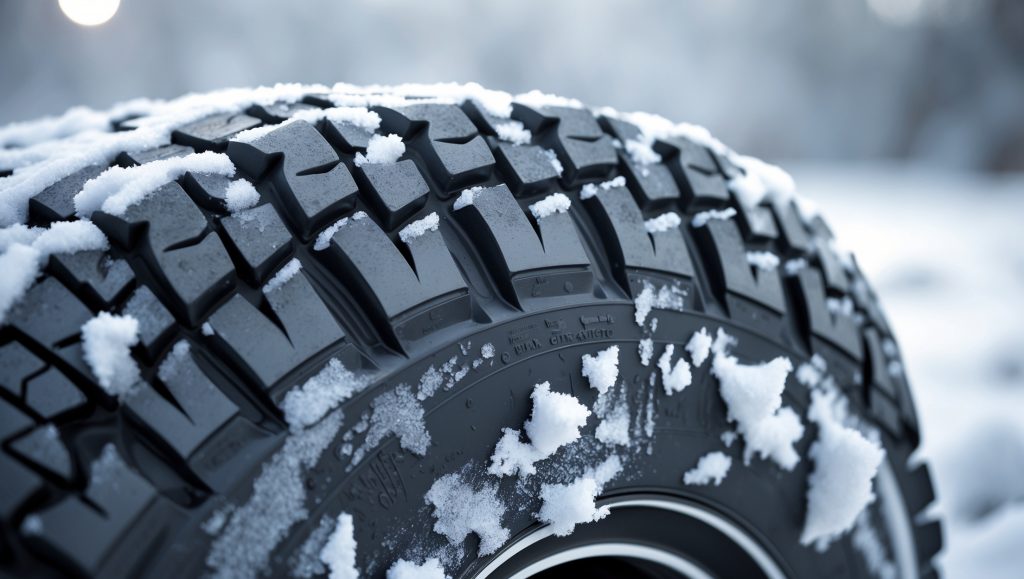
Winter tyres use deeper, more aggressive tread patterns with larger voids to bite into snow. Sipes—thin slits in the tread blocks—increase the number of edges that can grip the snow, improving traction. Compared to all-season tyres, winter tyres have hundreds or thousands of sipes to maximize snow-on-snow contact, which is vital for traction.
Rubber Compounds
Cold weather makes standard tyre rubber hard and inflexible. Winter tyres use specialized rubber compounds that remain soft and pliable at low temperatures, allowing the tread to conform to the road and maintain grip. Some tyres also use silica or other additives to further improve flexibility and performance on snow and ice.
Snow-on-Snow Traction
Interestingly, snow grips best to itself. Modern winter tyres are designed to pack snow into their tread blocks, so the next layer of snow can adhere to it—creating better traction than bare rubber on snow. The shape and spacing of tread blocks are engineered to optimize this effect.
Studded vs. Studless Tyres
Studded tyres use embedded metal pins to dig into ice and hard-packed snow, but are restricted or banned in some states due to road wear. Studless winter tyres rely on advanced tread and compound technology to achieve excellent snow grip without studs, making them suitable for most urban and suburban drivers.
Choosing the Right Tyre for Snow Grip
Winter Tyres vs. All-Season and All-Weather
While all-season tyres offer convenience, their snow grip is limited compared to dedicated winter tyres. All-weather tyres are a compromise, engineered for year-round use but with better snow performance than all-seasons. For regions with regular snowfall and ice, true winter tyres provide the greatest safety margin.
Recognizing the Three-Peak Mountain Snowflake (3PMSF) Symbol
Tyres marked with the 3PMSF symbol have been tested for minimum snow traction performance and are suitable for severe snow conditions. Look for this symbol if snow grip is your priority.
Size and Fitment Considerations
Narrower tyres can cut through snow more effectively, while wider tyres may float on top. Always follow your vehicle manufacturer’s recommendations for winter tyre sizing, and consult a professional if considering a size change for improved snow grip.
Commercial and Fleet Needs
Fleet vehicles require consistent performance and safety. Selecting winter tyres designed for the vehicle’s load and usage patterns is crucial, and many manufacturers offer commercial-grade winter tyres built for durability and traction in harsh conditions.
Maintaining Snow Grip Over Time
Tread Depth and Wear
Snow grip declines as tread wears down. Most experts recommend replacing winter tyres when tread depth is below 5/32″ (4 mm), even if legal minimums are lower. Shallower tread can’t pack and hold snow as effectively.
Tyre Pressure in Cold Weather
Tyre pressure drops as temperatures fall. Underinflated tyres flex more and have reduced grip; overinflated tyres have less surface contact. Regularly check and adjust pressure to the vehicle manufacturer’s recommendations, especially in winter.
Storing Winter Tyres
Proper off-season storage preserves compound flexibility and prolongs tyre life. Store tyres in a cool, dry place, away from direct sunlight and sources of ozone (like electric motors).
Advanced Technologies and Innovations
Micro-Texture Enhancements
Some premium winter tyres feature micro-textures or special surface treatments to further improve grip on snow and ice at the microscopic level.
Directional and Asymmetric Tread Designs
Directional patterns (V-shaped or arrow-like) channel snow and slush away from the contact patch, while asymmetric designs combine snow and dry performance. Both can enhance winter safety when properly installed.
Smart Tyre Features
Emerging technologies include integrated sensors to monitor tread wear and temperature, providing real-time data to drivers and fleet managers for proactive safety measures.
Common Mistakes
- Using all-season tyres in regions with frequent, heavy snow
- Waiting too long to switch to winter tyres (after the first snowfall)
- Ignoring tread depth and replacing tyres only at the legal minimum
- Mixing different types of tyres (e.g., winter and all-season) on the same vehicle
- Running winter tyres year-round, causing premature wear and reduced warm-weather performance
- Incorrect tyre pressures during cold weather
- Assuming all winter tyres perform equally on snow and ice
Quick Checklist
- Check for the Three-Peak Mountain Snowflake (3PMSF) symbol on winter tyres
- Monitor tread depth—replace winter tyres at 5/32″ (4 mm) or greater
- Keep tyre pressures at manufacturer-recommended levels throughout winter
- Switch to winter tyres before consistent temperatures drop below 45°F (7°C)
- Store unused tyres in a cool, dry, dark place
- Never mix different types or brands of tyres on the same axle
- Choose tyres best suited to your local climate and driving patterns
FAQ
- Do I need winter tyres if my car has all-wheel drive?
- AWD helps with acceleration, but winter tyres are essential for stopping and cornering on snow and ice. For best safety, use both.
- What’s the difference between winter and all-weather tyres?
- Winter tyres provide superior snow and ice grip but should be removed in warm weather. All-weather tyres offer year-round use with better snow performance than all-seasons, but can’t match winter tyres in severe conditions.
- How can I tell if my tyres are good for snow?
- Look for the 3PMSF symbol on the sidewall. Also, check that tread depth is above 5/32″ (4 mm) and the rubber is not too old or hardened.
- Can I use studded tyres anywhere in the US?
- No. Studded tyre use is regulated and often restricted to certain months or regions. Always check local laws before using them.
- How does tyre size affect snow grip?
- Narrower tyres can cut through deep snow more effectively. Always consult your vehicle’s approved fitment guide before changing tyre size.
- How often should I check tyre pressure in winter?
- Check at least once a month and before long trips. Pressure drops with temperature, so regular checks are crucial for winter grip.
- Is it okay to run winter tyres all year?
- No. Winter tyres wear quickly in warm weather and provide less grip on dry or wet roads above 45°F (7°C).
- Do I need to replace all four tyres for winter?
- Yes. Mixing winter and non-winter tyres can cause unpredictable handling and reduce safety, especially in snow and ice.
Conclusion
Choosing the right tyres for snow grip is one of the most important steps you can take to ensure safety and confidence on winter roads. By understanding how tread patterns, rubber compounds, and tyre maintenance contribute to snow traction, you can make informed choices for your vehicle or fleet. Before the next snowstorm hits, check your tyres, monitor tread depth and pressure, and upgrade to certified winter tyres if you regularly face snow and ice. The investment pays off in control, safety, and peace of mind all winter long.
How do all-terrain or all-weather tyres compare to dedicated winter tyres in terms of snow grip, especially for those of us who live in areas with moderate but unpredictable winter conditions?
All-terrain or all-weather tyres offer reasonable performance in mild and unpredictable winter conditions, balancing grip and year-round usability. However, dedicated winter tyres provide superior traction, braking, and handling on snow and ice due to their special rubber compounds and tread patterns. If you frequently face snow and icy roads, winter tyres are safer, but for moderate, occasional snow, all-weather tyres are a practical compromise.
For someone driving in a state where winter tyres aren’t legally required, how much of a real-world difference does the specialized rubber in winter tyres make compared to all-seasons during those really cold snaps?
The specialized rubber in winter tyres stays flexible at low temperatures, which means they grip icy and snowy roads much better than all-season tyres during cold snaps. Even if winter tyres aren’t required by law, you’ll notice improved traction, shorter braking distances, and overall safer handling in really cold conditions compared to all-seasons.
Does the technology behind sipes and tread patterns also help with ice-covered roads, or is snow grip mainly about loose snow traction?
Sipes and tread patterns actually help in both snow and ice conditions. Sipes provide extra biting edges that can grip slick ice as well as packed or loose snow. Tread patterns are designed to channel away water and slush, reducing the risk of sliding on ice. So, the same technology improves traction on both snow and ice-covered roads.
How can I tell if my current tyres’ rubber compound is still soft enough for cold weather, especially if they’re a few years old? Is there a simple DIY check before winter hits?
To check if your tyres’ rubber is still soft, press your fingernail into the tread; if the rubber feels hard or doesn’t give much, it may have lost flexibility. Also, inspect for visible cracks or dryness. Even if they look fine, most experts recommend replacing winter tyres after about 5-6 years, as rubber naturally hardens over time.
Could you explain more about how the number of sipes in a winter tire affects traction compared to all-season tires? I’m curious if there’s a noticeable difference when actually driving in snow.
Winter tires have a noticeably higher number of sipes—those thin slits in the tread—than all-season tires. The extra sipes create more biting edges, which improves grip and helps the tire channel away snow and slush. When driving in snow, this difference is very noticeable; winter tires generally provide better traction, stability, and shorter stopping distances compared to all-seasons.
If I only drive in light snow a few times each winter, would all-season tyres with some sipes be sufficient, or is it still safer to get dedicated winter tyres?
All-season tyres with sipes can handle occasional light snow, especially if you drive mainly on cleared roads. However, dedicated winter tyres offer better grip and braking in cold and snowy conditions. If safety is your top priority and temperatures frequently drop below 7°C, winter tyres are the safer choice, even for limited snow exposure.
Based on your mention of tread patterns and sipes, is there a particular tread design I should look for if I’m mostly concerned with icy roads rather than deep snow?
If icy roads are your main concern, look for tyres with a tread pattern that has many small, closely spaced sipes. These fine slits bite into ice to improve grip. Tyres marketed as ‘ice’ or ‘studless winter’ often have these features, focusing more on ice traction than deep snow performance.
Are winter tyres required by law in all snowy states, or does it vary a lot by region? I’m wondering if I should invest in them if I’m just visiting somewhere cold for a short time.
Winter tyre laws vary quite a bit between regions. In some snowy areas, they’re required by law during certain months, while in others they’re just recommended. If you’re visiting for a short time, check the specific local regulations for your destination. Even if not required, having winter tyres can greatly improve safety in cold, slippery conditions.
For drivers who mostly encounter slushy or wet winter roads rather than packed snow, are winter tyres with aggressive tread patterns still recommended, or would all-season tyres be sufficient?
If your winter driving is mainly on slushy or wet roads rather than deep, packed snow, high-quality all-season tyres might be sufficient, especially if local temperatures don’t regularly drop below freezing. However, winter tyres still offer better grip and safety in cold, wet conditions due to their rubber compounds, even if the tread isn’t very aggressive. Consider your region’s temperature and how often you encounter icy patches.
For fleet operators managing different vehicle types, are there cost-effective ways to balance the need for snow grip with budget constraints during longer winters?
Fleet operators can consider using all-season or all-weather tyres that are rated for snow performance, as these can reduce the need for seasonal tyre changes. Retreading tyres with special winter compounds is another cost-saving option. Regularly rotating tyres and maintaining optimal pressure also helps extend tyre life and performance during long winters.
Are there specific rubber compounds or brands you’d recommend for businesses that need reliable snow grip without breaking the bank?
For reliable snow grip at a reasonable price, look for tyres made with silica-enhanced rubber compounds—they stay flexible in cold weather and improve traction. Brands like Nokian, Continental, and Hankook offer winter tyres known for solid performance and value. Consider models specifically marketed as budget-friendly winter or all-weather tyres to balance cost and safety for your business fleet.
Does using winter tyres with lots of sipes actually make a big difference on icy roads, or is it mainly for deep snow conditions?
Winter tyres with lots of sipes do make a significant difference on icy roads. The sipes create extra biting edges that help grip the slick ice, not just deep snow. So, even on icy surfaces without much snow, tyres with many sipes can improve traction and safety.
I noticed you mentioned that some states require winter tyres or chains. Where can I find a clear list of which states these laws apply to, and do they affect small businesses with just one or two vehicles?
State laws on winter tyres or chains can vary quite a bit, and there isn’t a single official list that covers all states. Your state’s Department of Transportation website is the best source for up-to-date regulations. Generally, these requirements apply to all vehicles, regardless of whether they’re for personal use or part of a small business.
How quickly does the rubber in regular tyres become too hard in cold weather, and is there a visible way to check if my tyres are still safe for early winter driving?
Regular tyre rubber starts becoming noticeably harder when temperatures drop below 7°C (about 45°F), which can reduce grip. This change happens gradually, not instantly. While you can’t see the hardness, you should check tread depth (at least 3mm for winter safety) and look for visible cracks or signs of wear. If unsure, a tyre professional can test their flexibility for you.
The article mentions that some states require winter tyres or chains. Where can I find a comprehensive list of which US states have these legal requirements, especially for fleet vehicles?
A comprehensive list of US state requirements for winter tyres or chains, especially for fleet vehicles, can usually be found through your state’s Department of Transportation or its official website. Additionally, organizations like the American Trucking Associations often publish updated state-by-state summaries for commercial vehicles.
If I mostly drive in a city that only gets a few snowfalls each year, would swapping to winter tyres still make a noticeable difference in safety, or could I get by with good all-season tyres?
If your city only experiences a few snowfalls each year, high-quality all-season tyres can usually handle light winter conditions, provided you drive carefully. However, winter tyres still offer noticeably better grip and braking performance in snow and icy conditions, so they’re the safest choice if you want maximum security when the weather turns bad.
How can I tell if my current tyres are using the specialized rubber compounds you described, or are they just standard versions that might get too stiff in winter?
To check if your tyres use winter-specific rubber compounds, look for a snowflake or mountain symbol on the sidewall—this indicates they’re designed for winter. If you only see ‘M+S’ (mud and snow), they might not have the advanced compounds. The manufacturer’s website or a tyre specialist can confirm the exact type for your model.
Can you explain how much of a difference sipes really make compared to tread pattern alone when it comes to snow grip? I’m not sure if it’s more important to look at the number of sipes or the overall tread design.
Sipes play a crucial role in snow grip by adding tiny slits to the tread blocks, which help the tyre bite into snow and improve traction. While tread pattern channels away snow and slush, the number and placement of sipes can make a bigger difference in light or packed snow. Ideally, look for a good balance—both an effective tread design and plenty of well-placed sipes for the best winter performance.
If I only drive occasionally in snow and mostly on cleared roads, would winter tyres still make a noticeable safety difference over all-seasons?
Yes, winter tyres can still make a noticeable safety difference, even if you only occasionally drive in snow. They provide better grip and handling in cold temperatures, not just on snow but also on icy or slushy roads. If temperatures in your area regularly drop near or below freezing, winter tyres offer added safety compared to all-seasons.
You mentioned that some states require winter tyres or chains. Where can I find clear guidelines on state-specific requirements, and how strict are insurance companies about these rules after an accident?
For state-specific winter tyre and chain requirements, check your state’s Department of Transportation website or official government resources. Insurance companies often consider whether you complied with local laws after an accident, and not following requirements could affect your claim. It’s a good idea to review your policy or speak with your insurer for details on their approach.
You mentioned that some states legally require winter tires or chains. Is there a way to know which areas have these laws, and does it apply to all vehicles, including student cars?
Most state transportation or highway department websites provide up-to-date information on winter tire and chain requirements. These laws often change by region and season. Typically, the rules apply to all vehicles, including student cars, but there can be exceptions for certain vehicle types. It’s best to check local regulations before traveling in winter conditions.
You mention specialized rubber compounds for winter tyres. Are there any noticeable trade-offs in tire performance or longevity when using these compounds outside of snowy conditions?
Yes, using winter tyres with specialized rubber compounds outside of snowy or cold conditions can lead to faster wear and reduced performance. The softer rubber provides better grip in cold temperatures but can wear down quickly in warmer weather and may result in less precise handling compared to summer or all-season tyres.
If winter tyres use softer rubber compounds to stay flexible in the cold, do they wear out faster if you drive on dry pavement or in mixed conditions?
Yes, winter tyres generally wear out faster if used on dry pavement or in warmer, mixed conditions. Their softer rubber compounds are designed for cold weather, so using them in warmer temperatures can lead to quicker tread wear. It’s best to switch back to regular or summer tyres once winter conditions have passed.
Do winter tyres really make a noticeable difference in stopping distances compared to all-season tyres, especially on snow-covered roads?
Yes, winter tyres make a significant difference in stopping distances on snow-covered roads. Their special rubber compounds and tread patterns are designed to stay flexible and grip better in cold, snowy conditions, allowing your vehicle to stop much sooner compared to all-season tyres.
Can tyre sipes get clogged or damaged after driving on mixed snow and slush, and if so, how can you tell if the tyre’s snow grip is compromised?
Yes, tyre sipes can get clogged with slush or debris, or even damaged after driving in mixed conditions. You might notice reduced traction, longer braking distances, or visible filling or tearing in the sipes. Regularly inspect your tyres for packed-in slush, cuts, or worn sipe edges to ensure you’re still getting optimal snow grip.
Does using tyres with better snow grip really make a difference for short city commutes, or is it more important for drivers who spend hours on the road in the winter?
Tyres with good snow grip make a noticeable difference, even for short city commutes. They help reduce stopping distances, improve handling, and lower the risk of slipping at intersections or on icy patches. So, they’re important for safety whether you’re driving a few minutes or several hours in winter conditions.
How much of a difference does using a winter tyre with a specialized rubber compound make compared to sticking with all-season tyres through the winter?
Using winter tyres with specialized rubber compounds can make a significant difference in winter conditions. These tyres remain flexible and maintain better grip at low temperatures, which greatly improves traction, braking, and handling on snow and ice. All-season tyres tend to harden in the cold and lose effectiveness, so switching to winter tyres can enhance safety during harsh winter months.
If someone is on a tight budget, would you recommend prioritizing better tread patterns or more advanced rubber compounds for improved snow grip?
If you’re on a tight budget, prioritizing better tread patterns is usually the smarter choice for improved snow grip. Tread design plays a crucial role in channeling snow and slush away, helping your tyres maintain traction. While advanced rubber compounds help too, a good tread pattern will often make the most noticeable difference in winter conditions.
If I already have tyres with lots of sipes and deep treads, does that mean they’re good enough for winter, or are the special rubber compounds just as important for safety?
Having plenty of sipes and deep treads is great for grip in snow, but the rubber compound is just as important. Winter tyres use special rubber that stays flexible in cold temperatures, improving traction and safety. Regular tyres, even with good tread, can become hard and less effective in the cold. For the best winter performance, both features matter.
I’m curious about the difference between all-season and winter tyres, especially in terms of tread patterns and sipes. Would all-seasons with lots of sipes work reasonably well in occasional snow, or is it still better to switch to true winter tyres?
All-season tyres with more sipes do perform better in light or occasional snow than standard summer tyres, but they still can’t match true winter tyres. Winter tyres have deeper tread patterns and more flexible rubber compounds designed for cold, snowy, and icy conditions. For best safety and traction in regular or harsh winter weather, true winter tyres are the better choice.
Can you explain how insurance companies determine liability if a driver gets into an accident with all-season tyres in a state that strongly recommends, but doesn’t require, winter tyres?
Insurance companies usually determine liability based on the specific circumstances of the accident, not just the type of tyres used. In states where winter tyres are recommended but not required, having all-season tyres generally doesn’t automatically make a driver liable. However, if it’s shown that the tyres were clearly inadequate for the conditions and contributed to the accident, that could affect the insurer’s decision.
If I just got new all-season tyres this fall, is it safe to keep using them through the winter or should I swap them out as soon as temperatures drop below freezing?
All-season tyres can handle mild winter conditions, but their grip decreases as temperatures drop below freezing, especially on snow and ice. For the best safety and performance in harsh winter weather, it’s recommended to switch to winter tyres. If you expect cold, snowy, or icy roads, swapping to winter tyres is the safer choice.
Is there a particular tread pattern or rubber compound you would suggest for areas where the temperature fluctuates above and below freezing throughout the winter?
For regions where winter temperatures often move above and below freezing, all-weather tyres with a V-shaped tread pattern are a reliable choice. These tyres offer good grip on both wet and icy roads. Look for a rubber compound that remains flexible in low temperatures but also provides stability when it’s warmer, ensuring safe performance across changing winter conditions.
How do I know when it’s actually time to switch from my regular tyres to winter ones, based on temperature or other indicators?
You should consider switching to winter tyres when the daily average temperature consistently drops below 7°C (about 45°F). Besides temperature, if you notice frequent frost, icy roads, or snowfall in your area, it’s a good indicator that winter tyres would improve your safety and grip.
Are there affordable winter tyre options that still use the advanced rubber compounds you mentioned, or do those only come in premium products?
You can definitely find affordable winter tyres that use advanced rubber compounds. Many mid-range brands now incorporate these technologies to offer better grip and safety in cold conditions. While premium tyres may have the latest innovations, several budget-friendly options still provide excellent winter performance thanks to improved rubber formulas.
How do winter tyre compounds actually stay softer in cold temperatures compared to regular ones? Is it mostly about materials like silica, or are there other tricks?
Winter tyre compounds stay softer in the cold mainly because they use special blends of rubber and added materials like silica, which help maintain flexibility at low temperatures. Besides silica, manufacturers also tweak the mix with other polymers and plasticizers, ensuring the tyre doesn’t harden and keeps its grip even when it’s freezing.
As someone managing a tight budget, are there affordable tyre options that still offer reliable snow grip, or is it always necessary to buy the top-of-the-line winter tyres?
You don’t have to buy the most expensive winter tyres to get good snow grip. Many mid-range brands offer reliable performance in snowy conditions. Look for tyres with the three-peak mountain snowflake symbol, which indicates they meet winter traction standards. Checking user reviews and independent test results for budget-friendly options can also help you find safe, affordable choices.
You mentioned that winter tyres use rubber compounds that stay soft in the cold. Does this mean they’ll wear out faster if I use them on dry roads or in warmer temperatures?
Yes, winter tyres are made with softer rubber to stay flexible in cold temperatures. If you use them frequently on dry roads or in warmer weather, they can wear out more quickly than summer or all-season tyres. It’s best to switch back to your regular tyres when the temperatures rise above 7°C to extend their lifespan.
You mention that some US states require winter tyres or chains in certain conditions. Is there a list of which states have these legal requirements and under what circumstances they apply?
Some US states like California, Colorado, Oregon, and Washington have laws requiring winter tyres or chains during certain winter conditions, particularly in mountainous or snowy regions. The requirements often depend on weather alerts or posted signs. Each state has its own specific rules, so it’s best to check the Department of Transportation website for the state you’ll be driving in for detailed, up-to-date information.
You mention special rubber compounds in winter tyres. How long do those compounds usually stay effective, or do they lose their softness after a few seasons?
Winter tyre rubber compounds typically stay effective for about 4 to 6 years, but this can vary with usage and storage. Over time, especially after several seasons, the rubber may harden and lose its grip—even if the tread looks fine. It’s a good idea to check the manufacturing date and replace tyres if they’re getting old or feel less flexible.
Does using tyres with a special rubber compound for winter affect how long they last if I leave them on well into the warmer months by accident?
Yes, if you leave winter tyres with special rubber compounds on during warmer months, they tend to wear out more quickly. The softer rubber is designed for cold temperatures, so heat from summer roads causes them to deteriorate faster, reducing their lifespan and effectiveness.
For fleet operators on a budget, are there reliable ways to balance the cost of specialized winter tyres with the safety advantages they offer in prolonged snowy seasons?
Fleet operators can consider fitting winter tyres only on vehicles used in the harshest conditions, or use all-season tyres certified for winter use as a compromise. Retreading winter tyres is another cost-saving measure. Regularly rotating and maintaining tyres also extends their lifespan, helping manage costs without sacrificing too much safety.
If I mainly drive in an area with occasional light snow, would all-season tyres with more sipes be sufficient, or should I still consider dedicated winter tyres for better safety?
All-season tyres with more sipes can offer reasonable grip during occasional light snow, making them a practical choice for areas with mild winters. However, if you want the highest level of safety, especially during unexpected cold snaps or on icy roads, dedicated winter tyres still provide superior traction and control. Consider your local weather extremes, but for mostly light, infrequent snow, quality all-seasons are usually sufficient.
If my winter tyres still feel slippery after a season or two, does that mean the rubber compound has hardened, or is it more likely the tread pattern has worn down?
Both factors could be affecting your tyres. Over time, winter tyre rubber can harden, especially if they’re exposed to warm temperatures when stored. Worn tread is also a big concern, as it reduces grip in snow and slush. It’s a good idea to check your tread depth and make sure your tyres haven’t aged past their recommended lifespan, which is usually 4-6 years.
If winter tires have more sipes and specialized rubber, does that mean they’ll wear out faster on dry roads? I’m curious about how long a set usually lasts if winter is only a couple of months here.
Winter tires do tend to wear more quickly on dry or warm roads because their rubber is softer and the extra sipes can flex more. However, if you only use them during the colder months and switch back to regular tires once temperatures rise, a set can typically last three to five winter seasons, depending on mileage and driving habits.
If I upgrade my vehicles with tyres that have proven snow grip, will that generally help lower liability concerns with our business insurance, or should I check with my insurer first?
Using tyres with proven snow grip can improve vehicle safety and may reduce accident risk, which insurers often view positively. However, insurance policies and their requirements vary, so it’s important to check directly with your insurer to confirm if this upgrade will specifically impact your liability or premiums.
If a vehicle primarily drives on plowed roads in winter, would investing in tyres with extensive siping still provide noticeable safety benefits?
Even on plowed roads, tyres with extensive siping can offer noticeable safety benefits. Plowed roads can still have patches of ice or packed snow, and siping helps maintain grip in these conditions by channeling away water and enhancing traction. So, investing in tyres with good siping can improve braking and handling, even if most driving is on cleared roads.
Does using winter tyres with good snow grip actually lower car insurance premiums, or does it just limit your liability in case of an accident?
Using winter tyres with good snow grip mainly helps reduce your liability in an accident by showing you took precautions for safe driving. In most cases, insurance companies do not directly lower premiums just because you use winter tyres. However, some insurers may offer discounts or incentives, so it’s worth checking with your provider.
How do winter tyres with lots of sipes perform on icy roads compared to those with fewer sipes, or are sipes mostly beneficial for just snow conditions?
Winter tyres with more sipes generally perform better on icy roads than those with fewer sipes. Sipes create extra biting edges that improve grip on both snow and ice, not just snow. This helps the tyre maintain traction and control in slippery conditions, making them beneficial for both snow and ice driving situations.
I’m curious how insurance companies check if you were using proper winter tyres after an accident. Do they actually inspect the tyre model, or is it more based on state laws?
Insurance companies usually inspect the tyres after an accident if winter tyre use is legally required in your area. They may check the tyre model, tread pattern, and official winter tyre markings (like the snowflake symbol) to confirm compliance. The process is influenced by state or country laws, so requirements and inspections can vary depending on local regulations.
How quickly does the special rubber compound in winter tyres start to lose its effectiveness as temperatures fluctuate during late winter or early spring?
The special rubber compound in winter tyres is designed to stay flexible in cold temperatures, typically below 7°C (about 45°F). As temperatures rise in late winter or early spring and consistently exceed this threshold, the compound gradually hardens and loses its grip advantage, making the tyres less effective. This process isn’t instant but happens as warmer days become the norm.
You mentioned that winter tyres use specialized rubber compounds that stay soft in the cold. Is there a noticeable difference in performance as temperatures fluctuate just above and below freezing?
Yes, there is a noticeable difference. Winter tyres are designed to stay flexible when temperatures drop below around 7°C (45°F). As temperatures move just above freezing, summer or all-season tyres start to stiffen, reducing grip, while winter tyres remain softer and maintain better traction, especially on wet or icy roads.
Are winter tyres with a lot of sipes noticeably more expensive than all-season tyres, or is the cost difference pretty minimal?
Winter tyres with many sipes are generally a bit more expensive than all-season tyres, mainly due to their specialized design and materials. However, the price difference is usually not huge and depends on the brand and size. In most cases, you’ll notice a moderate cost increase, but it’s often justified by the improved winter performance and safety.
For fleet operators on a budget, is there a significant difference in snow grip performance between mid-range and premium winter tyres?
Yes, there is a noticeable difference in snow grip between mid-range and premium winter tyres. Premium tyres generally offer better traction, shorter braking distances, and improved handling on snow and ice. However, some mid-range options perform quite well and may provide good value if budget is a concern. Reviewing independent tyre tests can help you find the best balance between cost and safety for your fleet.
If my insurance provider requires proof of using tyres with good snow grip after an accident, is there an industry certification or marking on the tyre that I should look for?
Yes, you should look for the Three-Peak Mountain Snowflake (3PMSF) symbol on the tyre sidewall. This marking certifies that the tyre meets industry standards for snow performance and is generally accepted as proof of suitable winter grip by insurance providers.
If I switch to winter tires, do I need to change them back as soon as the weather warms up, or can they be used safely during spring months before finals?
You can use winter tires into the spring, but it’s best to switch back to regular or summer tires once temperatures consistently stay above 7°C (about 45°F). Warmer weather causes winter tires to wear out faster and reduces their grip on dry roads, so plan to change them when winter conditions have clearly passed.
Are there any downsides to using winter tyres, like faster wear or higher costs, if you leave them on your car into spring when temperatures rise above freezing?
Yes, using winter tyres in warmer temperatures can cause them to wear out faster, because their softer rubber compounds are designed for cold conditions. They might also reduce fuel efficiency and handling compared to summer or all-season tyres, and they typically cost more to replace. For the best performance and value, it’s advisable to switch back to summer tyres when winter ends.
How do winter tyres with aggressive tread patterns perform on ice compared to packed snow? Is there a noticeable difference in grip depending on the surface?
Winter tyres with aggressive tread patterns usually perform better on packed snow because the deep grooves and sipes help dig into and grip the snow. On ice, however, those patterns are less effective; grip mostly comes from the rubber compound and small sipes rather than the tread blocks. So yes, there is a noticeable difference—performance tends to be stronger on packed snow than on ice.
How do I know if my current all-season tyres have enough sipes or the right tread pattern for safe winter driving, or do I really need dedicated winter tyres?
All-season tyres usually have fewer sipes and a less aggressive tread pattern compared to winter tyres. Check your tyres for the three-peak mountain snowflake symbol, which indicates approved winter performance. If you regularly drive in snowy or icy conditions, dedicated winter tyres are strongly recommended for optimal grip and safety.
How do insurance companies verify that a vehicle was equipped with proper winter tyres after an accident in states where they are required?
Insurance companies often check the vehicle after an accident to see what tyres are installed. They might inspect the tyres for markings like the mountain snowflake symbol or M+S. Sometimes, photos taken at the scene or repair shop records are used as evidence. In some cases, they may also ask for purchase receipts or documentation showing winter tyre installation.
Are winter tyres with more aggressive tread patterns noisier on dry roads, or do they affect fuel efficiency compared to all-season tyres?
Winter tyres with more aggressive tread patterns can produce more road noise on dry surfaces compared to all-season tyres. They also tend to have slightly higher rolling resistance, which may reduce fuel efficiency a bit. The trade-off is improved grip and safety in snowy or icy conditions.
For drivers on a tight budget, are there any affordable ways to boost snow grip without switching to full winter tyres?
If switching to full winter tyres isn’t an option, you can improve snow grip by using snow socks or tire chains, which are more affordable and easy to put on when needed. Also, keeping your tyres properly inflated and ensuring they have adequate tread depth will help maximise grip in winter conditions.
If we’re experiencing longer stopping distances despite using winter tyres, what troubleshooting steps related to tread patterns or sipes should we look into?
If stopping distances are longer than expected, check your winter tyres for worn tread depth—the pattern should be at least 3mm deep for effective grip. Also, inspect the sipes (small cuts in the tread). If they’re worn down or clogged with debris, their ability to channel water and increase traction is reduced, which can compromise performance.
Do winter tyres wear out faster than regular tyres due to their softer rubber compounds, and if so, how often should they be replaced when driving in snowy regions?
Winter tyres do tend to wear out faster than regular tyres when used on dry or warm roads, because their rubber is designed to stay flexible in cold. However, in snowy or cold conditions, their wear rate is similar to regular tyres. Generally, winter tyres should be replaced when tread depth drops below 4mm, or every 4–6 seasons, depending on usage and road conditions.
How do insurance companies typically verify if someone was using proper winter tires after an accident—do they look for certain markings or certifications on the tires?
Insurance companies usually check for specific markings on the tires after an accident, such as the ‘M+S’ (Mud and Snow) symbol or the three-peak mountain snowflake symbol. These markings indicate that the tires meet winter performance standards. Inspectors may also look for manufacturing codes, tread patterns, or ask for purchase receipts to verify if proper winter tires were used.
If I switch to winter tyres for a few months each year, will that affect my car insurance rates or policies?
Switching to winter tyres usually doesn’t affect your car insurance rates or policies, but some insurers may encourage or even require them in certain regions. It’s a good idea to inform your insurance provider about the change to make sure you’re fully covered during winter months.
Do winter tyres with more sipes actually make a big difference for stopping on ice, or is tread pattern more important?
Winter tyres with more sipes do make a significant difference when stopping on ice. Sipes are small slits that create extra biting edges to improve grip on icy surfaces. While tread pattern is important for clearing snow and slush, the number and design of sipes specifically enhance braking and traction on ice.
Do winter tyres need to be replaced more often because of the softer rubber compounds mentioned in the article, or do they last about as long as regular all-season tyres?
Winter tyres do tend to wear out faster than all-season tyres if used on warm or dry roads because the softer rubber compounds are designed for cold conditions. However, when used only during the winter months, their lifespan is generally similar to that of all-season tyres. For best results, switch back to all-season or summer tyres when warmer weather returns.
How do I know if my current tyres have the right kind of rubber compound for cold weather, or do I need to buy something specific?
To check if your tyres are suitable for cold weather, look for symbols like a snowflake or M+S (Mud and Snow) on the sidewall, which indicate winter or all-season tyres. The rubber compound in these tyres stays flexible in low temperatures. If your tyres lack these markings, consider switching to winter-specific tyres for better grip and safety in cold conditions.
With winter conditions only lasting a few months where I live, is it worth investing in dedicated winter tyres, or are high-quality all-season tyres with good tread patterns adequate for occasional snow and ice?
If you only experience snow and ice occasionally, high-quality all-season tyres with deep tread can be sufficient for most situations. However, dedicated winter tyres offer the best grip and safety in frequent or severe winter conditions. For light, occasional winter weather, good all-season tyres are usually a practical and cost-effective option.
Are there particular tread designs or brands that fleet operators in especially snowy regions have found most reliable for maintaining traction during harsh winters?
Fleet operators in snowy regions often favor tyres with deeper, directional tread patterns and aggressive siping, as these features enhance grip on snow and ice. Brands like Michelin, Bridgestone, and Nokian are commonly trusted for their dedicated winter tyre lines, especially models specifically rated for severe snow service, denoted by the three-peak mountain snowflake symbol.
I live in a state where winter tyres aren’t mandatory, but I’m worried about insurance liability if I get into an accident. Do most insurance companies actually check what kind of tyres you’re using after a winter crash?
Most insurance companies in places where winter tyres aren’t legally required don’t routinely check your tyres after a winter accident. However, if tyre condition or type is clearly a factor in the crash, it could come up in an investigation. It’s wise to use the safest tyres for your conditions to avoid issues with both safety and insurance claims.
Could you explain how using tyres with proven snow grip might affect my insurance if I’m in an accident during winter?
Using tyres with proven snow grip can show that you took reasonable steps to stay safe in winter. Some insurers may look more favorably on claims if you’ve fitted the right tyres, as it reduces the risk of accidents. In certain areas, not using suitable tyres in winter might even affect your coverage, so it’s wise to check your policy details.
How do I know if my current all-season tyres have enough sipes or the right tread pattern to handle snowy conditions, or should I just switch to dedicated winter tyres?
All-season tyres often have fewer sipes and a less aggressive tread pattern than winter tyres, which can limit grip on snow and ice. If you live in an area with frequent or heavy snow, switching to dedicated winter tyres is usually safer, as they’re specifically designed to maintain traction and flexibility in cold temperatures.
You mention specialized rubber compounds staying flexible in cold weather. Are there visible signs or simple tests to check if my current tyres are still soft enough for safe winter driving?
There aren’t obvious visible signs to confirm if your tyres remain soft enough for winter. However, you can press your thumbnail into the tread—if it feels hard or doesn’t give at all, the rubber may have lost flexibility. Also, check the manufacturing date; tyres over 6 years old often lose their winter effectiveness, even if the tread looks fine.
If my winter tyres from last year have tread left but feel a bit hard, is it still safe to use them, or does the rubber compound lose effectiveness over time even if they don’t look worn?
Even if your winter tyres have enough tread, the rubber compound can harden over time, especially after repeated cold seasons. Harder tyres lose grip and may not perform well on snow and ice. If they feel noticeably stiff or are several years old, it’s safer to consider replacing them for optimal winter performance.
Can you explain how much of a difference sipes actually make compared to just having a more aggressive tread pattern on winter tires?
Sipes play a crucial role in winter tire performance. While an aggressive tread pattern helps channel snow and slush away, sipes—those small slits in the tread blocks—create extra biting edges that grip icy and compact snow surfaces. Without sipes, even deep treads can struggle for traction on ice. So, sipes significantly enhance grip, especially on ice and hard-packed snow, beyond what tread pattern alone can achieve.
The article says that winter tyres stay pliable at low temperatures thanks to special compounds. Do these compounds wear out faster on dry pavement compared to all-season tyres, making them more expensive in the long run?
Yes, winter tyre compounds are softer to stay flexible in cold weather, which can lead to faster wear if used on dry, warmer roads compared to all-season tyres. It’s best to switch back to all-seasons when winter ends to help your winter tyres last longer and manage costs.
I’m curious about the specialized rubber in winter tires. Is there a big difference in how quickly they wear out compared to regular tires if I leave them on when temperatures go above freezing?
Winter tires use a softer, more flexible rubber compound designed for cold weather. If you leave them on when temperatures rise above freezing, they tend to wear out faster than regular tires because the rubber becomes too soft in warmer conditions. For the best longevity, it’s a good idea to switch back to regular tires once winter is over.
If I only drive in snowy conditions a few times each winter, would all-season tyres with a good tread pattern be enough, or is it really necessary to invest in dedicated winter tyres?
If you only occasionally drive in snow, all-season tyres with a good tread can handle light winter conditions, especially if roads are cleared quickly. However, dedicated winter tyres offer noticeably better grip and safety in snow and ice. If your area experiences frequent or severe winter weather, winter tyres are a safer choice, but for rare snow, all-seasons may suffice if you drive carefully.
Can you explain more about how sipes actually work to improve traction on icy roads? I’m still not totally clear on why more sipes make such a big difference.
Sipes are tiny slits in the surface of a tyre’s tread. On icy roads, they open up as the tyre presses down, creating extra biting edges that grip the slippery surface. More sipes mean more edges, which helps the tyre maintain better contact and traction by cutting through the thin layer of water or ice under the tyre.
If my area only gets snow a few times a year, would switching to winter tyres still make sense for safety, or are modern all-seasons usually enough?
If snow is rare in your area and roads are cleared quickly, modern all-season tyres are usually sufficient for most drivers. However, if you sometimes drive in heavy snow or on untreated roads, winter tyres do offer noticeably better grip and safety in cold conditions. Consider your typical routes and how often you encounter tricky winter roads.
My budget is pretty tight—are there any affordable options that still offer good snow grip, or do you have tips for getting the most out of cheaper winter tires?
There are several budget-friendly winter tyres that still provide reliable snow grip—look for brands with good independent test results. To maximize performance from cheaper tyres, keep them properly inflated, rotate them regularly, and drive cautiously, especially in harsh conditions. Even affordable winter tyres can be effective with the right maintenance and driving habits.
If I already have all-season tyres on my delivery vans, would adding chains be sufficient for snowy conditions, or is it still safer to invest in dedicated winter tyres as explained in the article?
While all-season tyres with chains can provide better traction in heavy snow, dedicated winter tyres still offer superior grip, handling, and braking on cold, icy, or snowy roads. For frequent or severe winter conditions, winter tyres are generally safer and more reliable for your delivery vans, even if chains are available as an extra measure.
If I’m driving a fleet vehicle that runs mainly early mornings before plows are out, would investing in tyres with deep tread patterns and lots of sipes be more important than just relying on all-season tyres with good ratings?
For your situation, tyres with deep tread patterns and plenty of sipes are definitely more important than just having well-rated all-season tyres. Early mornings before plows usually mean compacted snow and ice, so winter or snow-specific tyres offer better grip and safety compared to all-seasons, even those with high ratings.
How does using winter tyres affect car insurance premiums? You mentioned liability, but do insurers offer discounts for proven snow grip or is it only about avoiding possible claims?
Using winter tyres can sometimes help prevent accidents, which reduces the risk of insurance claims, but most insurers do not offer direct discounts just for having them. Instead, the main benefit is that you may avoid increased premiums from making claims due to winter-related accidents. It’s best to check with your insurer, as policies can vary.
If I run a fleet that operates across multiple states, what’s the best way to handle the legal and practical differences in tire requirements during winter months?
Managing a fleet across various states means you’ll need to keep up with each state’s winter tire or chain laws, which can differ quite a bit. Consider designating vehicles for certain regions, equipping them with appropriate tires, or using all-weather tires that meet the strictest regulations you’ll encounter. Regularly review legal updates and train drivers to ensure compliance everywhere your fleet operates.
At what temperature do standard tyre compounds typically start losing flexibility, and when should I consider switching to winter tyres?
Standard tyre compounds generally begin to lose flexibility and grip when temperatures drop below 7°C (about 45°F). It’s best to switch to winter tyres before temperatures consistently fall below this point, as winter tyres are designed to stay flexible and provide better traction in colder conditions.