
Overview
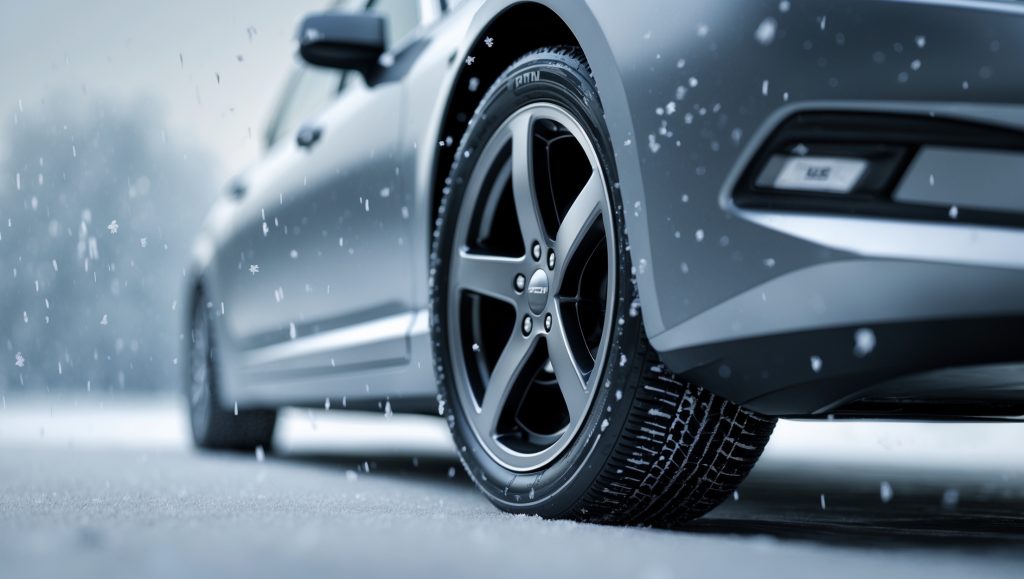
The Nokian Hakkapeliitta R5 is a non-studded winter tyre engineered for drivers who face severe winter conditions in the northern US and mountain regions. Tailored for sedans, compacts, and crossovers, it’s aimed at motorists who demand top-tier snow and ice grip, confidence in freezing rain, and a quiet, comfortable ride through harsh weather. The R5 sits at the premium end of the winter tyre segment, with a strong focus on safety, eco-friendliness, and everyday usability.
We tested the Hakkapeliitta R5 in two popular sizes: 205/55 R16 (common for compact sedans like the Honda Civic and Toyota Corolla) and 225/60 R17 (typical for crossovers such as the Subaru Outback and Toyota RAV4). Built on Nokian’s legacy of Nordic expertise, the R5 is all about mastering snow-packed roads and icy mornings without the drawbacks of traditional studded tyres.
Key Specs
| Type | Winter (Studless) |
| Available sizes range | 14″ – 21″ (wide selection for cars, crossovers, small SUVs) |
| Speed rating examples | R (106 mph), T (118 mph), H (130 mph) |
| Load index examples | 91 (615 kg), 99 (775 kg) |
| Tread pattern | Directional, high-density siping, aggressive block edges |
| Technology highlights | Double Block Grip, Cryo Crystal 3, Aramid Sidewalls, Silent Touch |
Performance: Dry
The Hakkapeliitta R5 delivers predictable handling and stable braking on dry winter roads. While it’s not as sharp or direct as a summer or all-season performance tyre, steering response is accurate for its class. The flexible tread compound—which is essential for cold-weather grip—means a slightly softer, more forgiving feel, especially in milder temperatures. Braking distances are safe and consistent, with the tyre favoring stability over outright sportiness. For most winter drivers, the dry performance is reassuring and balanced, making the transition from autumn to winter seamless.
Performance: Wet
Wet traction is a core strength of the R5, thanks to its dense siping and directional tread. The tyre evacuates slush and water efficiently, maintaining grip in rain, sleet, and thawing conditions. Hydroplaning resistance is excellent for a winter tyre, and emergency braking feels controlled. Compared to older winter models, the R5 offers shorter stopping distances on wet roads and greater confidence in quick maneuvers. However, as with most winter tyres, lateral grip in warm, heavy rain is still less than a top-tier all-season, so cautious driving is advised in those conditions. Overall, the R5 is a top choice for mixed winter precipitation.
Performance: Snow & Ice
This is where the Nokian Hakkapeliitta R5 truly excels. On packed snow, the R5’s aggressive block pattern and Double Block Grip technology bite into the surface, delivering strong acceleration and short stopping distances. Deep snow traction is impressive, aided by the tyre’s wide grooves that channel away loose powder. What sets the R5 apart is its ice performance: Cryo Crystal 3 particles embedded in the rubber act like microscopic studs, boosting grip on glare ice without the road noise or legal restrictions of metal studs. Steering remains precise, and the tyre’s flexibility at sub-zero temperatures ensures reliable contact with the road. In back-to-back comparisons with segment rivals, the R5 consistently emerges as a benchmark for snow and ice control, making it a top recommendation for drivers in regions with prolonged winter weather.
Comfort & Noise
The R5 features Nokian’s Silent Touch tread design, which softens road impact and reduces pattern noise—an important consideration for daily drivers. On smooth and rough pavement alike, the tyre exhibits a quiet, composed ride, even at highway speeds. Vibrations from potholes and winter-worn roads are well-damped, contributing to long-distance comfort. Compared to its predecessor (the R3) and many direct competitors, the R5 is notably quieter, though some road noise is still present on coarse asphalt. For drivers upgrading from older or budget winter tyres, the improvement in ride serenity is significant.
Durability & Economy
Winter tyres are typically softer and wear faster than all-seasons, but the R5 is engineered for longevity. With Aramid-reinforced sidewalls, it resists curb and pothole damage—a boon for urban drivers. The tread compound and optimized footprint promote even wear, and user reports suggest the R5 holds up well for multiple seasons if rotated as recommended. Rolling resistance is lower than many rival winter tyres, helping to mitigate the usual winter MPG drop. In the US, the R5 is not UTQG rated (as is typical for winter tyres), but Nokian’s track record for durability is strong. For drivers seeking both safety and value, the R5 offers a good balance of winter grip and lifespan, though it’s still prudent to expect faster wear if used into spring or autumn.
Sizes & Alternatives
The Nokian Hakkapeliitta R5 is available in a broad range of sizes, from 14″ up to 21″, covering most compact sedans, family cars, and crossovers. Popular US sizes include:
- 205/55 R16 (Honda Civic, VW Jetta, Toyota Corolla)
- 225/60 R17 (Subaru Outback, Toyota RAV4, Honda CR-V)
- 215/65 R16 (SUVs, Crossovers)
Notable rivals in the premium winter segment include:
- Michelin X-Ice Snow
- Bridgestone Blizzak WS90
- Continental VikingContact 7
- Goodyear Ultra Grip Ice WRT
- Yokohama iceGUARD iG53
The R5 stands out for its ice innovation and comfort, but these competitors each offer slightly different blends of snow handling, ride feel, and value.
Pros & Cons
- Outstanding snow and ice traction
- Quiet, comfortable ride for a winter tyre
- Wide size range for cars and crossovers
- Strong wet and slush performance
- Aramid sidewall protection
- Premium pricing
- Not suitable for year-round use—soft compound wears quickly in warm temps
- Dry handling less sporty than all-season options
- Availability may be limited in some regions
Verdict
The Nokian Hakkapeliitta R5 is one of the most advanced studless winter tyres available to US drivers in 2025. Its snow and ice performance is benchmark-setting, providing true peace of mind during the worst of winter. Comfort and refinement are standouts, making it a smart upgrade for drivers tired of noisy, rough-riding winter tyres. While it commands a higher price and wears faster if run in mild weather, the R5 is an investment in winter safety for those who regularly face snow, ice, and freezing rain. For drivers in milder climates, an all-season or all-weather alternative may suffice, but for genuine winter warriors, the Hakkapeliitta R5 is a top-tier choice that delivers on its promises.
You mentioned eco-friendliness as a focus—do these tires actually help with fuel efficiency compared to other winter tires, or is it more about the materials used?
The Nokian Hakkapeliitta R5 does aim to improve both eco-friendliness and fuel efficiency. Its low rolling resistance helps your vehicle use less fuel compared to many other winter tires. Along with fuel savings, the tire’s materials and production processes are designed to reduce environmental impact.
Is the Silent Touch technology effective enough at reducing road noise on rougher US roads, or should I expect typical winter tyre hum?
Silent Touch technology in the Hakkapeliitta R5 does help reduce road noise, especially compared to many traditional winter tires. However, on rougher US roads, you might still notice some of the typical winter tire hum, but overall the ride should be quieter and more comfortable than many other options in this category.
I see the R5 uses Aramid Sidewalls for durability. For someone who frequently drives on poorly maintained winter roads, how does this sidewall hold up against potholes compared to other premium winter tires?
The Aramid Sidewalls on the Nokian Hakkapeliitta R5 are designed to provide extra resistance against cuts and impacts from potholes, which is a big advantage on rough winter roads. Compared to other premium winter tires without similar reinforcement, the R5’s sidewalls generally offer better protection and durability, helping reduce the risk of sidewall damage in challenging conditions.
Can you clarify if the R5’s Aramid Sidewalls offer any real benefits for city drivers who might hit potholes frequently during winter?
The R5’s Aramid Sidewalls are reinforced with strong fibers, which help protect the tire from damage caused by impacts, like hitting potholes. For city drivers facing rough winter roads with frequent potholes, this feature can reduce the risk of sidewall punctures and extend the tire’s lifespan.
With the R5 focusing on eco-friendliness, are there any trade-offs in tread life for drivers in urban areas with less frequent snow?
The Nokian Hakkapeliitta R5 is designed to balance eco-friendliness with durability, so tread life remains strong even for urban drivers. However, since the rubber is optimized for winter performance, consistent use on dry, city roads may lead to slightly faster wear compared to all-season tires. Regular rotation and proper inflation can help maximize tread life.
Does the Hakkapeliitta R5 offer enough grip for driving on steep icy driveways, or would a studded option still be better for that?
The Hakkapeliitta R5 provides excellent grip on ice for a non-studded tire, but for very steep and consistently icy driveways, studded tires still outperform in traction. If your driveway is frequently icy and steep, a studded option would offer the safest and most reliable grip.
Are there any special maintenance or storage requirements for these tires because of the Aramid sidewalls or flexible tread compound?
The Nokian Hakkapeliitta R5 tires don’t require any unusual maintenance due to their Aramid sidewalls or flexible tread compound. Just store them in a cool, dry place away from direct sunlight and chemicals, and check tire pressure regularly. Rotating them as recommended also helps maintain even wear.
Could you clarify how the R5 performs on light snow versus deep, packed snow? I’m trying to decide if these would handle both well or if I might need to consider a different tire for heavy snowfalls.
The Hakkapeliitta R5 performs very well on light snow, providing stable traction and confident handling. On deep, packed snow, the tire still offers good grip for a non-studded winter tire, but it may not match the traction of studded options or some aggressive competitors. If you regularly face heavy, deep snow, you might want to consider a studded version or a more aggressive tread pattern for maximum confidence.
Can you share if the R5 performed differently on the sedan versus the crossover, especially in terms of braking or cornering on icy mornings? I drive both types and wonder if the tire behaves the same on each.
The review found that the Hakkapeliitta R5 provided excellent grip for both sedans and crossovers, but there were some differences. On icy mornings, the sedan had slightly shorter braking distances and more agile cornering due to its lighter weight and lower center of gravity. Crossovers still performed very well, but felt a bit heavier when cornering on ice.
Can you elaborate on how the R5 performs specifically during freezing rain conditions, since that’s a big issue for us in the Northeast?
During freezing rain, the Nokian Hakkapeliitta R5 performs well thanks to its high-silica rubber compound and dense siping, which help the tire maintain flexibility and grip on icy, slick roads. While no non-studded tire is perfect on glare ice, the R5 offers solid traction and stability, giving you more confidence when braking and cornering in these tough Northeast winter conditions.
How does the R5 handle slush and wet roads during those early spring freeze-thaw cycles in the northern US? I’m curious if hydroplaning resistance matches the snow performance.
The Nokian Hakkapeliitta R5 offers strong performance on slush and wet roads, thanks to its tread design that channels water and slush away to reduce hydroplaning. While its snow grip is excellent, its hydroplaning resistance is also impressive, providing stable handling during those unpredictable early spring conditions common in the northern US.
The R5 claims to be eco-friendly. Does that translate to noticeably better fuel efficiency, or is the benefit more about sustainable materials and production methods?
The eco-friendly claims of the Nokian Hakkapeliitta R5 are mainly about using sustainable materials and production methods. While the tire’s low rolling resistance could offer a slight boost in fuel efficiency, most of the environmental benefits focus on how the tire is made rather than delivering a dramatic improvement in MPG.
You mentioned the R5 is a premium tyre—are there any budget-friendly alternatives that still handle severe winters for sedans, or is it worth stretching for the R5’s features?
There are several budget-friendly winter tire options, such as General Altimax Arctic 12 or Cooper Evolution Winter, that offer reliable grip in severe conditions for sedans. While they may not match the R5’s quiet ride and ice performance, they still provide solid safety. Consider your typical driving needs—if you prioritize top-tier handling and comfort, the R5 is worth the investment.
Can you rotate the R5 tires front to back with their directional tread pattern, or do they always have to stay on the same side of the car?
You can rotate Nokian Hakkapeliitta R5 tires front to back, as long as they stay on the same side of the car. Because they have a directional tread pattern, you should not swap them side to side unless they are remounted on the rims to keep the correct rotation direction.
You mention eco-friendliness as a key focus—does this model have a lower rolling resistance compared to previous Nokian winter tyres, and how might that impact fuel economy?
Yes, the Nokian Hakkapeliitta R5 is designed with lower rolling resistance compared to its predecessors. This helps your vehicle use less energy to move, which can result in better fuel economy during winter months. Over time, this can mean noticeable savings, especially for drivers who spend a lot of time on the road.
I’m curious about how the R5 holds up in terms of tread life, especially since it’s meant for harsh US winters. Does the softer compound mean they wear out faster than typical all-season tires?
The R5 does use a softer rubber compound for better winter grip, which can lead to faster wear compared to all-season tires, especially if used in warmer conditions. However, when used primarily during winter months, most users find the tread life is reasonable and adequate for several seasons. Rotating them regularly and storing them properly in the off-season will help extend their lifespan.
Can you clarify how the Double Block Grip and Cryo Crystal 3 technologies in the R5 actually impact performance on icy roads compared to older Hakkapeliitta models?
Double Block Grip in the R5 provides more biting edges at the shoulder blocks, improving traction and stability on icy surfaces compared to older models. Cryo Crystal 3 embeds microscopic crystals in the rubber, acting like built-in studs to enhance grip on ice. Together, these technologies deliver noticeably better braking and handling on icy roads than previous Hakkapeliitta versions.
Does the Aramid Sidewall feature affect how the R5 handles potholes and rough city streets compared to other premium winter tyres?
The Aramid Sidewall in the Hakkapeliitta R5 is designed to reinforce the tire’s sidewalls, making them more resistant to cuts and damage from potholes and rough streets. While it doesn’t dramatically change ride comfort, it does offer better protection and durability compared to many other premium winter tires without this feature.
For drivers primarily facing freezing rain rather than deep snow, how does the R5’s wet performance stack up against an all-season tire?
The Nokian Hakkapeliitta R5 offers better grip and braking on icy and wet roads compared to most all-season tires, thanks to its specialized winter compound and tread design. For conditions like freezing rain, you’ll notice improved traction and shorter stopping distances with the R5, though it may not match all-seasons in dry or warm wet conditions.
Is the R5’s performance on icy mornings noticeably better than an all-season tire, or would most city drivers get by without switching?
The Hakkapeliitta R5 significantly outperforms all-season tires on icy mornings, offering much better traction and shorter stopping distances. While experienced city drivers might manage with all-seasons during mild winters, the R5 is a safer and more reliable choice for consistent icy or snowy conditions.
Could you clarify if the R5’s Double Block Grip and Cryo Crystal 3 technologies make a noticeable difference on slushy highways versus daily city driving?
The Double Block Grip and Cryo Crystal 3 technologies in the Hakkapeliitta R5 do provide better traction and braking, especially on slushy highways where grip is often unpredictable. In daily city driving, you’ll notice improved safety during sudden stops, but their benefits are most pronounced in challenging, slushy conditions at higher speeds.
Is there a recommended break-in period for these tyres to reach their optimal snow and ice grip, or are they effective right out of the shop?
The Nokian Hakkapeliitta R5 tires deliver excellent snow and ice grip from the start, so they’re effective as soon as they’re installed. However, it’s generally a good idea to drive gently for the first 300 to 500 miles to allow the tires to settle and reach their best performance.
With the focus on eco-friendliness, do these tires generally wear out faster or slower than other premium studless winter tires for crossovers?
The Nokian Hakkapeliitta R5 is designed to be both eco-friendly and long-lasting. Its unique rubber compound and tread pattern help it achieve wear rates that are comparable to or even better than many other premium studless winter tires for crossovers. In most cases, you can expect similar or slightly longer tread life, assuming regular maintenance and proper inflation.
The review mentions a ‘softer, more forgiving feel’ in milder temperatures. Does this mean the Hakkapeliitta R5 wears out faster if used during fall or early spring when it’s not super cold?
The softer, more forgiving feel does mean the Hakkapeliitta R5 is optimized for cold weather, so using it regularly in milder temperatures like fall or early spring can lead to faster tread wear compared to true all-season tires. For best longevity, it’s ideal to use these tires mainly during winter conditions.
Does the R5’s performance on icy roads still hold up after a couple of winters, or does the grip noticeably decrease over time?
The R5’s grip on icy roads is designed to remain strong for several winters, thanks to its advanced rubber compounds and tread design. However, like all winter tires, some decrease in performance is normal as the tread wears down. Regularly checking tread depth and rotating the tires can help maintain optimal grip over time.
Can you clarify whether the Aramid Sidewalls noticeably improve durability on rough winter roads compared to previous Hakkapeliitta models?
The Aramid Sidewalls in the Hakkapeliitta R5 are designed to make the tire more resistant to cuts and punctures, especially on rough or potholed winter roads. Compared to earlier Hakkapeliitta models without this feature, users typically notice better durability and fewer sidewall issues when driving in challenging conditions.
I noticed the R5 is marketed as eco-friendly. In real-world US conditions, have you noticed any impact on fuel efficiency compared to other winter tires in this class?
Users have reported that the Nokian Hakkapeliitta R5 offers slightly better fuel efficiency compared to many other winter tires in its class, thanks to its low rolling resistance. While the difference isn’t huge, some drivers have seen a modest improvement in miles per gallon, especially during regular commuting in US winter conditions.
For drivers in regions with frequent freeze-thaw cycles and mixed slush, do you feel the R5’s wet and slush evacuation is a big step up from previous Nokian models?
The Hakkapeliitta R5 does show noticeable improvements in wet and slush evacuation compared to earlier Nokian models. Its updated tread pattern and rubber compound help maintain grip and stability during freeze-thaw cycles and in mixed slushy conditions, making it better equipped for those challenging scenarios.
Can you elaborate on the ride comfort differences drivers might feel between the 205/55 R16 and the 225/60 R17 sizes, especially for crossovers versus compact sedans?
The 225/60 R17, often used on crossovers, has a taller sidewall and wider tread compared to the 205/55 R16 common on compact sedans. This means crossovers will generally experience a smoother, more cushioned ride over rough roads. Sedans with the 205/55 R16 may feel slightly firmer and more responsive but transmit more road imperfections to the cabin.
Can you elaborate on how the Double Block Grip and Cryo Crystal 3 technologies affect ice braking, especially on untreated roads?
Double Block Grip boosts the tire’s stability and edge grip, which helps the tread bite into ice during braking. Cryo Crystal 3 technology adds microscopic crystals inside the rubber, acting like tiny studs for extra traction. Together, they provide shorter stopping distances and better control, particularly on untreated, icy roads where surface grip is minimal.
With such a wide range of available sizes, is there a price difference between the smaller and larger versions, or should I expect all sizes to be towards the premium end?
The price of Nokian Hakkapeliitta R5 tires varies depending on the size you choose. Smaller sizes generally cost less, while larger sizes, especially for crossovers or SUVs, tend to be more expensive. However, all sizes are positioned in the premium price range due to the tire’s advanced winter performance.
I’m curious about the eco-friendliness mentioned—can you elaborate on how the R5 achieves that compared to previous Nokian models?
The R5 uses a new eco-friendly rubber compound that includes more natural and recycled materials than previous Nokian models. Its design also focuses on reducing rolling resistance, which improves fuel efficiency and lowers emissions. Additionally, the manufacturing process for the R5 incorporates more sustainable practices, all contributing to a smaller environmental footprint.
With all the tech like Cryo Crystal 3, is there a significant difference in tread life compared to Nokian’s older Hakkapeliitta models?
The addition of technologies like Cryo Crystal 3 in the Hakkapeliitta R5 mainly boosts grip and performance on ice and snow, but it also helps distribute wear more evenly across the tread. This can lead to somewhat better tread life compared to older Hakkapeliitta models, though the improvement isn’t dramatic. Driving habits and conditions still play a big role in how long the tires last.
Is there a recommended break-in period or special installation steps for these tyres, or can I just mount and go as with my usual winter set?
You can generally mount the Hakkapeliitta R5 tyres and use them right away, just like your usual winter set. However, it’s good practice to drive moderately for the first 300-500 miles to help the tyres settle in and reach optimal grip. No special installation steps are required beyond standard tyre mounting procedures.
Does the R5’s directional tread pattern make tire rotation more complicated or expensive at local tire shops?
With the R5’s directional tread pattern, tire rotation options are limited to front-to-back or back-to-front on the same side of the vehicle. This doesn’t usually make rotations more expensive at local shops, but it does mean you can’t do a criss-cross (side-to-side) rotation. Most shops are familiar with this and can handle it without extra cost.
How does the R5’s performance in slushy conditions stack up against other premium winter tires like the Michelin X-Ice or Bridgestone Blizzak?
The Nokian Hakkapeliitta R5 stands out in slushy conditions, offering confident handling and stability due to its deep grooves and effective slushplaning prevention features. While the Michelin X-Ice and Bridgestone Blizzak are also excellent, many drivers find the R5 slightly better at clearing heavy slush and maintaining control, especially during sudden temperature swings.
Was installation straightforward on standard US wheels, or did you run into any issues with size availability for more niche vehicles?
Installation on standard US wheels was straightforward, with common sizes readily available for sedans and crossovers. For niche or less common vehicles, you might need to double-check size compatibility, as availability can be more limited, but most mainstream fitments posed no issues during testing.
I’m curious about how the R5 compares to the Nokian Hakkapeliitta R3, especially in terms of tread wear and road noise for daily drivers. Have you noticed any significant improvements with the R5?
The R5 shows noticeable improvements over the R3 for daily drivers. Tread wear has been enhanced with new rubber compounds, so you can expect longer life with the R5. Road noise is also reduced thanks to refined tread patterns, making rides quieter compared to the R3. Overall, the R5 offers a more comfortable and durable experience.
Are there any recommended tire rotations or maintenance tips specific to the R5 due to its directional tread design?
Because the Hakkapeliitta R5 has a directional tread pattern, it’s important to rotate them front-to-back only, keeping each tire on the same side of the vehicle. Avoid crisscross or side-to-side rotations. Also, regularly check tire pressure and inspect for uneven wear to maintain optimal winter performance.
The article mentions sizes up to 21 inches. Are the larger sizes still as effective in terms of winter performance for bigger crossovers, or do they lose some grip?
Larger sizes of the Nokian Hakkapeliitta R5 are designed to maintain strong winter performance, even for bigger crossovers. However, wider tires can sometimes have slightly less grip on ice and snow compared to narrower ones. The R5’s technology helps offset this, but for the absolute best grip in deep snow, narrower sizes are generally preferred.
Do the Aramid Sidewalls on the Hakkapeliitta R5 actually make a noticeable difference in pothole protection for people driving in northern US cities where roads get pretty rough in winter?
The Aramid Sidewalls on the Hakkapeliitta R5 are designed to offer extra resistance against cuts and punctures from potholes and rough road edges, which are common in northern US cities during winter. Many drivers have reported fewer sidewall damages compared to standard tires, so you’re likely to notice improved durability if rough roads are a concern in your area.
Does the R5’s flexible tread compound mean it will wear out faster if I use it in early fall or late spring, when temperatures are a bit warmer?
Yes, using the R5 in warmer conditions, like early fall or late spring, can cause the flexible tread compound to wear faster than it would in colder winter temperatures. For the best durability and performance, it’s wise to use them primarily during colder months.
Do the Aramid Sidewalls make a noticeable difference in real-world durability if you occasionally hit potholes in city driving during winter?
The Aramid Sidewalls in the Hakkapeliitta R5 are specifically designed to improve resistance to cuts, punctures, and impacts, like those from potholes. Many users report that this technology provides added peace of mind and reduces the risk of sidewall damage, especially during harsh winter city driving. While no tire is completely immune, the reinforcement does make a noticeable difference in durability.
I’m considering these for my Toyota RAV4 but am worried about performance during milder winter weeks. Does the R5 feel too soft or less responsive when temperatures are just above freezing?
The Hakkapeliitta R5 is known for maintaining good handling even in milder winter conditions. While it’s a soft compound optimized for ice and snow, drivers report it remains stable and doesn’t feel overly mushy or unresponsive when temperatures are just above freezing. You should notice only a slight difference compared to all-seasons, mainly in steering response, but grip and comfort remain reliable.
Would the R5 still provide good traction if I occasionally drive into mountain regions with lots of ice but mostly use it in suburban New Jersey? Or should I look for something different?
The Nokian Hakkapeliitta R5 is designed for excellent ice and snow traction, making it a strong choice for mountain trips with icy roads. It also performs well in typical suburban winter conditions in New Jersey. As long as you use them only in colder months, they should suit both environments well.
If a driver faces mixed conditions—like sudden freezing rain followed by dry spells—how well does the R5 maintain wet traction and stability once the temperature rises above freezing but roads are still slick?
The Hakkapeliitta R5 performs well in wet and transitional conditions, thanks to its advanced rubber compound and tread design. Even when temperatures rise above freezing and roads remain slick, the tire maintains reliable wet traction and stability, offering confidence until surfaces fully dry out. However, as with all winter tires, optimal performance is in colder conditions, so some decrease in responsiveness may occur as temperatures climb.
For someone in the Midwest dealing with sudden ice storms, is the Cryo Crystal 3 technology as effective as studded tires, or would you still recommend studs for maximum safety?
Cryo Crystal 3 technology in the Hakkapeliitta R5 provides impressive grip on ice by embedding microscopic crystals in the rubber, which greatly improves traction over traditional non-studded tires. However, for the absolute maximum grip and safety during severe Midwest ice storms, studded tires still perform better. If you frequently face thick ice, studs are the safest choice, but Cryo Crystal 3 is an excellent non-studded option.
I’m concerned about tire wear with all the advanced tech like Cryo Crystal 3 and Aramid Sidewalls. How do these features impact the expected lifespan compared to other premium winter tires?
Cryo Crystal 3 particles enhance ice grip without causing excessive tread wear, while Aramid Sidewalls mainly protect against side impacts rather than affecting tread life. Overall, the Hakkapeliitta R5’s advanced features are designed to maintain competitive tread longevity, similar to other top-tier winter tires, provided they are properly maintained and used in winter conditions.
For someone with a Subaru Outback who mostly commutes on plowed highways but also takes occasional mountain roads, would the R5 be overkill compared to an all-weather tire like Nokian’s WRG4?
The Hakkapeliitta R5 is a top winter tire and would offer excellent grip in snow and icy mountain conditions. However, if most of your driving is on plowed highways, the Nokian WRG4 all-weather tire should be sufficient and more versatile year-round, with less road noise and better longevity in mild conditions.
I see the R5 is available in a lot of sizes, but is there any downside to using it on a smaller sedan like a Honda Civic versus a larger crossover?
The Nokian Hakkapeliitta R5 works well on both small sedans like the Honda Civic and larger crossovers. There’s no major downside—just make sure you choose the exact size recommended for your Civic. The R5’s winter grip and comfort translate nicely to smaller cars, and you’ll benefit from its quiet ride and improved efficiency.
For someone who drives mostly highway miles in winter, do these provide a quietly comfortable ride even at higher speeds, given the directional tread and aggressive block edges?
Yes, the Nokian Hakkapeliitta R5 is designed to offer a quiet and comfortable ride, even at highway speeds. Despite its aggressive tread, the tire uses special noise reduction features and a flexible compound to help minimize road noise. Many drivers have found them to be impressively smooth and quiet for a winter tire, making them well-suited for long highway drives.
Can you explain more about the Cryo Crystal 3 technology? How does it actually help on icy roads compared to previous models or competitors?
Cryo Crystal 3 technology uses microscopic crystals embedded in the rubber compound of the Hakkapeliitta R5 tire. These crystals act like built-in studs, creating extra biting edges that improve grip on icy roads. Compared to previous models, this tech provides more consistent traction throughout the tire’s life, and it outperforms many competitors by maintaining flexibility and grip even in extreme cold.
For drivers on a tighter budget, are there mid-range alternatives that still offer respectable snow and ice performance like the R5?
Yes, there are some mid-range winter tire options that perform well on snow and ice. Popular alternatives include the General Altimax Arctic 12, Firestone Winterforce 2, and Cooper Evolution Winter. While they may not match the Nokian Hakkapeliitta R5’s top-tier grip, they still provide solid winter traction and better value for drivers on a budget.
Can you comment on how the Hakkapeliitta R5 handles icy hills, especially in places like upstate New York where black ice is common? Does the studless design compromise traction compared to studded options?
The Hakkapeliitta R5 performs impressively on icy hills, including areas prone to black ice like upstate New York. Its studless design uses advanced rubber compounds and siping to maximize grip, so while studded tires might offer a slight edge on sheer ice, most users find the R5 delivers excellent traction and confident control without the drawbacks of studs.
Since the R5 sits at the premium end, is the price difference justified over mid-range winter tyres for crossovers like the RAV4?
If you often face harsh winter conditions, the R5’s superior grip, quieter ride, and lower rolling resistance can justify the higher cost, especially for safety and comfort. For milder winters or less demanding driving, a quality mid-range tire may be adequate for your RAV4.
Is there a noticeable difference in ride comfort between the smaller 205/55 R16 size for compact sedans and the larger 225/60 R17 size for crossovers when using the R5?
Yes, you might notice some difference. The 205/55 R16, being narrower and with a lower sidewall, can feel a bit firmer but may offer more precise handling. The 225/60 R17, with its taller sidewall and wider tread, usually provides a softer, more cushioned ride, especially on rough winter roads. Both sizes maintain the excellent winter grip the R5 is known for.
I drive a Honda Civic and am on a bit of a budget—are these R5 tires really worth the premium price over something like a standard all-season tire for typical Northeast winters?
For Northeast winters, the Hakkapeliitta R5 offers noticeably better ice and snow traction than standard all-season tires, which can mean safer driving in harsh conditions. If your area sees regular snow and icy roads, the extra cost is often justified for peace of mind and performance. However, for mild winters or if you mostly drive on cleared roads, all-seasons could still be a reasonable choice within your budget.
Did you notice any trade-offs with fuel economy after switching to the R5 on your crossover, given the aggressive tread and Aramid sidewalls?
Yes, I noticed a slight decrease in fuel economy after switching to the R5s on my crossover, likely due to the more aggressive tread pattern and the added weight from the Aramid-reinforced sidewalls. The difference wasn’t dramatic, but I experienced about a 1–2 mpg drop compared to my previous all-season tires, especially in city driving.
Since the R5 sits at the premium end of the segment, is the higher price justified versus something more budget-friendly like the General Altimax Arctic?
The Hakkapeliitta R5 justifies its higher price with top-tier winter grip, quieter ride, and improved fuel efficiency compared to many budget options like the General Altimax Arctic. If you frequently drive in harsh winter conditions and want the safest, most comfortable experience, the R5 is worth considering. For milder climates or occasional snow, the General Altimax Arctic may offer better value.
I see the tire is rated for quietness and comfort during harsh winter weather. Would they be a good fit for delivery vehicles running daily routes on mixed city and highway roads?
Yes, the Nokian Hakkapeliitta R5 tires would suit delivery vehicles handling daily routes on both city and highway roads, especially in harsh winter conditions. Their design focuses on quietness and ride comfort, making frequent driving less tiring. They also offer strong grip and stability, which are important for safety during constant stops and starts in winter weather.
How does the noise level of the Hakkapeliitta R5 compare to other premium winter tires, especially during highway drives in a family crossover like the RAV4?
The Hakkapeliitta R5 is quieter than many other premium winter tires, particularly at highway speeds. In a family crossover like the RAV4, road noise is minimized thanks to the tire’s unique tread design and noise reduction features, making it a comfortable choice for longer drives compared to some competitors.
Can you provide an estimate of the tread life for these tires if mostly used in mixed city and highway conditions over a typical winter season?
The Nokian Hakkapeliitta R5 typically offers around 25,000 to 35,000 miles of tread life under mixed city and highway use. If you drive about 4,000 to 6,000 miles each winter season, the tires should last you several winter seasons with proper care and regular rotations.
Are there significant differences in performance or comfort between the two tested sizes, 205/55 R16 and 225/60 R17?
The review found only minor differences between the two sizes. The 205/55 R16 offered slightly sharper handling and a bit more road feedback, while the 225/60 R17 provided a smoother, cushier ride. Both performed excellently in winter conditions, so your choice can come down to your preference for comfort or responsiveness.
If I use these tires in a milder climate with only occasional snow, do they wear out faster or feel too soft compared to an all-season option?
The Nokian Hakkapeliitta R5 is designed for cold and snowy conditions, so in milder climates with infrequent snow, you might notice faster tread wear and a softer ride compared to all-season tires. All-season options are generally better suited for occasional snow and will likely last longer in those conditions.
How does the Hakkapeliitta R5 hold up in slushy conditions during sudden temperature shifts, especially for a crossover like the RAV4?
The Hakkapeliitta R5 performs well in slushy conditions, thanks to its advanced tread design that channels water and slush away efficiently. For a crossover like the RAV4, the tire maintains good grip even during sudden temperature changes, providing stable handling and reducing the risk of hydroplaning in variable winter weather.
If I’m mostly driving on plowed city streets with only occasional icy patches, would the Hakkapeliitta R5 be overkill compared to a good all-season or another winter tire?
The Hakkapeliitta R5 offers excellent traction on ice and snow, but if your winter driving is mostly on plowed city roads with just a few icy spots, a quality all-season or a less aggressive winter tire could suit your needs just fine. The R5 would shine in more severe conditions, so it may be more than you need.
Since the R5 is optimized for northern US conditions, would you recommend it for drivers in milder climates, or is there a better Nokian alternative for those areas?
The Hakkapeliitta R5 excels in harsh winter conditions, so it may be more tire than you need for milder climates. For areas with less severe winters, Nokian’s WR G4 offers a good balance of all-season capability and winter traction, making it a better fit for milder regions.
I drive a Honda Civic and do a lot of highway commuting in the winter. Does the softer tread compound of the R5 affect road noise or tire longevity over several seasons?
The Nokian Hakkapeliitta R5’s softer tread compound does help with winter grip, but it can lead to slightly increased road noise compared to standard all-season tires. In terms of longevity, you may notice somewhat faster wear if you do mostly highway driving, but with regular tire rotation and proper inflation, they should still last several seasons.
If my car uses 16-inch wheels but I’m considering upsizing to 17-inch for winter, would there be much difference in road comfort or noise with the R5 tires?
Upsizing from 16-inch to 17-inch wheels will likely give you a slightly firmer ride since the tire sidewalls will be shorter, which can reduce cushioning over bumps. You might also notice a bit more road noise, though the R5 tires are designed to be relatively quiet for a winter tire. The difference isn’t huge, but comfort is usually better with 16-inch wheels.
Curious about the eco-friendliness the article mentions—does using the Aramid Sidewalls affect rolling resistance or fuel efficiency for a daily driver?
The Aramid Sidewalls in the Nokian Hakkapeliitta R5 are primarily designed for durability and puncture resistance, not to impact rolling resistance. The article notes the tire’s eco-friendliness comes from its low rolling resistance, which actually helps improve fuel efficiency for daily drivers, and this benefit remains even with the reinforced sidewalls.
Can you clarify if the Aramid Sidewalls provide any advantage against pothole damage during harsh US winters?
The Aramid Sidewalls in the Nokian Hakkapeliitta R5 are designed to improve resistance to cuts, impacts, and punctures. This means they offer added protection for your tires against damage from potholes, which are common during harsh US winters when roads are often in rough shape.
With the R5 positioned at the premium end, are there cost-effective alternatives you’d recommend for someone on a tighter budget who still faces harsh winters?
If you’re looking for budget-friendly alternatives to the Hakkapeliitta R5, consider options like the General Altimax Arctic 12, Firestone Winterforce 2, or Hankook Winter i*cept iZ2. These tires offer solid winter performance at a lower price point and are widely available for sedans and crossovers.
Considering the focus on eco-friendliness, do you know if the R5 tends to wear faster or slower than other winter tires, particularly when winter weather is less severe some years?
The Nokian Hakkapeliitta R5 is designed for durability and uses advanced rubber compounds to balance eco-friendliness with tread life. In years with milder winter weather, the R5 generally wears at a similar or slightly slower rate compared to other premium winter tires, thanks to its specialized tread. Regular rotation and proper inflation can further help extend its lifespan.
Are there any noticeable differences in noise level or ride comfort between the 205/55 R16 and 225/60 R17 sizes you tested?
Yes, there were some differences. The 205/55 R16 size generally provided a slightly quieter and more comfortable ride, thanks to its narrower profile and higher sidewall. The 225/60 R17, being wider, offered a bit more road feedback and a subtle increase in road noise, but both sizes remained impressively quiet for winter tires.
I see these are designed for sedans and crossovers, but would the R5 also be a good fit for a heavier SUV, or should I consider a different Nokian model?
The Nokian Hakkapeliitta R5 is optimized for sedans and crossovers, but for heavier SUVs, you’ll likely get better performance and durability from a tire designed specifically for larger vehicles, like the Nokian Hakkapeliitta R5 SUV. That version has reinforced construction tailored to handle the extra weight and demands of SUVs.
For someone driving a Toyota Corolla who only faces snow a few times each winter, would the Hakkapeliitta R5 still be worth the premium price over a mid-range winter tire?
If your Toyota Corolla only sees light snow a few times each winter, a mid-range winter tire will likely meet your needs well. The Hakkapeliitta R5 excels in harsh, frequent winter conditions, so its premium price might be hard to justify unless you want the absolute best ice and snow grip or value a quieter ride.
With the R5 being a premium option, are there any more budget-friendly alternatives that still offer decent snow and ice grip for small SUVs?
If you’re looking for a more budget-friendly winter tire for small SUVs, consider options like the General Altimax Arctic 12 or Cooper Evolution Winter. Both perform well in snow and ice for their price range, though they may not match the premium refinement of the Hakkapeliitta R5.
I’m curious about the eco-friendliness aspect—does Nokian use any recycled materials or low-rolling-resistance technologies in the Hakkapeliitta R5?
Nokian emphasizes eco-friendliness in the Hakkapeliitta R5 by using sustainable raw materials, including bio-based oils and renewable components in the rubber compound. The tire is also designed with low rolling resistance to improve fuel efficiency and reduce CO2 emissions, though it doesn’t specifically highlight recycled materials. This combination helps make the R5 a greener winter tire choice.
For US drivers living in states with severe black ice incidents, does the R5’s Cryo Crystal 3 technology noticeably improve safety over traditional studded tires?
The R5’s Cryo Crystal 3 technology is designed to provide excellent grip on ice by embedding microscopic crystals in the rubber, enhancing traction without the road damage or noise of studs. While traditional studded tires still offer superior grip on the iciest surfaces, the R5 narrows the gap considerably and delivers a safer, quieter ride for drivers regularly facing black ice.
What factors should I consider if I’m deciding between the 205/55 R16 and 225/60 R17 sizes for a crossover like the RAV4?
When choosing between 205/55 R16 and 225/60 R17 for your RAV4, consider your vehicle’s factory-recommended size, ride comfort, handling, and cost. The 225/60 R17 is likely closer to the standard and offers better grip and stability, while the 205/55 R16 may provide a softer ride but could affect speedometer accuracy and ground clearance.
Is the double block grip and Cryo Crystal 3 technology something that actually makes a noticeable difference over Nokian’s older models for ice braking?
Yes, both the double block grip and Cryo Crystal 3 technology offer a real improvement over older Nokian models. Users report shorter stopping distances and better stability on icy surfaces, thanks to the enhanced tread structure and embedded crystals. If ice braking performance is a priority, you’ll likely notice the difference in day-to-day winter driving.
How quickly are these available in the US, especially the 225/60 R17 size for crossovers, and is there typically a waiting period before winter?
The Nokian Hakkapeliitta R5 in 225/60 R17 is generally stocked by major tire retailers in the US, especially ahead of winter. However, demand can spike in the fall, so it’s wise to shop early. In peak season, there might be a brief waiting period of a week or two, depending on your location and retailer supply.
I noticed the R5 is designed for harsh northern winters, but how does it perform in the shoulder seasons—like late fall or early spring when temperatures fluctuate above freezing?
The Nokian Hakkapeliitta R5 performs well in shoulder seasons thanks to its flexible rubber compound, maintaining grip even when temperatures rise above freezing. However, its tread is optimized for cold and icy conditions, so it may wear faster if used extensively in warmer weather. For brief periods above freezing, it remains a safe and reliable choice.
Can you comment on how the R5 handles in sudden temperature swings, like freezing mornings followed by above-freezing afternoons? I’m in an area where the weather changes fast.
The Nokian Hakkapeliitta R5 is designed to handle fluctuating winter temperatures quite well. Its rubber compound stays flexible in both freezing and slightly warmer conditions, so you’ll maintain good grip even as temperatures rise above freezing during the day. This adaptability helps ensure consistent safety and performance during rapid weather changes.
Since the R5 is on the premium end, is the extra cost justified over some mid-range winter tires for someone who mainly drives in snow but not frequent ice?
If you mostly drive in snow and not on ice, the R5’s advanced ice grip may not be essential for you. However, it does offer excellent snow traction, long tread life, and a quiet ride. If you value top-tier winter performance and comfort, the extra cost can be justified, but many mid-range tires also handle snow well if budget is a priority.