
Overview
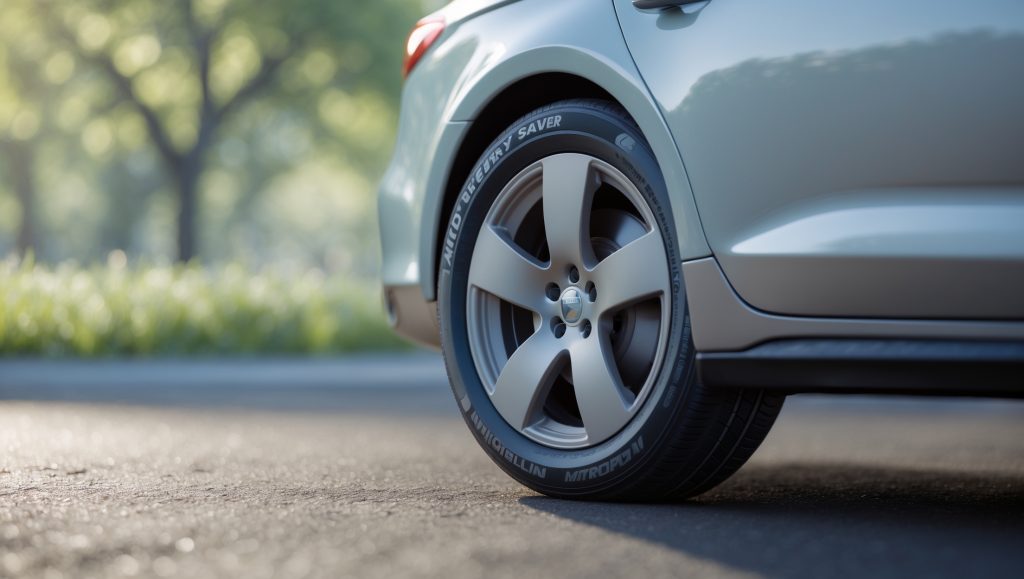
The Michelin Energy Saver A/S is a summer-focused touring tyre designed for drivers who prioritize fuel efficiency, longevity, and everyday comfort. It targets owners of family sedans, compact cars, and some crossovers, making it a popular choice for daily commuters and fleet operators in the US. The Energy Saver A/S is engineered to provide low rolling resistance, translating to real-world fuel savings without compromising safety or ride quality. It’s particularly well-suited for vehicles like the Honda Accord, Toyota Camry, Ford Fusion, and similar models commonly running sizes such as 205/55 R16 and 215/60 R16. As its name suggests, this tyre is all about maximizing efficiency during the warmer months, making it an ideal option for those looking to reduce fuel costs and carbon footprint during daily driving.
Key Specs
| Type | Summer Touring |
|---|---|
| Available Sizes Range | 14″–18″ rim diameters |
| Speed Rating Examples | T, H, V |
| Load Index Examples | 91 (615 kg), 94 (670 kg) |
| Tread Pattern | Symmetrical, low-void, circumferential grooves |
| Technology Highlights | Green X low rolling resistance compound, silica-enhanced tread, Comfort Control Technology |
Performance: Dry
On dry pavement, the Michelin Energy Saver A/S delivers a predictable and reassuring experience. The tyre’s tread design focuses on maximizing contact area and providing stable road feedback, making it easy to drive confidently in urban and highway settings. Braking distances are competitive within the efficiency-focused segment, and the tyre maintains composure during moderate cornering, though it is not aimed at spirited driving. Steering response is precise enough for daily commutes, but enthusiastic drivers may notice a softer feedback compared to ultra-high-performance tyres. Overall, the Energy Saver A/S achieves a fine balance between grip, stability, and efficiency, ideal for most everyday drivers prioritizing safety and reliability over outright performance.
Performance: Wet
Wet weather is a traditional challenge for low rolling resistance tyres, but the Energy Saver A/S stands up well in rainy conditions. The silica-enriched tread compound and wide circumferential grooves work together to channel water away and reduce the risk of hydroplaning. Wet braking and cornering are secure for a touring tyre, with progressive loss of grip that gives ample warning before sliding. While top-tier all-season or performance tyres may offer slightly shorter wet stopping distances, the Energy Saver A/S still provides confident handling and braking in typical summer rainstorms. For drivers who mainly face mild to moderate rain, it ensures a safe and predictable drive.
Performance: Snow & Ice
N/A – The Michelin Energy Saver A/S is a summer tyre and is not designed for use in snow or icy conditions. Drivers in regions with winter weather should switch to dedicated winter or all-season tyres for cold months.
Comfort & Noise
Michelin’s Comfort Control Technology is a standout feature, and it shows in the Energy Saver A/S. The ride quality is smooth and composed, effectively absorbing small bumps and rough patches commonly found on US roads. Noise levels are impressively low for a fuel-efficient tyre, with only minor tread hum noticeable at highway speeds. The symmetrical tread pattern helps minimize vibration and keeps cabin noise to a minimum—especially appreciated during long commutes or road trips. Overall, this tyre scores high on comfort, making it suitable for both city streets and extended highway travel.
Durability & Economy
Durability is a strong point of the Energy Saver A/S. Michelin is known for producing long-lasting tyres, and this model carries on that tradition with a treadwear warranty of up to 65,000 miles. Its UTQG ratings typically come in at 480 A B (may vary by size), reflecting a strong balance of wear resistance, traction, and heat tolerance. The low rolling resistance compound not only boosts mileage but also helps drivers achieve noticeable fuel savings—especially over the tyre’s lifespan. In real-world conditions, many US drivers report consistent improvements in miles per gallon (MPG) after switching to the Energy Saver A/S, making it a favorite among fuel-conscious commuters and fleet managers. While the initial purchase price is often higher than entry-level alternatives, the combination of longevity and fuel savings offers excellent long-term value.
Sizes & Alternatives
The Michelin Energy Saver A/S is available in a wide range of sizes suitable for compact and mid-size sedans, including popular options like:
- 205/55 R16 (Honda Civic, Toyota Corolla, VW Jetta)
- 215/60 R16 (Toyota Camry, Ford Fusion, Nissan Altima)
- 195/65 R15 (Honda Accord, Hyundai Elantra)
- 225/60 R16 (Chevrolet Malibu, Subaru Legacy)
Top alternatives in the summer touring and fuel-efficient category include:
- Bridgestone Ecopia EP422 Plus
- Goodyear Assurance Fuel Max
- Continental ProContact EcoPlus
- Hankook Kinergy Eco2
- Pirelli Cinturato P7
Each of these rivals brings its own strengths in rolling resistance, comfort, and price, but the Michelin stands out for its blend of real-world fuel savings and ride refinement.
Pros & Cons
Pros
- Outstanding fuel efficiency and low rolling resistance
- Long tread life with a strong warranty
- Quiet and comfortable ride quality
- Secure wet and dry performance for everyday use
- Wide range of popular sizes for US vehicles
Cons
- Not suitable for snow or icy conditions
- Higher purchase price than some economy brands
- Less sporty steering feel compared to performance tyres
- Wet grip slightly behind top all-season or performance rivals
- Limited appeal for drivers seeking maximum handling or high-speed capability
Verdict
The Michelin Energy Saver A/S is a top-tier choice for drivers who value efficiency, comfort, and long-term economy above all else in summer conditions. Designed for everyday commuters, family car owners, and fleet managers, this tyre stands out for its ability to deliver real fuel savings and a serene driving experience without sacrificing safety on dry or wet roads. It’s not intended for winter use or aggressive driving, but for most US drivers seeking to maximize MPG and minimize hassle, it’s one of the best options available. The higher upfront cost is balanced by impressive tread life and fuel savings, making it a smart investment for those focused on total cost of ownership. If you live in a region with mild to hot summers and want a tyre that will quietly and efficiently go the distance, the Energy Saver A/S deserves strong consideration.
Does the Michelin Energy Saver A/S perform well in heavy summer rain compared to other fuel-efficient tyres, considering its low-void tread design?
The Michelin Energy Saver A/S offers good wet traction for a fuel-efficient tire, but its low-void tread design prioritizes rolling resistance over water evacuation. In heavy summer rain, it may not disperse water as effectively as some competitors with more aggressive tread patterns, potentially resulting in less grip. For frequent driving in heavy rain, other tires with deeper grooves might perform better.
If I decide to purchase these in the 205/55 R16 size, how quickly can I typically expect local US shops to have them in stock during peak summer months?
During peak summer months, local US shops usually keep popular sizes like 205/55 R16 readily available, so you can often get them installed within a day or two. However, some locations might need up to a week if their inventory runs low, so it’s best to call ahead and check stock before visiting.
Does the Green X low rolling resistance compound impact the tread life at all, or does the tyre still last as long as other touring options?
The Green X low rolling resistance compound is designed to improve fuel efficiency without sacrificing tread life. Michelin engineers this compound to balance lower rolling resistance and durability, so the Energy Saver A/S typically matches or even exceeds the tread life of other touring tires. You should expect similar longevity compared to standard touring options.
What kind of maintenance or rotation schedule would you recommend to get the longest life out of these tires, given their focus on efficiency and longevity?
To maximize the lifespan and efficiency of your Michelin Energy Saver A/S tires, rotate them every 5,000 to 7,500 miles, following the pattern recommended in your vehicle’s manual. Also, keep the tires inflated to the recommended pressure, check alignment regularly, and inspect for uneven wear. These steps help ensure the tires perform well and last as long as possible.
The article mentions Comfort Control Technology—have you noticed any difference in cabin noise compared to other touring tires at highway speeds?
Yes, drivers often report that Michelin’s Comfort Control Technology actually makes a noticeable difference in reducing cabin noise, especially at highway speeds. Compared to many other touring tires, the Energy Saver A/S usually feels quieter and more refined, helping to create a more comfortable ride for longer trips.
For someone driving mostly city miles on a Toyota Camry, would the fuel savings from the low rolling resistance compound actually offset the higher upfront cost over the tyre’s life?
If you drive mostly city miles, the Michelin Energy Saver A/S should still offer some fuel savings due to its low rolling resistance, though benefits are usually greater with highway driving. Over the tire’s life, especially if you keep your Camry for several years, the fuel saved can help offset the higher upfront cost, but the total savings might be moderate in mostly stop-and-go city use.
My Honda Accord is due for new tires and I’m on a tight budget. Are these suitable for year-round use in places like North Carolina, or should I plan to swap them out for winters?
The Michelin Energy Saver A/S is designed as an all-season tire, which means it can handle year-round driving, including mild winters like those typically found in North Carolina. Unless you encounter severe ice or heavy snow, these tires should serve you well without the need for seasonal swapping.
With the focus on fuel efficiency, are there any trade-offs in terms of handling or stopping distance on wet roads with the 205/55 R16 size?
While the Michelin Energy Saver A/S in 205/55 R16 excels at fuel efficiency, some drivers may notice modest trade-offs in wet handling and stopping distance compared to more performance-oriented tires. The tire is designed primarily for low rolling resistance, so braking and grip on wet roads may not be as strong as with tires focused specifically on wet performance, though it still offers reliable everyday safety.
I see the Energy Saver A/S targets daily commuters and fleet operators. For a small business with multiple sedans, how do these tyres hold up in terms of long-term durability and replacement intervals compared to other touring tyres?
The Michelin Energy Saver A/S is well-regarded for its long tread life, often outlasting many standard touring tyres. For fleet use, this means less frequent replacements and lower long-term costs. Many users report consistent performance over high mileage, so you can expect reliable durability for your small business sedans compared to typical touring competitors.
I’m curious about real-world fuel savings—if I drive a 2017 Honda Accord mostly on city roads, what sort of MPG improvement could I expect compared to standard all-seasons?
With the Michelin Energy Saver A/S on your 2017 Honda Accord, you might see an improvement of about 2 to 4% in fuel economy compared to typical all-season tires. For most city driving, this could mean gaining roughly 1 to 2 extra miles per gallon, depending on your driving habits and conditions.
Can you clarify if the Comfort Control Technology in the Energy Saver A/S noticeably reduces road noise compared to standard touring tires on a Honda Accord?
Comfort Control Technology in the Michelin Energy Saver A/S is designed to noticeably reduce road noise compared to many standard touring tires. Drivers of vehicles like the Honda Accord often report a quieter, smoother ride, especially on highways and well-paved roads. While individual experiences can vary, you can generally expect a more comfortable and quieter cabin with these tires.
For someone driving a Toyota Camry mostly in city traffic with occasional long road trips, would these tires be better than an all-season option for summer use?
The Michelin Energy Saver A/S is itself an all-season tire, designed for good efficiency and comfort in city driving and on longer trips. For mostly city use and occasional road trips in summer, these tires would suit your Camry well, providing quiet, smooth rides and excellent fuel economy. They’re a solid choice if you don’t regularly drive in harsh winter conditions.
Is there a significant difference in ride comfort or noise levels between the 205/55 R16 and 215/60 R16 sizes for customers sensitive to road noise?
The 215/60 R16 size generally offers a slightly more comfortable ride and can help reduce road noise due to its taller sidewall compared to the 205/55 R16. If you are sensitive to noise and comfort, the 215/60 R16 might be a better choice, provided it is compatible with your vehicle.
Can you clarify if the Michelin Energy Saver A/S would maintain good performance if my drivers occasionally have to travel during a cold snap, or should I be concerned since it’s a summer-focused tyre?
The Michelin Energy Saver A/S is actually an all-season tire, not a summer-only model. It is designed to handle a range of temperatures, including cold snaps, offering good traction in light winter conditions. However, for frequent or severe winter weather, dedicated winter tires are still recommended.
Does the Michelin Energy Saver A/S work well for longer road trips, especially considering its comfort and low rolling resistance features mentioned in the article?
Yes, the Michelin Energy Saver A/S is a good choice for longer road trips. Its low rolling resistance can help improve fuel efficiency, which is great for extended drives, and the tire is designed to offer a comfortable, quiet ride, making long journeys more pleasant for passengers.
For owners of vehicles like the Honda Accord or Toyota Camry, how does the ride comfort of this tire compare to other touring options in the same size range?
The Michelin Energy Saver A/S is known for its smooth and comfortable ride, which makes it a strong choice for vehicles like the Honda Accord or Toyota Camry. Compared to other touring tires in the same size range, it generally offers less road noise and better absorption of bumps, though some alternatives may provide slightly softer cushioning. Overall, it’s a top contender for ride comfort among touring options.
Are there any tradeoffs in ride quality or noise if I select the Michelin Energy Saver A/S versus a more performance-oriented tire for my family sedan?
If you choose the Michelin Energy Saver A/S, you’ll likely notice a smoother and quieter ride compared to most performance-oriented tires. However, performance tires typically offer sharper handling and better cornering grip, which comes at the cost of increased road noise and a firmer ride. The Energy Saver A/S prioritizes comfort, fuel efficiency, and low noise, making it a great choice for family sedans.
Are there any trade-offs in wet weather handling because of the focus on low rolling resistance and efficiency?
Yes, focusing on low rolling resistance can sometimes reduce wet weather grip, since the tread compounds and patterns are optimized for fuel efficiency. However, the Michelin Energy Saver A/S is designed to balance efficiency with safety, so while it may not match the wet traction of some performance tires, it still provides solid handling in wet conditions for most everyday driving.
Is the fuel savings with these tyres significant enough to justify the price compared to other options for a Honda Accord?
The Michelin Energy Saver A/S is designed to improve fuel efficiency, and many users notice a modest gain—often around 1–3 extra miles per gallon. However, these tyres usually cost more than standard all-season options. If you drive long distances regularly, the fuel savings could add up over time. For mainly city driving, the extra cost might take longer to recoup.
If I mainly drive a Honda Accord during the hotter months, what kind of fuel savings can I realistically expect with these tyres compared to my current all-seasons?
Switching to Michelin Energy Saver A/S tyres, especially for summer driving, can improve your fuel efficiency by about 2–4% compared to standard all-season tyres. On a Honda Accord, that might mean saving one to two extra miles per gallon, depending on your driving habits and conditions.
For drivers who experience occasional cold snaps or unseasonably cool mornings in early spring or fall, would the Energy Saver A/S still be a safe choice, or does it lose effectiveness outside peak summer temperatures?
The Michelin Energy Saver A/S is an all-season tire, so it remains safe and effective during occasional cold snaps or cool mornings in early spring or fall. While its peak performance is in warmer weather, it still provides good traction in cooler temperatures, just not in severe winter conditions like snow or ice.
Could you clarify if the Comfort Control Technology affects road noise on rough US highways? I’m sensitive to cabin noise on long trips.
Yes, Michelin’s Comfort Control Technology is designed to reduce road noise by optimizing the tire’s tread pattern and structure. This means you’ll likely notice a quieter ride, even on rough US highways. Many drivers sensitive to cabin noise find this technology helpful during long trips.
For drivers who experience occasional colder days in early spring or late fall, is it risky to run the Energy Saver A/S due to its summer focus, or can it handle mild cooler temperatures safely?
The Michelin Energy Saver A/S, despite its name, is actually an all-season tire, not a pure summer tire. It’s designed to handle mild cooler temperatures safely, so occasional chilly days in early spring or late fall won’t be risky. However, it’s not meant for winter conditions or driving on snow and ice.
How well do these tires hold up in really hot summer conditions on US highways? I’m in Texas and worry about how the tread compound will handle extreme heat.
The Michelin Energy Saver A/S tires are designed to perform well in hot summer conditions, including those found on Texas highways. Their tread compound is formulated to resist excessive heat buildup, helping to maintain grip and durability even during extreme temperatures. Regularly checking tire pressure and rotation will further enhance their longevity in such climates.
With a load index example of 94 (670 kg), would these tires be suitable for older crossovers that occasionally carry heavier loads, or should I look for a tire with a higher load index?
A load index of 94 (670 kg per tire) is generally suitable for many sedans and smaller crossovers. However, if your older crossover is regularly carrying heavier loads, you may want to consider a tire with a higher load index for extra safety and durability. Always check your vehicle’s manual for the recommended load index before making a decision.
I drive a Honda Accord and usually switch to all-season tyres in the fall. How easy is it to swap these out, and are there storage precautions I should take with summer tyres?
Swapping to all-season tyres on your Honda Accord is straightforward for most tyre shops; they can handle it quickly. When storing your summer tyres, keep them in a cool, dry place away from direct sunlight or chemicals. If possible, store them upright or stacked flat, and clean them before storage to help preserve their condition.
Since the article mentions the Comfort Control Technology, does this tire help noticeably reduce road noise on rougher highways compared to standard touring tires?
Yes, the Michelin Energy Saver A/S features Comfort Control Technology, which is specifically designed to reduce road noise and vibrations. On rougher highways, you should notice a quieter and smoother ride compared to many standard touring tires, making long drives more comfortable.
For drivers in areas that get sudden heavy rain, how does the wet performance of this tire stack up against alternatives in the same price range?
The Michelin Energy Saver A/S provides decent wet traction for daily driving, but in sudden heavy rain, it may not match the grip of some similarly priced options like the Continental TrueContact Tour or Goodyear Assurance WeatherReady. Those alternatives tend to offer better hydroplaning resistance and braking on wet roads. If wet-weather safety is your main priority, you might want to consider those alternatives.
I see there’s a range of rim diameters available. For a 215/60 R16 size, would I get the same efficiency benefits or is there a difference based on tire width?
When comparing the 205/55 R16 and 215/60 R16 sizes, you’ll notice some variation in efficiency. The 215/60 R16 tire is wider, which can slightly increase rolling resistance and may lead to a small decrease in fuel efficiency compared to the narrower 205/55 R16. However, the Michelin Energy Saver A/S is designed to maximize efficiency in both sizes, so the difference is usually minor.
I see these tires come in a range of rim sizes. If my fleet uses both 205/55 R16 and 215/60 R16, is there a noticeable difference in ride comfort or mileage between those sizes?
Between 205/55 R16 and 215/60 R16, the 215/60 R16 usually offers a slightly smoother ride thanks to its taller sidewall, which can better absorb road bumps. However, the 205/55 R16 may provide slightly better fuel efficiency and sharper handling. The differences are subtle but can be noticeable depending on driving conditions and vehicle type.
Can you clarify if these tyres would be a good fit for an older Honda Accord that mostly does city driving with occasional long highway trips?
The Michelin Energy Saver A/S tyres in 205/55 R16 or 215/60 R16 could be a good option for your older Honda Accord, especially given your mix of city and occasional highway driving. They’re designed for efficiency, comfort, and low rolling resistance. Just make sure to check your Accord’s specific tyre size recommendation, usually found on the driver’s door jamb or in the owner’s manual, to ensure a proper fit.
I see that it’s not aimed at spirited drivers. If I want a bit more precise steering feedback but still care about efficiency, what other Michelin options should I consider?
If you’re after more steering precision while still valuing efficiency, consider the Michelin Primacy MXM4 or the Michelin Pilot Sport All Season 4. The Primacy MXM4 prioritizes a balance of comfort, low rolling resistance, and more responsive handling than the Energy Saver A/S. The Pilot Sport All Season 4 gives you even sharper feedback, though efficiency may drop slightly compared to the Energy Saver line.
I’m driving a Honda Accord and usually stick to all-season tyres. How much real-world fuel savings could I expect by switching to these summer-focused ones?
Switching to the Michelin Energy Saver A/S, which is designed for summer efficiency but still classified as an all-season tire, you could typically see fuel savings of about 2–4% compared to standard all-season tires. Actual results depend on your driving habits, tire maintenance, and road conditions, but many drivers notice a small yet measurable improvement in miles per gallon.
Is there a significant price difference between these sizes (205/55 R16 and 215/60 R16), and is it worth the investment for daily commuters on a tight budget?
The price difference between 205/55 R16 and 215/60 R16 Michelin Energy Saver A/S tires is usually modest, with the 215/60 R16 sometimes costing a bit more due to its larger size. For most daily commuters on a tight budget, the 205/55 R16 offers excellent efficiency and comfort, making it a cost-effective choice unless your vehicle specifically requires the larger size.
Can these tires handle an occasional long road trip at higher speeds, or are they really just designed for daily commuting?
The Michelin Energy Saver A/S tires are definitely suitable for occasional long road trips at higher speeds, not just daily commuting. They’re designed to provide good fuel efficiency, comfort, and reliable performance on highways as well. Just be sure to stay within the tire’s speed rating and keep them properly inflated for the best experience.
Does the Green X compound in the Michelin Energy Saver A/S require any special maintenance, or does it impact how often you need to rotate the tyres?
The Green X compound in the Michelin Energy Saver A/S does not require any special maintenance beyond standard tire care. It also doesn’t change how often you should rotate the tires—just follow the usual rotation schedule recommended by your vehicle manufacturer, typically every 5,000 to 8,000 miles.
Is there any noticeable difference in comfort or road noise between the 205/55 R16 and 215/60 R16 sizes for this tire on commuter vehicles like the Honda Accord or Toyota Camry?
Yes, there can be a slight difference. The 215/60 R16 size typically offers a bit more comfort due to the taller sidewall, which helps absorb bumps better. You might also notice slightly less road noise. However, the difference isn’t dramatic, and both sizes are engineered for a quiet, comfortable ride on commuter vehicles.
Do these tires require any special maintenance to keep their low rolling resistance benefits over the long term, or is standard tire care enough?
Standard tire care is enough to maintain the low rolling resistance benefits of the Michelin Energy Saver A/S. Just keep them properly inflated, rotate them regularly according to your vehicle’s schedule, and check alignment and tread wear. No special maintenance is required beyond these usual good practices.
Could you clarify how the Green X low rolling resistance compound impacts tread life? I’m interested in tyres that offer both efficiency and durability for high-mileage daily drivers.
The Green X low rolling resistance compound is designed to reduce energy loss as the tyre rolls, which helps improve fuel efficiency. Importantly, it doesn’t sacrifice tread life—Michelin engineers balance the compound to resist premature wear. For high-mileage daily drivers, this compound means you can expect both strong fuel economy and durable tread life, making it a suitable option for your needs.
If I drive mostly in warmer southern states but plan rare fall road trips up north, would the summer focus of these tires be a limitation, or could they handle some cooler, wet conditions safely?
The Michelin Energy Saver A/S is designed for summer and warm-weather performance but can handle occasional cooler, wet conditions reasonably well. Just be cautious if you encounter temperatures consistently near freezing or snow, as these tires are not meant for winter weather. For your described use, they should be a safe and comfortable choice.
You mentioned Green X low rolling resistance technology; does that noticeably affect road noise or ride comfort compared to regular touring tires?
Green X low rolling resistance technology in the Michelin Energy Saver A/S is designed to improve fuel efficiency without sacrificing comfort. Most drivers report that these tires provide a quiet, smooth ride similar to or better than many standard touring tires. So, road noise stays low and ride comfort remains high, even with the added fuel savings.
Does the Green X low rolling resistance compound in the Energy Saver A/S noticeably improve real-world MPG compared to more traditional all-season tires on something like a Honda Accord?
The Green X low rolling resistance compound in the Energy Saver A/S is specifically designed to reduce energy loss as the tire rolls, which can lead to improved fuel economy. On a vehicle like a Honda Accord, many drivers report seeing a modest but noticeable increase in real-world MPG compared to standard all-season tires, often around 1–2 extra miles per gallon, depending on driving habits and conditions.
Are there any noticeable differences in ride comfort or noise when switching from standard all-season tyres to the Michelin Energy Saver A/S on a Honda Accord?
Switching to the Michelin Energy Saver A/S on your Honda Accord, you can expect a quieter, smoother ride compared to many standard all-season tyres. These tyres are designed with a focus on low rolling resistance and comfort, which generally leads to less road noise and a more comfortable driving experience, especially on highways and well-paved roads.
If I mostly drive a Honda Accord on highways, would this tire make a noticeable difference in gas mileage versus something like the Michelin Primacy?
The Michelin Energy Saver A/S is designed to enhance fuel efficiency compared to general all-season tires, including the Primacy line. On mostly highway driving in your Honda Accord, you might see a small but noticeable improvement in gas mileage—often around 1–2 extra miles per gallon—due to its low rolling resistance design.
Since these tires come in a range of rim sizes, would the performance or road comfort noticeably change between the 205/55 R16 and the 215/60 R16 versions?
Yes, there will be some noticeable differences. The 215/60 R16 tire is slightly wider and has a taller sidewall than the 205/55 R16. This usually means a softer, more comfortable ride and possibly better absorption of road bumps. The 205/55 R16, being narrower and with a lower profile, will likely offer more responsive handling and slightly better fuel efficiency.
If my daily commute involves a mix of city and highway driving, would the 205/55 R16 or the 215/60 R16 size offer better fuel savings?
The 205/55 R16 size generally offers better fuel savings compared to the 215/60 R16. The narrower tread of the 205/55 R16 reduces rolling resistance, which helps improve fuel efficiency, especially during city and highway driving. If maximizing fuel economy is your priority, the 205/55 R16 would be the better choice.
I see that the tyre is recommended for vehicles like the Honda Accord and Toyota Camry. Would it work just as well on a compact crossover like the Subaru Crosstrek in terms of ride comfort and fuel savings?
The Michelin Energy Saver A/S can be a good option for a Subaru Crosstrek if the tire size matches your vehicle’s requirements, offering solid ride comfort and fuel efficiency. However, keep in mind that the Crosstrek may need tires suited for light SUV or crossover use, so it’s a good idea to double-check your owner’s manual or consult a tire professional before switching.
My Honda Accord needs new tires, but I’m also on a tight budget. Are these worth the higher upfront cost in terms of long-term value?
The Michelin Energy Saver A/S tires typically offer longer tread life and improved fuel efficiency compared to many budget options. While the upfront cost is higher, you may save money over time due to fewer replacements and possible fuel savings, making them a worthwhile investment if long-term value is your priority.
Are these tires typically more expensive than other summer touring options, and if so, does the fuel savings really make up for the higher initial cost in the long run?
Michelin Energy Saver A/S tires are often priced a bit higher than many other summer touring tires. However, they’re designed for better fuel efficiency, so over time, you could save money at the gas pump. How much you save depends on your driving habits and mileage, but for drivers who rack up lots of miles, the fuel savings can help offset the higher upfront cost.
Is the Energy Saver A/S generally competitively priced compared to other efficiency-focused summer tires in these size ranges, or should I expect to pay a premium for the Michelin brand?
You’ll likely notice the Michelin Energy Saver A/S costs a bit more than some competing efficiency-focused summer tires in the 205/55 R16 and 215/60 R16 sizes. Michelin is known for quality and longevity, which usually means a premium price, but many drivers find the extra expense worthwhile for the performance and comfort it offers.
Since these are summer-focused, are there any issues running the 205/55 R16 size in regions with occasional spring or autumn cold snaps?
The Michelin Energy Saver A/S is optimized for warmer temperatures, so its performance may decrease in cold snaps, especially below 45°F (7°C). In occasional cooler weather, expect reduced grip and longer braking distances, but it should be safe for light, short-term use. For frequent cold or icy conditions, consider switching to all-season or winter tires.
For drivers on a budget, how does the expected lifespan of the Energy Saver A/S compare to less expensive options in similar sizes?
The Michelin Energy Saver A/S generally offers a longer tread life than many less expensive tires in similar sizes. While initial costs are higher, its durability can mean fewer replacements over time, potentially saving money in the long run compared to budget alternatives that may wear out faster.
Is there a noticeable difference in ride comfort or road noise between the 205/55 R16 and 215/60 R16 sizes of this tire?
Yes, there can be a noticeable difference. The 215/60 R16 tire has a taller sidewall compared to the 205/55 R16, which typically results in a more comfortable ride by absorbing bumps better. It may also be slightly quieter, but this can depend on your vehicle and road conditions. Both sizes, however, offer the Michelin Energy Saver A/S’s overall quiet and comfortable performance.
For drivers in regions that experience occasional heavy summer downpours, would the symmetrical, low-void tread of the Energy Saver A/S provide enough wet grip or would something with more aggressive grooves be safer?
The Energy Saver A/S offers decent wet grip for moderate rain, but its symmetrical, low-void tread is optimized mainly for efficiency and comfort. In areas with frequent heavy summer downpours, a tire with more aggressive grooves or higher void ratios would channel water better and reduce hydroplaning risk, providing extra safety.
Are there any noticeable differences in ride quality or grip between the 205/55 R16 and 215/60 R16 sizes for this tire?
Yes, there are some differences. The 215/60 R16 size typically offers a slightly softer ride thanks to its taller sidewall, which can absorb bumps better. On the other hand, the 205/55 R16, being lower profile, may provide more responsive handling and a bit more grip during cornering. Both perform well overall, but your choice depends on whether you prefer comfort or sportier handling.
Are there any significant differences in performance or ride comfort between the 205/55 R16 and 215/60 R16 sizes for a family sedan?
Yes, there are some differences. The 205/55 R16 is narrower and has a lower profile, often providing slightly crisper handling and a firmer ride. The 215/60 R16 is wider and taller, which can improve ride comfort and absorb bumps better, but may feel a bit less sporty. Both offer good efficiency and comfort overall.
I’m interested in the efficiency benefits, but how does the Energy Saver A/S hold up in terms of treadwear when used mostly for highway commuting in hotter southern states?
The Michelin Energy Saver A/S is designed for longer tread life, especially with steady highway driving. In hotter southern climates, it generally maintains good treadwear, thanks to its durable rubber compounds. However, very high temperatures can accelerate wear over time, so keeping your tires properly inflated and rotating them regularly will help maximize their lifespan.
I’m interested in daily commuting in areas with lots of rain—how does this tyre perform in wet conditions compared to an all-season alternative?
The Michelin Energy Saver A/S is designed to handle wet conditions better than many standard summer tyres, offering solid grip and braking on wet roads. However, a true all-season tyre will generally offer superior wet traction and hydroplaning resistance, especially in heavy rain. For frequent rainy commutes, an all-season tyre might provide extra peace of mind.
Are there any noticeable differences in comfort or efficiency between the 205/55 R16 and 215/60 R16 sizes for drivers of midsize sedans?
Yes, there are some differences. The 215/60 R16 tire is slightly wider and taller than the 205/55 R16. This usually gives a softer, more comfortable ride due to more sidewall flex and better pothole absorption. However, the narrower 205/55 R16 may offer a slight edge in fuel efficiency thanks to reduced rolling resistance. Both sizes perform well, but comfort and efficiency may vary a bit depending on your specific priorities.
With a speed rating like V available for these tyres, would you recommend them for occasional longer road trips with a packed car, or should I look at something with a higher performance focus?
The Michelin Energy Saver A/S with a V speed rating is quite suitable for occasional longer trips, even with a fully loaded car, as long as you stay within the tire’s load and speed limits. However, if you prioritize sporty handling or frequently drive at higher speeds, you might prefer a performance-oriented tire. For comfort and fuel efficiency on typical road trips, these should work well.
I’m considering these for my Honda Accord. Are there any potential drawbacks to using a summer touring tyre like this versus a more performance-oriented model when it comes to tread life and comfort?
Using a summer touring tyre like the Michelin Energy Saver A/S will generally give you better tread life and a smoother, more comfortable ride compared to performance-oriented tyres. However, performance models often provide better grip and handling at higher speeds or aggressive driving. If your main focus is comfort and longevity, the touring tyre is a solid choice.
Can you clarify what the Green X compound actually means for real-world durability? I’m hoping for a tire that lasts several years in daily driving conditions.
The Green X compound in Michelin Energy Saver A/S tires is designed to reduce rolling resistance, which helps improve fuel efficiency. In terms of durability, this compound also promotes even tread wear, allowing the tires to last longer under typical daily driving. Many users report several years of use with proper maintenance, so it should meet your expectations for longevity.
How does the fuel economy improvement from these tyres stack up in real life? Is the savings noticeable when switching from a typical touring all-season on a Honda Accord?
Drivers often see a modest but real improvement in fuel economy after switching to Michelin Energy Saver A/S tires, especially compared to regular touring all-seasons. On a Honda Accord, you might notice a 1–3 mpg gain under similar driving conditions. While it’s not dramatic, over thousands of miles, the savings do add up and can be noticeable at the pump.
Are there any noticeable differences in ride comfort or noise between the 205/55 R16 and 215/60 R16 sizes for this tire on a Toyota Camry?
The 215/60 R16 size typically offers a slightly softer ride and may better absorb bumps due to its taller sidewall compared to the 205/55 R16. You might also notice a bit less road noise with the 215/60 R16, but the difference is usually modest. Both sizes should be comfortable, but the 215/60 R16 leans a bit more toward comfort and quietness.
For someone who drives in areas where sudden summer rainstorms are common, how does the wet grip of the Energy Saver A/S hold up compared to performance tires?
The Energy Saver A/S is designed primarily for fuel efficiency and comfort, so its wet grip is good for a touring tire but not as strong as dedicated performance tires. In heavy or sudden rain, performance tires generally offer superior wet traction and handling. The Energy Saver A/S will keep you safe in normal wet conditions, but if maximum wet grip is your priority, performance tires are a better choice.
Is the softer steering feel of the Energy Saver A/S really noticeable in day-to-day driving, or is it only something you’d pick up on during more aggressive cornering?
Most drivers notice the softer steering feel of the Energy Saver A/S even during regular daily driving, especially if you’re used to tires with a firmer, sportier response. It’s not just noticeable in aggressive cornering—the steering tends to feel lighter and less direct overall, which contributes to comfort but can be apparent in routine city or highway use.
For someone mainly after fuel savings, how would the Energy Saver A/S compare to something like the Primacy MXV4 or other Michelin touring options?
If fuel savings are your top priority, the Energy Saver A/S generally outperforms the Primacy MXV4 and other Michelin touring tires in rolling resistance, which means better mileage. While the Primacy MXV4 may offer a smoother, quieter ride and a bit more grip, the Energy Saver A/S is specifically designed for superior fuel efficiency.
For someone who occasionally drives in cooler spring or early fall temperatures, would the Energy Saver A/S still be a safe option or should I consider an all-season tire instead?
The Michelin Energy Saver A/S is actually an all-season tire, so it’s designed to handle a range of temperatures, including cooler spring and fall days. Unless you frequently encounter snow or icy conditions, these tires should remain safe and effective for your needs.
Are there significant differences in longevity or tread wear between the 205/55 R16 and 215/60 R16 sizes mentioned, especially for daily highway driving?
Both the 205/55 R16 and 215/60 R16 sizes of the Michelin Energy Saver A/S are engineered for durability and long tread life, especially in highway conditions. There aren’t significant differences in longevity or tread wear between these two sizes under normal daily highway driving, but actual results can vary based on vehicle type, maintenance, and driving habits.
Are there any trade-offs in ride comfort with the Green X low rolling resistance compound, or does it still offer a smooth drive for family trips?
The Green X low rolling resistance compound is designed to enhance fuel efficiency while still maintaining a smooth and comfortable ride. Most drivers report that the Michelin Energy Saver A/S provides a quiet and pleasant driving experience, making it well-suited for family trips without significant trade-offs in comfort.
Does the Green X low rolling resistance compound affect tread longevity, or should I expect shorter tread life compared to regular touring tires?
The Green X low rolling resistance compound in the Michelin Energy Saver A/S is designed to improve fuel efficiency without significantly sacrificing tread life. You can generally expect tread longevity similar to many regular touring tires, as Michelin balances efficiency with durability in this model.
If I mostly drive in the city year-round, would I need to swap these summer-focused tires out for something else during mild US winters, or are they sufficient?
If your winters are mild with minimal snow or ice, the Michelin Energy Saver A/S tires should be adequate for year-round city driving. However, if you occasionally face icy roads or heavier snowfall, you might want to consider all-season or winter tires for added safety.
For a small business car fleet, is there a recommended maintenance schedule to maximize the longevity and efficiency benefits of these summer touring tires?
To get the most out of your Michelin Energy Saver A/S tires, check tire pressure monthly, rotate tires every 6,000–8,000 miles, and ensure wheel alignment is checked at least once a year or if you notice uneven wear. Regularly inspect for damage or debris, and keep records for each vehicle in your fleet.
Does the Green X technology in this tire require any special maintenance, or can it be rotated and cared for like regular tires?
Green X technology in the Michelin Energy Saver A/S doesn’t require any special maintenance. You can rotate, balance, and care for these tires just like regular tires. Just follow the usual tire maintenance schedule recommended by your vehicle and tire manufacturer for best performance and longevity.
Are these tires a good fit for occasional light highway road trips, or would you suggest a different Michelin model for better high-speed stability?
The Michelin Energy Saver A/S tires are well-suited for occasional light highway trips, offering good comfort and low rolling resistance. However, if high-speed stability is a top priority for you, the Michelin Primacy MXM4 or Pilot Sport All Season 4 could provide more confidence and sportier handling at higher speeds.
Can you share how these tyres perform on longer road trips, especially in terms of ride comfort and noise for family sedans?
On longer road trips, the Michelin Energy Saver A/S tyres are known for providing a smooth and quiet ride, making them well-suited for family sedans. Drivers often report reduced road noise and good comfort, even on highways, which helps keep passengers relaxed during extended journeys.
Since this tire is summer-focused, would it be risky to drive it during a sudden cold snap or light snowfall before I can switch to winter tires?
Driving the Michelin Energy Saver A/S during a sudden cold snap or light snowfall isn’t ideal. While it handles mild cold better than a pure summer tire, its traction and braking performance drop noticeably in freezing temperatures or snow. If possible, minimize driving in those conditions until you can switch to proper winter tires for safety.
Are these tires worth the investment if my main goal is to lower fuel consumption, or should I consider other options for a tighter budget?
The Michelin Energy Saver A/S tires are designed to improve fuel efficiency, so they can help lower your fuel consumption. However, they are priced higher than some budget options. If cutting costs is your main goal, you might find other fuel-efficient tires at a lower price, but you may have to compromise slightly on longevity or comfort.
I see the tyre comes in both 205/55 R16 and 215/60 R16 sizes. How should I choose the right size for my car if it can take either one?
To choose between 205/55 R16 and 215/60 R16, check your vehicle’s manual or the sticker inside the driver’s door to see which size is recommended. Using the manufacturer’s suggested size helps maintain accurate speedometer readings, proper handling, and safety. If both are listed, consider that 215/60 R16 offers a slightly taller, wider profile for a softer ride, while 205/55 R16 may offer crisper handling.
Is the Comfort Control Technology noticeable on rough urban streets, or is the ride quality improvement more subtle for daily commuting?
Comfort Control Technology is particularly effective at reducing road noise and smoothing out bumps, so you should notice a quieter and more comfortable ride even on rough urban streets. While the improvement might feel more subtle during short daily commutes, over longer drives or uneven surfaces, the difference tends to become more noticeable compared to standard tires.
Does the Green X compound used in these tires have any impact on tread life for those of us who regularly drive on rougher urban roads?
The Green X compound in Michelin Energy Saver A/S tires is designed to enhance fuel efficiency without sacrificing tread life. On rough urban roads, you should still expect good durability, but very harsh surfaces may cause slightly faster wear compared to smoother roads. Still, the compound is engineered for a balance between longevity and performance.
If these are mainly summer tyres, what would happen if I accidentally used them in a surprise early fall cold snap or light frost?
If you use Michelin Energy Saver A/S tyres in a surprise early fall cold snap or light frost, you may notice reduced grip and longer braking distances, especially if temperatures drop near or below freezing. For occasional, mild cold snaps, driving with extra caution can help, but for frequent cold or icy conditions, switching to all-season or winter tyres is safer.
Can the Energy Saver A/S handle occasional heavy rain, or is it best to stick to dry conditions with these?
The Michelin Energy Saver A/S is designed primarily for dry conditions and fuel efficiency, but it does offer good wet traction for occasional heavy rain. While it’s not a specialist rain tire, it should perform safely in typical wet weather, though cautious driving is always recommended in heavy rain.
For fleet vehicles that operate mostly in city traffic, would the low rolling resistance of this tyre really translate to significant cost savings over time?
Low rolling resistance tyres like the Michelin Energy Saver A/S can help reduce fuel consumption, especially in city traffic where stop-and-go driving is common. Over time, even modest improvements in fuel efficiency can add up for fleet vehicles, potentially leading to noticeable cost savings, particularly if your fleet covers a high annual mileage.
Is the comfort control technology in this tire just about noise reduction, or does it help with ride quality on rough city streets too?
The Comfort Control Technology in the Michelin Energy Saver A/S addresses both noise reduction and ride quality. It helps minimize road noise for a quieter ride, but it also improves how the tire absorbs bumps and uneven surfaces, making drives on rough city streets smoother and more comfortable.
If I drive a Honda Accord in an area with sudden summer storms, does the Energy Saver A/S still provide safe wet traction, or should I consider a different tyre?
The Michelin Energy Saver A/S offers decent wet traction for everyday driving, but it is mainly optimized for fuel efficiency and comfort. If you often encounter sudden heavy rain or wet roads, you might want to consider a tire with a stronger focus on wet grip, such as the Michelin Defender or Primacy series, for added peace of mind.
Does the Energy Saver A/S perform noticeably quieter or smoother on highways compared to other summer touring tires in the same size, like 205/55 R16?
The Michelin Energy Saver A/S is well-regarded for its quiet and smooth ride, especially on highways. Compared to many other summer touring tires in the 205/55 R16 size, users often experience less road noise and a more comfortable drive. However, exact performance can vary depending on the specific competitor tire, vehicle, and road conditions.
Are there any significant differences in performance or comfort between the 205/55 R16 and 215/60 R16 sizes for the same car model?
There are some notable differences between these sizes. The 215/60 R16 is slightly wider and has a taller sidewall, which can offer a smoother ride and better comfort. The 205/55 R16, being narrower and lower-profile, may provide more responsive handling and slightly better fuel efficiency. Make sure the chosen size is approved for your vehicle.
The article mentions Comfort Control Technology—can you elaborate on how effective this is at reducing road noise for daily commuters?
Comfort Control Technology in the Michelin Energy Saver A/S tire uses precision manufacturing and optimized tread design to help reduce vibrations and road noise. For daily commuters, this generally means a noticeably quieter and smoother ride, especially on highways and city streets, making long drives more comfortable and less tiring.
For drivers in regions with occasional heavy rain during summer, would you recommend this tyre based on its wet performance, or should another model be considered?
The Michelin Energy Saver A/S provides reliable wet traction for most summer conditions, but it is primarily designed for fuel efficiency and comfort. If you frequently drive in heavy rain and prioritize wet grip and hydroplaning resistance, you might want to look at tyres specifically designed for enhanced wet performance, such as Michelin’s Primacy or Pilot ranges.
Does the Michelin Energy Saver A/S handle occasional heavy summer rain well, or should I look at a different tire for better wet traction in the 205/55 R16 size?
The Michelin Energy Saver A/S performs safely in occasional summer rain, offering decent wet traction for everyday driving in the 205/55 R16 size. However, if you often drive in heavy rain or want the best possible wet grip, you might want to consider a tire that prioritizes wet traction, as the Energy Saver A/S focuses more on fuel efficiency and comfort.
Is there any significant difference in fuel savings between the 205/55 R16 and 215/60 R16 sizes of this tire?
The 205/55 R16 tire is slightly narrower than the 215/60 R16, which can lead to marginally better fuel efficiency due to reduced rolling resistance. However, the difference in fuel savings between these two sizes is usually minor. Other factors like driving habits and vehicle type will have a bigger impact on overall fuel economy.
Do these tires require any special maintenance to keep their low rolling resistance benefits, or is regular rotation and pressure checks enough for optimal efficiency?
Regular rotation and maintaining the correct tire pressure are the key steps to preserve the low rolling resistance benefits of the Michelin Energy Saver A/S. There’s no special maintenance required beyond what you’d do for any quality tire—just follow your vehicle’s rotation schedule and check tire pressure often for the best efficiency.
For someone driving mostly in hot climates but occasionally hitting unexpected rain, how does the wet grip of the Energy Saver A/S hold up compared to a traditional summer tire?
The Michelin Energy Saver A/S has decent wet grip for an all-season tire, but it’s not as strong as a high-performance summer tire designed specifically for wet conditions. While it handles occasional rain reasonably well, traditional summer tires generally offer better wet traction, especially during heavy downpours or at higher speeds.
If I mostly drive on highways and put a lot of miles on my car every year, about how long can I expect these tires to last compared to other Michelin options?
The Michelin Energy Saver A/S is designed for long tread life and high-mileage drivers. You can typically expect around 50,000 to 65,000 miles, depending on your driving habits and maintenance. While similar to other Michelin all-season options like the Defender T+H, the Energy Saver A/S often offers slightly better fuel efficiency but may have a comparable or slightly shorter tread life.
With the Green X low rolling resistance compound, does the ride feel firmer or noisier than other Michelin touring tires, or is comfort still a strong point?
The Green X low rolling resistance compound in the Energy Saver A/S is designed to boost fuel efficiency, but Michelin still prioritizes ride comfort. Most drivers find the ride remains smooth and quiet, comparable to other Michelin touring tires. So, comfort is still a strong point and you shouldn’t notice extra firmness or noise in everyday use.
For drivers in mild climates where summer temperatures can still bring occasional rain, how does the Energy Saver A/S compare to an all-season alternative in terms of wet grip and safety?
The Energy Saver A/S performs well in mild climates, offering good wet grip for a summer tire. However, compared to most all-season alternatives, it may have slightly less traction and shorter stopping distances in heavy rain since it’s optimized for dry efficiency. For drivers who frequently encounter wet roads, an all-season tire could offer a bit more confidence and safety in those conditions.
For someone mostly commuting on highways, does the Comfort Control Technology make a noticeable difference in ride comfort and noise, or is it more beneficial in city driving?
Comfort Control Technology in the Michelin Energy Saver A/S is designed to reduce road noise and absorb vibrations, which is beneficial for both highway and city driving. However, you’ll likely notice the quietness and smoother ride especially during long highway commutes, where constant speed amplifies tire noise and small vibrations. So yes, it does make a noticeable difference for highway drivers.
Is it possible to safely use these tires into the early fall, or does performance drop significantly once temperatures start to dip in the US?
You can safely use Michelin Energy Saver A/S tires into early fall. Their tread compound and design handle cooler temperatures found in the early autumn months without a significant drop in performance. However, as temperatures approach freezing or you expect snow, it’s recommended to switch to dedicated winter tires for optimal safety.
Are there any significant differences in comfort or performance between the T, H, and V speed-rated versions of this tyre?
The main difference between T, H, and V speed-rated versions of the Michelin Energy Saver A/S lies in their maximum speed capability and slight variations in handling. V-rated tyres are generally made with stiffer materials for better high-speed performance, which can result in a firmer ride compared to T or H versions. For most everyday driving, comfort and basic performance differences are minimal.
What kind of maintenance or rotation schedule would you recommend to maximize the longevity and efficiency benefits mentioned for these tires?
To get the most out of your Michelin Energy Saver A/S tires, rotate them every 6,000 to 8,000 miles, or as recommended by your vehicle manufacturer. Regularly check tire pressure monthly and keep it at the level specified in your owner’s manual. Also, ensure wheel alignment and balance are checked periodically to promote even wear.
For someone who commutes daily on highways, is there a real-world fuel savings difference between the 205/55 R16 and 215/60 R16 versions of this tire?
The 205/55 R16 tire is slightly narrower and has a smaller diameter compared to the 215/60 R16. In real-world highway commuting, the 205/55 R16 may offer a modest improvement in fuel efficiency due to reduced rolling resistance. However, the difference is typically small—often less than 1 mpg—so either option will provide good efficiency, but the 205/55 R16 could deliver a slight edge.
Are there significant differences in fuel savings between the 205/55 R16 and 215/60 R16 sizes, or should the impact be roughly the same on a midsize sedan?
The fuel savings between the 205/55 R16 and 215/60 R16 sizes will be similar, but the 205/55 R16 may offer a slight advantage due to its narrower width and lower rolling resistance. However, the difference is usually minor on a midsize sedan, so either size should provide good efficiency as long as both are properly inflated.