
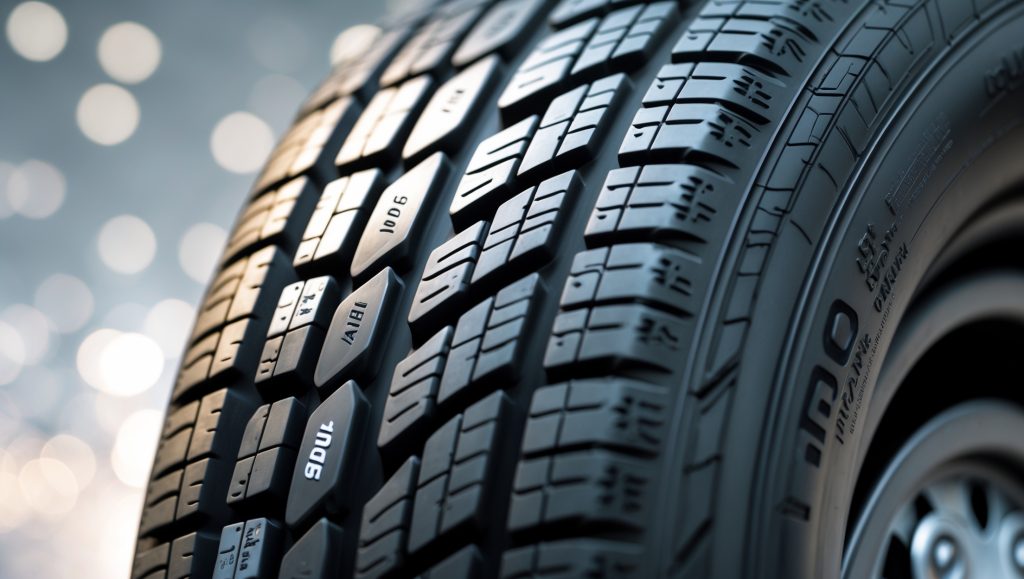
Introduction
If you’ve shopped for tyres in the US, you’ve likely noticed mysterious codes on the sidewall—such as 500 A A or 700 B B. These are part of the Uniform Tire Quality Grading (UTQG) system. Mandated by the National Highway Traffic Safety Administration (NHTSA), UTQG ratings offer comparative information on treadwear, traction, and temperature resistance. Understanding how to read and interpret these ratings can help drivers and fleet managers make more informed, cost-effective, and safe tyre choices. This guide breaks down what each rating means, how they’re determined, and how to use them when comparing tyres.
Understanding the UTQG System
What Is UTQG?
The Uniform Tire Quality Grading (UTQG) system is a federal requirement for most passenger car tyres sold in the US. It provides standardized information on three aspects:
- Treadwear: How long the tyre might last compared to a reference.
- Traction: The tyre’s ability to stop on wet pavement.
- Temperature: How well the tyre resists heat buildup at speed.
Where to Find UTQG Ratings
UTQG ratings are molded into the tyre’s sidewall, typically following the format: treadwear traction temperature (for example, 600 A A).
Who Sets the Ratings?
Manufacturers conduct their own UTQG tests according to federal guidelines. While government oversight exists, results are not independently verified by NHTSA. This means ratings are comparative within a brand, but not always between brands.
Treadwear Ratings: What the Numbers Mean
How Treadwear Is Tested
Treadwear is graded by running tyres in controlled test conditions alongside a reference tyre rated “100.” If a tested tyre lasts twice as long as the reference, it receives a rating of “200.” Ratings typically range from 100 to 800 or higher, with higher numbers indicating longer expected life.
Real-World Use vs. Test Results
Actual tyre life depends on driving style, road conditions, climate, and maintenance. UTQG treadwear ratings are best used as a general comparison tool within a manufacturer’s lineup, not as an absolute mileage guarantee.
Practical Examples
- Touring tyres: Often have ratings of 500–800, designed for long life and daily driving.
- High-performance tyres: May have ratings as low as 200–300, prioritizing grip over longevity.
Traction Ratings: Understanding Wet Grip
Traction Grades Explained
Traction is graded as AA, A, B, or C, based on a tyre’s ability to stop on wet asphalt and concrete. “AA” represents the highest level of wet grip, while “C” is the minimum legal standard for sale in the US.
What Traction Affects
Traction grades only assess straight-line wet braking—not dry grip, cornering, or hydroplaning resistance. For drivers in rainy climates, a higher traction grade can offer increased confidence and shorter stopping distances.
Edge Cases
- Performance tyres: Often achieve AA or A due to softer compounds.
- All-season tyres: Typically receive A or B, balancing longevity and grip.
- Winter tyres: Usually exempt from UTQG; look for the three-peak mountain snowflake symbol instead.
Temperature Ratings: Resistance to Heat
The Role of Temperature Grades
Temperature grades (A, B, or C) indicate a tyre’s ability to dissipate heat at high speeds. “A” is the highest, suitable for sustained highway speeds; “C” meets the minimum federal standard.
Why Temperature Matters
Excess heat can cause tread separation or blowouts. For drivers in hot climates or those who drive at higher sustained speeds (such as on interstates), a higher temperature rating is important for safety and tyre longevity.
Fleet Considerations
Fleet vehicles that regularly carry heavy loads or travel long distances should prioritize higher temperature grades to reduce the risk of heat-related tyre failures.
Limitations and Practical Use of UTQG Ratings
Comparing Within vs. Across Brands
Because manufacturers conduct their own UTQG tests, treadwear numbers are most meaningful when comparing within a single brand. Comparing a 600-rated tyre from one brand to a 600 from another may not yield apples-to-apples results.
Tyres Exempt from UTQG
- Winter tyres
- Light truck tyres (LT-metric)
- Temporary spares
- Some specialty and off-road tyres
For these, look for purpose-specific markings or seek manufacturer guidance.
What UTQG Doesn’t Tell You
- Dry grip and handling
- Snow/ice traction
- Noise or ride comfort
- Hydroplaning resistance
Combine UTQG information with professional reviews, independent tests, and user feedback for a complete picture.
Common Mistakes
- Assuming a high treadwear number always means longer real-world life regardless of usage.
- Comparing treadwear ratings between different brands as if they are directly equivalent.
- Confusing traction ratings with performance in dry or snowy conditions.
- Overlooking temperature grades when selecting tyres for high-speed or heavy-load applications.
- Relying solely on UTQG to choose tyres, ignoring factors like comfort, noise, or specific weather needs.
- Expecting winter or light truck tyres to have UTQG ratings.
Quick Checklist
- Check the UTQG code on the tyre sidewall: treadwear, traction, temperature.
- Use treadwear ratings to compare tyre life within the same brand.
- For wet climates, prioritize traction grades of A or AA.
- For high-speed or heavy loads, select tyres with temperature grade A.
- Remember: UTQG does not cover winter performance, comfort, or noise.
- Review professional tests and user feedback for a full assessment.
- Double-check if your tyre (e.g. winter, LT) is exempt from UTQG.
FAQ
- What does a treadwear rating of 600 mean?
- It means the tyre is expected to last six times as long as the baseline reference tyre in controlled tests. Actual mileage may vary based on usage.
- Is a tyre with a higher traction grade always safer?
- A higher traction grade (AA or A) indicates better wet braking, but does not guarantee superior dry grip, snow traction, or handling.
- Are UTQG ratings comparable between brands?
- Not precisely. Manufacturers set their own ratings, so use them for comparisons within the same brand, not between brands.
- Why don’t all tyres have UTQG ratings?
- Winter tyres, LT-metric light truck tyres, and temporary spares are exempt from UTQG requirements due to their specialized roles.
- Does a higher temperature grade matter for city drivers?
- It’s most relevant for sustained high-speed driving or heavy loads. For typical city use, a B or A grade will generally suffice.
- Should I buy tyres based only on UTQG?
- No. UTQG is just one aspect. Also consider ride comfort, noise, price, warranty, and performance in relevant conditions.
- How do I find the UTQG ratings on my tyres?
- Look for a three-part code (e.g., 500 A A) molded into the tyre’s sidewall, typically near the brand and model name.
- What if I need winter traction?
- Choose winter tyres with the three-peak mountain snowflake symbol. UTQG does not apply to these tyres.
Conclusion
UTQG ratings offer valuable, standardized insights into treadwear, wet traction, and temperature resistance for most passenger car tyres in the US. While they are a useful starting point—especially when comparing options within a single brand—they’re not a complete guide to tyre performance or suitability. To make the best choice for your vehicle and driving needs, use UTQG information alongside professional tyre reviews, independent tests, and real-world feedback. Always consider your local climate, driving habits, and performance priorities before buying. For specialized needs like winter or off-road driving, seek products designed specifically for those conditions. Confident tyre choices start with understanding—and using—all the information available.
Is there a typical range of treadwear numbers that most daily drivers should look for, or does it depend more on driving conditions and habits?
Most daily drivers find treadwear ratings between 300 and 500 suitable for a good balance of longevity and performance. However, your ideal range can shift depending on your driving habits and local conditions. If you drive aggressively or in harsh climates, look for higher numbers for longer life or lower numbers for enhanced grip.
Could you clarify how useful UTQG treadwear numbers really are when comparing different tyre brands, since the ratings aren’t independently verified?
UTQG treadwear numbers can be helpful for general comparison within the same brand, since each brand tests its own tyres. However, because there’s no independent verification and testing methods can vary among manufacturers, the numbers may not be consistent across different brands. Use them as a rough guide, but consider reviews and real-world performance too.
If I mostly drive in a hot climate, does the temperature rating become more important than traction or treadwear? How should I prioritize these ratings?
In a hot climate, the temperature rating is indeed very important since it shows how well a tyre resists heat buildup at high speeds. However, don’t ignore traction and treadwear. Ideally, choose a tyre with an ‘A’ temperature rating for heat resistance, but also balance it with good traction for safety and treadwear for longevity.
You mention that manufacturers test their own tires under federal guidelines. Is there any way for consumers to verify or cross-check these UTQG ratings for accuracy?
UTQG ratings are assigned by manufacturers following federal testing guidelines, but there isn’t an independent third-party verification system. If you want to cross-check, you can compare tire reviews and independent tests from organizations like Consumer Reports or automotive magazines, which sometimes assess treadwear and performance themselves.
If my driving is mostly stop-and-go in hot Texas summers, should I prioritize a higher temperature grade over treadwear or traction?
For mostly stop-and-go driving in hot Texas summers, a high temperature grade (A) is important because it means the tire can handle heat well without degrading. However, don’t overlook traction—especially for safe stops—and a reasonable treadwear rating for longer life. Ideally, choose tires with an A temperature rating but also good marks for traction and treadwear to balance safety and durability.
If I see two tyres with similar UTQG treadwear numbers but different temperature grades, how should I weigh the importance of temperature resistance for a business in a hot climate?
In a hot climate, temperature resistance is very important because tyres with higher temperature grades (like A) handle heat better, reducing the risk of blowouts and helping them last longer under heavy loads or high speeds. For your business, prioritize tyres with the better temperature grade if both have similar treadwear ratings.
For college students on a budget, is it better to prioritize a higher treadwear rating or a better temperature grade when buying tyres?
For college students on a budget, prioritizing a higher treadwear rating is usually the smarter choice. Higher treadwear means the tyres will last longer, saving you money over time. As long as the tyre has at least a B temperature grade, which is suitable for most everyday driving, you’ll be fine.
I noticed that manufacturers test and set their own UTQG ratings. As someone who buys tyres in bulk, how can I avoid being misled by inflated numbers when comparing brands?
To avoid being misled by potentially inflated UTQG numbers, compare tyres from established brands with a reputation for accuracy. Check independent reviews, consumer reports, and third-party tests alongside UTQG ratings. Consistent feedback and real-world performance data can help confirm the reliability of the ratings when buying in bulk.
Since manufacturers conduct their own UTQG tests and NHTSA doesn’t independently verify results, how much can I trust treadwear ratings when comparing different brands for a family car?
Treadwear ratings provide a general idea of tire longevity, but since testing methods can vary between manufacturers, direct comparisons across brands aren’t always precise. They’re best used to compare tires within the same brand or as a rough guide between brands. For your family car, consider the rating alongside independent reviews and warranties for a fuller picture.
Can you clarify how much real-world mileage difference drivers might notice between tyres rated 400 vs 600 for treadwear, given all the other variables involved?
A tyre with a 600 treadwear rating is generally expected to last about 50% longer than one rated 400 under standardized test conditions. In real-world driving, factors like driving style, road conditions, and maintenance can change this, but you might still see a significant difference—potentially several thousand more miles from the 600-rated tyre.
Does a higher treadwear number always mean a tire will last longer in real driving, or do factors like aggressive driving or harsh weather make a bigger difference?
A higher treadwear number generally indicates longer potential tire life, but real-world factors like aggressive driving, road conditions, and harsh weather can reduce that lifespan. So while the rating is helpful for comparison, your driving habits and environment often play a bigger role in how long your tires actually last.
Since the ratings are based on tests and not real-world use, what would be the best way for a college student on a budget to balance UTQG numbers with price when choosing tires?
To balance UTQG ratings with price, focus on tyres with moderate treadwear numbers (like 400–600), at least an A rating in traction, and A or B in temperature. Compare prices for brands within these ranges, and check reviews from drivers who use them in similar conditions. This way, you get reasonable durability and safety without overpaying.
Since manufacturers run their own UTQG tests, is there any way for consumers to verify that the ratings are actually accurate or unbiased?
UTQG ratings are indeed set by manufacturers, and there is no independent government verification before tyres go to market. However, if there are complaints or concerns, the National Highway Traffic Safety Administration (NHTSA) can investigate and test tyres. For extra peace of mind, you can also check independent reviews and tyre tests, which often compare real-world performance across brands.
Since manufacturers perform their own UTQG tests, how can I make sure I’m getting a reliable comparison when considering budget tyres versus premium ones for my vehicles?
To get a more reliable comparison, use UTQG ratings as a general guide and look for independent reviews or third-party tests to supplement manufacturer data. Comparing tyres within the same brand or similar price range can also help, as standards may vary between manufacturers, especially between budget and premium options.
If manufacturers set their own UTQG ratings, how much should I trust these numbers when choosing budget tires for my minivan?
UTQG ratings are a helpful guideline, but they aren’t independently verified—manufacturers test and assign the numbers themselves. For budget tires, use UTQG ratings as one part of your decision, but also check user reviews, expert tests, and look for reputable brands to get a fuller picture of real-world performance and safety.
After I find the UTQG ratings on my tyres, are there any other steps I should take to make sure I’m picking the safest option for highway driving?
Once you’ve checked the UTQG ratings, also confirm the tyre’s speed rating and load index meet or exceed your vehicle’s requirements for highway use. It’s wise to look for tyres with strong reviews for wet and dry grip, as well as braking performance. Regularly inspect tyre condition and ensure proper inflation for maximum safety.
Do UTQG ratings hold up when comparing tyres from different brands, or should I only use them to compare models within the same brand?
UTQG ratings are intended to provide a standardized comparison across all brands, so you can use them to compare tyres from different manufacturers. However, testing methods can vary between brands, so use UTQG as a general guideline and consider reviews or independent tests for more detailed comparisons.
Could you clarify how reliable UTQG ratings actually are when comparing tyres across different brands, since manufacturers do their own testing and the results aren’t independently verified?
UTQG ratings are useful for general comparison, but they’re not perfectly reliable across different brands because each manufacturer does their own testing based on their interpretation of the standards. This can lead to inconsistencies. It’s best to use UTQG as a rough guide and supplement it with independent reviews and third-party test results when comparing tyres.
If two tyres from the same brand have different UTQG ratings, is it safe to assume the one with the higher ratings will always last longer and perform better, or are there other factors to consider?
Higher UTQG ratings generally suggest longer tread life or better performance in specific areas, but they’re not the whole story. Differences in tire type, intended use, and driving conditions also matter. Factors like tire design, rubber compound, and even your driving habits can affect real-world performance and longevity, so it’s best to consider the full picture.
Is there an affordable tire option with good UTQG ratings for both traction and treadwear, or do I have to sacrifice one for the other on a budget?
You don’t always have to sacrifice one for the other. Many budget-friendly all-season tires offer a good balance of treadwear (like ratings above 400) and traction (A or AA). While you might not get the absolute best in both, you can find reliable options that perform well for everyday driving without breaking the bank.
I noticed the article said UTQG numbers are molded on the tyre sidewall. Are these ratings ever updated if the tyre design changes, or should I double-check them somewhere else before buying?
UTQG ratings are based on the specific design tested when a tyre model is introduced. If a tyre’s construction changes significantly, manufacturers typically retest and update the ratings on new production. However, it’s wise to verify current ratings with the manufacturer’s website or the retailer, especially if you’re buying recently updated models.
How do I figure out if a 600 A A tyre is actually a better buy for my budget compared to a 400 A A tyre, if my driving is mostly around town?
For mostly city driving, a 600 A A tyre will generally last longer than a 400 A A tyre, meaning fewer replacements over time. Both have top traction and temperature ratings, so grip and safety are similar. If the price difference isn’t huge, the 600 rated tyre could be a better long-term value for your budget.
When it comes to choosing a tyre for a mix of city and highway driving, should I prioritize a higher treadwear number over traction and temperature ratings?
For mixed city and highway driving, a higher treadwear number is important as it indicates longer-lasting tyres, which is great for daily use. However, don’t overlook traction and temperature ratings—they ensure safety and grip, especially in wet conditions or at highway speeds. Aim for a tyre with a good balance: high treadwear for durability, but also at least A or B ratings for traction and temperature.
Since manufacturers conduct their own UTQG tests, how can I be sure I’m not just relying on marketing when selecting tyres based on these ratings?
UTQG ratings are a helpful starting point, but it’s wise to look beyond them since manufacturers perform their own tests. Compare UTQG numbers across similar brands, read independent reviews, and check third-party tests for a fuller picture. This helps you make a more informed choice, not just rely on marketing claims.
How significant are the differences between A and B temperature ratings for someone regularly driving at highway speeds in hot weather? Should this be a major factor in the purchasing decision?
If you drive frequently at highway speeds in hot weather, the difference between A and B temperature ratings can be important. An A rating means the tire dissipates heat better and is less likely to overheat, which improves safety and longevity. For your driving conditions, choosing an A-rated tire is recommended and should be a key factor in your purchase.
Since the manufacturers set their own UTQG ratings, what are some practical steps I can take to verify tyre performance beyond just looking at these numbers?
To get a fuller picture of tyre performance, check independent tyre tests and reviews from trusted automotive organizations or publications. Also, ask for feedback from real-world users or mechanics. Looking at how tyres perform in areas like braking, wet handling, and tread life in these tests can give you a clearer idea beyond just UTQG ratings.
I see the UTQG ratings listed on my tyres, but sometimes the numbers seem really different for similar-looking tyres. Does this mean the test conditions are pretty different between brands or just that the tyres perform differently?
The differences in UTQG ratings usually reflect actual differences in tyre performance rather than huge variations in test conditions. Tyre manufacturers conduct the tests themselves, so some variation in methods can occur, but the main reason for different ratings is that the tyres are built and perform differently, even if they look similar.
If manufacturers conduct their own UTQG tests, what steps can consumers take to avoid misleading ratings when comparing different tyres?
To avoid being misled by UTQG ratings, compare tyres from the same manufacturer, as their testing methods are more consistent internally. Also, check independent tyre reviews and consumer reports, which often provide real-world performance data. If possible, consult with trusted tyre dealers who have experience with different brands.
Are budget tyres with high treadwear numbers always a better long-term deal, or could lower-rated but more expensive tyres sometimes be a smarter choice?
Budget tyres with high treadwear ratings can last longer, but they may compromise on grip, braking, or ride comfort compared to pricier options. Sometimes, more expensive tyres with slightly lower treadwear ratings offer better safety, handling, or fuel efficiency, making them a smarter overall investment depending on your driving needs and priorities.
I see that UTQG ratings are molded onto the tyre sidewall, but are there any common mistakes people make when reading or interpreting these codes?
Yes, some common mistakes include confusing the treadwear number as a direct indicator of mileage, misinterpreting traction grades as being related to cornering rather than straight-line wet braking, and overlooking that temperature grades reflect high-speed durability. It’s also easy to miss that these ratings are best used to compare tyres within the same brand rather than between different manufacturers.
If I see a tire with a treadwear rating of 700, can I expect it to last significantly longer than one rated at 300, or does real-world driving make that difference less noticeable?
A tire with a treadwear rating of 700 is designed to last much longer than one rated at 300—potentially more than twice as long in controlled tests. However, real-world factors like driving habits, road conditions, and maintenance can reduce these differences, so actual mileage may vary but the 700-rated tire should still generally outlast the 300-rated one.
I’m trying to stick to a tight budget. Is it better to go for a cheaper tyre with a lower treadwear number if I only drive locally, or is it always worth paying more for higher ratings?
If you mainly drive locally and don’t clock up a lot of miles, a cheaper tyre with a lower treadwear number could be a practical choice. Higher ratings are more important for frequent or long-distance drivers. Just make sure the tyre still meets safety and traction standards for your driving conditions.
I’m curious about the treadwear rating—if one tyre has a 500 rating and another is 700, how much longer could I realistically expect the 700 to last in everyday driving, or is it mostly just a lab difference?
A treadwear rating of 700 generally means that tyre should last about 40% longer than a tyre with a 500 rating, based on lab tests. However, real-world results can vary due to driving habits, road conditions, and maintenance. So, while the 700-rated tyre often lasts longer, actual mileage differences will depend on how and where you drive.
Could you share some examples of how real-world driving conditions in places with extreme heat or lots of rain might impact how useful the UTQG traction and temperature ratings are?
In very hot climates, the UTQG temperature rating is especially important because it shows how well a tire resists heat buildup, which helps prevent blowouts. In areas with frequent rain, the traction rating becomes vital since it reflects how well tires grip on wet roads, reducing the risk of hydroplaning. Matching ratings to local conditions leads to safer performance.
For someone on a budget, is it better to go for a higher treadwear number even if the traction and temperature ratings are lower?
If you’re on a budget, a higher treadwear number usually means the tyres will last longer, which can save you money over time. However, lower traction and temperature ratings might reduce safety, especially in wet or hot conditions. Try to find a balance—choose tyres with decent treadwear but don’t go too low on traction and temperature for safety.
If I mostly drive in hot climates and at higher speeds, should I be prioritizing the temperature rating over treadwear or traction when picking new tyres?
Since you drive in hot climates and often at higher speeds, the temperature rating should be a top priority because it indicates the tyre’s ability to withstand heat. However, don’t overlook traction, especially if you encounter wet roads, and consider treadwear if you want longer-lasting tyres. Ideally, choose a tyre with an ‘A’ temperature rating for your needs, while also balancing traction and treadwear.
Could you explain how much real-world factors like frequent stop-and-go driving or extreme weather can alter the usefulness of the published treadwear numbers?
Frequent stop-and-go driving or extreme weather can significantly impact treadwear compared to the standard test conditions used for UTQG ratings. These real-world factors often cause tyres to wear out faster than the treadwear numbers suggest, so it’s smart to view the ratings as comparative guidelines rather than precise predictions for every situation.
If I buy tyres with a higher temperature grade, does that actually help prevent blowouts during summer road trips, or is it more about performance driving?
A higher temperature grade means the tyre can dissipate heat better, which is important for both high-speed and hot-weather driving. This can help reduce the risk of blowouts during summer road trips, not just in performance driving situations. So, choosing a higher temperature grade is a good idea if you’ll be driving in hot conditions.
The article says UTQG isn’t required for all tires—are there certain types I should look out for that won’t have these ratings, like winter or truck tires?
You’re right—UTQG ratings aren’t found on every tire. Specifically, many winter tires, light truck tires, spare tires, and some commercial or off-road tires are exempt from UTQG requirements. When shopping for these types, you won’t see treadwear, traction, or temperature ratings, so consider relying on manufacturer specs or professional reviews instead.
Since manufacturers conduct their own UTQG tests without independent verification, how much should I trust treadwear ratings when comparing tire brands?
Treadwear ratings are useful for general comparisons within the same brand, but differences can exist between brands due to varying test methods. Use treadwear ratings as a rough guide, but also consider independent reviews and warranty details for a more accurate sense of real-world performance.
Does the UTQG system apply to light truck tyres used on small business vans, or only to passenger cars?
The UTQG system primarily applies to passenger car tyres, not to light truck tyres. Most tyres designed for light trucks, including those used on small business vans, are usually exempt from UTQG ratings. Always check the tyre’s sidewall or manufacturer specs to confirm if a UTQG rating is present.
Does the UTQG system apply to all types of tyres, or are there exceptions for things like snow or off-road tyres where the sidewall codes might not be required?
The UTQG system does not apply to all tyres. Certain types, such as winter (snow) tyres, temporary spare tyres, and some off-road tyres, are exempt from UTQG ratings. These tyres may not display the standard UTQG markings on their sidewalls because their performance characteristics differ from regular passenger tyres.
If I prioritize a longer-lasting tyre on a budget, should I only focus on higher treadwear numbers, or are there trade-offs with traction and temperature ratings I should consider?
While higher treadwear numbers generally mean longer-lasting tyres, it’s important not to overlook traction and temperature ratings. A tyre with excellent treadwear may have lower grip or may not perform well in heat. For safety and balanced performance, choose a tyre with a good treadwear rating alongside at least A or B grades in traction and temperature.
The article mentions that results aren’t independently verified by NHTSA—does this mean there’s any recourse if a tyre’s treadwear rating seems way off the mark after purchase?
You’re right—the NHTSA sets UTQG testing standards but doesn’t verify manufacturers’ results. If you find a tyre’s treadwear rating is much lower than expected, your main recourse would be through the tyre manufacturer’s warranty or customer service. It’s important to keep all purchase records and document tyre maintenance to support your case.
You mention that manufacturers conduct their own UTQG tests. How can consumers account for potential bias when comparing treadwear ratings from different brands?
Since manufacturers conduct their own UTQG tests, treadwear ratings can sometimes reflect their testing conditions or biases. To account for this, it’s helpful to compare ratings within the same brand, read independent reviews, or look for third-party tests. Also, federal standards set a baseline, but using multiple sources gives a clearer picture of real-world performance.
Is there a way for consumers to double-check or verify a tyre’s UTQG ratings outside of what’s molded on the sidewall, especially since NHTSA doesn’t independently verify them?
Apart from the sidewall, you can look up a tyre’s UTQG ratings on the manufacturer’s website or in official product brochures. Some retailers and review sites also publish this information. While NHTSA does not independently verify ratings, comparing listed values across these sources can help confirm accuracy before purchase.
You mention that actual tyre life varies a lot from the test results. Is there a way to estimate how much real-world factors like city versus highway driving might affect UTQG-based expectations?
UTQG ratings provide a standardized comparison, but real-world tyre life can differ significantly. City driving with frequent stops, heavy loads, or aggressive braking tends to wear tyres faster than steady highway driving. Generally, highway use may allow you to exceed UTQG-based lifespan estimates, while city use could reduce it by 20–40%, but individual results will vary.
For a business trying to keep tyre costs down, how much should I trust a higher treadwear number to actually save money in the long run?
A higher treadwear number usually means the tyre will last longer, which can reduce replacement frequency and overall costs. However, actual savings depend on factors like driving conditions, vehicle type, and maintenance. While treadwear ratings are a helpful guide, it’s also smart to consider total cost, including performance and safety, not just lifespan.
When trying to balance tyre cost and longevity, is it smarter to go for a higher treadwear number even if the traction rating is lower?
Choosing a higher treadwear number usually means the tyre will last longer, which can help with cost savings. However, if the traction rating is lower, you may compromise on grip and safety, especially in wet conditions. It’s important to find a balance: consider how much you value long life versus performance, and prioritize safety for your typical driving needs.
If I mainly drive in hot climates and do a lot of highway miles, should I prioritize a higher temperature grade or a higher treadwear number when picking tyres?
For hot climates and lots of highway driving, it’s important to choose tyres with a high temperature grade (preferably A) because they can better withstand heat buildup at high speeds. However, if you also want tyres that last longer, look for a higher treadwear number as well. Ideally, pick tyres that balance both—a high temperature grade and a good treadwear rating.
For someone on a tight budget, is it smarter to pick the highest treadwear number available, or should I balance that against traction and temperature grades?
If you’re on a tight budget, it’s tempting to go for the highest treadwear number since those tyres often last longer. However, you shouldn’t ignore traction and temperature grades because they affect safety and performance, especially in wet or hot conditions. Aim for a balance: choose tyres with good treadwear but also at least A or B grades in traction and temperature for safe, reliable driving.
If my climate is pretty hot and I do a lot of city driving, should I prioritize a higher temperature rating or a higher treadwear number, or is there a trade-off between the two according to the article?
If you drive mostly in hot conditions, the article suggests prioritizing a tyre with a high temperature rating (A is best) to handle heat buildup. However, for city driving where tyres wear down more slowly, a higher treadwear number is also beneficial. Ideally, choose tyres that balance both—a top temperature rating and good treadwear—so you get safety and longevity.
Do the UTQG traction and temperature ratings apply to commercial van tyres used in light fleet operations, or are they just for passenger vehicles?
UTQG traction and temperature ratings are primarily designed for passenger car tyres, but many light truck and van tyres, especially those used in light fleet operations, may also display these ratings. However, they are not mandatory for all commercial van tyres, so always check the specific tyre’s sidewall or manufacturer details.
I see that real-world tyre life can differ from the UTQG treadwear rating. Are there any common factors or habits that tend to make a tyre fall short of its UTQG rating?
Yes, several factors can reduce a tyre’s actual lifespan compared to its UTQG treadwear rating. Common causes include aggressive driving, frequent hard braking, under- or over-inflated tyres, poor alignment, lack of rotation, and driving on rough roads. Regular maintenance and gentle driving habits can help your tyres last closer to their rated potential.
I see a lot of tires with high treadwear numbers but lower traction or temperature grades. Is it better to choose a higher treadwear or should I focus more on traction for wet climates like mine?
In wet climates, traction is especially important because it affects how well your tires grip the road when it’s slippery. While high treadwear means longer-lasting tires, choosing tires with higher traction grades (like AA or A) is safer for wet conditions, even if the treadwear number is lower.
If manufacturers set their own UTQG ratings, how can I trust the numbers when comparing tyres from different brands? Should I only compare treadwear within a single brand?
You’re right to be cautious—since manufacturers test and assign their own UTQG ratings, there can be variation between brands. While the ratings give a general idea, they aren’t always directly comparable across brands. For the most reliable comparison, look at UTQG ratings within a single brand or supplement them with independent reviews and test results when comparing different brands.
If the UTQG treadwear test is done in controlled conditions, how can we adjust expectations for actual tire life when our vans are often on rough roads?
UTQG treadwear ratings are a good comparison tool, but real-world factors like rough roads can shorten actual tire life compared to the test results. For your vans, expect tires to wear out faster than the UTQG rating suggests. Choosing tires with higher treadwear numbers may help, but regular inspections and rotations are also important for maximizing lifespan.
Does the UTQG system apply equally to winter tyres or all-season tyres, or are there unique considerations for those categories in how the ratings are measured?
The UTQG system does apply to most passenger tyres, including all-season tyres. However, winter tyres are often exempt from UTQG ratings, especially regarding treadwear and traction, since the tests are not designed for severe snow conditions. When comparing winter tyres, look for the three-peak mountain snowflake symbol instead of UTQG ratings for better winter performance information.
Could you explain more about how climate and driving style impact actual tyre life compared to the UTQG treadwear number?
Climate and driving style can both affect tyre life beyond what the UTQG treadwear number suggests. Hot climates and aggressive driving (like hard braking or fast cornering) often wear tyres faster than cooler climates and gentle driving do. The UTQG treadwear rating is a lab-based comparison, so in real-life conditions, tyre longevity can vary significantly depending on how and where you drive.
If my tyres are rated 600 A B, does that mean they will perform significantly better than a 400 A B, or are there diminishing returns above a certain rating?
A tyre rated 600 A B should last longer than one rated 400 A B, since the treadwear number indicates durability. However, the difference in real-world performance may not be directly proportional; you might notice diminishing returns where a higher rating doesn’t mean the tyre lasts exactly that much longer. Both tyres have the same traction (A) and temperature (B) grades, so those aspects will be similar.
Are UTQG temperature ratings just as important for drivers in cooler climates as they are for those in hot states like Arizona or Texas?
UTQG temperature ratings are generally more critical in hot climates, where roads and tyres can get extremely warm, increasing the risk of heat-related tyre failure. In cooler climates, temperature ratings are less crucial for everyday driving, but still important if you do a lot of high-speed driving, as heat can build up in tyres regardless of the outside temperature.
Since manufacturers conduct their own UTQG tests, are there any ways for consumers to verify that the ratings are accurate or to find more independent data when shopping for tires?
While UTQG ratings are assigned by manufacturers, you can look for independent tire tests from sources like automotive magazines, consumer organizations, and third-party review sites. These often compare performance, treadwear, and safety across brands. Reading user reviews and seeking recommendations from trusted mechanics can also help you confirm how a tire performs in real-world conditions.
When budgeting for new tyres, is it more cost-effective to choose a higher treadwear rating even if the upfront price is higher?
Choosing tyres with a higher treadwear rating can be more cost-effective long term, even if the initial price is higher. These tyres usually last longer, so you’ll replace them less often, saving money over time. Just make sure the tyre meets your needs for traction and temperature ratings as well.
If manufacturers conduct their own UTQG tests and the government doesn’t verify them, how much can I really trust treadwear ratings when comparing different brands for my car?
Treadwear ratings are a helpful starting point, but since each manufacturer tests its own tyres, the numbers can vary in meaning across brands. They’re best used to compare different models within the same brand rather than between brands. For cross-brand comparisons, consider expert reviews and real-world user feedback in addition to UTQG ratings.
Does the article cover whether commercial vehicle or light truck tyres have similar UTQG ratings requirements, or are these standards only for passenger car tyres?
The article explains that UTQG ratings are specifically designed for passenger car tyres. It mentions that commercial vehicle and light truck tyres are generally not required to have UTQG ratings, so these standards do not typically apply to those types of tyres.
Is there a big difference in safety between a tyre rated A versus B for traction, especially if I drive a lot in the rain?
Yes, there can be a noticeable difference in safety between tyres rated A and B for traction, particularly in wet conditions. An A-rated tyre provides shorter stopping distances and better grip on wet roads compared to a B-rated tyre. If you frequently drive in the rain, choosing an A-rated tyre can help improve your vehicle’s handling and reduce the risk of hydroplaning.
If UTQG ratings are only comparative within a single brand, how should I use them when deciding between different tyre brands for my sedan?
UTQG ratings are most accurate when comparing tyres within the same brand, so when looking at different brands, it’s best to use UTQG ratings as a general guideline rather than a direct comparison. Combine the UTQG info with reviews, manufacturer claims, and independent tests to get a fuller picture before choosing tyres for your sedan.
How much should I prioritize the temperature rating if I live in a really hot state like Arizona, or is traction more important for daily driving?
In a hot climate like Arizona, the temperature rating is especially important because it indicates the tire’s ability to withstand heat without failing. However, traction is also crucial for safe daily driving, especially during sudden stops or on wet roads. Ideally, choose tires with both a high temperature rating (A is best) and strong traction to ensure safety and durability in Arizona’s conditions.
If a tire is rated 600 for treadwear, how much longer might it last in everyday driving compared to one rated 300, or does real-world use make that difference less predictable?
A tire with a 600 treadwear rating is designed to last about twice as long as one rated 300 under standardized test conditions. However, actual lifespan in everyday driving can vary due to factors like driving habits, road conditions, and maintenance, so real-world results may not match the ratings exactly.
Where exactly on the sidewall will I find the UTQG code? I looked at my tyres and saw a bunch of numbers and letters but wasn’t sure what I was looking at.
The UTQG code is usually molded into the sidewall of the tyre, often near the edge of the tread or close to the wheel rim. It typically appears as a group of numbers and letters, like 400 A A. Look for a small cluster where you see a number followed by two letter grades—this is the UTQG code.
The article mentions that actual tyre life depends on road and driving conditions. Are there any tips on how to maximize treadwear regardless of the rating?
To maximize treadwear, keep your tyres properly inflated, rotate them regularly, and ensure your wheels are aligned. Avoid aggressive driving, hard braking, and rapid acceleration. Try to drive smoothly and check your tyres frequently for uneven wear or damage. These habits can help you extend tyre life regardless of the UTQG treadwear rating.
If UTQG ratings are set by manufacturers and not independently verified, how much can I rely on them when comparing different brands?
UTQG ratings are useful for comparing tyres within the same brand since manufacturers follow their own testing methods. However, because there’s no universal standard or independent verification, ratings may not be directly comparable between different brands. Use UTQG as a general guideline, but consider expert reviews and third-party tests for a clearer picture when comparing brands.
If a tire has a higher treadwear number but a lower traction grade, which should take priority for someone who drives mostly in wet conditions?
For driving mainly in wet conditions, the traction grade should take priority. Traction grades indicate how well a tire stops on wet surfaces, which is crucial for safety. A higher treadwear number means longer life, but wet grip is more important for your needs.
Does the UTQG system cover all tyre types, or would I need to use a different approach for light truck or winter tyres that might not have these ratings?
The UTQG system mainly applies to passenger car tyres. Light truck tyres and many winter tyres are often not required to have UTQG ratings, so you’ll want to look for other indicators like manufacturer specifications, independent reviews, or specific winter tyre certifications when choosing those types.
Since the UTQG treadwear ratings are only comparative within brands, how can I make a fair comparison if I’m looking at similar tyres from different manufacturers?
Since UTQG treadwear ratings aren’t standardized across brands, it’s tricky to compare different manufacturers directly. To make a fair comparison, consider looking at professional reviews, independent tire tests, and customer feedback in addition to UTQG ratings. These sources can help provide a real-world picture of how different tires perform relative to each other.
You mention that actual tyre life depends on factors like driving style and climate. How much should I really trust the treadwear rating when estimating how long a tyre will last for my daily commute?
The treadwear rating is a helpful reference but shouldn’t be seen as a precise prediction for your tyre’s lifespan. Real-world mileage can vary a lot based on your driving habits, road conditions, and local climate. Use the rating as a general guide to compare options, but remember actual results may differ.
Since UTQG ratings are set by the manufacturers themselves, how much trust should I put in these numbers when comparing different tyre brands for my business vehicles?
It’s true that UTQG ratings are assigned by manufacturers and may vary in how they’re tested, so they’re best used for comparing tyres within the same brand rather than across different brands. For business vehicles, consider the UTQG ratings as a general guide, but also look at independent reviews, real-world performance data, and warranty information.
Since manufacturers conduct their own UTQG tests, have you noticed any big discrepancies between rated treadwear and real-world lifespan in daily driving?
Yes, there can be noticeable differences between UTQG treadwear ratings and actual tire lifespan. Factors like driving habits, road conditions, and climate often cause real-world results to vary. Some tires may wear faster or slower than their rating suggests, so it’s a good idea to also consider user reviews and seek advice based on your specific driving needs.
The article says UTQG treadwear ratings are mostly for comparing tyres within the same brand. Is there any way to compare treadwear reliably between brands if I’m shopping across multiple manufacturers?
UTQG treadwear ratings can vary in testing methods between manufacturers, making direct comparison tricky. For more reliable cross-brand comparisons, consider looking at independent tyre tests, consumer reviews, or mileage warranties provided by the manufacturers. These sources often give a clearer picture of real-world durability across different brands.
Since higher treadwear numbers usually mean a tyre lasts longer, do those tyres also tend to cost more, or can you find budget-friendly options with good treadwear ratings?
Tyres with higher treadwear ratings often last longer, and they can sometimes cost more due to their durability. However, it’s definitely possible to find budget-friendly tyres with good treadwear scores. Comparing brands and checking for promotions or less well-known manufacturers can help you find good value without sacrificing longevity.
Since the UTQG ratings are set by manufacturers and not verified by NHTSA, how do I make sure I’m getting a fair comparison when looking at different tyre brands for my fleet vehicles?
To ensure a fair comparison, use UTQG ratings as a general guide but also check independent tire tests and reviews from trusted sources. Comparing tires tested in similar conditions can help verify manufacturer claims. Additionally, consider factors like warranty, user feedback, and performance in real-world fleet use.
Can you clarify how important the traction rating is for someone who mostly drives in dry conditions, since the article mentions it focuses on stopping on wet pavement?
The traction rating is mainly designed to indicate how well a tire can stop on wet surfaces, so for mostly dry driving, it’s not as critical. However, a higher traction rating can still offer extra confidence if you encounter unexpected rain or damp roads. For dry conditions, focus more on treadwear and performance features suitable for dry grip.
If I’m mostly driving in hot climates, should I prioritize the temperature grade over the treadwear and traction ratings when choosing tyres?
For hot climates, the temperature grade is definitely important since it shows how well a tyre resists heat buildup. However, don’t ignore treadwear and traction—these affect longevity and safety. Aim for a tyre with at least an A temperature rating, but also consider treadwear and traction ratings that match your driving habits and road conditions.
The article says UTQG traction ratings reflect wet stopping performance, but does that mean a tyre with a higher traction grade will always be safer in rainy conditions?
A higher UTQG traction grade does mean the tyre performed better in wet stopping tests, so it’s a good indicator of grip on wet roads. However, overall safety in rain also depends on factors like tread design, water evacuation ability, vehicle condition, and driving habits. Traction grades are helpful, but not the only thing to consider for rainy weather safety.
Can you explain why the NHTSA doesn’t independently verify the manufacturers’ UTQG test results? Does this mean I should be skeptical of really high ratings?
The NHTSA sets the UTQG testing standards but relies on manufacturers to conduct their own tests and report results. While random audits and spot checks happen, not every rating is independently verified. It’s smart to view exceptionally high ratings with some caution and consider third-party reviews or comparisons as well.
For someone in a hot climate who drives aggressively, should I prioritize a higher temperature rating or a higher treadwear number when choosing tyres based on the UTQG system?
If you drive aggressively in a hot climate, prioritize a higher temperature rating first, as it shows the tyre can handle and dissipate heat more effectively—crucial for your conditions. After ensuring a suitable temperature rating (A is best), then look for a good treadwear number for longer lifespan.
If most tyre manufacturers set their own ratings, what steps can I take to ensure I’m not overpaying for a tyre with a high UTQG number that may not reflect real-world durability for my needs?
To avoid overpaying based solely on high UTQG numbers, compare reviews and tests from independent sources, not just manufacturer claims. Also, consider your driving habits and environment, and look for tyres with proven real-world longevity and performance rather than just trusting the ratings. This way, you get better value for your needs.
I noticed that ratings are stamped on the sidewall, but some brands seem to rate their tyres higher. Is there a practical way to confirm if those numbers actually match tyre performance, or should I rely only on the UTQG?
UTQG ratings are a useful guide, but they’re based on manufacturer tests, so comparing real-world performance is wise. Reading independent reviews, checking trusted test results, and asking for feedback from drivers with similar needs can help you confirm if the stamped ratings reflect actual tyre performance.
Can you give an example of how treadwear numbers might play out in real life? Like, if I get a 700 rated tire instead of a 400, about how many more miles could I expect, all else being equal?
If you choose a tire with a 700 treadwear rating instead of a 400, you can generally expect it to last about 75% longer, assuming similar driving and maintenance. So if a 400-rated tire lasts 40,000 miles, a 700-rated tire could last around 70,000 miles. Actual mileage can vary, but that’s the idea behind the ratings.
I noticed that UTQG traction ratings are based on stopping on wet pavement. Should I be looking for something else if I drive mostly on dry roads?
UTQG traction ratings specifically measure wet pavement stopping ability, so they don’t directly reflect dry road performance. For mostly dry driving, focus on tyre reviews, manufacturer descriptions, and performance categories (like ‘high performance’ or ‘summer tyres’), since these can better indicate how a tyre handles and grips on dry surfaces.
Do you have any tips for busy families who want to prioritize both tyre lifespan and safety, especially since real-world treadwear can vary from the UTQG number?
For busy families, aim for tyres with high UTQG treadwear numbers for longer lifespan, but also check for at least an ‘A’ traction and temperature grade for safety. Rotate your tyres regularly and maintain the correct pressure to help them last longer and perform well, since real-world wear does vary depending on driving habits and conditions.
I noticed that actual tyre life depends on driving habits and maintenance. Are there specific steps I can take to make sure I get the most out of a high treadwear rating?
Absolutely! To maximize tyre life, keep your tyres properly inflated, rotate them regularly, and ensure your wheels are correctly aligned. Driving gently—avoiding hard braking and sharp turns—also reduces wear. Routine inspections to catch uneven wear early can help you fully benefit from a high treadwear rating.
If UTQG ratings are mostly comparative within a single brand, how can I accurately compare treadwear between different tyre brands?
You’re right—UTQG treadwear ratings mainly help compare tyres within one brand because testing methods and standards can vary between manufacturers. For more accurate cross-brand comparisons, it’s best to check independent tyre tests, reviews, or consumer reports, as these sources evaluate different brands under the same conditions.
If UTQG ratings are determined by the manufacturers themselves, how much confidence should I have in comparing treadwear numbers between different brands when looking for longer-lasting tyres?
UTQG treadwear ratings are assigned by manufacturers, often based on their own testing, so numbers can be more reliable when comparing tyres within the same brand. Between different brands, use the ratings as a general guide but not an absolute measure. For the best insight, combine UTQG info with independent reviews and real-world user experiences.
Since manufacturers conduct their own UTQG testing and the NHTSA doesn’t verify the results, are there independent resources for checking tyre quality before I buy?
Yes, there are independent resources you can use to check tyre quality. Consumer organizations, automotive magazines, and websites often conduct their own tyre tests and publish reviews. Look for sources like Consumer Reports or well-known car enthusiast publications for unbiased performance and durability information before making a purchase.