
Introduction
The Uniform Tire Quality Grading (UTQG) system is a standardized way of comparing passenger car tyres sold in the United States. Created by the National Highway Traffic Safety Administration (NHTSA), UTQG ratings appear on the sidewall of most tyres and offer valuable insights into treadwear, traction, and temperature resistance. For drivers and fleet owners alike, understanding UTQG grades can lead to smarter tyre purchases—balancing longevity, safety, and performance to suit specific needs and driving conditions. Yet, the numbers and letters can be confusing without context. This article decodes UTQG ratings, offers real-world guidance on what they mean, and provides actionable tips for making the best tyre choice for your vehicle.
Understanding UTQG: The Basics
What Is UTQG?
UTQG is a federal tyre grading system required on most passenger tyres (excluding winter/snow tyres, temporary spares, and some light truck tyres). It provides three key pieces of information:
- Treadwear: A numeric value indicating relative tyre longevity.
- Traction: A letter grade reflecting the tyre’s ability to stop on wet pavement.
- Temperature: A letter grade indicating resistance to heat buildup at speed.
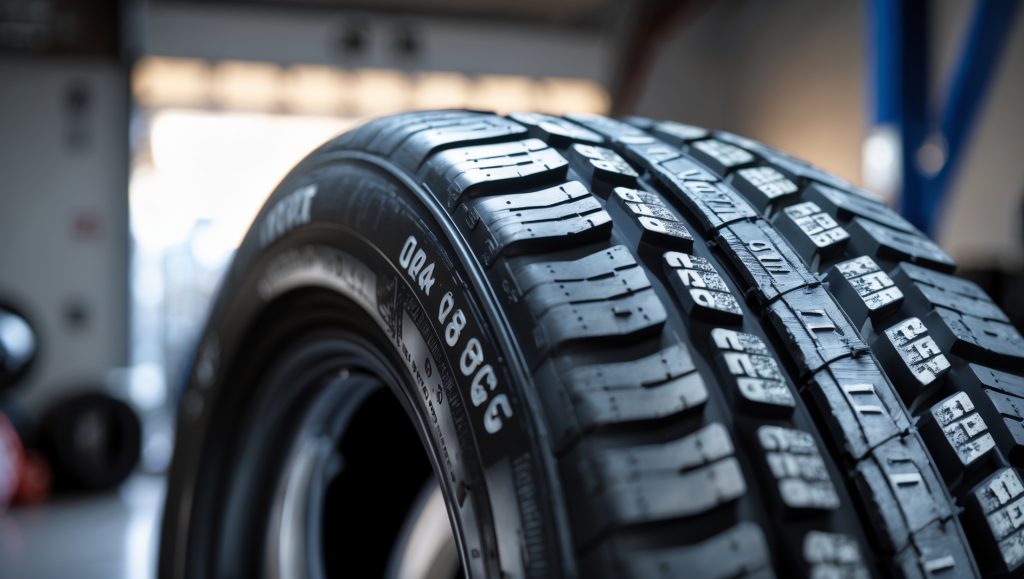
Where to Find UTQG Ratings
Look for a sequence like “500 A A” on your tyre’s sidewall. The first number is treadwear, followed by traction and temperature grades, respectively. These are also listed on manufacturer websites and many retailer product pages.
Treadwear: Interpreting the Numbers
What Treadwear Grades Mean
The treadwear grade is a comparative figure—100 is the baseline, and higher numbers theoretically indicate longer life. For example, a tyre rated 600 should last six times longer than the government test standard tyre rated 100. Most modern touring tyres fall between 400 and 800, while high-performance tyres are typically lower.
Limitations and Real-World Factors
UTQG treadwear tests are conducted under controlled conditions and do not guarantee a specific mileage. Real-world factors such as driving style, climate, road surface, vehicle type, and maintenance (especially air pressure) can dramatically affect actual tyre life. Treadwear is best used for comparisons within a single brand or product line, as methods and standards can vary among manufacturers.
Practical Examples
- Touring Tyres: A 700 treadwear rating signals a long-lasting tyre, ideal for daily commuting or high-mileage fleet vehicles.
- Performance Tyres: A 300 treadwear rating may offer sharper handling and grip but will wear faster—better for spirited drivers or summer-only use.
Traction Grades: Wet Braking Performance
Grades and What They Represent
Traction is graded as AA, A, B, or C, with AA being the best. This grade reflects the tyre’s ability to stop on wet asphalt and concrete (not dry, snow, or ice). Most new tyres on the US market are rated A or AA, which is suitable for typical driving conditions.
Understanding the Limits
UTQG traction grades are a useful indicator for wet braking, but they do not measure hydroplaning resistance, cornering grip, or performance in snow and ice. For those needs, look for additional certifications (such as the Three-Peak Mountain Snowflake symbol for winter traction) or specialized tyre tests.
When Traction Grade Matters Most
- Rainy Climates: Prioritize AA or A traction grades to maximize stopping power on wet roads.
- Fleet Vehicles: Consistent braking performance reduces risk and liability—choose higher traction grades when possible.
Temperature Grades: Heat Resistance and Safety
Understanding Temperature Grades
Temperature grades are A, B, or C (A is best), indicating the tyre’s ability to dissipate heat at sustained speeds. Overheating can cause tyre failure, so this rating is crucial for high-speed driving or heavy loads.
Practical Implications
- Long Highway Drives: Tyres with an A temperature grade handle heat better, reducing the risk of blowouts on extended trips.
- Commercial Fleets: For vehicles carrying heavy loads, heat resistance helps maintain tyre integrity and safety.
Edge Cases and Exceptions
Most modern tyres meet at least a B temperature grade. C-rated tyres are rare and usually not recommended except for specific, low-speed applications.
How to Use UTQG Ratings When Buying Tyres
Matching Ratings to Your Needs
Consider your driving habits, local climate, and vehicle requirements. For example:
- High-Mileage Drivers: Look for high treadwear numbers (e.g., 600+).
- Performance Enthusiasts: Lower treadwear (e.g., 200–400) may offer more grip, but expect faster wear.
- Wet or Mixed Climates: Prioritize A or AA traction grades.
- Frequent Highway Use: A temperature grade provides extra peace of mind.
Comparing Across Brands
UTQG is most reliable for comparing tyres from the same manufacturer, as some subjectivity and different test tracks may affect results between brands. Use UTQG as one factor among many—read independent reviews, check for specific certifications, and consider your vehicle’s needs.
When UTQG Doesn’t Apply
Remember, dedicated winter tyres, some off-road/light truck tyres, and temporary spares do not carry UTQG ratings. For those, rely on specialized performance tests and certifications.
Common Mistakes
- Assuming a high treadwear number guarantees long tyre life regardless of driving habits.
- Overlooking the importance of traction and temperature grades—especially in wet or hot climates.
- Comparing UTQG ratings across different brands as if they were absolute.
- Ignoring other tyre attributes like ride quality, noise, or snow performance.
- Buying tyres solely based on UTQG without considering vehicle recommendations or intended use.
- Not checking for missing UTQG ratings on winter, off-road, or specialty tyres.
Quick Checklist
- Locate the UTQG rating on your current and prospective tyres.
- Choose treadwear numbers that match your mileage expectations.
- Prioritize traction grades (A or AA) if you frequently drive in wet conditions.
- Ensure at least an A temperature grade for regular highway or heavy-load use.
- Compare UTQG ratings within the same brand or product line for best accuracy.
- Read reviews and confirm your tyre choice fits your driving style and climate.
- Check manufacturer guidelines for your vehicle before purchasing.
FAQ
- 1. Are UTQG ratings the same for all tyre brands?
- No. While UTQG is a federal standard, manufacturers conduct their own testing, which can lead to variations. Use ratings for comparison within a brand.
- 2. What does a treadwear rating of 800 mean?
- It suggests that the tyre could last eight times longer than the standard test tyre, but actual mileage depends on your driving and maintenance.
- 3. Does a higher traction grade mean better dry grip?
- No. UTQG traction grades only measure wet straight-line braking. Dry grip, cornering ability, and snow performance are not reflected in this grade.
- 4. Why don’t all tyres have a UTQG rating?
- Winter tyres, temporary spares, and some light truck/off-road tyres are exempt from UTQG requirements.
- 5. How important is temperature grade for city driving?
- For typical city speeds and loads, most tyres’ temperature grades are sufficient. It becomes more critical for sustained highway speeds or heavy loads.
- 6. Can UTQG ratings help me choose tyres for my fleet?
- Yes. UTQG provides a baseline for comparing longevity and safety features, but supplement with real-world fleet experience and reviews.
- 7. Are there tyres with AA traction and A temperature grades?
- Yes, many modern all-season and touring tyres offer these high grades, balancing wet safety and heat resistance for US drivers.
- 8. Should I only buy tyres with the highest UTQG ratings?
- Not always. The best tyre depends on your specific driving conditions, vehicle, and performance needs—not just the highest ratings.
Conclusion
UTQG ratings simplify tyre comparison by providing standardized insights into treadwear, traction, and temperature resistance. For everyday drivers and fleet owners, understanding these grades can guide smarter tyre choices—balancing longevity, safety, and performance for your specific needs. Always use UTQG as one of several decision factors, and supplement with independent reviews and manufacturer recommendations. The right tyre is the one that meets your driving demands, climate, and budget—so leverage UTQG to narrow your options, and take the next step with confidence.
When checking the tyre’s sidewall for the UTQG rating, are there any other markings I should pay attention to that could impact safety or performance?
Absolutely, besides the UTQG rating, pay attention to the DOT code (tells you the tyre’s manufacturing date), load index, speed rating, and maximum inflation pressure. These markings provide important details about the tyre’s age, how much weight it can safely carry, the top speed it’s rated for, and proper inflation levels—all of which affect safety and performance.
If the UTQG system doesn’t apply to winter tyres, what grading system should I rely on during the colder months?
For winter tyres, look for the Three-Peak Mountain Snowflake (3PMSF) symbol on the sidewall, which indicates the tyre meets specific snow traction standards. You can also review independent tests and user reviews that evaluate winter performance, since UTQG ratings are not required or relevant for these tyres.
If high-performance tires usually have lower treadwear ratings, is it still safe to use them daily or should I stick to touring tires for everyday commuting?
High-performance tires with lower treadwear ratings are safe for daily use, but they tend to wear out faster and may offer a firmer ride compared to touring tires. If comfort, longevity, and cost-effectiveness are your priorities for everyday commuting, touring tires are usually a better choice. High-performance tires are ideal if you want enhanced handling and grip, but expect to replace them more often.
Can you explain what factors might cause a tire with a high treadwear number to wear out faster than expected in real-world driving?
Several factors can cause a tire with a high treadwear number to wear out faster, including aggressive driving, improper inflation, misaligned wheels, heavy vehicle loads, frequent start-stop traffic, and rough road surfaces. Even the climate and driving habits, like taking sharp turns or rapid acceleration, can significantly impact tire wear regardless of the UTQG rating.
After picking out potential tyres based on UTQG ratings, are there any practical checks or next steps you recommend before making a final purchase for a small business vehicle?
Once you’ve shortlisted tyres using UTQG ratings, double-check their load and speed ratings to ensure they match your vehicle’s requirements. Ask about warranty coverage, assess customer reviews for real-world performance, and confirm availability. It’s also wise to inspect the tyre’s manufacturing date and consult your installer about compatibility and fitment before making a final decision.