
Introduction
Wet roads are a leading cause of traffic accidents in the US. When rain falls, stopping distances increase, and the risk of losing control rises sharply. Wet braking—the tyre’s ability to stop a vehicle quickly and safely on wet surfaces—is a critical but often misunderstood aspect of tyre performance. Understanding how tyres interact with water, why certain designs perform better, and how maintenance affects wet braking can help both individual drivers and fleet managers make informed, safety-focused decisions.
What Is Wet Braking and Why Does It Matter?
The Science Behind Wet Braking
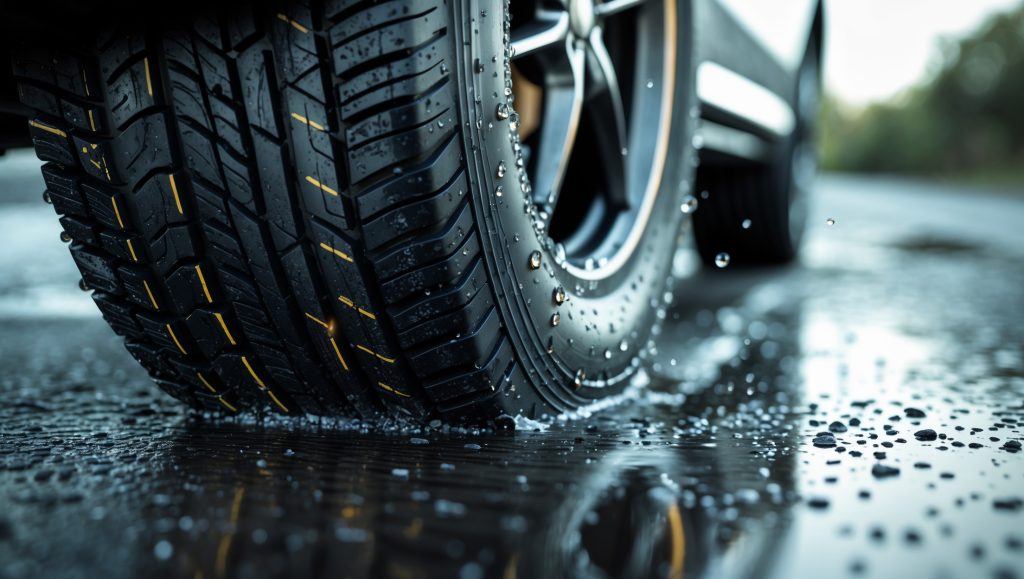
Wet braking refers to how effectively a tyre slows down a vehicle on wet pavement. When the road is wet, a thin film of water can form between the tyre and the surface, reducing grip. The tyre must channel this water away to maintain contact with the road. If it fails, stopping distances rise, and the risk of skidding or aquaplaning increases.
Real-World Impact
Studies consistently show that wet braking distances are significantly longer than on dry roads. This means a car traveling at 60 mph may require dozens of extra feet to stop in the rain, depending on tyre quality and condition. For commercial fleets, poor wet braking can translate to increased accident risk, liability, and downtime.
How Tyre Design Affects Wet Braking
Tread Patterns: Channels and Grooves
Tread design is crucial for wet performance. Wide circumferential grooves and lateral channels help evacuate water from beneath the tyre. Sipes—tiny slits in the tread blocks—increase the number of biting edges that grip the road, improving traction on slick surfaces.
Tyre Compounds: Rubber Chemistry
Modern tyres use silica-infused compounds and specialized polymers to maintain flexibility in cooler, wet conditions. Softer compounds can improve wet grip, but may wear faster. Premium all-season and summer tyres often feature advanced compounds optimized for wet performance without sacrificing durability.
Contact Patch and Pressure
The size and shape of the contact patch—the area where the tyre meets the road—affect water displacement. Proper inflation ensures the tread contacts the road evenly, maximizing grip. Underinflated tyres can reduce the effectiveness of water evacuation, increasing stopping distances.
Tyre Types and Wet Braking Performance
All-Season vs. Summer vs. Winter Tyres
All-season tyres are engineered for balanced performance in various conditions but may compromise ultimate wet grip compared to summer tyres, which are optimized for warm-weather wet roads. Winter tyres are designed for cold, icy, or snowy conditions and may perform differently in heavy rain, especially at higher temperatures.
Performance and Touring Tyres
Performance tyres often feature directional tread patterns and silica-rich compounds for improved wet traction. Touring tyres prioritize comfort and longevity, but many high-quality models also deliver respectable wet braking through careful tread engineering.
Tyres for Trucks and SUVs
Larger vehicles have greater mass and higher centers of gravity, making tyre selection critical for safe wet braking. Look for tyres with enhanced water evacuation features and robust construction to handle the unique demands of trucks and SUVs.
Factors Influencing Wet Braking Beyond Tyre Choice
Tread Depth and Wear
Worn tyres lose their ability to channel water effectively. Even if a tyre still has legal tread depth, wet braking performance can decline sharply as the grooves become shallower. Many experts recommend replacing tyres before they reach the minimum legal tread depth for optimal wet safety.
Tyre Pressure and Maintenance
Maintaining manufacturer-recommended tyre pressure is essential. Both over- and under-inflation can reduce the tyre’s contact with the road and impair water evacuation, leading to longer stopping distances in the rain.
Vehicle Systems and Load
Modern vehicles may have features like ABS and electronic stability control, which help maintain control during emergency stops on wet roads. However, these systems cannot compensate for tyres that are worn, poorly inflated, or inappropriate for wet conditions. Heavier loads also increase stopping distances, making tyre maintenance even more crucial for trucks and fleets.
How to Maximize Wet Braking Performance
Choose the Right Tyres
Look for tyres with proven wet braking performance, which may be indicated by industry testing, reviews, or wet traction grades (such as “A” on the UTQG Traction rating). Consider your region’s typical climate and road conditions when selecting a tyre.
Monitor and Maintain Tread Depth
Regularly check tread depth with a gauge or the “penny test.” Replace tyres that show uneven wear, sidewall damage, or reduced tread depth. Don’t wait until the edges of legality—aim for safety margins.
Maintain Correct Tyre Pressure
Check tyre pressures at least monthly and before long trips. Always adjust when tyres are cold for an accurate reading. Remember, tyre pressure drops as temperatures fall, so check more frequently in cooler months.
Rotate and Align Tyres
Regular tyre rotation and wheel alignment ensure even wear, preserving wet traction throughout the tyre’s life. Misaligned wheels can cause rapid tread loss and unpredictable wet handling.
Drive to Conditions
Even with the best tyres, wet stopping distances are always longer than on dry roads. Adjust your speed, leave extra following distance, and avoid sudden inputs to steering, throttle, or brakes when roads are wet.
Common Mistakes
- Assuming all tyres perform equally well in the rain.
- Waiting until tyres are bald or at the legal minimum before replacing them.
- Neglecting regular tyre pressure checks or ignoring dashboard warnings.
- Believing ABS or other vehicle aids can compensate for poor tyre condition.
- Overloading vehicles, increasing stopping distances on wet roads.
- Mixing different tyre types or brands on the same axle.
- Assuming all-season tyres are always optimal for wet performance.
- Failing to adjust driving style for rainy conditions.
Quick Checklist
- Check tyre tread depth monthly—replace if below 4/32″ for optimal wet safety.
- Verify and adjust tyre pressure at least once a month (when tyres are cold).
- Choose tyres rated highly for wet braking by independent tests or user reviews.
- Rotate tyres every 5,000–8,000 miles for even wear.
- Schedule wheel alignment annually or if you notice uneven tread wear.
- Reduce speed and increase following distance in wet weather.
- Avoid sudden braking or sharp steering inputs when roads are wet.
- For fleets, implement regular tyre inspection and replacement policies.
FAQ
- Q: How much longer does it take to stop on wet roads compared to dry?
A: Stopping distances can be up to double or more on wet roads, depending on tyre quality, tread depth, and speed. Always leave extra space in the rain. - Q: Do all-season tyres provide enough wet braking performance?
A: Many all-season tyres perform well in moderate rain, but premium summer tyres often offer superior wet braking. Check reviews and ratings for your specific model. - Q: How can I tell if my tyres are good for wet conditions?
A: Look for deep, well-defined tread grooves, a high UTQG traction grade (A or AA), and positive wet braking reviews from trusted sources. - Q: What’s the minimum safe tread depth for wet roads?
A: Many experts recommend replacing tyres at 4/32″ for best wet performance, even though the legal minimum is 2/32″ in most US states. - Q: How often should I check my tyre pressure?
A: Check at least monthly and before long trips. Tyre pressure changes with temperature, so check more often in seasonal transitions. - Q: Can ABS or traction control make up for worn tyres in the wet?
A: No. These systems help maintain control but can’t compensate for lack of grip due to worn or unsuitable tyres. - Q: Why do performance tyres sometimes wear out faster?
A: Softer compounds enhance wet grip but may wear faster than harder, long-life compounds. It’s a trade-off between traction and longevity. - Q: Is tyre age a factor in wet braking?
A: Yes. Even if tread appears adequate, old tyres can harden and lose grip, reducing wet braking performance. Replace tyres older than 6–10 years, regardless of tread.
Conclusion
Wet braking is one of the most critical aspects of tyre safety for US drivers and fleet operators. The right tyres, maintained in good condition and matched to your driving environment, can dramatically reduce stopping distances and help prevent accidents in the rain. Regular inspections, proper inflation, and timely replacements are essential steps. Stay informed, always adjust your driving to the conditions, and prioritize wet braking performance when choosing your next set of tyres.
I noticed you mentioned silica-infused compounds. How do these actually perform over time in varying temperatures, and should drivers in colder US climates prioritize this feature for safer wet braking?
Silica-infused compounds stay flexible across a broad temperature range, which means they maintain better grip in both cold and wet conditions compared to traditional rubber. Drivers in colder US climates benefit from silica-rich tyres, as they provide safer, more consistent wet braking even when temperatures drop. Prioritizing this feature is a smart choice for winter and shoulder seasons.
Could you explain how often tyres should be checked for wear to maintain optimal wet braking performance? I drive mostly in rainy climates and want to stay safe.
For optimal wet braking, it’s best to check your tyre tread depth and condition at least once a month, especially if you often drive in rainy climates. Also, always inspect tyres before long trips and after hitting potholes or debris. Proper tread depth is crucial for safe braking on wet roads.
For a small delivery fleet, is it worth investing in premium tyres with advanced wet braking compounds, or would good all-season tyres be sufficient for most city driving conditions?
For a small delivery fleet operating mostly in city conditions, good quality all-season tyres are usually sufficient. Premium tyres with advanced wet braking compounds offer extra safety, especially in heavy rain or emergency stops, but for typical urban driving, all-season options provide a solid balance of performance, durability, and cost-effectiveness.
How often should I check my fleet tyres for wear or tread issues if we want to avoid wet braking problems, especially during the rainy season?
For fleet vehicles, it’s best to check tyre wear and tread depth at least once a week, especially during the rainy season. Regular inspections help you spot issues early, ensuring your tyres provide maximum grip and wet braking performance. Also, always check after long trips or if you notice a change in handling.
For people who drive mostly in dry conditions but sometimes in rain, are special wet-weather tyres worth considering, or are regular all-seasons usually sufficient?
For drivers who mostly encounter dry roads and only occasionally face wet conditions, quality all-season tyres are usually sufficient. They offer a good balance of grip and safety in both dry and rainy weather. Wet-weather tyres are designed for frequent rain or very wet climates, so unless you regularly drive in heavy rain, all-seasons should meet your needs.
For someone managing a fleet, what are the most practical steps to minimize wet braking risks aside from regularly checking tyre conditions?
In addition to regular tyre checks, ensure all vehicles have proper tread depth and consider equipping them with tyres designed for wet conditions. Train your drivers on safe driving techniques in rain, such as reducing speed and increasing following distance. Schedule routine maintenance for brakes and suspension, and encourage immediate reporting of any issues related to handling or stopping in wet weather.
The article talks about longer stopping distances in the rain. Do you know approximately how much longer the stopping distance is for a worn tyre versus a brand new one in wet conditions?
A worn tyre can significantly increase stopping distances in wet conditions—often by 50% or more compared to a brand new tyre. For example, at 50 mph, a worn tyre might take up to 40 meters longer to stop than a new one. It’s always safer to replace tyres before they become too worn, especially if you frequently drive in rain.
Are all-season tyres with silica-infused compounds as effective in wet conditions as dedicated summer tyres, or is there a significant safety difference?
All-season tyres with silica-infused compounds do perform well in wet conditions, offering a good balance of grip and safety for most drivers. However, dedicated summer tyres typically provide superior wet traction and handling, especially in warmer temperatures, due to their specialized tread patterns and rubber formulations. If maximum wet performance is your priority, summer tyres still have an edge over all-season options.
I’m in the Northeast where it rains a lot and gets pretty cold. Is it better to go with dedicated wet-weather tires, or are silica-based all-seasons enough for safe wet braking?
In the Northeast, quality silica-based all-season tires usually offer good wet braking performance and should suffice for most rainy conditions. However, if you regularly face heavy rain or want maximum wet grip, dedicated wet-weather or rain tires could offer extra peace of mind. Make sure your tires are in good condition and have adequate tread for safety.
In the article, you mention that tread design helps with water evacuation. How often should drivers check their tread depth to ensure their tyres can still perform well in the rain?
It’s a good idea to check your tyre tread depth at least once a month, as well as before long trips or during rainy seasons. Regular checks ensure your tyres can effectively channel water away, maintaining grip and safety in wet conditions.