
Introduction
Tyre noise is more than just an annoyance—it affects driver comfort, passenger experience, and even contributes to environmental noise pollution. For US drivers and fleet owners, understanding tyre noise is essential for making informed purchasing decisions, ensuring regulatory compliance, and improving ride quality. With growing attention to vehicle refinement and urban noise control, knowing what causes tyre noise, how it’s measured, and how it can be reduced has never been more relevant.
What Causes Tyre Noise?
Air Pumping and Tread Vibration
When a tyre rolls over the road surface, air trapped in the tread grooves is rapidly compressed and released, creating a pumping noise. Additionally, the tread blocks themselves vibrate upon contact with the road, further amplifying sound.
Pattern and Design
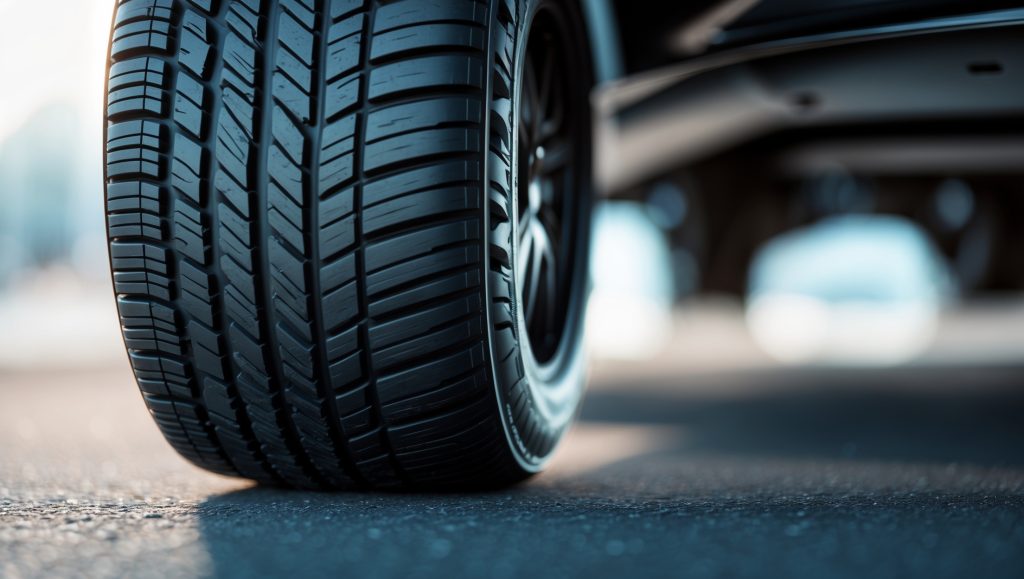
Tread pattern geometry plays a significant role in noise production. Aggressive or blocky patterns found on off-road or all-terrain tyres tend to be noisier than the streamlined patterns of touring or highway tyres. Irregular patterns can help break up repetitive noise frequencies, making the sound less noticeable.
Tyre Compound and Construction
The materials used in tyre construction influence how vibrations are absorbed or transmitted. Softer compounds usually dampen vibrations better, reducing noise, while stiffer constructions may transfer more road noise into the cabin.
Road Surface Interaction
The type and condition of the road surface—smooth asphalt, rough concrete, or worn pavement—directly affect how much noise is generated. Even a quiet tyre can sound loud on coarse or damaged roads.
Vehicle Factors
Wheel alignment, suspension condition, and even the presence of sound insulation in the wheel wells all impact the overall noise level experienced inside the cabin.
How Tyre Noise Is Measured
Laboratory and Real-World Testing
Tyre manufacturers use controlled indoor drum tests and outdoor pass-by tests to measure noise. These tests quantify both external (outside the vehicle) and internal (inside the cabin) noise across various speeds and surfaces.
Decibel Ratings
Tyre noise is measured in decibels (dB). Lower decibel values indicate quieter tyres. While the US does not display external noise ratings on tyre labels like the EU, some manufacturers voluntarily provide this information in technical datasheets or marketing materials.
Subjective vs. Objective Assessments
Objective measurements (with microphones and decibel meters) are supplemented by subjective evaluations—testers listen for tonal qualities, harshness, and how noise interacts with other vehicle sounds.
Types of Tyre Noise
Pattern Noise
This is the most common type of tyre noise, resulting from the tread pattern interacting with the road. It is usually a consistent hum or whine that changes with speed.
Structure-Borne Noise
Arises from vibrations transmitted through the tyre carcass and into the suspension and body. This can be minimized through advanced tyre construction and vehicle insulation.
Airborne Noise
Generated by air movement around the tyre and wheel assembly—often noticeable at higher speeds or with certain wheel designs.
Irregular Noise
Caused by uneven or worn tyres, misalignment, or damaged suspension components. It often presents as thumping, droning, or rhythmic sounds.
How to Reduce Tyre Noise: Practical Strategies
Choose the Right Tyres
Select tyres designed for low noise, often labeled as “touring” or “comfort” tyres. Look for asymmetric tread patterns, optimized pitch sequencing, and sound-absorbing foam inserts.
Maintain Proper Inflation
Incorrect tyre pressure can increase noise by changing the shape of the tyre’s contact patch and causing uneven wear. Check and adjust pressures regularly.
Ensure Correct Alignment and Balance
Misaligned or unbalanced wheels can cause irregular tyre wear and noise. Regularly inspect and service your vehicle’s alignment and balance.
Rotate Tyres Regularly
Following the manufacturer’s rotation schedule helps prevent uneven wear patterns that contribute to increased noise.
Upgrade Vehicle Insulation
Adding sound-deadening materials to wheel wells and floor pans can significantly reduce the amount of tyre noise entering the cabin, especially in older vehicles.
Slow Down on Rough Surfaces
Driving at lower speeds on coarse or damaged roads can minimize the volume and harshness of tyre noise.
Tyre Noise and Special Vehicle Types
Electric Vehicles (EVs)
EVs are typically quieter than conventional vehicles, making tyre noise more noticeable. Many manufacturers now offer EV-specific tyres with noise-reducing features.
Light Trucks and SUVs
These vehicles often use larger, heavier tyres with more aggressive tread patterns—leading to higher potential noise levels. Selecting highway-terrain (H/T) or comfort-focused options can help.
Commercial Fleets
For fleet operators, tyre noise can impact driver fatigue and public perception. Prioritizing low-noise tyres can improve both comfort and corporate image, especially in urban settings.
Common Mistakes
- Choosing tyres solely based on price without considering noise ratings or reviews
- Ignoring tyre maintenance, leading to uneven wear and increased noise
- Using aggressive off-road tyres for primarily urban or highway use
- Delaying wheel alignment and balancing services
- Overinflating or underinflating tyres
- Overlooking the impact of worn suspension components on noise levels
- Assuming all tyre noise is normal and not investigating unusual sounds
Quick Checklist
- Check tyre pressure monthly and adjust to manufacturer specs
- Inspect tread for uneven wear or damage
- Schedule wheel alignment and balancing at least once a year
- Rotate tyres every 5,000–8,000 miles
- Research and select low-noise tyre models for your vehicle type
- Test drive new tyres to assess subjective noise comfort
- Consider adding wheel well insulation for older vehicles
- Address unusual tyre noises promptly—don’t ignore new sounds
FAQ
- Q: Why are my new tyres noisier than my old ones?
A: Tyre noise varies by tread pattern, compound, and intended use. Touring tyres tend to be quieter than performance or all-terrain tyres. Also, new tyres can be louder until they “break in.” - Q: Can tyre noise indicate a problem?
A: Yes. Sudden increases in noise can signal uneven wear, misalignment, or suspension issues. Persistent thumping or droning should be investigated by a mechanic. - Q: Are larger wheels always noisier?
A: Larger wheels with lower-profile tyres often transmit more road noise, especially on rough surfaces, but tyre design and insulation matter too. - Q: How can I tell if a tyre is quiet before buying?
A: Look for independent reviews and manufacturer noise claims, and, if possible, test drive. Touring tyres generally prioritize quietness. - Q: Does tyre rotation reduce noise?
A: Regular rotation helps prevent uneven wear patterns, a common cause of increased noise as tyres age. - Q: What are foam-filled or noise-canceling tyres?
A: Some tyres use internal foam inserts or special construction to absorb vibrations and reduce in-cabin noise, particularly useful for luxury or EV models. - Q: Is there a legal limit for tyre noise in the US?
A: The US does not have consumer tyre noise labeling, but commercial vehicles may be subject to local noise ordinances. Manufacturers test for compliance with general vehicle noise standards. - Q: Will switching to all-season tyres reduce noise?
A: All-season tyres designed for comfort are often quieter than performance or off-road options, but check individual model reviews for noise ratings.
Conclusion
Tyre noise affects comfort, safety, and the overall driving experience. By understanding the causes, types, and measurement of tyre noise, US drivers and fleet managers can make smarter decisions when selecting, maintaining, and replacing tyres. Prioritize regular maintenance, consider noise-reducing features when shopping, and address unusual sounds promptly to ensure a quieter, more enjoyable ride. Whether you’re buying for a single vehicle or an entire fleet, investing in quieter tyres pays dividends in comfort and satisfaction.
How often do tyre manufacturers update their noise measurement methods, and is there a way for small business owners to access reliable noise ratings before buying?
Tyre manufacturers typically update their noise measurement methods in response to new regulations or technological advancements, which might happen every few years. Small business owners can access reliable tyre noise ratings on tyre labels, which are usually required by law in many regions. These labels display standardized noise ratings, making it easier to compare options before purchasing.
If a vehicle owner notices a sudden increase in tyre noise, would it be more likely due to tyre wear, alignment issues, or changes in the road surface? Any advice on troubleshooting the source?
A sudden increase in tyre noise is often caused by tyre wear—especially uneven wear—or alignment issues, which can lead to abnormal tread contact with the road. Changes in the road surface usually cause temporary noise. To troubleshoot, inspect tyre tread for uneven wear, check tyre pressures, and have a professional check the alignment and suspension. Also, note if the noise changes on different road surfaces.
For drivers in cities with a mix of smooth and rough pavement, is there a certain tread pattern that generally handles noise better across both surfaces?
For city driving on both smooth and rough pavement, tyres with an asymmetric tread pattern usually offer a good balance for noise reduction. These patterns help distribute sound frequencies more evenly, which can keep road noise lower across varied surfaces compared to aggressive or highly directional treads.
Is there anything a DIYer like me can add to the wheel wells for sound insulation, or is that something only shops can do?
You can definitely add sound insulation to your wheel wells as a DIY project. Products like automotive sound deadening mats or spray-on liners are available for this purpose. Just make sure to clean the area thoroughly before applying, and carefully follow the instructions for best results. Many DIYers have success reducing road noise this way.
How do tyre noise measurements from lab tests compare to what you actually hear on real American highways? Are the test results pretty close to real-world experience?
Lab tests for tyre noise usually take place under controlled, ideal conditions, so the results often show lower noise levels than what you hear on real American highways. In actual driving, factors like road surface, speed, weather, and traffic can make tyres sound noticeably louder than in a lab test. The tests provide a good comparison between tyres, but real-world noise is almost always higher.
Could you elaborate on how much of a difference softer tyre compounds actually make in reducing noise inside the cabin? Are there specific compound types US drivers should look for if noise reduction is a priority?
Softer tyre compounds can noticeably reduce noise inside the cabin because they absorb road vibrations more effectively than harder compounds. However, the exact difference varies by brand and tread design. For US drivers focused on noise reduction, look for tyres labeled as ‘touring’ or ‘comfort’ tyres, which often use softer compounds and special tread patterns to minimize noise.