
Introduction
Off-road driving is a growing passion for many US drivers, from weekend adventurers to commercial fleet operators. The right tyres are essential for safe, reliable performance both on highways and in challenging off-road environments. All-terrain (AT) tyres are designed to bridge the gap between paved roads and rugged trails, offering versatility that makes them a popular choice for SUVs, pickups, and crossovers. But what goes into an AT tyre, and how do you select the best one for your needs? This guide explores the construction, features, and performance of off-road all-terrain tyres, helping you make informed decisions whether you’re planning a backcountry trip or upgrading your work fleet.
The Anatomy of All-Terrain Tyres
Tread Design: Balancing Grip and Versatility
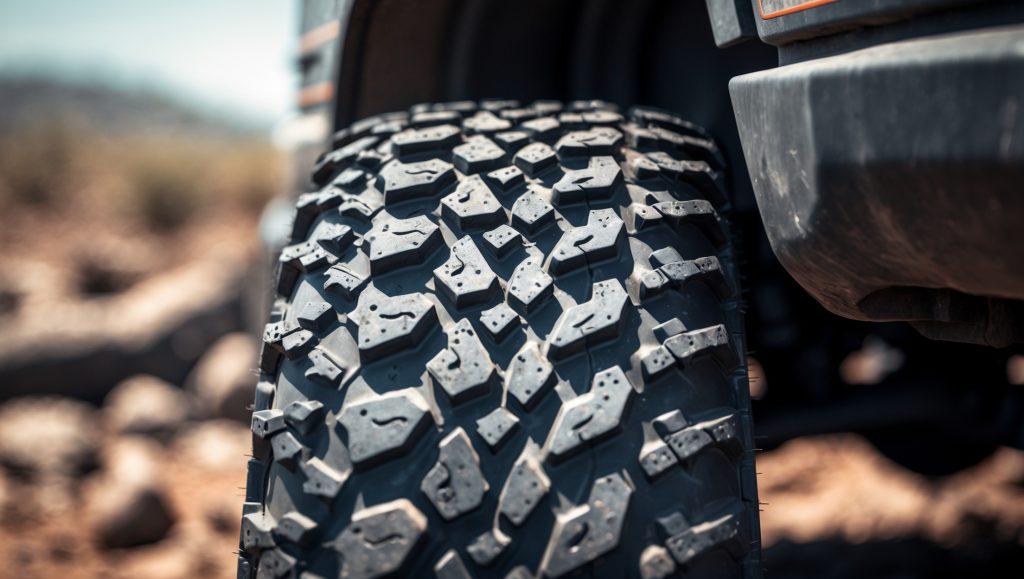
All-terrain tyres feature a distinctive tread pattern that’s more aggressive than a standard highway tyre, yet less extreme than a dedicated mud-terrain design. The tread blocks are larger and more widely spaced to provide traction on loose surfaces like gravel, sand, and dirt, while still maintaining enough contact area for stable on-road handling. Siping (small slits in the tread blocks) helps improve grip on wet or icy surfaces, and stone ejectors reduce the risk of rocks becoming lodged in the tread.
Sidewall Construction: Durability and Protection
Off-road hazards such as sharp rocks and ruts can easily damage tyre sidewalls. AT tyres typically have reinforced sidewalls, using extra layers of rubber and fabric ply to resist cuts, abrasions, and punctures. Some brands add raised sidewall lugs to improve traction in deep ruts and add further protection.
Rubber Compounds: Balancing Wear and Flexibility
The rubber used in AT tyres must cope with a wide temperature range and diverse surfaces. Compounds are engineered for flexibility (to conform to uneven terrain) while resisting chipping and chunking from rocks. Modern AT tyres often use silica or other advanced additives to improve wet traction and tread life.
Performance Factors: On-Road and Off-Road
Traction on Loose and Hard Surfaces
All-terrain tyres are designed to provide reliable grip on a range of surfaces. On gravel, sand, or dirt, the open tread pattern helps the tyre dig in and maintain forward motion. On pavement, the tread is stable enough for confident cornering and braking, though AT tyres may not match the quiet or fuel efficiency of highway tyres.
Handling, Comfort, and Noise
Because AT tyres are a compromise between off-road and on-road performance, they tend to generate more noise and vibration than standard road tyres. However, advances in tread design and rubber compounds have reduced these differences. Some AT tyres now feature staggered tread blocks or variable pitch patterns to minimize noise and enhance ride comfort during highway use.
Load Capacity and Towing
For drivers who haul heavy loads or tow trailers, AT tyres typically offer higher load ratings than passenger car tyres. Reinforced construction means they can safely handle the demands of work trucks, campers, and utility vehicles. Always check the tyre’s load index and ensure it matches your vehicle’s requirements.
Choosing the Right All-Terrain Tyre
Assessing Your Driving Needs
Consider how much of your driving will be off-road versus on-road. If most of your miles are on pavement with only occasional trail rides, look for AT tyres that emphasize on-road comfort and tread life. If you regularly encounter mud, rocks, or snow, prioritize tyres with deeper tread, robust sidewalls, and aggressive shoulder lugs.
Understanding Tyre Ratings and Markings
Look for key indicators on the tyre sidewall. The “M+S” (Mud and Snow) marking means the tyre is rated for basic all-weather use, while the Three-Peak Mountain Snowflake (3PMSF) symbol signifies that the tyre meets severe snow service standards—a valuable feature if you frequently drive in winter conditions.
Fitment and Sizing Considerations
Tyre size and load rating should always match the manufacturer’s recommendations for your vehicle. Upsizing (installing larger tyres) can improve off-road clearance but may affect speedometer accuracy, suspension geometry, and fuel economy. Consult your vehicle manual or a tyre professional before making changes.
Maintenance Essentials for Off-Road Tyres
Proper Inflation Pressures
Maintaining the correct tyre pressure is crucial for safety and performance. Lowering pressure can improve off-road traction by allowing the tyre to conform to uneven surfaces, but running underinflated tyres on the highway can lead to overheating and premature wear. Always reinflate to the recommended pressure after off-road use.
Regular Inspections for Damage
After off-road adventures, inspect tyres for cuts, punctures, or missing tread blocks. Remove any stones or debris lodged in the tread to prevent long-term damage. Check for bulges or sidewall bubbles, which could indicate internal damage.
Rotation and Alignment
Rotating your tyres regularly (every 5,000–8,000 miles) promotes even wear, which is especially important for AT tyres subjected to mixed driving conditions. Proper wheel alignment ensures optimal handling and extends tyre life.
Common Mistakes
- Choosing tyres based solely on looks rather than performance needs
- Ignoring load ratings and fitting undersized tyres on heavy vehicles
- Running tyres at incorrect pressures, especially after off-road use
- Skipping regular tyre rotations, leading to uneven wear
- Neglecting to check for sidewall or tread damage after off-road trips
- Assuming all AT tyres perform equally in snow or mud
- Not consulting the vehicle manufacturer’s recommendations before upsizing
Quick Checklist
- Assess your driving mix: highway, light off-road, or heavy-duty trails
- Check tyre ratings: M+S and 3PMSF for winter capability
- Verify size, load index, and speed rating against your vehicle’s specs
- Inspect for reinforced sidewalls and tread pattern suited to your terrain
- Maintain correct inflation for both on- and off-road driving
- Rotate tyres at recommended intervals for even wear
- Inspect tyres after each off-road outing for any damage
- Consult a tyre professional before making major changes
FAQ
- Are all-terrain tyres suitable for daily highway driving?
- Yes, most modern AT tyres are designed to provide a comfortable and safe ride on paved roads, though they may produce more noise and offer slightly less fuel efficiency than dedicated highway tyres.
- How often should I rotate my all-terrain tyres?
- Rotate AT tyres every 5,000–8,000 miles to ensure even wear, especially if your driving includes a mix of on- and off-road conditions.
- Can I use all-terrain tyres in snow?
- Many AT tyres perform well in light to moderate snow, especially those with the 3PMSF symbol. For severe winter conditions, dedicated winter tyres may be preferable.
- What pressure should I run in my AT tyres off-road?
- Lowering pressure (often to 18–26 psi) can improve off-road traction, but always reinflate to the manufacturer’s recommended pressure before returning to highway speeds.
- Do all-terrain tyres last as long as highway tyres?
- AT tyres typically wear faster than highway tyres due to their softer compounds and more aggressive tread, but proper maintenance can maximize their lifespan.
- Is it safe to upsize my all-terrain tyres?
- Upsizing can improve off-road capability but may impact vehicle handling, speedometer accuracy, and fuel economy. Always consult your manufacturer and a tyre specialist first.
- What’s the difference between M+S and 3PMSF ratings?
- M+S indicates basic mud and snow traction; 3PMSF certifies the tyre for severe snow service, providing higher winter performance.
- Are all AT tyres puncture resistant?
- While most have reinforced construction, no tyre is puncture-proof. Regular inspections and choosing tyres with strong sidewalls help reduce risks.
Conclusion
Off-road all-terrain tyres offer the versatility and durability needed for drivers who split their time between pavement and trails. By understanding the construction, capabilities, and maintenance needs of these tyres, you can select the best set for your vehicle and driving style. Assess your typical use, pay attention to ratings and fitment, and commit to regular inspections and maintenance. Whether you’re heading into the backcountry or just want added confidence for unpredictable roads, the right AT tyres can make all the difference in safety and performance.
When looking at all-terrain tyres with reinforced sidewalls, are there things I should watch out for that might make them less comfortable on regular roads?
Yes, reinforced sidewalls usually make tyres stiffer, which can lead to a firmer ride and more road noise on regular roads. Also, these tyres may be heavier, potentially affecting fuel efficiency and handling. If you do a lot of on-road driving, consider the trade-off between durability off-road and comfort on pavement before choosing reinforced sidewalls.