
Introduction
Tyres play a crucial role in your vehicle’s safety, comfort, and efficiency. When it comes to maximizing fuel economy and reducing running costs, one factor often overlooked is rolling resistance. Whether you’re a daily commuter, a fleet manager, or an eco-conscious driver in the US, understanding rolling resistance can help you make smarter tyre choices, save money on fuel, and reduce your carbon footprint. This article explains what rolling resistance is, how it affects your driving experience, and how you can choose tyres that balance efficiency, safety, and performance.
What Is Tyre Rolling Resistance?
Definition and Causes
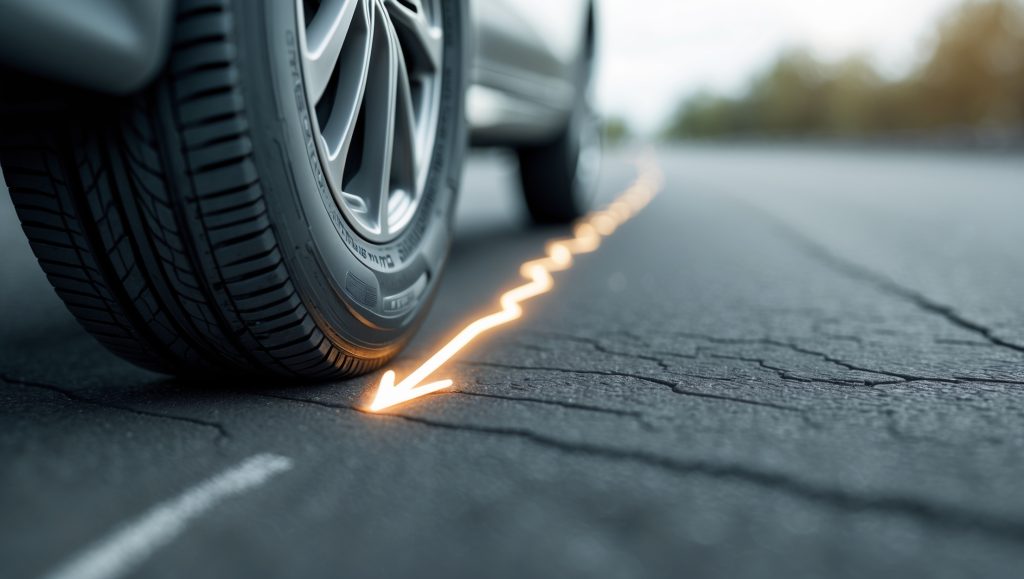
Rolling resistance is the energy a tyre needs to keep rolling at a constant speed over a surface. It’s essentially the force resisting the motion when your tyres are in contact with the road. This resistance is caused by the deformation of the tyre as it rotates, the friction between the tread and the road, and the energy lost as heat.
Why It Matters
Even a small reduction in rolling resistance can lead to noticeable fuel savings. For most passenger cars, tyres are responsible for up to 20% of total fuel consumption; for trucks, this can be even higher. Lower rolling resistance means your engine doesn’t have to work as hard, translating to better miles per gallon (MPG) and lower emissions.
How Rolling Resistance Affects Fuel Economy
The Science Behind the Savings
When tyres flex and deform, some of the energy is converted into heat instead of propelling your car forward. Tyres with high rolling resistance waste more energy, requiring more fuel to maintain the same speed. Conversely, low rolling resistance tyres are designed to minimize this energy loss, improving fuel efficiency.
Real-World Impact
Switching to tyres specifically engineered for low rolling resistance can improve fuel economy by 2–6%, depending on driving conditions, tyre type, and vehicle. For a typical US passenger car driven 12,000 miles annually, this could mean saving dozens of gallons of gasoline each year—translating to significant cost savings over the life of the tyres.
Cost vs. Savings
Low rolling resistance tyres sometimes come at a slightly higher upfront cost compared to standard options. However, the fuel savings over tens of thousands of miles can outweigh this initial expense, especially for high-mileage drivers and fleet operators.
Factors Influencing Tyre Rolling Resistance
Tyre Construction and Materials
Modern advances in rubber compounds, tread design, and internal construction have enabled tyre manufacturers to reduce rolling resistance without compromising safety. Silica-based compounds, optimized tread patterns, and reinforced sidewalls are some of the technologies used.
Tyre Pressure
Underinflated tyres increase rolling resistance dramatically. Keeping tyres inflated to the recommended pressure is one of the simplest ways to maintain low rolling resistance and optimize fuel economy.
Tread Depth and Pattern
As tyres wear, their rolling resistance changes. New tyres may have slightly higher rolling resistance until the tread wears in, but very worn tyres can compromise safety. Aggressive tread patterns (such as those on all-terrain or winter tyres) typically have higher rolling resistance compared to touring or eco-focused tyres.
Tyre Size and Weight
Wider and heavier tyres usually create more rolling resistance. Choosing the correct size for your vehicle, as specified by the automaker, helps keep resistance (and fuel use) in check.
Choosing the Right Low Rolling Resistance Tyres
Identifying Low Rolling Resistance Tyres
Many manufacturers label their most efficient tyres with terms like “Eco,” “Energy,” “Fuel Saver,” or “Low Rolling Resistance.” When shopping, look for these designations or consult the manufacturer’s technical data. In the US, there is no unified label like the European Union’s Tyre Label, so research and reviews play an important role.
Balancing Efficiency with Safety and Comfort
While low rolling resistance tyres can boost MPG, it’s important not to sacrifice traction, braking, or ride comfort—especially in areas with frequent rain, snow, or varied road conditions. Reputable brands usually design their eco-tyres to meet all basic safety standards, but always compare wet and dry performance ratings where available.
Consider Your Vehicle and Driving Style
Low rolling resistance tyres are available for passenger cars, SUVs, and even light trucks. They are ideal for highway driving, urban commuters, and fleets. However, drivers prioritizing off-road capability or performance driving may need to weigh efficiency against other priorities.
Rolling Resistance and Fleet Management
Why Fleets Should Care
For fleet operators, tyre selection can have a substantial impact on total cost of ownership. With multiple vehicles covering high annual mileage, even incremental fuel savings add up rapidly. Rolling resistance should be a key consideration in fleet tyre procurement policies.
Tracking and Maintenance
Fleet managers should track tyre pressure, tread wear, and replacement cycles. Implementing regular maintenance routines—including prompt inflation checks—helps ensure rolling resistance remains as low as possible throughout the tyre’s life.
Common Mistakes
- Ignoring tyre pressure: Underinflation is the leading cause of increased rolling resistance.
- Assuming all “eco” tyres perform the same—there are differences in grip and longevity.
- Choosing tyres solely based on price, neglecting long-term fuel savings.
- Using oversized or non-OEM tyre sizes, increasing rolling resistance and reducing efficiency.
- Neglecting regular tyre maintenance and rotation schedules.
- Overlooking the impact of aggressive tread patterns on rolling resistance.
Quick Checklist
- Check and maintain correct tyre pressure monthly.
- Research and compare low rolling resistance tyre models before purchasing.
- Match tyre size and type to your vehicle’s manufacturer recommendations.
- Balance rolling resistance with adequate wet and dry grip for safety.
- Schedule regular tyre rotations and alignment checks.
- Monitor tyre tread depth and replace tyres before they become too worn.
- Consider total cost of ownership, not just initial tyre price.
FAQ
- What is rolling resistance in tyres?
- Rolling resistance is the energy lost as a tyre rolls, primarily due to its deformation and friction with the road. Lower rolling resistance means less energy (and fuel) is required to keep the vehicle moving.
- How much can low rolling resistance tyres save me in fuel?
- Depending on the type of tyre and driving conditions, you could see a 2–6% improvement in fuel economy, which can lead to noticeable savings over the life of the tyres.
- Are there any trade-offs with low rolling resistance tyres?
- Some models may have slightly reduced wet grip or shorter tread life, though many modern eco-tyres balance efficiency with safety. Always check performance reviews relevant to your driving conditions.
- How do I know if a tyre has low rolling resistance?
- Look for manufacturer claims such as “Low Rolling Resistance,” “Eco,” or “Fuel Saver.” Consult technical specs, reviews, or ask tyre professionals for guidance, as the US does not mandate a standardized label system.
- Does tyre pressure affect rolling resistance?
- Yes, underinflated tyres significantly increase rolling resistance and reduce fuel economy. Always keep tyres inflated to the recommended pressure.
- Do wider tyres increase rolling resistance?
- Generally, yes. Wider tyres have a larger contact patch, which can increase rolling resistance and reduce fuel efficiency. Always use the size recommended for your vehicle.
- Can fleet vehicles benefit from low rolling resistance tyres?
- Absolutely. For fleets that drive high annual mileage, the cumulative fuel savings can be substantial, making low rolling resistance tyres a smart investment.
- Are low rolling resistance tyres suitable for all vehicles?
- They are widely available for most passenger cars, SUVs, and light trucks. However, vehicles used primarily off-road or for high-performance driving may require different tyre types.
Conclusion
Understanding rolling resistance empowers you to choose tyres that deliver real-world fuel savings without sacrificing safety. Keep your tyres inflated, research your options, and consider total costs—not just sticker price. For both individual drivers and fleet managers in the US, focusing on rolling resistance is a practical step toward saving money and reducing environmental impact. Your next set of tyres could do more than just keep you rolling—they could make every mile more efficient.
Is it possible to calculate potential cost savings on fuel before buying new tires, and are there specific labels or numbers I should look for at the store?
Yes, you can estimate potential fuel savings by checking a tire’s rolling resistance information, which some manufacturers provide. Look for the Uniform Tire Quality Grading (UTQG) label and any fuel efficiency ratings. Lower rolling resistance usually means better fuel economy. While not all US tires have a dedicated fuel efficiency label, ask the store for low rolling resistance options or compare manufacturer specifications online.
If I switch to low rolling resistance tyres for my family SUV, will I be sacrificing any safety features or ride comfort compared to regular tyres?
Switching to low rolling resistance tyres can slightly change ride comfort or road grip, but most modern options are designed to maintain safety and comfort similar to regular tyres. It’s important to choose reputable brands and the correct size for your SUV to ensure braking performance and handling remain reliable.
For someone managing a small fleet, is there an optimal balance between rolling resistance, tyre lifespan, and upfront cost?
For a small fleet, the best balance usually involves choosing tyres with moderate rolling resistance—low enough to improve fuel economy but not so low that it shortens tyre life or increases costs. Premium low rolling resistance tyres may save on fuel but often cost more upfront, so consider total cost of ownership, including expected mileage and replacement frequency.
If I drive mostly in stop-and-go city traffic rather than on highways, will rolling resistance still make a significant difference to my fuel economy?
In stop-and-go city traffic, rolling resistance does affect fuel economy, but its impact is less than on highways. In city driving, frequent braking and acceleration play a bigger role. However, using lower rolling resistance tires can still provide some fuel savings, just not as much as you’d notice during steady highway driving.