
Introduction
For many SUV owners in the US, road noise and ride comfort are major concerns, especially on long drives or when carrying passengers. Tyres play a critical role in both how much noise enters the cabin and how smooth your driving experience feels. While SUVs offer space, capability, and versatility, their larger size and weight make tyre selection and maintenance even more important for noise control and comfort. This article explores how tyre properties, vehicle factors, and maintenance impact cabin noise and ride quality, offering actionable advice to help you achieve a quieter, more comfortable journey in your SUV.
Understanding Tyre Noise: Sources and Types
Tyre Tread Design and Pattern Noise
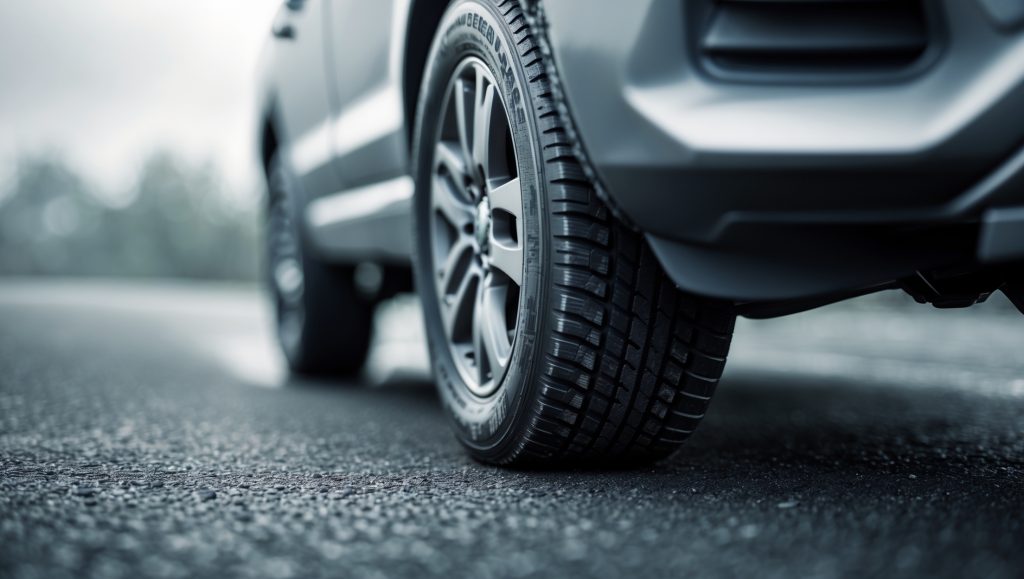
The main source of tyre noise is the interaction between the tyre tread and the road surface. Tread patterns with large, blocky elements or aggressive designs (such as those found on all-terrain or mud tyres) can generate more sound, especially at highway speeds. Conversely, tyres with optimized tread blocks, variable pitch, and smaller grooves are engineered to minimize pattern noise, making them a more comfortable choice for daily driving.
Road Surface and Environmental Factors
Different road surfaces—such as concrete, coarse asphalt, or gravel—amplify or dampen tyre noise. Even the same tyre can sound quieter or louder depending on the pavement. Seasonal temperature changes can also affect tyre rubber hardness, slightly increasing noise during colder months.
Air Cavity Resonance and Vibration
Beyond tread noise, the air inside the tyre can vibrate, producing a phenomenon called cavity resonance. This can lead to a low-frequency hum, especially noticeable in the cabin of larger vehicles like SUVs. Some premium tyres include foam inserts or noise-dampening technology to reduce this effect.
Tyre Comfort: What Makes for a Smoother Ride?
Sidewall Construction and Flexibility
Tyre comfort largely depends on the flexibility of the sidewall, which absorbs bumps and imperfections. Softer sidewalls provide better cushioning but may compromise handling precision. Many SUV tyres are designed to balance sidewall strength (for load-bearing and stability) with enough give to enhance comfort.
Tyre Profile, Width, and Aspect Ratio
Lower-profile tyres (with a smaller sidewall height relative to width) are common on performance SUVs for sharper handling, but they transfer more road vibrations. Higher-profile tyres—often found on off-road or touring SUVs—offer a smoother, cushioned ride but may feel less responsive in hard cornering. Choosing the right profile for your needs is essential for comfort.
Rubber Compound and Damping Properties
Tyres made from softer rubber compounds generally absorb road imperfections better, enhancing ride comfort. However, softer compounds may wear faster, especially on heavier SUVs. Manufacturers often use proprietary blends to achieve a balance between comfort, durability, and grip.
Factors Beyond Tyre Design: The Vehicle’s Role
Suspension Setup and Wheel Alignment
Your SUV’s suspension—shocks, springs, and bushings—works with the tyres to filter out road noise and vibrations. Worn components or improper alignment can exacerbate tyre noise and harshness. Regular suspension maintenance is just as important as tyre care for comfort.
Wheel Size and Tyre Fitment
Upsizing to larger wheels with lower-profile tyres can enhance style and handling but often increases noise and reduces ride comfort. Sticking to the manufacturer-recommended wheel and tyre sizes helps maintain the optimal balance designed for your SUV.
Sound Insulation in the Cabin
Some SUVs feature advanced noise-dampening materials in the cabin, wheel wells, and undercarriage. While this isn’t a tyre factor per se, it significantly influences your perception of tyre noise. If your vehicle is older or lacks such insulation, tyre choice becomes even more critical for comfort.
Choosing Tyres for Minimum Noise and Maximum Comfort
Tyre Type: Touring vs. All-Terrain vs. Performance
Touring and highway tyres are designed for quietness and comfort, with tread patterns optimized to reduce pattern noise and absorb road irregularities. All-terrain or mud tyres prioritize traction on loose surfaces, often at the expense of on-road quietness. Performance tyres focus on grip and responsiveness, sometimes resulting in a firmer ride and more noise. Consider your driving habits and environment when selecting a tyre type.
Manufacturer Technologies and Noise Ratings
Many leading brands now offer tyres with noise-reduction technologies such as foam lining, variable pitch tread, or silent sidewall construction. Some tyres carry official noise ratings (decibel values or sound wave symbols) on their sidewalls or technical sheets, though these are more common in European markets than the US.
Rotating and Balancing for Even Wear
Uneven tyre wear can generate additional noise and vibrations. Regular tyre rotation and balancing help maintain consistent contact with the road, reducing the chance of cupping or feathering—two wear patterns that increase noise.
Maintenance Matters: Keeping Tyres Quiet and Comfortable
Proper Inflation
Incorrect tyre pressure is a leading cause of increased noise and reduced comfort. Underinflated tyres flex excessively, generating heat, noise, and a soft, wallowy ride. Overinflated tyres transmit more road imperfections and can sound harsh. Always check and maintain the pressure recommended by your SUV’s manufacturer.
Inspecting for Damage and Wear
Tyres with uneven wear, sidewall bulges, or embedded debris can create rumbling, thumping, or whirring noises. Regularly inspect your tyres and address any issues promptly to keep the ride smooth and quiet.
Timely Replacement
As tyres age, the rubber hardens, losing its ability to absorb vibrations and generating more noise. Even if tread depth is adequate, consider replacing tyres that have exceeded their recommended service life (usually 6–10 years).
Common Mistakes
- Choosing aggressive off-road or all-terrain tyres for mostly highway driving, leading to unnecessary noise.
- Ignoring tyre pressure recommendations, resulting in increased noise and harshness.
- Neglecting regular tyre rotations and balancing, causing uneven wear and vibrations.
- Upsizing wheels without considering the impact on ride comfort and noise.
- Overlooking the suspension’s role in noise and comfort; failing to service worn shocks or bushings.
- Waiting too long to replace old or hardened tyres, even if tread depth appears safe.
Quick Checklist
- Choose tyre types designed for quietness and comfort (touring/highway over all-terrain, if appropriate).
- Stick to manufacturer-recommended wheel and tyre sizes for your SUV.
- Check and adjust tyre pressure at least once a month.
- Rotate and balance tyres at every oil change or 5,000–8,000 miles.
- Inspect tread and sidewalls regularly for wear or damage.
- Test-drive on various road surfaces before committing to new tyres.
- Service suspension and alignment as part of routine maintenance.
FAQ
- Why are my new SUV tyres noisier than the old ones?
- Some tyre types, such as all-terrain or performance tyres, produce more road noise due to their tread design. Compare your new tyres’ purpose and pattern to your previous set.
- Will larger wheels make my SUV ride more quietly?
- Not necessarily. Larger wheels often require lower-profile tyres, which transmit more noise and bumps into the cabin. Stick to the recommended size for the best comfort.
- Can tyre rotation reduce noise?
- Yes. Regular rotation prevents uneven wear that can cause vibrations and noise. It also extends tyre life and maintains consistent ride quality.
- How do I know if a tyre is designed for comfort?
- Look for terms like “touring,” “comfort,” or “quiet” in marketing materials. Check for tread patterns with smaller, closely spaced blocks and inquire about noise-dampening features.
- Are noise ratings on tyres reliable in the US?
- Some manufacturers provide internal noise ratings, but standardized labels are less common than in Europe. Independent tyre tests and user reviews can help fill the gap.
- Does inflating tyres above the recommended pressure improve comfort?
- No. Overinflation makes the ride harsher and can increase noise. Always use the manufacturer’s recommended pressure for your vehicle and load.
- Can old tyres cause more noise even if tread looks fine?
- Yes. As tyres age, the rubber hardens and loses its ability to dampen vibrations, increasing noise even if there’s sufficient tread depth.
- Do noise-reducing tyres really work?
- Tyres with noise-dampening technologies (like foam inserts) can reduce cabin noise significantly, especially on smooth roads. Effectiveness varies between models and brands.
Conclusion
Tyre noise and comfort are influenced by a combination of tyre design, vehicle factors, and maintenance habits. For SUV owners, making the right tyre choice—matched to your driving environment and preferences—is essential for a quiet, smooth ride. Regular maintenance, appropriate tyre selection, and attention to your vehicle’s suspension system will help you minimize noise and maximize comfort. When shopping for new tyres, prioritize those designed for quietness and comfort, and always consult your owner’s manual or a trusted tyre professional for personalized advice. Your SUV’s ride quality—and your peace and quiet—depend on it.
If I’ve recently noticed more road noise in my SUV, should I be looking at tyre maintenance first, or could worn suspension components be just as likely the cause?
Both tyre maintenance and suspension components can contribute to increased road noise. Start by checking your tyres for uneven wear, low pressure, or damage, as these are common culprits. If the tyres seem fine, worn suspension parts like shocks or bushings could also be causing the noise, so it’s worth having them inspected too.
You mentioned that road surface and temperature changes can affect tyre noise. Is there a specific type of tyre that performs consistently quieter on different surfaces and in various weather conditions?
Tyres with a softer rubber compound and asymmetrical tread patterns tend to perform more quietly across various surfaces and weather conditions. All-season touring tyres are usually designed for consistent comfort and lower noise levels. For the quietest ride, look for tyres specifically marketed as low-noise or comfort tyres, and check for features like noise-reducing foam or optimized tread design.
If I mostly drive on rough concrete and coarse asphalt in my area, should I prioritize tread design or sidewall flexibility for the best combination of noise reduction and comfort?
For driving mainly on rough concrete and coarse asphalt, prioritize a tyre with a tread design optimized for quietness, as tread pattern has a significant impact on noise levels. However, sidewall flexibility also plays a role in comfort, so look for tyres that balance a quiet tread with moderately flexible sidewalls. This combination will help reduce both road noise and harshness.
I’m on a tight budget—are there any affordable ways to reduce tyre noise in my SUV besides buying new tyres?
You can try several affordable options to reduce tyre noise without replacing your tyres. Make sure your tyres are properly inflated and regularly rotated, as uneven wear can increase noise. Adding more insulation in wheel arches or the cabin can help, and keeping your wheel alignment in check may also reduce road noise.
If I mainly drive my SUV on highways but occasionally go off-road, what kind of tread pattern should I prioritize to balance noise and traction?
For mostly highway driving with occasional off-road use, an all-terrain (A/T) tread pattern is a great balance. All-terrain tires are designed to minimize road noise while offering enough grip for light off-roading. Look for a tread with closely spaced blocks for quieter highway performance, but enough open areas to handle dirt or gravel when needed.
If my tyres are still in good condition but my ride has gotten noticeably bumpier and noisier, what are some troubleshooting steps I could try before replacing the tyres altogether?
Check your tyre pressure first, as incorrect inflation can cause noise and bumps. Inspect for uneven tyre wear, which may indicate alignment or suspension issues. Make sure your wheels are balanced and properly aligned. Also, look for any debris lodged in the tyres or treads. Finally, check your suspension components for wear or damage, as these can greatly affect ride comfort.