
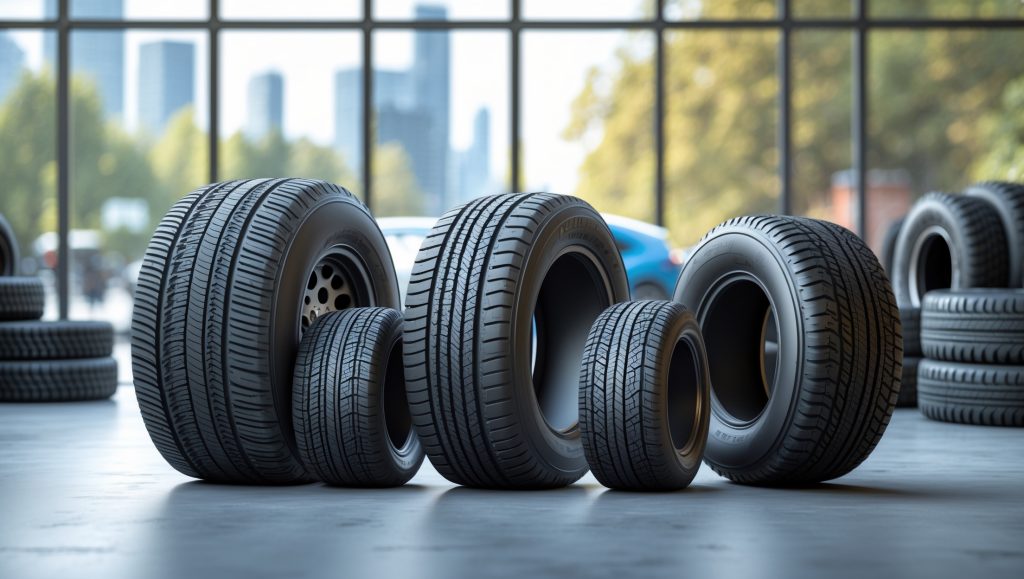
How We Chose
Our selection of the best run-flat tyres for US passenger cars and SUVs in 2025 is based on real-world feedback, current-generation product releases, and independent test results. We prioritized:
- Safety: Braking, handling, and stability, especially after a puncture.
- Wet Grip: Performance on wet roads and resistance to hydroplaning.
- Comfort/Noise: Ride quality and quietness, addressing the traditional run-flat compromise.
- Durability: Tread life and resistance to uneven wear, reflected in UTQG ratings and fleet data.
- Economy: Value for money, rolling resistance, and replacement cost.
- Labeling: UTQG treadwear, traction, and temperature grades, with attention to the latest OE fitments in the US market.
1. Michelin Primacy MXM4 ZP — Quiet Touring Assurance
Why it stands out
Michelin’s Primacy MXM4 ZP delivers a refined ride and solid wet grip, making it a favorite for luxury sedans and crossovers. Its Comfort Control Technology minimizes road noise—a notable improvement for run-flat designs.
Best for
- Premium sedans, coupes, and crossovers
- Drivers prioritizing quietness and all-season versatility
Key notes
- Season/Type: All-season touring run-flat
- Popular sizes: 225/50R17, 245/45R19, 235/40R18
- Strengths: Comfort, wet & dry grip, high treadwear rating
- Trade-offs: Not intended for deep snow
2. Bridgestone DriveGuard Plus — Extended Mobility for Mainstream Cars
Why it stands out
The DriveGuard Plus brings run-flat capability to a wider range of vehicles, not just luxury models. Its silica compound ensures reliable braking, and the added comfort layer counters the firmness typical of run-flats.
Best for
- Family sedans and small SUVs
- Drivers wanting run-flat benefits without sacrificing comfort
Key notes
- Season/Type: All-season run-flat
- Popular sizes: 205/55R16, 225/60R17, 235/65R17
- Strengths: Versatility, ride quality, accessible pricing
- Trade-offs: Performance under spirited driving is average
3. Pirelli Cinturato P7 All Season Run Flat — Balanced Performance
Why it stands out
Designed for premium European and Asian vehicles, the Cinturato P7 Run Flat offers a balance between sporty handling and daily comfort. It stands out for its eco-friendly materials and low rolling resistance.
Best for
- BMW, Mercedes, and Lexus drivers
- Eco-conscious commuters
Key notes
- Season/Type: All-season grand touring run-flat
- Popular sizes: 225/45R18, 245/40R19, 205/55R16
- Strengths: Fuel efficiency, handling, comfort
- Trade-offs: Road noise is moderate on rough pavement
4. Goodyear Eagle LS-2 RunOnFlat — OE Choice for North American Sedans
Why it stands out
Standard equipment on many US-built sedans, the Eagle LS-2 ROF is engineered for a smooth, predictable ride with run-flat dependability. Its multi-radius tread optimizes water evacuation and reduces rolling resistance.
Best for
- Domestic sedans and coupes
- Drivers seeking familiar OE feel
Key notes
- Season/Type: All-season run-flat
- Popular sizes: 245/40R19, 235/50R18, 225/55R17
- Strengths: OE quality, consistent wet/dry grip
- Trade-offs: Treadwear may be below segment leaders
5. Continental ContiProContact SSR — All-Weather Versatility
Why it stands out
The ContiProContact SSR is a staple for many European imports, offering reliable traction in variable weather and a comfortable, quiet ride. Its Self-Supporting Runflat (SSR) technology is trusted for everyday dependability.
Best for
- Import sedans and wagons
- Drivers facing mixed weather conditions
Key notes
- Season/Type: All-season run-flat
- Popular sizes: 225/50R17, 245/45R18, 205/55R16
- Strengths: Wet grip, comfort, wide fitment range
- Trade-offs: Limited winter capability
6. Dunlop SP Sport 5000 DSST — Sporty Edge for Performance Cars
Why it stands out
The SP Sport 5000 DSST is aimed at drivers who want run-flat security without surrendering spirited handling. The asymmetric tread pattern and silica blend offer reliable grip in the wet and dry alike.
Best for
- Sports sedans and coupes
- Drivers who prioritize cornering and response
Key notes
- Season/Type: Ultra high performance all-season run-flat
- Popular sizes: 225/45R18, 245/40R19
- Strengths: Handling, wet/dry grip, run-flat range
- Trade-offs: Firmer ride than touring-focused models
7. Yokohama ADVAN Sport A/S+ ZPS — All-Season Performance
Why it stands out
Yokohama’s ADVAN Sport A/S+ ZPS brings run-flat capability to the UHP all-season category, with a focus on balanced grip, longer tread life, and responsive steering—ideal for drivers who want sport without compromise.
Best for
- Enthusiast sedans and sporty crossovers
- Drivers needing performance in varied US climates
Key notes
- Season/Type: Ultra high performance all-season run-flat
- Popular sizes: 225/45R18, 245/40R18
- Strengths: Treadwear, handling, run-flat reliability
- Trade-offs: Slightly stiffer ride
8. Firestone Firehawk AS V2 Run-Flat — Value UHP Option
Why it stands out
The Firehawk AS V2 Run-Flat offers an affordable entry into UHP run-flat tyres. It stands out for its all-season performance and competitive pricing, making it attractive for budget-focused drivers.
Best for
- Sporty sedans and coupes
- Value-conscious drivers
Key notes
- Season/Type: Ultra high performance all-season run-flat
- Popular sizes: 245/40R18, 225/45R17
- Strengths: Price, all-season traction, run-flat assurance
- Trade-offs: Not as refined or quiet as premium brands
9. Hankook Ventus S1 noble2 H452A Runflat — Affordable Everyday Reliability
Why it stands out
Hankook’s Ventus S1 noble2 H452A Runflat blends solid all-season grip with a competitive price and broad US fitment. It provides dependable run-flat performance for everyday commuters without breaking the bank.
Best for
- Sedans and small SUVs
- Budget-minded drivers wanting run-flat security
Key notes
- Season/Type: All-season performance run-flat
- Popular sizes: 225/45R17, 245/40R18
- Strengths: Value, all-season capability, broad size range
- Trade-offs: Less responsive than premium competitors
Buying Tips
When choosing run-flat tyres, consider the following:
- Fitment: Confirm OE run-flat compatibility and TPMS requirements; some vehicles require run-flats for safety systems to function as designed.
- Speed/Load Index: Always select tyres matching or exceeding your vehicle’s specifications to ensure optimal safety and performance.
- Rotations: Rotate run-flat tyres at regular intervals (every 6,000–8,000 miles) for even wear, as their construction can accelerate shoulder wear if neglected.
- Storage: If swapping to non-run-flats seasonally, store run-flats in a cool, dry environment away from direct sunlight and chemicals.
- Alignment: Have your alignment checked at installation and during rotations to prevent irregular wear, which is less forgiving on run-flat designs.
Verdict
Run-flat tyres have evolved, offering better comfort, broader fitment, and more value than ever. Choose Michelin Primacy MXM4 ZP or Bridgestone DriveGuard Plus for premium comfort and quietness. For performance-focused sedans, Dunlop SP Sport 5000 DSST and Yokohama ADVAN Sport A/S+ ZPS deliver a sportier feel. Budget-conscious drivers should consider Firestone Firehawk AS V2 Run-Flat or Hankook Ventus S1 noble2 H452A Runflat for everyday reliability. Always match your tyre to your driving needs, vehicle, and local climate for the best experience.
Do you have any info on how the Michelin Primacy MXM4 ZP handles when temperatures drop, since it’s not intended for deep snow but still an all-season tire?
The Michelin Primacy MXM4 ZP maintains reasonable traction in colder temperatures thanks to its all-season compound, but its performance does decline as temps approach freezing. While it can handle light winter conditions, it’s not designed for deep snow or ice, so extra caution is needed in those situations. For frequent winter driving, dedicated winter tires are a safer choice.
You mentioned the Bridgestone DriveGuard Plus is more accessible for mainstream cars. Are there any compromises in durability or tread life compared to the Michelin option?
The Bridgestone DriveGuard Plus is designed to be more broadly compatible and affordable, but its tread life and durability are generally slightly lower than the Michelin run-flat option, which is known for longevity. Most users still find the DriveGuard Plus offers reliable performance for everyday driving, though you may notice a shorter lifespan, especially under harsher conditions.
For someone driving mostly in areas with occasional heavy rain but never snow, would you recommend prioritizing wet grip or overall comfort when picking from your list?
Since you often encounter heavy rain but not snow, wet grip should be your top priority for safety and confident handling. Comfort is important too, but a tyre with excellent wet grip will reduce the risk of hydroplaning and keep you safer in those conditions.
I’m on a tight student budget—are any of these run-flat tires considered affordable to maintain and replace compared to standard tires?
Run-flat tires generally cost more upfront than standard tires, both for purchase and replacement. However, some models like the Bridgestone DriveGuard aim to be more budget-friendly among run-flats. Still, if affordability is your top concern, standard tires are often less expensive to buy and maintain, though you’ll lose the ability to drive after a puncture.
If I mostly drive a family sedan and am trying to keep costs down, is the Bridgestone DriveGuard Plus noticeably more affordable to replace than other options on the list?
The Bridgestone DriveGuard Plus is generally priced in the mid-range among run-flat tyres. While it’s not the most expensive, it’s not usually the cheapest either. For a family sedan and budget considerations, you might find certain models from Kumho or Falken on the list to be more affordable. It’s a good idea to check local pricing, as costs can vary.
The article mentions run-flats aren’t for deep snow, but are any of these models decent for light winter conditions, or should I look into a separate set of winter tires?
Most run-flat tires in the article are designed for all-season use, meaning they can handle light winter conditions like chilly temperatures or occasional flurries. However, if you expect frequent snow or icy roads, dedicated winter tires will offer much better grip and safety. For occasional light winter driving, the all-season run-flats listed should suffice, but always drive cautiously.
Do these run-flat tires require special installation procedures or equipment, or can most tire shops handle fitting them without issue?
Most run-flat tires can be installed by standard tire shops, but some may require special equipment or techniques due to their stiffer sidewalls. It’s best to check with your shop ahead of time to make sure they have experience with run-flat tires and the right tools to avoid damage during installation.
Do these run-flat options affect fuel economy much? I’m trying to balance safety with keeping my gas costs down.
Run-flat tyres can have a small impact on fuel economy since they’re often slightly heavier and have stiffer sidewalls compared to standard tyres. The difference is usually minor—often less than a few percent in most cases. If minimizing gas costs is a priority, look for run-flats labeled as ‘low rolling resistance,’ as these are designed to help improve fuel efficiency.
If comfort is my main priority for highway driving, would you recommend the Michelin or the Bridgestone from your list?
If comfort is your top priority for highway driving, the Michelin run-flat tyres from the list are generally known for their smoother, quieter ride compared to the Bridgestone models. Michelin often prioritizes ride comfort and low road noise, making them a good choice for long-distance highway travel.
Could you clarify what kind of tread life I should realistically expect from these run-flats on a typical midsize sedan with mainly city driving?
For a typical midsize sedan used mostly in city driving, you can expect run-flat tyres to last around 25,000 to 40,000 miles. City conditions—like frequent stops and starts—can shorten tread life compared to highway driving. Regular maintenance, such as proper inflation and rotation, helps maximize their longevity.