
Introduction
Tyre noise is more than just a background annoyance—it can affect your driving experience, comfort, and even signal potential mechanical issues. As automotive technology and highway infrastructure improve, quiet cabins and smooth rides are increasingly expected by US drivers and fleet owners alike. But tyre noise remains a challenge, caused by a mix of factors including tyre design, road surface, and vehicle characteristics. Understanding how tyre noise is generated, what influences it, and how you can minimize it is key to enjoying a more comfortable, less stressful drive. In this article, we’ll explore the main sources of tyre noise, practical strategies to reduce it, and what to look for when choosing new tyres for your car or fleet.
What Causes Tyre Noise?
How Tyres Generate Sound
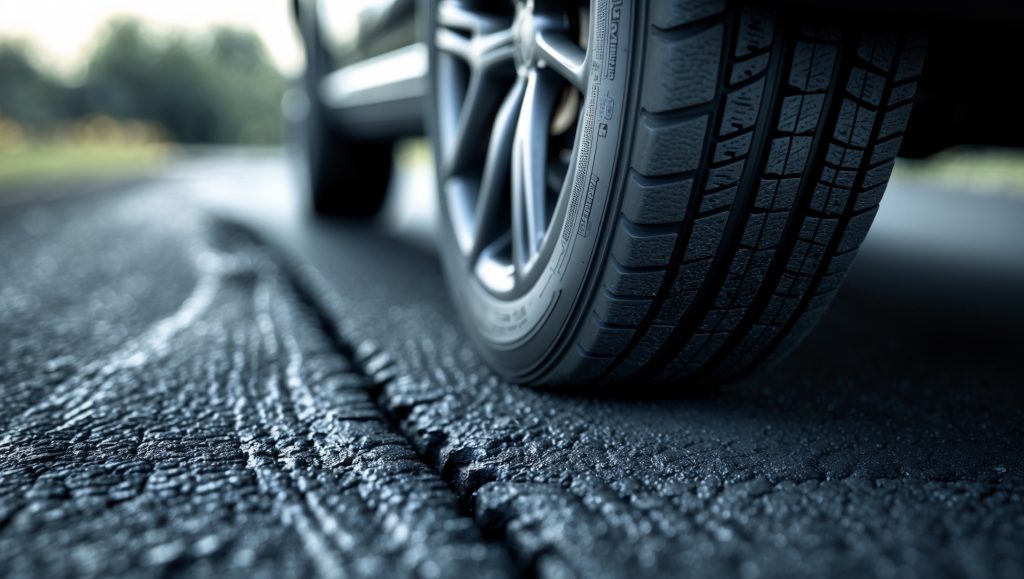
Tyre noise arises mainly from the interaction between the tyre tread and the road surface. As the tyre rolls, air is compressed and released within the tread grooves, creating sound waves. The vibration of the tyre structure and rapid flexing of rubber compounds can also contribute to noise, especially at higher speeds.
Types of Tyre Noise
- Pattern noise: Produced by the tread pattern’s interaction with the road, often heard as a humming or droning at specific speeds.
- Impact noise: Caused when tyres hit bumps, potholes, or road joints, resulting in sharp thuds or bangs.
- Air-pumping noise: Occurs when air is compressed and expelled from tread grooves as the tyre contacts the road.
- Structure-borne noise: Vibrations transmitted through the tyre and suspension into the cabin, sometimes amplified by the vehicle’s body.
Road Surface and Environmental Factors
Different road surfaces—such as smooth asphalt versus rough concrete—can dramatically affect how much noise is generated and transmitted. Wet conditions can also change the noise profile, sometimes making certain tyres sound louder due to water displacement.
Tyre Design and Its Impact on Noise
Tread Pattern
Modern tyre tread patterns are engineered for a balance of performance, safety, and comfort. Designs with variable pitch (the arrangement and size of tread blocks) can help break up sound waves, reducing overall noise. Symmetrical and asymmetrical treads distribute noise differently, with some patterns specifically developed to minimize resonance and humming.
Compound and Construction
Softer rubber compounds tend to absorb more vibrations, resulting in a quieter ride, but may wear faster. Stiffer, harder compounds can be noisier, especially on rough surfaces. Tyre construction, such as reinforced sidewalls or advanced internal damping layers, also plays a role in limiting noise transmission into the cabin.
Size and Profile
Wider tyres or those with lower profiles (shorter sidewalls) often generate more noise due to increased contact area and stiffer construction. Conversely, tyres with higher sidewalls tend to absorb more road vibrations, lowering perceived noise levels.
Specialized Low-Noise Tyres
Some manufacturers offer tyres specifically designed for reduced noise, featuring foam inserts, advanced tread sequences, or noise-reducing sidewall designs. While these can offer significant improvements, they may come at a premium price and sometimes trade off other performance aspects.
Practical Steps to Minimize Tyre Noise
Choose the Right Tyres
When selecting new tyres, look for models advertised as “quiet” or “low noise” and check for independent reviews or test results focusing on noise levels. Consider the tread pattern, compound, and sidewall design, and match tyres to your typical driving conditions—urban, highway, or mixed.
Proper Tyre Maintenance
- Maintain correct tyre pressure: Underinflated or overinflated tyres can create extra vibration and uneven wear, increasing noise.
- Regularly rotate tyres: Rotating tyres according to your vehicle’s recommendation helps ensure even wear, preventing noise from uneven tread patterns.
- Ensure alignment and balance: Misaligned wheels or unbalanced tyres cause vibrations and droning sounds, especially at highway speeds.
Address Worn or Damaged Components
Old or unevenly worn tyres are much noisier than fresh, evenly worn ones. Suspension components, wheel bearings, and bushings also play a role—worn parts can amplify or create new noises that can be mistaken for tyre issues.
Driving Habits Influence Noise
Hard acceleration, aggressive cornering, and sudden braking increase tyre slip and deformation, which can make tyres noisier. Smooth, steady driving helps reduce tyre-generated noise and prolongs tyre life.
How Tyre Noise Affects Different Vehicles
Passenger Cars
Modern sedans and crossovers typically have good noise insulation, but tyre choice still makes a noticeable difference. Low-profile, sporty tyres often trade comfort for grip, resulting in higher noise levels compared to touring or comfort-oriented tyres.
Trucks and SUVs
Larger vehicles with aggressive all-terrain or mud tyres can be significantly louder, especially at highway speeds. For fleet trucks or SUVs used primarily on-road, selecting highway-terrain tyres with a quiet tread design can greatly improve in-cabin comfort.
Electric Vehicles (EVs)
EVs are naturally quieter due to the absence of engine noise, making tyre and road noise more noticeable. Many EV-oriented tyres feature special compounds, foam inserts, or tread designs to address this.
Evaluating Tyre Noise Before Buying
Reading Reviews and Test Results
Look for independent tyre tests and user reviews that specifically rate noise. Pay attention to both measured decibel levels and subjective comfort ratings. Remember, actual noise can depend on the vehicle, so seek feedback from owners with similar cars or driving environments.
Understanding Tyre Labelling
While the US does not have a standardized tyre noise label like the EU, some manufacturers provide internal noise ratings or use symbols to indicate quieter models. Ask your tyre dealer for guidance or consult their technical data sheets for additional information.
Test Drives and Real-World Checks
If possible, test drive a vehicle equipped with your tyre of interest. Listen for humming, droning, or harshness at various speeds and on different road surfaces. Compare to your current tyres for a direct sense of improvement or difference.
Common Mistakes
- Ignoring tyre pressure, leading to increased vibration and tread wear
- Selecting tyres solely on price without considering noise ratings
- Fitting aggressive off-road tyres for primarily on-road driving
- Delaying replacement of worn, cupped, or unevenly worn tyres
- Overlooking suspension or wheel alignment issues as a source of noise
- Assuming all noise originates from tyres without checking wheel bearings or brakes
- Neglecting to rotate tyres, causing uneven tread and more noise
Quick Checklist
- Check and maintain correct tyre pressure monthly
- Inspect tyres for uneven wear, cupping, or damage
- Rotate tyres every 5,000–8,000 miles
- Balance and align wheels at recommended intervals
- Read noise ratings and reviews before buying new tyres
- Consider quieter tread patterns for highway driving
- Replace worn suspension or steering components promptly
- Test drive or listen to similar vehicles with your shortlisted tyre
FAQ
- Does tyre noise mean my tyres are unsafe?
- Not always. Some noise is normal, but sudden increases or unusual sounds can signal worn tread, cupping, or mechanical issues. Inspect tyres regularly for safety.
- Can rotating my tyres reduce noise?
- Yes. Regular rotation helps maintain even wear, which reduces noise caused by uneven tread patterns or cupping.
- Are low-profile tyres always noisier?
- Generally, yes. Low-profile tyres have stiffer sidewalls and larger contact patches, which can transmit more road noise into the cabin.
- Will a quieter tyre reduce noise on all roads?
- It helps, but road surface (asphalt, concrete, chipseal) greatly influences overall noise. Even the quietest tyres can sound loud on rough surfaces.
- Is there a US label for tyre noise?
- No. The US does not require tyre noise labels like the EU, so check manufacturer info and independent reviews for noise performance details.
- How do I know if noise is from tyres or wheel bearings?
- Tyre noise usually changes with road surface or tyre type. Wheel bearing noise often gets louder with speed and doesn’t change when you switch surfaces or tyres. If unsure, have a mechanic inspect your vehicle.
- Do all-terrain tyres make more noise than highway tyres?
- Typically, yes. Aggressive tread blocks on all-terrain or mud tyres generate more pattern and air-pumping noise than smoother highway or touring tyres.
- Are foam-insert tyres worth the extra cost?
- For drivers seeking maximum quiet, especially in EVs or luxury cars, foam-insert tyres can lower in-cabin noise. However, they are more expensive and may not be necessary for all drivers or vehicles.
Conclusion
Tyre noise can have a significant impact on your driving comfort and the perceived quality of your vehicle. By understanding what causes tyre noise and how tyre design, maintenance, and vehicle factors interact, you can make smarter choices for a quieter, more pleasant ride. Regularly check and maintain your tyres, match tread patterns to your driving environment, and consult trusted reviews before making a purchase. If you’re experiencing excessive noise, don’t ignore it—inspect your tyres and related components promptly. With the right attention, you can minimize tyre noise and enjoy a smoother, more relaxing journey on US roads.
As a small business that runs a delivery fleet, do you have advice on specific tyre patterns that perform better on rough concrete surfaces but still keep noise levels low?
For delivery fleets on rough concrete, look for tyres with asymmetric or ribbed tread patterns. These designs are known to reduce noise while maintaining grip and durability. Avoid aggressive block-patterned tyres—they tend to be noisier. Also, consider tyres labeled as ‘low noise’ or ‘comfort’ by their manufacturers, as these often feature additional noise-reducing technology suitable for urban delivery use.
You mentioned that tyre noise can indicate potential mechanical issues. What types of unusual sounds should I watch out for that might signal a problem beyond just normal road noise?
Listen for sounds like humming, thumping, grinding, or squeaking that are louder or different than your usual road noise. These can point to issues like uneven tyre wear, wheel bearing problems, misalignment, or loose suspension parts. If you notice persistent or unusual noises, it’s a good idea to have your vehicle checked by a mechanic for safety.
Could tyre noise be an early indicator of a mechanical problem with my vehicle, and if so, what specific changes in noise should I watch out for?
Tyre noise can sometimes signal mechanical issues. Watch for sudden increases in volume, rhythmic thumping, grinding, or whining sounds that weren’t there before. These noises may indicate problems like worn wheel bearings, misalignment, or suspension issues. If you notice any unusual or persistent changes in tyre noise, it’s a good idea to have your vehicle checked by a professional.