
Introduction
Tyre noise is more than just an annoyance—it’s an important indicator of tyre health, road comfort, and even vehicle safety. For US drivers and fleet owners, understanding tyre noise can help improve ride quality, reduce driver fatigue, and maintain compliance with local noise regulations. With modern vehicles becoming quieter overall, tyre noise is now one of the most noticeable sources of road sound. Addressing tyre noise is not just about comfort; it impacts fuel efficiency, vehicle maintenance costs, and the perception of vehicle quality, especially for commercial fleets. This article will explore what causes tyre noise, how to minimize it, and practical advice for making informed tyre choices in 2025 and beyond.
What Causes Tyre Noise?
Tread Design and Pattern
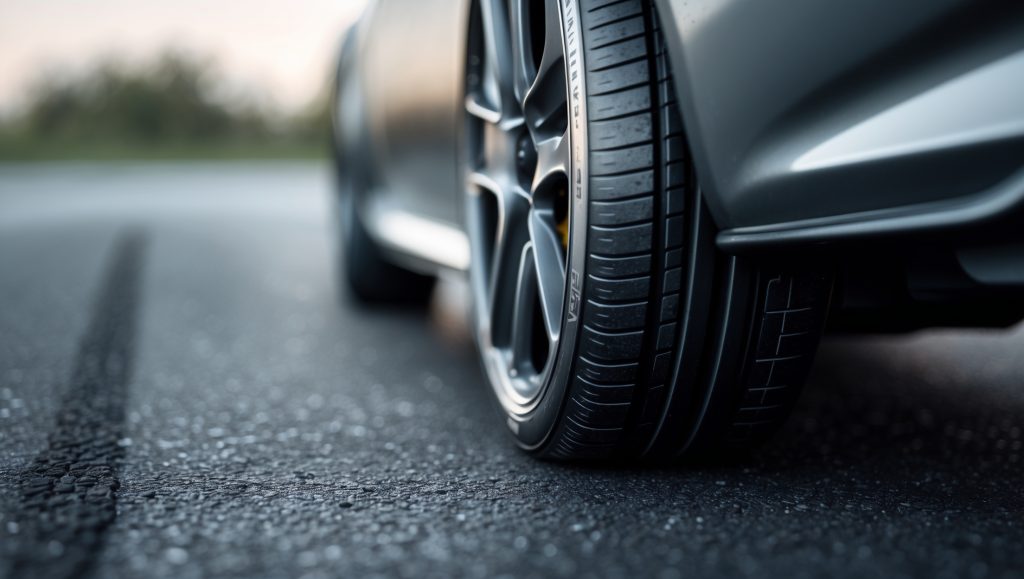
The grooves, blocks, and sipes in a tyre’s tread interact with the road surface, generating vibrations that translate into noise. Aggressive patterns with large blocks, such as those on off-road or all-terrain tyres, typically produce more noise, while touring and comfort-focused tyres use optimized tread designs to reduce sound output.
Tyre Compound and Materials
The rubber compound affects how sound is absorbed or transmitted. Softer compounds can dampen vibrations better, reducing noise, but may wear faster. Harder compounds may last longer but can transmit more road noise, especially as the tyre ages.
Tyre Size and Width
Wider tyres with lower profiles have more surface contact, which can increase the amount of sound produced, especially at highway speeds. Larger wheel diameters may also amplify noise due to less sidewall flex, which otherwise helps absorb road vibrations.
Road Surface and Conditions
Tyre noise is not only about the tyre itself. Rough, coarse, or uneven pavement will always generate more noise than smooth asphalt. Wet surfaces can also amplify certain frequencies, especially if the tread has trouble evacuating water efficiently.
Vehicle Factors
Suspension design, wheel alignment, and even the type of sound insulation in a vehicle’s cabin play a role in how much tyre noise is heard by the driver and passengers. Incorrect alignment or worn suspension components can cause tyres to wear unevenly, increasing noise levels.
Types of Tyre Noise and What They Indicate
Pattern Noise
This is the most common type of tyre noise and is directly linked to the tread design. It becomes more noticeable at certain speeds and can often be recognized as a rhythmic hum or whine.
Cupping or Feathering Noise
If a tyre is worn unevenly—often due to misalignment, worn suspension, or improper inflation—it may develop high and low spots. These create a distinctive droning or thumping noise, which can worsen over time.
Road Impact Noise
Generated when tyres hit imperfections, cracks, or potholes, this noise is usually brief but can be harsh. It is more prominent with low-profile tyres or stiffer suspension setups.
Resonance and Harmonics
Some tyres may resonate at certain speeds, producing a steady drone. This can be due to the tyre’s construction, tread pattern, or how air circulates within the tread grooves.
How to Reduce Tyre Noise
Choosing the Right Tyre
Look for tyres specifically marketed as quiet or comfort-oriented. These often feature variable pitch tread patterns, noise-reducing foam layers, and optimized sidewall designs. Review independent tests and manufacturer specifications to compare decibel (dB) ratings where available.
Proper Tyre Maintenance
- Maintain Correct Tyre Pressure: Under or over-inflated tyres can create uneven tread wear, increasing noise. Check pressures monthly and adjust per the vehicle manufacturer’s recommendations.
- Rotate Tyres Regularly: Regular rotation every 5,000–8,000 miles promotes even wear, reducing the risk of cupping or feathering that leads to extra noise.
- Wheel Alignment: Misalignment can cause tyres to scrub unevenly, resulting in noisy wear patterns. Have alignment checked annually or if you notice the car pulling to one side.
- Balance Tyres: Out-of-balance tyres can vibrate, creating additional road noise. Balance tyres when mounting new ones and any time you detect unusual vibrations.
Vehicle Upgrades and Adjustments
- Check Suspension Components: Worn shocks, struts, or bushings lead to poor tyre contact and uneven wear, both of which increase noise. Replace worn parts promptly.
- Enhance Cabin Insulation: Some vehicles benefit from aftermarket sound-deadening materials in doors, floors, or wheel wells to block more road noise.
Tyre Noise and US Regulations
Federal Standards
While the US does not have the same tyre noise labeling as the EU, the National Highway Traffic Safety Administration (NHTSA) monitors and regulates vehicle noise, including tyres, for new vehicles. Some states and municipalities have specific noise ordinances impacting commercial and passenger vehicles.
Fleet Considerations
For fleets, excessive tyre noise can impact driver satisfaction and retention, while also attracting unwanted attention in regulated areas. Choosing low-noise tyres and maintaining them properly can help fleets meet local requirements and reduce vehicle downtime.
When to Be Concerned About Tyre Noise
Sudden Changes in Sound
A new, persistent noise could indicate a developing issue: a puncture, separated tread, or a failing wheel bearing. Sudden increases in tyre noise warrant immediate inspection.
Chronic or Worsening Noise
If noise grows steadily over time, it may point to alignment or suspension problems, or simply that the tyres are reaching the end of their service life.
Common Mistakes
- Ignoring tyre noise, assuming it’s normal for the vehicle or road.
- Overlooking the importance of tyre maintenance (pressure, rotation, alignment).
- Choosing tyres based solely on price or tread life, rather than considering noise ratings or comfort features.
- Neglecting suspension and alignment checks when tyre noise increases.
- Assuming all new tyres are quiet—some performance or off-road models are inherently louder.
- Using mismatched tyre types or brands on the same vehicle, leading to uneven noise.
Quick Checklist
- Check tyre pressures monthly and adjust as needed.
- Rotate tyres every 5,000–8,000 miles.
- Schedule annual wheel alignment checks.
- Inspect tyre tread for uneven wear or cupping.
- Balance tyres at installation and if vibrations occur.
- Research and select tyres with good noise ratings or comfort features.
- Promptly address any new or worsening tyre noise.
- Consider adding sound-deadening materials if road noise persists.
FAQ
- What is the main cause of tyre noise?
Tyre noise is mainly caused by the interaction between tread pattern and the road surface. Other factors include tyre material, size, and vehicle suspension. - Are some tyres quieter than others?
Yes, tyres designed for touring or comfort typically use tread patterns and compounds that minimize noise. Performance or off-road tyres are often louder due to their aggressive tread. - Can tyre noise indicate a problem?
Sudden increases in tyre noise can signal issues like uneven wear, misalignment, or mechanical problems. Persistent or unusual sounds should be checked by a professional. - Do wider tyres make more noise?
Generally, wider tyres with lower profiles produce more noise due to increased road contact area and less sidewall flex to absorb vibrations. - How can I tell if my tyres are causing the noise?
If the noise changes with road speed or varies between different surfaces, it’s likely tyre-related. A mechanic can help diagnose by checking tyre condition and wear patterns. - Is tyre noise covered under warranty?
Most tyre warranties cover manufacturing defects but not noise unless linked to a defect. Excessive noise due to wear or maintenance issues is usually not covered. - Will rotating tyres reduce noise?
Regular rotation helps prevent uneven wear, which is a common cause of tyre noise. It may not eliminate noise completely but is an important preventive measure. - Can I make my vehicle cabin quieter?
Besides choosing low-noise tyres, adding sound-deadening materials and ensuring good door/window seals can reduce the amount of road noise entering the cabin.
Conclusion
Tyre noise is an important factor in vehicle comfort and can also serve as a warning sign for potential problems. US drivers and fleet operators can minimize tyre noise by choosing the right tyres, maintaining them properly, and addressing mechanical issues promptly. Listening to your tyres—and acting on what you hear—can help you enjoy a quieter ride, reduce wear and maintenance costs, and ensure a safer driving experience. For your next tyre purchase, consider noise ratings and comfort features alongside performance and value, and consult with a trusted tyre professional for tailored advice.
How much of a difference does tread pattern make for highway driving compared to city driving when it comes to tyre noise?
Tread pattern plays a noticeable role in tyre noise for both highway and city driving, but it’s usually more significant at highway speeds. On highways, continuous and directional tread patterns tend to produce less noise, while aggressive or blocky treads can be louder. In city driving, lower speeds mean tread pattern noise is less apparent, so the difference isn’t as pronounced.
If I mostly drive on rough city roads and sometimes highways, should I prioritize tread pattern or tyre compound when picking a quieter tyre?
For city roads with rough surfaces, the tyre compound is important because a softer compound can help absorb road noise. However, tread pattern plays a bigger role in reducing noise, especially at highway speeds. For your mix of city and highway driving, look for tyres with a quieter, streamlined tread pattern and a compound suited for comfort to balance noise reduction and durability.
For someone managing a small commercial fleet, what’s the most cost-effective first step to minimize tyre noise and possibly improve fuel efficiency at the same time?
For a small commercial fleet, the most cost-effective first step is to ensure all tyres are properly inflated to the manufacturer’s recommended pressure. This reduces tyre noise and also helps improve fuel efficiency. Regularly checking and maintaining correct tyre pressure is simple, inexpensive, and yields noticeable benefits for both noise and fuel costs.
If I mostly drive on highways but sometimes go off-road, how much louder would all-terrain tyres actually be compared to regular touring tyres, and is it worth the trade-off for occasional off-road trips?
All-terrain tyres are generally 2 to 6 decibels louder than regular touring tyres, especially at highway speeds. This means a noticeable hum or drone inside your car. If your off-road trips are occasional, you might find the extra noise and slightly reduced comfort on highways isn’t worth it unless you really need the off-road capability.
Is there any indication that US noise regulations for tyres will get stricter after 2025, and should commercial fleet owners be preparing for any specific changes now?
Currently, there is no official indication that US noise regulations for tyres will become stricter after 2025. However, it’s wise for commercial fleet owners to monitor developments, as increased focus on environmental and community noise issues could lead to future changes. Staying informed and considering quieter tyre options now can help fleets be better prepared if new rules emerge.
For small fleet owners who want to reduce maintenance costs, what practical steps can we take to minimize tyre noise without investing in entirely new tyres?
You can minimize tyre noise by regularly checking and maintaining correct tyre pressure, ensuring tyres are properly aligned and rotated, and keeping wheel bearings in good condition. Removing excess vehicle load and cleaning debris from tyre treads can also help. These steps reduce noise and extend tyre life without the need for new tyres.
I have a minivan and noticed the tyres seemed noisier after switching to a wider size for better handling. Is it normal for wider tyres to make that much difference in cabin noise?
Yes, it’s quite normal for wider tyres to increase cabin noise. Wider tyres have more surface area in contact with the road, which can lead to more road noise being transmitted into your minivan. This is a common trade-off when opting for tyres that offer better handling.
As a parent driving kids around town, I’m curious—are there tyre types designed to balance low noise and safety, especially for city driving?
Yes, some tyres are specifically designed for low noise and safety, ideal for city driving. Look for tyres labeled as ‘touring’ or ‘comfort,’ which often feature noise-reducing tread patterns and softer rubber compounds for a quieter ride. Make sure to also check for good wet and dry grip ratings to ensure safety for your family.
For drivers with wide, low-profile tyres who notice increased highway noise, what are some practical steps they can take to minimize the sound without compromising performance?
To reduce highway noise with wide, low-profile tyres, consider keeping your tyres properly inflated and aligned, as this helps minimize vibrations. Opting for tyres specifically designed for low noise can also help. Adding sound-deadening material to wheel wells and the cabin, and regularly rotating tyres to ensure even wear, are additional practical steps that don’t compromise performance.
Could you elaborate on how tyre noise specifically affects fuel efficiency for commercial fleets? Are there measurable cost differences between quieter and louder tyre models over time?
Tyre noise often signals increased rolling resistance, which means the engine has to work harder, leading to higher fuel consumption—especially for commercial fleets covering long distances. Quieter tyres are typically designed for lower rolling resistance, improving fuel efficiency. Over time, fleets using quieter, low-resistance tyres can see measurable savings in fuel costs, often offsetting the slightly higher upfront price of these tyres.
You mention tyre noise affecting fuel efficiency—how significant is this impact for commercial fleets over the long term?
Tyre noise often signals increased rolling resistance, which can lead to higher fuel consumption. For commercial fleets covering thousands of miles annually, even a small rise in rolling resistance can add up to significant extra fuel costs over time. Addressing tyre noise through proper maintenance and tyre selection helps fleets improve both comfort and long-term fuel efficiency.
If most of my daily commute is on rough or uneven pavement, are there specific tread patterns or tyre types you recommend to minimize noise?
For rough or uneven pavement, look for tyres with a continuous rib tread pattern or asymmetric patterns, as these tend to produce less noise. Touring or comfort-oriented tyres are specifically designed to reduce road noise and are usually a good choice for quieter commutes on rough surfaces.
If a tyre starts making more noise than usual, how can you tell if it’s just normal wear or a sign of a problem like misalignment or uneven tread wear?
Listen for sudden changes like thumping, whining, or vibrations—these can suggest misalignment or uneven tread wear rather than just normal ageing. Visually inspect the tyres for uneven tread patterns or bald spots. If the noise is persistent or you notice irregular wear, it’s wise to have a technician check alignment and tyre condition.
With electric vehicles being quieter overall, has there been any push for stricter tyre noise standards or new labels for tyre noise ratings in the US recently?
Currently, the US has not introduced stricter tyre noise standards or new labeling requirements specifically due to the rise of electric vehicles. While tire noise is becoming more noticeable with quieter EVs, most regulations and detailed noise ratings are still more common in Europe than in the US.
You mentioned that larger wheel diameters could amplify noise due to less sidewall flex. Is this a noticeable issue on most modern sedans, or is it mainly a concern for SUVs and trucks?
While larger wheel diameters can increase noise due to reduced sidewall flex, the effect is more pronounced on SUVs and trucks because they often use bigger wheels and sturdier tires. On most modern sedans, manufacturers balance wheel size and tire design to keep noise at acceptable levels, so it’s usually less noticeable for sedan drivers.
Can tyre noise get worse as the tyres age? If my car is suddenly louder but the tread seems fine, could the rubber compound be the issue?
Yes, tyre noise often increases as tyres age, even if the tread looks good. The rubber compound can harden or develop small cracks over time, causing more noise. Other factors like uneven wear, internal damage, or loss of flexibility can also make your car louder, so it’s possible the rubber itself is contributing.
With the focus on upcoming regulations in 2025 and beyond, are there any tyre models currently available that already meet stricter noise limits?
Yes, several tyre manufacturers already offer models designed to meet stricter noise regulations, even ahead of the 2025 requirements. Look for tyres labeled with features like noise-reducing tread patterns or foam inserts. Brands such as Michelin, Continental, and Bridgestone have low-noise tyres that comply with upcoming standards. Check the tyre specifications or ask your dealer to confirm compliance with the future noise limits.
How often should tyres be rotated or maintained specifically to keep noise down, or is rotation mostly for even wear and unrelated to noise issues?
Tyre rotation is mainly done to ensure even wear, but it can also help reduce noise. Unevenly worn tyres often produce more noise. Rotating your tyres every 5,000 to 8,000 miles can keep both wear and noise levels down. Regular maintenance like checking tyre pressure and alignment also helps minimize noise.
When choosing tyres optimized for comfort versus noise reduction, are there any noticeable trade-offs in fuel efficiency?
Yes, there can be trade-offs. Tyres designed for maximum comfort or low noise often use softer rubber compounds and specific tread patterns, which might increase rolling resistance slightly. This can lead to a small decrease in fuel efficiency compared to tyres optimized solely for low rolling resistance. However, the difference is usually minor for most everyday driving situations.
How can small fleet owners balance tyre noise reduction with concerns about tyre longevity and cost, especially when choosing between softer and harder rubber compounds?
Small fleet owners can balance tyre noise, longevity, and cost by choosing tyres with a moderate rubber compound, not too soft or hard. Look for tyres labeled as ‘low-noise’ or ‘touring,’ which often offer a good compromise. Regular tyre maintenance—such as correct inflation and rotation—also helps extend tyre life and keeps noise levels down without the need for premium compounds.
Are there particular tyre compounds you recommend for wet conditions to minimize both noise and the risk of hydroplaning?
For wet conditions, look for tyres with silica-based compounds. Silica improves grip on wet roads and helps reduce rolling noise. Tyres specifically labeled as ‘all-season’ or ‘rain’ often use these compounds and feature tread patterns designed to channel water away, minimizing hydroplaning and noise. Always check manufacturer specifications for wet performance and noise ratings before choosing a tyre.
You mention that larger wheel diameters can amplify noise due to less sidewall flex. Would downsizing wheels be an effective solution for someone wanting a quieter daily commute in the US?
Yes, switching to smaller wheels with higher-profile tires can help reduce road noise. The added sidewall flex in higher-profile tires absorbs more vibration, which often leads to a quieter ride. Just make sure to check your vehicle’s compatibility and consult your owner’s manual before making any changes.
The article says rough road surfaces make tyre noise worse. Is there anything I can do as a driver to minimize noise besides changing tyres, especially since I drive mostly on older city streets?
You can help reduce tyre noise on rough city streets by keeping your tyres properly inflated, maintaining correct wheel alignment, and driving at moderate speeds. Avoiding sudden braking and sharp turns can also minimize noise. Regularly rotating your tyres to ensure even wear may help as well.
How can small business fleet owners balance the need for longer-lasting tyres with the lower noise levels mentioned in the article, especially since harder compounds seem to increase tyre noise?
Finding the right balance involves choosing tyres with advanced tread designs and innovative rubber blends. Look for tyres labeled as low-noise or designed for commercial use, which often combine durability with noise reduction. Regular maintenance, such as proper inflation and wheel alignment, also helps minimize noise and extend tyre life for your fleet.
For US drivers living in areas with mainly rough pavement, are there specific tread patterns or rubber compounds you would suggest to minimize tyre noise without giving up too much tread life?
For rough pavement, consider tyres with asymmetric or variable pitch tread patterns, as these are designed to disrupt sound waves and reduce noise. Look for rubber compounds optimized for all-season or touring tyres, since these typically balance low noise with good tread life. Avoid aggressive, blocky treads meant for off-road use, as they tend to be noisier on rough surfaces.
I noticed the article mentions wider tyres can be noisier, but do they offer any safety or handling benefits that might make the extra noise worthwhile for family vehicles?
Wider tyres can improve grip and stability, especially during cornering or in wet conditions, which may enhance safety and handling for family vehicles. However, they can also increase rolling resistance and fuel consumption. It’s important to balance these benefits against the added noise and costs, and consult your vehicle’s guidelines before making any tyre changes.
If I’m noticing more tyre noise as my tyres get older, is it usually due to tread wear, or could it be the rubber compound getting harder as mentioned in the article?
Both tread wear and the rubber compound hardening can cause more tyre noise as your tyres age. Worn tread can lead to less sound absorption, while older rubber often gets harder, which makes noise worse. It’s common for both factors to contribute, so checking tread depth and considering the age of your tyres can help you decide if it’s time to replace them.
I’m curious if upgrading to newer, softer tyre compounds for quieter rides will noticeably affect longevity or cost for a daily commuter. What’s the best balance for everyday US drivers?
Upgrading to softer tyre compounds can reduce road noise, but these tyres often wear out faster and may cost more than standard options. For daily commuting, consider touring tyres specifically designed to balance quietness, durability, and price. They typically offer a good mix of comfort and longevity for everyday US drivers without a significant increase in cost.
If I’m looking to cut down on tyre noise for a daily driver, should I focus more on the tread design or the rubber compound when picking new tyres?
For reducing tyre noise in a daily driver, tread design is generally more important than rubber compound. Tyres with streamlined, asymmetric patterns and smaller, tightly packed tread blocks tend to produce less road noise. The rubber compound does play a role, but focusing on tread design will have a bigger impact on noise levels.
How does tyre noise actually impact fuel efficiency, and is it significant enough to justify buying premium ‘quiet’ tyres for a family vehicle?
Tyre noise itself is mostly a byproduct of rolling resistance, which can impact fuel efficiency. Quiet tyres often have lower rolling resistance, which can help improve fuel economy slightly. For a family vehicle, the fuel savings may be modest, but if you value a quieter ride alongside small efficiency gains, premium ‘quiet’ tyres could be worthwhile.
With kids in the car, road noise can make long drives really tiring. If I have to pick between a softer tyre compound that might wear out faster but is quieter, or a harder one that lasts longer but is louder, which would you recommend for mostly suburban driving?
For mostly suburban driving with children, a softer tyre compound is often the better choice if reducing noise and comfort are your top priorities. While they may wear faster, the quieter, smoother ride can make family trips much more pleasant. Just keep an eye on tyre condition and rotate them regularly to extend their life where possible.
For drivers prioritizing fuel efficiency, how should they balance between softer, quieter tyre compounds and the potential for faster wear mentioned in the article?
To balance fuel efficiency with tyre noise and wear, look for tyres labeled as low rolling resistance. These often use compounds and tread patterns designed to save fuel while managing noise. Keep in mind that very soft, quiet tyres may wear faster, so check reviews or manufacturer info for tread life estimates before making a choice.
Can changes in road surface, like construction or new pavement, impact how much tyre noise I hear inside my car, and should I adjust my tyre choices if my commute changes?
Yes, changes in road surfaces, such as new pavement or ongoing construction, can greatly affect the amount of tyre noise you hear inside your car. Smoother surfaces tend to be quieter, while rough or grooved roads increase noise. If your commute changes to involve rougher roads, you might benefit from tyres designed for reduced noise, such as those labeled as quiet or with special tread patterns.
You mention that wider tyres with lower profiles can be noisier, but are there specific brands or models that balance low noise with performance for daily commuting?
Some tire brands are known for combining low road noise with good performance for everyday driving. Michelin, Continental, and Bridgestone often receive positive reviews for quieter, well-balanced tires. Models like the Michelin Primacy MXM4, Continental PureContact, and Bridgestone Turanza QuietTrack are designed to reduce noise while still offering strong grip and comfort for daily commuting.
For drivers on a limited budget, do you recommend prioritizing softer tyre compounds for comfort, even if they might wear out faster? Or is it better to stick with harder compounds and just accept more noise?
If you’re on a budget, harder compound tyres are generally a better choice because they last longer and can save you money over time. While they may create more noise, the durability and lower replacement frequency usually outweigh the comfort benefits of softer compounds for most cost-conscious drivers.
If my drivers are reporting increased tyre noise after switching to larger wheel diameters, are there any adjustments we can make, or is it mostly down to the tyre size itself?
Switching to larger wheel diameters often increases tyre noise, mainly due to lower-profile tyres and a reduced cushion of air. While tyre size is a key factor, you can reduce noise by choosing tyres specifically designed for quiet performance, ensuring they are properly inflated, and regularly rotating them. Wheel alignment and balancing also help minimize noise.
I’m on a tight budget and drive mostly on rough city streets. Are there any affordable tyre brands or specific tread patterns I should look for that help keep tyre noise down?
For rough city streets and a limited budget, look for all-season tyres with a symmetrical tread pattern, as they usually generate less noise. Some affordable brands known for quieter tyres include General Tire, Kumho, and Hankook. Check for tyres labeled as low-noise or designed for comfort, and make sure they’re properly inflated to further reduce road noise.
If I mostly drive on rough, rural roads, what practical steps can I take to minimize tyre noise without sacrificing durability?
For rough, rural roads, consider choosing all-terrain or touring tyres known for quieter performance while still being durable. Maintain proper tyre pressure and rotate your tyres regularly to ensure even wear and less noise. Installing noise-reducing wheel well liners can also help without compromising your tyres’ longevity.
If tyre noise has increased over time, how can I tell if it’s related to tread wear or the rubber compound ageing, and what maintenance steps should I consider?
If tyre noise has increased, check the tread for uneven wear, bald spots, or cupping—these are signs of tread issues. If the tread looks fine but the tyres are old (over 5-6 years) or the rubber feels hard and cracked, ageing is likely the cause. Regularly rotate your tyres, keep them properly inflated, and replace them if they show significant wear or ageing.
For someone planning to get new tyres in 2025, are there any upcoming changes in tyre materials or laws regarding tyre noise in the US that we should be aware of before buying?
Currently, there are no new federal laws specifically targeting tyre noise coming into effect in 2025 for the US. However, tyre manufacturers are gradually introducing new materials and tread designs to reduce noise. While upcoming regulations are more prominent in Europe, it’s wise to check for any local state guidelines and look for tyres labeled as low-noise or designed with advanced noise-reduction technology.
Since tyre noise can affect fuel efficiency, is it worth upgrading to quieter tyres if my current set still has plenty of tread left?
Upgrading to quieter tyres can offer a small improvement in fuel efficiency, but the difference is usually modest. If your current tyres are in good shape, it may be more cost-effective to wait until they need replacing. When it’s time for new tyres, choosing quieter, low rolling resistance options can help reduce both noise and fuel consumption.
Do you expect tyre technology for noise reduction to change noticeably by 2025, or will current solutions like optimized tread patterns and softer compounds remain the best bet for US drivers?
By 2025, tyre noise reduction is likely to see gradual improvements rather than dramatic changes. Manufacturers will continue refining tread designs and rubber compounds, but major breakthroughs are unlikely in the very short term. For most US drivers, current solutions—like optimized tread patterns and advanced compounds—will remain the most effective and widely available options.
If tyre noise ends up increasing as tyres age, is there a way to reduce it without replacing the tyres immediately, or does replacement become the only option?
You don’t always have to replace tyres right away if noise increases with age. Try keeping your tyres properly inflated, rotate them regularly, and ensure your wheels are aligned. Cleaning debris from tread grooves can also help. While these steps may reduce noise, if tyres are worn or damaged, replacement is eventually necessary for both safety and comfort.
Are all-season tires typically noisier compared to touring tires, or does tread design make a bigger difference for everyday suburban driving?
Tread design actually plays a bigger role in everyday tire noise than whether a tire is labeled all-season or touring. Touring tires usually have tread patterns optimized for quiet, smooth rides, while some all-season tires prioritize traction over noise. For suburban driving, choosing a tire with a quieter tread pattern will generally matter more than the type alone.
The article mentions that softer tyre compounds reduce noise but wear out faster. Are there any tyres that strike a good balance between noise reduction and durability for everyday commuting?
Yes, some tyres are designed to balance noise reduction and durability. Look for touring or all-season tyres with silica-enhanced tread compounds and noise-reducing features like variable tread patterns. Brands often label these tyres as comfort or quiet models, and they’re made for daily commuting with reasonable tread life and low road noise.
Could you elaborate on how tyre compound choices impact both noise levels and tyre longevity? I’m wondering if there’s a good balance for drivers who want quieter rides but also durable tyres.
Tyre compounds play a major role in both noise and longevity. Softer compounds tend to absorb vibrations better, resulting in quieter rides, but they usually wear out faster. Harder compounds last longer but can generate more road noise. Many all-season tyres use a balanced blend to provide reasonable durability with reduced noise. Checking manufacturer specs can help find tyres marketed as both quiet and long-lasting.
What advancements in tyre technology should US drivers look for in 2025 models to address noise on wet surfaces, as mentioned in the article?
For 2025 models, US drivers should look for tyres featuring new tread designs that channel water more efficiently, as well as advanced rubber compounds that reduce vibration on wet roads. The article also mentions improvements like adaptive sipe technology and specialized foam inserts that further dampen noise on wet surfaces.
Do US local noise regulations actually influence what types of tyres are legal or most popular, or is it mostly up to drivers and fleet managers to care about tyre noise?
In the US, local noise regulations rarely dictate which tyres are legal, except in a few specific areas with strict noise ordinances. Generally, tyre selection is left to drivers and fleet managers, who may consider noise if it’s important for comfort, safety, or community preferences. National laws focus more on safety standards than noise levels.
What are some practical tips for keeping tyre noise down over time as the tyres wear, especially for someone who drives a lot on rough roads?
To minimize tyre noise over time, regularly check and maintain the correct tyre pressure, rotate your tyres to ensure even wear, and get your wheels aligned and balanced. Choosing tyres designed for low noise can also help, and replacing tyres when treads are worn will prevent excess noise, especially if you often drive on rough roads.
If I notice tyre noise increasing on certain delivery routes, should I suspect the tyre choice or the road surface as the main culprit, and what’s the best way to troubleshoot this?
Both tyre choice and road surface can affect noise levels, but if the increase happens only on specific routes, the road surface is more likely the cause. To troubleshoot, try driving the same vehicle with the same tyres on different roads to compare noise levels. If the noise remains high everywhere, consider checking your tyres for wear or improper tread patterns.
The article mentions that wider tyres can be noisier at highway speeds. Are there specific tyre size recommendations for quieter rides, or does it depend mostly on the vehicle type?
Quieter rides usually come from using narrower tyres with a higher aspect ratio, but the ideal size does depend on your specific vehicle and its manufacturer recommendations. It’s important to choose tyres that match your car’s requirements for safety and handling, while also considering tyre labels for noise ratings.
Is it possible to balance the need for durable tyres for longer wear with the goal of keeping tyre noise down, especially on rougher US roads? What should I look for?
Yes, you can balance durability and low tyre noise. Look for tyres labeled as low-noise or with noise-reducing tread patterns, and check for high treadwear ratings. Tyres made with softer compounds tend to be quieter but may wear faster, so a good compromise is an all-season touring tyre known for both longevity and quiet performance. Also, regularly maintaining proper tyre pressure helps reduce noise.
As a parent who drives kids to school daily, I’m wondering how much tyre noise is influenced by the type of roads we usually drive on, like rough city streets versus smoother highways?
Tyre noise can vary quite a bit depending on the road surface. Rough city streets tend to generate more tyre noise because of their uneven texture, while smoother highways usually result in less noise. So, if most of your daily drive is on rougher roads, you’ll likely notice more tyre noise compared to driving mostly on well-maintained highways.
Does the article suggest any specific tyre brands or models optimized for low noise, especially for small SUVs in the US?
The article does not mention any specific tyre brands or models optimized for low noise, even for small SUVs in the US. Instead, it focuses on general solutions and tips, such as choosing tyres with low rolling resistance, checking tyre tread patterns, and ensuring proper tyre maintenance to help reduce noise.
If I mostly drive on rough or uneven pavement, are there specific types of tyres recommended in the article to help minimize noise?
Yes, the article suggests that if you often drive on rough or uneven pavement, you should look for tyres specifically designed for low noise. These typically have softer rubber compounds and special tread patterns that can help absorb vibrations and reduce road noise. Touring tyres and those marketed as ‘quiet’ or ‘comfort’ tyres are usually good options.
Are there any cost-effective steps a small business owner can take right now to minimize tyre noise without having to replace all the tyres at once?
Absolutely, small steps can make a difference without a full tyre replacement. Ensure tyres are properly inflated and rotated regularly, as uneven wear can increase noise. Keep tyres and wheel wells clean from debris. If possible, add sound-dampening mats inside the vehicle. Avoid overloading your vehicle and reduce speed on rough roads, both of which help minimize tyre noise immediately and inexpensively.
If I notice a sudden increase in tyre noise, is that usually a sign of uneven wear, or could it be related to recent changes in road maintenance in my area?
A sudden increase in tyre noise can be caused by both uneven tyre wear and changes in road maintenance. If the noise is present on multiple roads, it’s likely due to your tyres, possibly from uneven wear or damage. If it only happens on certain stretches, recent resurfacing or maintenance work may be the cause.
If a driver starts noticing increased tyre noise but the tread looks fine, what maintenance steps or checks would you recommend before replacing the tyres?
If tyre noise increases but the tread appears fine, check the tyre pressure first, as improper inflation can cause noise. Inspect for uneven wear, small stones, or debris lodged in the treads. Make sure the tyres are properly balanced and aligned. Also, look for signs of tyre cupping or feathering. If these checks don’t help, a professional inspection is a good idea before considering replacement.
For someone on a tight budget, what’s the most cost-effective way to reduce tyre noise without sacrificing performance or safety?
One of the most budget-friendly ways to cut tyre noise is to keep your tyres properly inflated and regularly rotated. Worn or unevenly worn tyres are noisier, so basic maintenance helps a lot. If you need new tyres, look for low-noise options in your price range but don’t compromise on quality or safety standards.
If a tyre’s compound is softer and quieter but wears out faster, is it actually cheaper in the long run to stick with harder compounds even if they’re a bit noisier?
A harder tyre compound usually lasts longer, so you may save money by not needing replacements as often, even though they’re a bit noisier. The overall cost-effectiveness depends on how much you drive and how much you value quieter rides versus longer tyre life. For most drivers, harder compounds can be more economical over time.
If a driver starts noticing increased tyre noise on mostly smooth roads, should we be concerned about tyre health or is it likely just tread design?
If you notice increased tyre noise on smooth roads, it could be due to tread design, but it’s also wise to check tyre health. Look for signs of uneven wear, low tread depth, or damage. Sometimes, noise can signal alignment or inflation issues. It’s a good idea to inspect the tyres or have a professional take a look to rule out potential problems.
For drivers who spend a lot of time on rough or uneven pavement, are there practical steps besides changing tyres to minimize road noise inside the vehicle?
Yes, there are several practical steps you can take beyond changing tyres. Adding extra soundproofing materials to doors and floors, using thicker floor mats, and ensuring all windows and door seals are in good condition can help reduce noise. Keeping your car well-maintained, especially wheel alignment and suspension, can also make a difference.
What are some tire brands or models that are known for being especially quiet, particularly for parents who do a lot of highway driving?
Several tire brands are known for their quiet ride, which is great for parents on highways. Michelin’s Primacy and Defender series, Bridgestone Turanza, Continental PureContact, and Pirelli Cinturato P7 are all popular for low road noise. Be sure to match the tire size and type to your vehicle for the best results.
If my tyres are starting to sound louder than usual but the tread still looks okay, should I be concerned about safety issues?
Even if your tyre tread looks fine, increased noise can signal issues like uneven wear, misalignment, or even internal tyre damage. It’s a good idea to get your tyres and alignment checked by a professional to ensure there aren’t any hidden safety problems.
As a fleet owner, how can I balance choosing tyres with softer compounds for less noise versus the increased wear and replacement costs described in the article?
You can strike a balance by selecting tyres specifically designed for low noise that also offer improved durability, such as those with advanced tread patterns or silica-based compounds. Reviewing manufacturer specifications for both noise ratings and tread life can help you make informed choices. Regularly rotating tyres and maintaining proper inflation can also extend their lifespan, helping offset potential increased costs.
I’m on a tight budget and run a small delivery service. Are there affordable tyre options that effectively minimize noise, or do I have to prepare for much higher costs if I want a quieter ride for my drivers?
You don’t have to break the bank to get quieter tyres. Many budget-friendly brands now offer tyres specifically designed to reduce noise, often labeled as ‘quiet’ or ‘low-noise.’ Look for tyres with a lower tread block pattern, as these typically generate less sound. Checking online reviews and sticking to reputable but affordable brands can help you strike the right balance between cost and a quieter ride for your delivery vehicles.
For someone managing a small fleet, what practical steps would you suggest to quickly identify if tyre noise is due to the tyre itself or the road conditions?
To quickly tell if tyre noise is from the tyres or the road, first drive the same vehicle over different surfaces. If noise changes a lot with the road type, it’s likely the surface. If noise stays about the same, the tyres may be to blame. Also, check for irregular tyre wear or damage, as these can increase tyre-based noise.
For a family sedan, is it worth paying extra for specialized noise-reducing tyres, or would regular touring tyres be almost as quiet?
For most family sedans, high-quality touring tyres already offer good noise reduction and comfort. Specialized noise-reducing tyres can make a noticeable difference, especially if you prioritize a very quiet ride, but the improvement may be subtle for many drivers. Unless cabin quietness is a top priority, regular touring tyres should be sufficient and more cost-effective for everyday use.
Could you explain how much of a difference the tread pattern really makes in everyday driving conditions when it comes to reducing tyre noise?
Tread pattern does make a noticeable difference in everyday driving noise levels. Generally, tyres with more streamlined, asymmetric, or continuous tread patterns tend to produce less noise compared to aggressive or blocky patterns. While the change may not be dramatic in all situations, drivers often find that quieter tread designs lead to a more comfortable ride, especially at highway speeds or on smooth roads.
Could you explain how I can tell if the noise I’m hearing is just normal tyre sound or if it means there’s an actual problem with my tyres or wheels?
Normal tyre noise tends to be a steady hum or low roar that changes with road surface and speed. If you hear unusual sounds like thumping, grinding, squealing, or vibrations, especially if they get louder over time, it could signal an issue such as uneven wear, a damaged tyre, or a wheel problem. If in doubt, have a professional inspect your tyres and wheels.
You touched on local noise regulations—are there certain US states enforcing stricter tyre noise limits now, and how should drivers stay compliant when replacing their tyres?
Yes, some US states and cities, like California and New York City, have tougher noise standards affecting vehicles and tyres. When replacing your tyres, check your state or local regulations and look for tyres labeled as low-noise or compliant with US standards. Always ask your tyre dealer about options that meet noise limits specific to your area.
If my tyres have started to sound louder lately, is it usually an early sign of wear or could it also be caused by colder weather or road salt? Not sure if I should swap them out or just wait for spring.
Louder tyre noise can be caused by both early wear and seasonal factors like cold weather or road salt. Colder temperatures can harden rubber and increase noise, while salt can affect tread performance. However, if the noise seems much louder or is accompanied by vibration or uneven wear, it’s a good idea to have your tyres inspected rather than just waiting for spring.
I’m trying to stick to a budget with my tyre replacement. Are there affordable options for all-season tyres that really make a noticeable difference in noise compared to standard types?
Yes, there are budget-friendly all-season tyres designed specifically for low noise. Look for tyres labeled as ‘quiet’, ‘low noise’, or with noise ratings on their packaging. Brands like General Tire, Kumho, and Hankook often offer affordable options that reduce road noise compared to basic standard tyres. Checking customer reviews can also help you find a quieter, cost-effective tyre.
For commercial fleets trying to meet local noise regulations, are there recommended tyre models or features to look for when selecting tyres to minimize noise levels?
For commercial fleets aiming to minimize tyre noise, look for tyres labeled as ‘low noise’ or those with EU noise ratings, even in the US market. Features like optimized tread patterns, softer rubber compounds, and reinforced sidewalls help reduce noise. Additionally, some brands offer tyres specifically designed for quiet operation—consider these when selecting new tyres for your fleet.
The article mentions that wider tyres with lower profiles can be noisier. If I want quieter tyres for my daily commute, should I pick a narrower size or focus more on tread pattern?
Choosing narrower tyres can help reduce road noise, as they tend to produce less sound than wider ones. However, tread pattern also plays a big role; tyres designed for quietness usually have patterns that minimize noise. For the quietest ride, look for tyres that are both narrower and specifically marketed as low-noise or comfort tyres.
For someone driving mainly on rough roads, is it better to look for specific tread patterns, or should I focus more on tyre width and sidewall height to keep noise down?
For driving on rough roads, choosing tyres with tread patterns designed to minimize noise, such as asymmetrical or continuous rib designs, is most important. However, slightly narrower tyres with higher sidewalls can also help absorb road vibrations and reduce noise. Prioritize quiet tread patterns, but consider width and sidewall height as secondary factors.
Can you explain how tyre noise might affect fuel efficiency? Is it enough of a difference that I should factor it into my next tyre purchase for our family car?
Tyre noise often signals higher rolling resistance, which can slightly reduce fuel efficiency. While the difference is usually small, over time it can add up, especially for family cars used frequently. If fuel economy is a priority, look for tyres marketed as low rolling resistance or energy-saving, as they typically produce less noise and improve mileage.
I drive mostly on rough city streets. Besides changing tyres, are there affordable ways to reduce tyre noise, or is the road surface always going to be the biggest factor?
While the road surface does play a big role in tyre noise, you can still make a difference. Keeping your tyres properly inflated, rotating them regularly, and ensuring your suspension is in good shape can help reduce noise. Adding extra insulation to your car’s wheel wells or floor mats may also help dampen sounds, all without needing to change tyres.
The article mentions that wider tyres can produce more noise. Would switching to a narrower tyre significantly reduce cabin noise, or are the differences pretty minor for most drivers?
Switching to narrower tyres can help reduce tyre noise, especially at highway speeds, since there’s less contact patch with the road. However, for most drivers, the difference in cabin noise is often modest. Other factors like tyre tread pattern, rubber compound, and road surface tend to have a bigger impact on overall noise levels inside the car.
Do local US noise regulations affect which replacement tyres I should choose for a standard SUV, or are most tyres for sale already compliant?
Most tyres sold in the US are designed to comply with federal regulations, which set basic noise standards. While some localities have additional noise ordinances, these rarely restrict specific tyre models for standard SUVs. Choosing tyres from reputable brands typically ensures compliance, but if you have concerns about particularly strict local rules, you can ask your tyre dealer for guidance on quieter options.
The article mentions that larger wheel diameters may increase noise due to reduced sidewall flex. Should drivers consider downsizing wheels when noise reduction is a top priority, or are there drawbacks to that approach?
Downsizing wheels can help reduce tyre noise because taller sidewalls absorb more vibrations. However, smaller wheels may impact handling, aesthetics, and sometimes fuel efficiency. It’s important to balance noise reduction with your preferences for performance and appearance. Consulting your vehicle’s manual for recommended wheel sizes is a good idea before making changes.
If my trucks already use wider tyres for stability, are there specific tread designs or materials you’d recommend to minimize increased road noise?
Wider tyres do tend to generate more road noise, but choosing tyres with an asymmetric or variable pitch tread pattern can help reduce that noise. Look for tyres made with silica-enhanced compounds, as these materials often absorb sound better. Also, avoid aggressive off-road tread designs if quietness is a priority for your trucks.
I’m trying to figure out if road noise can be reduced just by changing tyres, or do I need to look at my vehicle’s suspension too? How much does suspension design actually matter for everyday drivers?
Switching to quieter tyres can lower road noise, but your vehicle’s suspension also plays a role. While tyres make a noticeable difference, worn or poorly designed suspension can amplify noise. For most everyday drivers, tyres matter more, but if your vehicle feels rough or noisy even with new tyres, checking the suspension could help further reduce noise.
If my drivers are starting to notice more road noise, how do I know if the issue is tyre wear, road conditions, or something wrong with the vehicle’s suspension?
To pinpoint the cause, start by visually inspecting the tyres for uneven wear, bald spots, or damage. Next, consider recent changes in the roads your drivers use—rough or newly resurfaced roads can increase noise. If tyres and roads look fine, but the noise persists, have a mechanic check the suspension and wheel alignment for issues.
Does the type of pavement in my neighborhood affect how quickly tyres become noisy, and should that influence what kind of tyres I pick for our family SUV?
Yes, pavement type can affect how quickly your tyres become noisy. Rougher or coarse surfaces typically cause tyres to wear faster and generate more noise. When choosing tyres for your SUV, consider options designed for lower noise and durability on the kinds of roads you drive on most often.
If my tyres have started getting noisier over time, how can I tell if it’s just normal wear or a sign that something’s wrong with the suspension or alignment?
If your tyres are noisier, start by checking for uneven tread wear, visible damage, or vibrations while driving—these can suggest alignment or suspension issues. Normal wear usually causes gradual, even noise increases. If the noise is sudden, accompanied by steering changes, or one tyre is much more worn, it’s a good idea to have your suspension and alignment professionally inspected.
Is tyre noise something that can be fixed after installation, or is it mostly determined by the original tyre and vehicle setup? Are there any aftermarket solutions that actually work?
Tyre noise is mostly influenced by the tyre’s design and the vehicle itself, but you can still reduce it after installation. Options include using sound-deadening mats in your car, ensuring tyres are properly inflated, and regular wheel alignments. Some aftermarket tyre inserts or foam liners can help, although their effectiveness varies. Choosing quieter tyres when replacing them is often the best long-term solution.
The article mentions that tyre noise can affect fuel efficiency. Could you elaborate on how significant that impact is, and whether quieter tyres usually improve gas mileage?
Tyre noise is often a sign of increased rolling resistance, which can slightly reduce fuel efficiency. While the impact isn’t huge, quieter tyres are typically designed with lower rolling resistance in mind, so they can help improve gas mileage a bit. The difference is usually modest, but if fuel economy is a priority, choosing low-noise, low-resistance tyres is a good idea.
The article mentions that softer tyre compounds dampen noise but wear out faster. For someone on a tighter budget, is it better to prioritize longevity or quieter ride quality?
If you’re working with a tighter budget, prioritizing tyre longevity usually makes more sense, since you’ll replace tyres less often and save money in the long run. Quieter tyres with softer compounds are nice, but they can wear out quickly, leading to more frequent replacements and higher overall costs.
You mentioned that wider tyres can cause more noise on highways. Are there noticeable fuel efficiency trade-offs if I switch to narrower, quieter tyres?
Yes, switching to narrower tyres can improve fuel efficiency because they reduce rolling resistance, meaning your car requires less energy to move. Along with generating less noise, narrower tyres may also offer a smoother ride, especially at highway speeds. Just be sure to choose tyres compatible with your vehicle for safety and handling.
Does choosing a tyre with a softer compound really make a big difference in road noise for delivery vans, or is tread design more important for reducing sound in city driving?
For delivery vans in city driving, tread design usually plays a bigger role in reducing road noise than just using a softer compound. Softer compounds can help a bit, but tread patterns designed for quiet operation—like those with narrower grooves and variable pitch—are generally more effective in minimizing noise, especially at the lower speeds typical in urban areas.
Does driving on rougher pavement affect tyre noise more than the type of tyre I use, or is the tread pattern the biggest factor?
Both pavement roughness and tyre tread pattern affect tyre noise, but rougher pavement generally has a bigger impact than tyre type. However, the tread pattern can still make a noticeable difference, especially on smoother roads. For the quietest ride, try to use tyres designed for low noise and drive on well-maintained, smoother surfaces when possible.
If my local roads are mostly rough and uneven, would it be better to prioritize tyre tread design or tyre compound to help reduce noise in those conditions?
On rough and uneven roads, tread design usually has a bigger impact on noise levels than tyre compound. Look for tyres with tread patterns specifically designed to dampen road noise, such as those with variable pitch or closed shoulder designs. While the compound also matters, focusing on tread pattern will give you more noticeable noise reduction in your conditions.
Are there any specific tyre brands or models you’d recommend for US drivers who regularly encounter wet roads but want to keep noise down?
For US drivers facing frequent wet conditions and seeking low noise, brands like Michelin (especially the Primacy and Defender series), Continental (PureContact), and Bridgestone (Turanza QuietTrack) are well-regarded. These models are designed for quiet rides and strong wet traction. Always check for the latest reviews and ensure the tyre size fits your vehicle.
As someone who manages a small delivery fleet, can you elaborate on what signs of tyre noise might indicate a maintenance issue rather than just road conditions?
Unusual tyre noises that suggest maintenance issues include persistent humming, thumping, or whining that doesn’t change with different road surfaces. If the noise gets louder over time or is accompanied by vibrations or uneven tire wear, it may point to problems like misalignment, improper inflation, or worn bearings, rather than just road conditions. Regular inspections can help you catch these issues early in your fleet.
I drive on a mix of rough and smooth pavement. Is there a particular tyre type or brand that balances noise reduction with durability for those conditions?
For mixed road surfaces, look for touring or all-season tyres that are specifically marketed for quiet performance and durability. Brands like Michelin, Continental, and Bridgestone offer models designed to reduce road noise while still lasting through rougher conditions. Focus on tyres with asymmetric tread patterns and check reviews for both noise levels and wear performance before buying.
I’m curious how much of a difference tread pattern really makes compared to the type of road surface. Is one more important than the other when it comes to everyday tyre noise?
Both tread pattern and road surface play significant roles in tyre noise, but the type of road surface often has a bigger impact on everyday noise levels. Rough or uneven surfaces can amplify noise regardless of tread pattern, while smooth roads help keep things quieter. However, the tread pattern also matters—more aggressive or open patterns generally create more noise, especially at higher speeds.
With so many factors affecting tyre noise, do you have any tips for quickly checking if my current tyres are contributing to the extra noise in my minivan? What should I listen or look for before replacing them?
To check if your tyres are causing extra noise, listen for a consistent humming, thumping, or whining that gets louder with speed. Visually inspect your tyres for uneven tread wear, cupping, or visible damage like cracks and bulges. Also, make sure they’re properly inflated. If the noise lessens on different road surfaces or after rotating your tyres, it’s likely tyre-related.
For drivers planning to buy new tyres in 2025, are there specific innovations or features expected on the market that will significantly reduce tyre noise?
In 2025, you can expect new tyre models to include advanced tread designs, improved rubber compounds, and special foam inserts that help absorb sound. Some manufacturers are also developing smart tyres with embedded noise-cancelling technology. Look for tyres labeled as ‘acoustic’ or ‘noise-reducing,’ as these will likely offer the most noticeable improvements in reducing road noise.
The article mentions that wider tyres and lower profiles tend to be noisier, but do they still offer advantages for small business vans, or is it usually better to stick with narrower tyres for both comfort and compliance?
Wider, lower-profile tyres can offer improved handling and grip, which might benefit small business vans carrying heavier loads. However, they usually produce more noise and can reduce ride comfort. For most small business vans, narrower tyres are generally better for comfort, fuel efficiency, and compliance with manufacturer recommendations. Unless you need extra grip for specific reasons, sticking with standard-width tyres is typically the best choice.
If my current set of tyres started getting noisier as they aged, do you think switching compounds or brands would help, or is it mainly a sign of general wear and tear regardless of the type?
Tyres often get noisier as they wear down, but the rubber compound and tread design also play a role in noise levels. Switching to a different compound or brand, especially one marketed as low-noise or comfort-oriented, can help reduce road noise. Still, routine tyre maintenance and rotation are important regardless of brand to minimize noise from general wear.
I’m wondering if softer tyre compounds really make a noticeable difference in reducing noise for everyday family cars, or if it’s mostly a concern for fleet owners.
Softer tyre compounds can make a noticeable difference in reducing noise even for everyday family cars, not just fleet vehicles. These tyres absorb more vibration and road texture, leading to quieter rides. However, keep in mind that softer compounds may wear out faster, so it’s a balance between comfort and tyre lifespan.
Does the article mention any specific tyre brands or models that are especially good at reducing noise for US highways, or is it more about general tyre features?
The article focuses on general tyre features that help reduce noise, such as tread design, rubber compounds, and proper maintenance. It doesn’t mention any specific tyre brands or models that are particularly good for reducing noise on US highways.
If softer tyre compounds reduce noise but wear out faster, is there a good middle ground for everyday city driving that’s still quiet but doesn’t need frequent replacement?
For everyday city driving, tyres with a medium compound often offer a good balance. They tend to be quieter than hard compounds but don’t wear out as quickly as very soft ones. Look for tyres marketed as touring or comfort tyres, as these are designed for reduced noise and reasonable longevity in urban conditions.
With newer vehicles being quieter, is there a particular type of road surface that amplifies tyre noise the most, and should fleet owners take this into account when planning routes or selecting tyres?
Yes, certain road surfaces like coarse asphalt and concrete can amplify tyre noise more than smoother surfaces. Fleet owners should consider this when planning routes, especially if noise is a concern for drivers or communities. Selecting tyres designed for low noise can also help reduce the impact, particularly on rough or textured roads.
If my tyres seem to be getting noisier as they age, does that always indicate a safety issue, or is some increase normal over time?
Some increase in tyre noise as tyres age is normal, often due to tread wear and rubber hardening. However, sudden or excessive noise could indicate uneven wear, damage, or alignment issues that might affect safety. It’s a good idea to have your tyres checked if you notice a significant change in noise.
If I’m mainly driving on rough highways, would switching to a softer tyre compound make a big difference in noise, or should I also look at changing tread patterns?
Switching to a softer tyre compound can help reduce some noise on rough highways, as softer rubber tends to absorb vibrations better. However, tread pattern also plays a big role—tyres with closed, less aggressive tread blocks usually run quieter. For the best result, consider both a softer compound and a tread pattern designed for low noise.
With quiet EVs making tyre noise more noticeable, are there any new regulations or upcoming tyre technologies in the U.S. that drivers should be aware of going into 2025?
In the U.S., there aren’t new federal regulations specifically targeting tyre noise yet, but there is growing attention due to quieter EVs. Tyre manufacturers are developing quieter tread designs, innovative rubber compounds, and sound-absorbing foam inserts. Keep an eye out for tyres marketed as low-noise or EV-specific, as these technologies are expected to become more widely available by 2025.
For someone on a budget, are there any affordable tyre brands or specific models known for being quieter on US highways without sacrificing too much durability?
If you’re looking for affordable, quieter tyres that still offer good durability, consider brands like General Tire, Falken, or Kumho. Models such as the General Altimax RT43 and Falken Azenis FK460 A/S are often praised for low noise and decent lifespan without breaking the bank. Always check for highway performance ratings and user reviews for your specific vehicle size.
Does the article recommend any specific tread patterns or tyre brands that are best for minimizing noise on typical suburban roads in the US?
The article does not name specific tyre brands or models but emphasizes choosing tyres with asymmetric or variable pitch tread patterns, as these are generally quieter on suburban roads. It also suggests looking for tyres marketed as ‘low-noise’ or ‘comfort’ tyres, which are often designed to reduce road noise for everyday driving.