
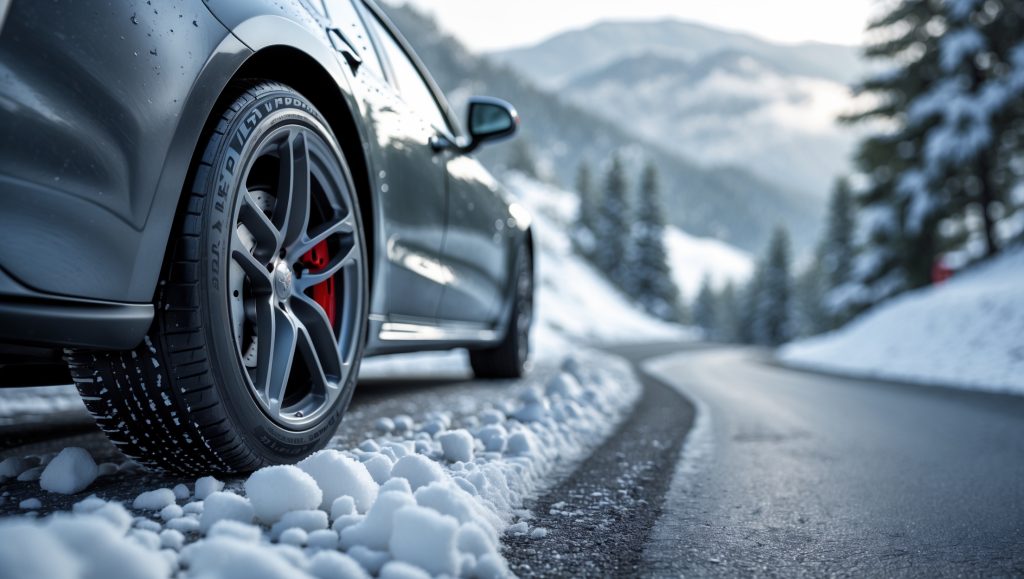
Overview
The Pirelli Winter Sottozero 3 is a premium winter tyre engineered for high-performance cars, sporty sedans, and luxury coupes. Designed for drivers who do not compromise between winter safety and dynamic driving, this tyre is a popular choice among enthusiasts and owners of vehicles like the BMW 3 Series, Audi A4, Mercedes C-Class, and other European or Japanese performance models. Its focus is on superior grip and precise handling in cold, wet, and snowy conditions, making it ideal for regions in the US that experience genuine winter weather.
Key Specs
| Type | Winter (Performance) |
| Available sizes range | 16″ to 21″ (e.g., 205/55 R16 to 295/30 R21) |
| Speed rating examples | H, V, W |
| Load index examples | 91, 94, 98 |
| Tread pattern | Asymmetric directional; high-density 3D sipes |
| Technology highlights | Thermal dynamic compound, multi-zone tread, optimized for wet & snow traction, Run Flat options available |
Performance: Dry
Despite being a winter tyre, the Sottozero 3 stands out for its commendable dry road manners. The high silica content in its compound keeps the tyre pliable at low temperatures, ensuring good grip even on cold, dry pavement. Steering response is precise, with minimal lag compared to all-season or summer tyres. That said, ultimate cornering grip and braking distances are not on par with summer tyres—there is a noticeable tradeoff in hard, aggressive maneuvers, especially as temperatures rise above 45°F. For spirited driving on cold but dry days, the Sottozero 3 remains one of the most confidence-inspiring winter options, with progressive breakaway characteristics and a stable feel under braking.
Performance: Wet
Pirelli has engineered the Sottozero 3 for strong wet weather performance, a critical need for winter conditions that often bring rain, sleet, or melting snow. The directional tread with wide circumferential grooves efficiently channels water away, minimizing aquaplaning risk. In real-world driving, the tyre provides reliable wet traction and short braking distances. Lateral grip in the wet is above average for the segment, and feedback through the steering remains predictable. Compared to older Sottozero generations, the 3 feels more secure and less prone to hydroplaning at highway speeds. However, like most winter tyres, it cannot match the outright wet grip of premium all-seasons on a warm, rainy day.
Performance: Snow & Ice
This is where the Sottozero 3 truly excels. Its high-density 3D sipes and advanced tread compound bite into snow, providing excellent acceleration, braking, and cornering. On packed snow and slush, the tyre maintains stability and traction, even during quick directional changes. Performance on light and deep snow is among the best for a performance-oriented winter tyre, giving drivers the confidence to handle sudden weather changes. On ice, the Sottozero 3 offers good, though not class-leading, grip—drivers seeking ultimate ice traction may prefer a studless Nordic tyre, but for most US winter conditions, the Sottozero 3 is more than adequate. Its behavior remains predictable, and it recovers quickly from slides, which is reassuring for less experienced winter drivers.
Comfort & Noise
Winter tyres often face criticism for excessive noise and a firm ride, but the Sottozero 3 delivers a relatively refined experience. Road noise is well controlled, with only a subtle hum at highway speeds—noticeably quieter than many rivals. The ride quality is composed, absorbing small bumps and rough patches without transmitting harshness into the cabin. On rougher roads, some firmness can be felt, especially in lower profile sizes like 245/40 R18, but for most drivers, comfort remains a strong point. This makes the Sottozero 3 suitable for long winter journeys where fatigue from tyre noise and vibration can become an issue.
Durability & Economy
Pirelli does not publish a UTQG rating for the Winter Sottozero 3, as is typical for winter tyres. In practice, the tyre offers reasonable tread life for its category—most US drivers can expect 3–4 winter seasons from a set, depending on mileage and driving style. The advanced silica compound helps reduce rolling resistance, which can slightly improve fuel economy compared to older-generation winter tyres. That said, rolling resistance is still higher than a summer or all-season tyre, a tradeoff for winter grip. The Sottozero 3 is less prone to rapid wear than softer, Nordic-style studless tyres, making it a good choice for those who spend more time on clear but cold roads than on deep snow or ice. For best longevity, always switch back to summer or all-season tyres once temperatures consistently rise above 45°F.
Sizes & Alternatives
The Sottozero 3 is available in a wide range of sizes, making it accessible for numerous sporty sedans, coupes, and crossovers. Popular fitments for US drivers include:
- 225/45 R17 (BMW 3 Series, Audi A4, Lexus IS)
- 245/40 R18 (Mercedes C-Class, Infiniti Q50, Audi S4)
- 235/40 R18, 255/35 R19, and other sizes for modern performance vehicles
Key competitors in the US market include:
- Continental WinterContact TS 870 P
- Michelin Pilot Alpin PA4
- Bridgestone Blizzak LM005
- Dunlop Winter Sport 5
- Vredestein Wintrac Pro
Each of these brings its own strengths, but the Sottozero 3 remains a favorite among drivers seeking a blend of performance and winter safety.
Pros & Cons
Pros
- Strong snow and wet weather grip for performance cars
- Excellent steering precision and predictable handling
- Quiet and comfortable ride for a winter tyre
- Wide range of sizes for modern sedans and coupes
- Good tread life relative to its class
Cons
- Not the best option for extreme ice—Nordic studless tyres may outperform
- Rolling resistance higher than all-seasons or summers
- Premium price tag compared to some rivals
- Ultimate dry grip is behind summer tyres in warmer temps
Verdict
The Pirelli Winter Sottozero 3 is a top-tier choice for US drivers of sporty sedans and coupes who demand winter-ready capability without sacrificing handling and comfort. Its snow and wet performance are among the best for a performance winter tyre, and its composed dry road behavior inspires confidence even on cold, clear days. While it’s not the absolute leader on ice, and it comes at a premium price, its blend of refinement, grip, and tread life make it a strong recommendation for everyday drivers and enthusiasts alike. For those who need to keep enjoying their car’s dynamics without fearing the first snowstorm, the Sottozero 3 remains a smart, reliable pick for winter 2025 and beyond.
You mention Run Flat options—are they available across most sizes, and is there a big performance difference compared to the standard Sottozero 3?
Run Flat versions of the Winter Sottozero 3 are offered in select sizes, but not across the entire range. In terms of performance, Run Flats may feel slightly firmer and can have a bit less ride comfort compared to standard Sottozero 3 tires, but overall winter grip and handling remain very similar.
Is there a noticeable difference in noise level or ride harshness when switching from all-season tyres to the Sottozero 3, especially in the 18-inch size?
Switching from all-season tyres to the Sottozero 3 in the 18-inch size, most drivers report a slight increase in road noise and a firmer ride, which is typical for performance winter tyres. However, the difference isn’t extreme, and the Sottozero 3 balances winter grip with comfort quite well for its class.
You mention that the Sottozero 3’s braking distances aren’t on par with summer tires. For someone driving primarily on cold but dry roads, how much of a compromise should I expect compared to a standard all-season tire?
On cold, dry roads, the Sottozero 3 will brake better than many older winter tires but still generally gives up a bit of stopping distance to all-season tires. The compromise isn’t huge—expect braking to be a little longer than with all-seasons, but you’ll gain much better grip if you hit unexpected snow or ice.
How does the Sottozero 3 handle quick temperature swings common in the Midwest, especially when daytime highs go above 45°F but nights drop well below freezing?
The Sottozero 3 is designed to stay flexible and maintain grip across a wide range of temperatures, which helps it handle rapid Midwest temperature changes. Even when daytime temperatures rise above 45°F and nights drop below freezing, the tire continues to provide dependable traction and control, ensuring stable performance in both wet and icy conditions.
With so many sizes available, how do I choose the right load index and speed rating for my Audi A4 if I drive on highways a lot?
For your Audi A4 and frequent highway driving, check your owner’s manual or the label inside your driver’s door for the manufacturer’s recommended load index and speed rating. Stick to those specs for optimal safety and performance. Choosing a higher speed rating can offer better handling, but never go below the recommended values.
It mentions run flat options are available—do those versions have any trade-offs in winter grip or ride quality compared to the standard Sottozero 3 tires?
Run flat versions of the Sottozero 3 do come with some trade-offs. Typically, you might notice a firmer ride compared to standard tires, and winter grip could be slightly reduced due to stiffer sidewalls. However, they still provide solid winter performance, just with a bit less comfort and potentially marginally less traction.
For someone living in a city that only occasionally dips below 45°F, would these tires still be a good investment or would all-seasons be better?
If your city rarely drops below 45°F and only sees mild winter conditions, all-season tires might be a more practical and cost-effective choice. The Sottozero 3 excels in consistent cold and snowy climates, but for only occasional chilly days, all-seasons should provide enough safety and performance.
Is there a noticeable impact on fuel economy when switching to Sottozero 3 winter tires on a BMW 3 Series, given their soft compound and tread pattern?
Switching to Sottozero 3 winter tires on your BMW 3 Series may cause a slight decrease in fuel economy. The softer compound and more aggressive tread pattern increase rolling resistance compared to summer or all-season tires. While the impact is usually modest, you might notice a minor drop in miles per gallon, especially in city driving or milder winter conditions.
For someone driving mostly in the Northeast where winter weather is unpredictable, would you recommend these over an all-weather tyre, or is the Sottozero 3 overkill?
If you regularly face harsh winter conditions like snow and ice in the Northeast, the Sottozero 3 will offer superior grip and safety over an all-weather tire during those months. However, if winters are milder or you’re looking for a tire to use year-round, a good all-weather tire could be a more practical option.
Can you elaborate on how the Sottozero 3 handles in regions where temperatures fluctuate above and below 45°F throughout winter? Is there a threshold when they start to feel less secure?
The Sottozero 3 is engineered for optimal grip below 45°F, especially on cold, wet, or snowy roads. Once temperatures rise consistently above 45°F, the rubber compound can feel less responsive, with reduced traction and longer braking distances. If your area frequently goes above and below that threshold, you may notice the tires feel best during the colder spells, but less secure when it’s warmer.