
Introduction
As American drivers and fleet owners venture off the beaten path—whether for recreation, work, or adventure—off-road all-terrain (AT) tyres have become a popular choice. Designed to balance traction on unpaved surfaces with comfort and control on highways, AT tyres are essential for pickups, SUVs, and commercial vehicles navigating mixed-use environments. But choosing the right all-terrain tyre involves understanding tread patterns, load ratings, real-world performance, and maintenance needs. This guide demystifies AT tyres, offering practical knowledge to help you pick, use, and care for your off-road rubber.
Understanding Off-Road All-Terrain Tyres
What Sets AT Tyres Apart?
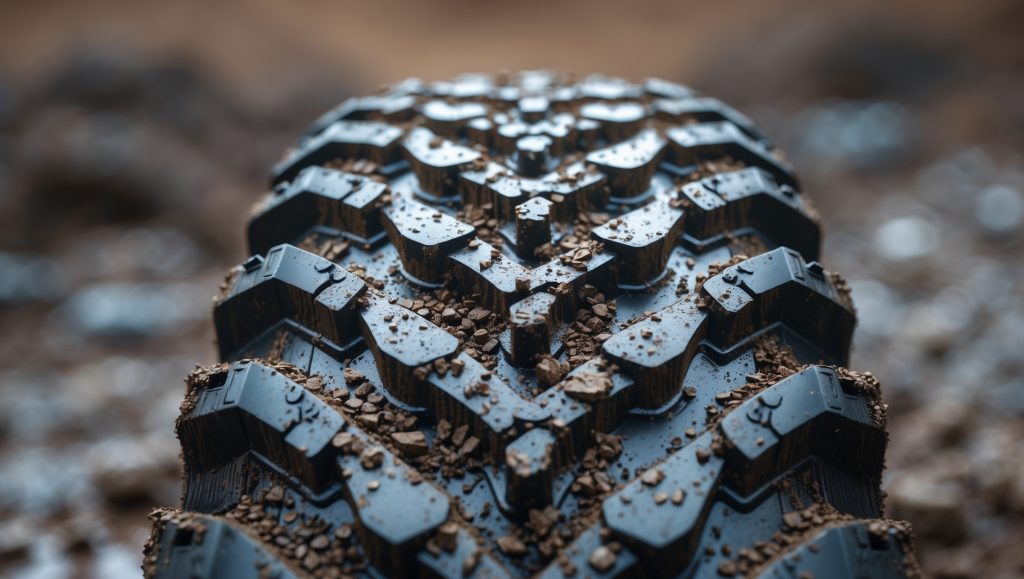
All-terrain tyres bridge the gap between highway (HT) tyres and mud-terrain (MT) tyres. Their tread patterns are more aggressive than highway tyres, featuring larger blocks, deeper voids, and reinforced sidewalls. This design offers enhanced off-road traction on dirt, gravel, mud, and light snow, while still delivering reasonable ride comfort and noise levels on paved roads.
Key Features of AT Tyres
- Tread Design: Multi-purpose tread patterns with open shoulders, stone ejectors, and siping for versatile grip.
- Sidewall Strength: Reinforced sidewalls for puncture resistance and stability at lower air pressures.
- Compound: Rubber blends optimized for chip resistance, treadwear, and traction in various conditions.
- All-Weather Capability: Many AT tyres carry the Three Peak Mountain Snowflake (3PMSF) symbol for winter traction.
Intended Users
All-terrain tyres are ideal for drivers who split time between pavement and trails—construction fleets, ranchers, overlanders, outdoor enthusiasts, and anyone needing reliable traction on and off the road.
Performance Considerations: On-Road vs Off-Road
On-Road Performance Factors
- Noise: AT tyres tend to be louder than highway tyres, but modern designs minimize droning through variable pitch tread blocks and optimized patterns.
- Ride Comfort: Stiffer sidewalls and aggressive treads may transmit more vibration, though premium AT tyres balance comfort and control.
- Wet & Dry Grip: Siping and compound choices impact hydroplaning resistance and road holding, especially in rain.
- Fuel Economy: Increased rolling resistance from aggressive tread can affect mpg, though some AT tyres are engineered for lower resistance.
Off-Road Performance Factors
- Traction: Deep lugs and open voids provide grip on dirt, gravel, sand, and mud. Some models prioritize mud/snow over rocks or sand.
- Puncture Resistance: Thicker sidewalls and cut-resistant compounds help prevent flats from rocks, roots, or debris.
- Self-Cleaning: Tread designs help shed mud and stones, maintaining consistent traction.
- Air Down Capability: Many AT tyres perform better off-road at lower pressures, increasing the contact patch for grip and flotation.
Examples & Edge Cases
Some AT tyres, such as those with a 3PMSF rating, are suitable for light winter use, but not a substitute for dedicated winter tyres on ice or deep snow. For heavy rock crawling, a mud-terrain or hybrid tyre may be preferable. Fleet vehicles covering many highway miles may prioritize tread life and comfort over maximum off-road grip.
Selecting the Right AT Tyre for Your Vehicle
Sizing & Load Ratings
- Size: Always match or stay within the manufacturer’s recommended size for optimal performance and safety. Larger tyres may require suspension modifications and recalibration of speedometers.
- Load Index: Ensure the load rating meets or exceeds your vehicle’s requirements, especially for towing or carrying heavy loads.
- Speed Rating: Consider the maximum speed rating in relation to your driving habits.
Reading Sidewall Markings
Sidewall codes provide essential information: width, aspect ratio, construction, diameter, load index, and speed rating (e.g., LT275/70R18 125/122S).
Evaluating Tread Patterns
Patterns with larger voids and staggered shoulders excel in mud, while more closely packed blocks offer quieter highway rides. Stone ejectors and shoulder lugs are important for off-road protection and traction.
Choosing by Use Case
- Mixed Use (60/40 Road/Trail): Look for comfort-focused ATs with moderate tread and highway manners.
- Heavy Off-Road (40/60 Road/Trail): Prioritize aggressive tread, sidewall protection, and winter performance if relevant.
- Fleets & Towing: Focus on load capacity, treadwear ratings, and retreadability for commercial operations.
AT Tyre Maintenance and Longevity
Proper Rotation and Balancing
Rotate AT tyres every 5,000–8,000 miles to ensure even wear, especially if your vehicle has a full-size spare. Balancing is vital for reducing vibration and noise.
Inflation Pressure
Check tyre pressure regularly. Under-inflation can cause excessive heat and uneven wear; over-inflation reduces traction and comfort. When airing down for off-road use, reinflate before returning to pavement.
Alignment and Inspection
Off-road driving can knock wheels out of alignment or cause hidden tyre damage. After tough trails, inspect sidewalls, tread, and beads for cuts, bulges, or punctures.
Tread Depth and Replacement
Replace AT tyres when tread depth falls below 4/32″ for safe off-road traction, or sooner if sidewall damage or aging is present. Many AT tyres have wear indicators built into the tread.
Cost, Value, and Warranty Considerations
Pricing Factors
- Brand and Technology: Premium brands often offer advanced compounds, longer warranties, and quieter rides.
- Construction: LT (Light Truck) rated tyres, with more plies, cost more than P-metric (Passenger) versions.
- Size: Larger and less common sizes command higher prices.
Warranty and Treadwear
Many AT tyres come with warranties—ranging from 40,000 to 65,000 miles—but aggressive off-road use may void coverage. Always check warranty terms and expected tread life before purchasing.
Retreading and Recycling
Commercial fleets may benefit from retreadable AT casings, extending tyre life and reducing costs. End-of-life tyres should be recycled at approved facilities to minimize environmental impact.
Common Mistakes
- Choosing more aggressive tyres than needed, sacrificing comfort and fuel economy for unused off-road capability.
- Neglecting regular rotation, causing uneven wear and reduced lifespan.
- Ignoring inflation adjustments after airing down for off-road use.
- Overloading tyres beyond their load rating, risking blowouts or rapid wear.
- Assuming all AT tyres are suitable for winter conditions—always check for the 3PMSF symbol.
- Failing to inspect tyres for cuts, punctures, or embedded debris after trail use.
- Buying the wrong size or type for your specific vehicle or application.
Quick Checklist
- Check your owner’s manual for recommended tyre sizes and load ratings.
- Assess your typical driving split (road vs. off-road) before selecting a tread pattern.
- Look for 3PMSF symbol if winter traction is important.
- Rotate and balance tyres every 5,000–8,000 miles.
- Inspect tyres after off-road trips for visible damage.
- Adjust inflation before and after off-road use.
- Review warranty and treadwear coverage before purchase.
- Recycle old tyres responsibly.
FAQ
- Can I use all-terrain tyres year-round?
- Most AT tyres are suitable for year-round use, but their winter performance varies. Look for the Three Peak Mountain Snowflake (3PMSF) symbol for reliable snow traction.
- Will AT tyres impact my fuel economy?
- Yes, all-terrain tyres generally have higher rolling resistance than highway tyres, which can slightly reduce fuel efficiency. The impact depends on tread aggressiveness and tyre weight.
- How long do AT tyres typically last?
- AT tyres last between 40,000 and 65,000 miles with proper care, though aggressive off-road use can shorten their lifespan. Regular maintenance is key to maximizing tread life.
- Can I mix AT tyres with other types?
- Mixing tyre types is not recommended. Different tread patterns and sizes can affect handling, braking, and wear. All tyres on an axle (preferably all four) should match.
- Are AT tyres noisy on the highway?
- AT tyres are generally noisier than highway tyres due to their open tread patterns, but newer models are designed to reduce road noise significantly.
- Do I need special wheels for AT tyres?
- Most AT tyres fit standard wheels for your vehicle’s size and load rating. For extreme off-roading, beadlock wheels may be used, but they are not street legal in all states.
- Can I repair AT tyres after a puncture?
- Minor punctures in the tread area can often be repaired, but damage to the sidewall or severe cuts require replacement. Always have repairs done by qualified professionals.
- Is it safe to air down AT tyres for off-roading?
- Airing down is safe and often beneficial for off-road traction, but you must reinflate before highway driving to avoid heat buildup and premature wear.
Conclusion
Off-road all-terrain tyres offer US drivers and fleet owners a flexible solution for mixed driving conditions, balancing grip, durability, and comfort. By understanding tread designs, sizing, and maintenance, you can select the right AT tyre for your needs—and get the most out of each set. Regular inspections, correct inflation, and matching your tyre choice to your real-world use case will ensure safety, performance, and value on every journey. Ready to upgrade your off-road experience? Review your vehicle’s requirements and consult with a trusted tyre professional to find your ideal AT tyre.
Are there any tire maintenance tips unique to AT tires that help maintain their off-road performance over time?
For AT tires, it’s important to regularly check for embedded stones or debris in the tread, as these can affect performance and cause uneven wear. Rotating the tires more frequently, especially after off-road trips, also helps preserve balanced tread wear. Always clean off mud and inspect for sidewall damage, since rugged use can hide small cuts or punctures that might worsen if left unchecked.
For someone who primarily drives on highways but occasionally needs off-road capability, how much extra road noise should I realistically expect with modern AT tyres?
With modern all-terrain tyres, you’ll notice a bit more road noise compared to standard highway tyres, but improvements in tread design mean the difference is much less than it used to be. For mostly highway driving, expect a slight hum, especially at higher speeds, but it’s generally not intrusive for most drivers.
How much of a difference do reinforced sidewalls really make if I’m mostly driving on gravel and dirt roads but not hardcore trails?
Reinforced sidewalls offer extra protection against punctures and cuts, which is helpful on rocky or sharp gravel roads. If your driving is mostly on smoother gravel or dirt and you avoid aggressive off-roading, the difference might not be huge—but they do provide extra peace of mind and durability, especially if you sometimes encounter rougher patches or carry heavier loads.
You mention that some AT tyres carry the Three Peak Mountain Snowflake symbol for winter traction. Are all AT tyres with this symbol suitable for severe ice conditions, or are there limitations?
AT tyres with the Three Peak Mountain Snowflake symbol are tested for winter traction, especially in snow, but their performance on severe ice can still vary. Not all are optimized for icy conditions like dedicated winter tyres with special compounds and tread designs. For frequent or extreme ice, purpose-built winter tyres are recommended.
I noticed you mentioned some AT tyres have the Three Peak Mountain Snowflake symbol for winter traction. In your experience, how well do these AT tyres actually perform on icy roads compared to true winter tires in the US Midwest?
AT tyres with the Three Peak Mountain Snowflake symbol do offer better winter traction than standard all-seasons, including improved grip on snow. However, compared to dedicated winter tires, they generally fall short on icy roads. Winter tires use softer rubber compounds and specialized tread patterns that provide noticeably better handling and braking on Midwest ice and packed snow.
With reinforced sidewalls being a big feature of AT tyres, do you notice any impact on ride comfort or fuel economy compared to regular tires on longer highway trips?
Reinforced sidewalls in all-terrain tyres can make the ride feel a bit firmer compared to standard tires, which some people notice on long highway drives. You might also see a slight drop in fuel economy since these tyres are usually heavier and have more rolling resistance, but the difference is generally minor for most daily use.
If most of my driving is on pavement but I occasionally need to go off-road for ranch work, what trade-offs should I prepare for in terms of noise and treadwear with AT tyres?
With all-terrain tyres, you’ll notice a bit more road noise and potentially faster treadwear on pavement compared to regular highway tyres. However, they offer better grip when you head off-road. If most of your driving is on pavement, look for AT tyres designed for quietness and longer tread life to minimize these trade-offs.
For commercial fleets that regularly travel between job sites on highways and unpaved roads, what kind of maintenance routines would you recommend to maximize AT tyre lifespan?
For commercial fleets, it’s important to check tyre pressure regularly, rotate tyres according to the manufacturer’s schedule, and inspect for cuts, punctures, or uneven wear after off-road trips. Also, keep tyres clean from mud and debris, and ensure wheel alignments are maintained. These steps help maximize lifespan and performance of all-terrain tyres.