
Introduction
Winter driving in the US poses unique challenges, from sudden snowfalls in the Northeast to icy mornings in the Midwest. One of the most critical factors in staying safe is your tyres’ ability to maintain grip on snowy and slippery roads. But what exactly gives a tyre its snow grip? And how should you select, use, and maintain tyres to maximize traction in winter conditions? Whether you’re a daily commuter or a fleet manager, understanding snow grip can make the difference between confident travel and unexpected trouble.
What Is Snow Grip and Why Does It Matter?
The Science of Tyre Traction on Snow
Snow grip is a tyre’s ability to maintain friction and avoid slipping on snowy or icy surfaces. Unlike dry or even wet conditions, snow introduces a loose, low-friction layer between the tyre and the road. Effective snow grip depends on both the tyre’s material and its tread design, which must work together to bite into snow and channel it away.
Why Ordinary Tyres Struggle in Winter
Summer and all-season tyres often fail to provide adequate snow grip because their rubber compounds harden in cold temperatures and their treads lack the features needed to interact with snow. This can lead to longer braking distances, reduced steering response, and an increased risk of getting stuck or losing control.
Who Needs Snow Grip?
While snow grip is essential for anyone living in regions with regular snowfall, even drivers in areas with occasional winter storms can benefit from the added safety. For fleet owners, ensuring proper snow grip can reduce accident rates, lower liability, and keep operations running smoothly.
How Tyres Achieve Snow Grip: Key Features Explained
Rubber Compounds for Cold Temperatures
Winter tyres use specialized rubber compounds that remain flexible well below freezing. This flexibility ensures the tyre can conform to microscopic irregularities in snowy and icy surfaces, maintaining more contact and thus more grip. In contrast, summer and even many all-season tyres become stiff and lose traction as temperatures drop.
Siping: The Micro-Edges That Matter
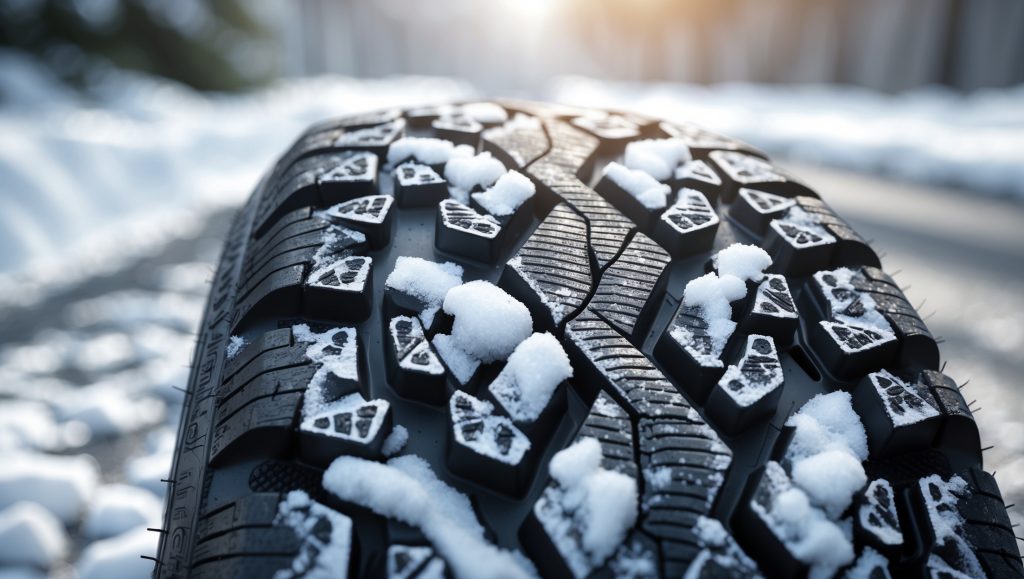
Sipes are small, thin slits molded into the tread blocks. These act like miniature edges that bite into snow and ice, improving grip during acceleration, braking, and cornering. More sipes generally mean better snow performance, but the pattern and orientation also play a role in how effectively they channel away slush and snow.
Tread Patterns: Clearing the Path
Winter tyres feature deeper tread depths and aggressive patterns with wide grooves. These are designed to evacuate snow and slush from beneath the tyre, preventing buildup that could lead to loss of traction. Directional tread patterns (often V-shaped) can further enhance the ability to clear snow as the tyre rotates.
Studded vs. Studless Tyres
In some regions, studded tyres—with small metal pins embedded in the tread—offer extra grip on icy roads. However, many US states restrict or ban their use due to road wear and noise. Modern studless winter tyres use advanced rubber and tread technology to deliver impressive snow grip without studs, making them the default choice for most drivers.
Choosing the Right Snow Tyres for Your Needs
Assessing Your Local Climate
Consider how often you encounter snow and ice. If winter weather is rare and roads are quickly cleared, high-quality all-weather tyres may suffice. But in areas with frequent snowfall or persistent cold, dedicated winter tyres are the safest bet.
Understanding Tyre Labels and Ratings
Look for the Three-Peak Mountain Snowflake (3PMSF) symbol on the sidewall—this indicates the tyre has passed industry standards for severe snow performance. M+S (Mud and Snow) alone is not enough for true winter grip.
Tyre Size and Vehicle Compatibility
Always match winter tyres to your vehicle’s recommended size and load rating. Narrower tyres can sometimes improve snow traction by concentrating the vehicle’s weight over a smaller area, increasing pressure on the snow and improving bite. However, never deviate from manufacturer guidelines without consulting a tyre professional.
Fleet Considerations
Fleet owners should evaluate the balance between tyre performance, cost, and operational needs. Investing in high-quality winter tyres can reduce accident downtime and long-term expenses by minimizing collisions and stuck vehicles.
Maximizing Snow Grip: Usage and Maintenance Tips
Proper Tyre Pressure in Cold Weather
Tyre pressure drops with temperature. Under-inflated tyres lose effectiveness, while over-inflation can reduce the contact patch. Check and adjust tyre pressure at least monthly in winter, using your vehicle’s specification as a guide.
Rotate and Replace as Needed
Even wear is crucial for optimal snow grip. Rotate your tyres according to manufacturer recommendations—typically every 5,000 to 8,000 miles. Replace winter tyres when tread depth falls below 5/32” (4mm), as shallow treads lose snow-clearing ability and grip.
Storing Off-Season Tyres
If you use dedicated winter tyres, store them in a cool, dry place away from direct sunlight and sources of ozone (like electric motors). Stack tyres flat (if unmounted) or upright (if on rims) to prevent deformation.
Driving Techniques That Enhance Tyre Performance
Even with the best snow tyres, smooth driving is essential. Accelerate gently, brake early and gradually, and avoid sudden steering inputs. This gives your tyres maximum opportunity to maintain grip and control.
Common Mistakes
- Assuming all-season tyres are sufficient for heavy snow.
- Ignoring tyre pressure changes in cold weather.
- Using worn-out winter tyres with insufficient tread depth.
- Mismatching tyre sizes or using different types on the same axle.
- Leaving winter tyres on year-round, causing premature wear.
- Confusing M+S rating with true winter capability (3PMSF).
- Neglecting regular rotation and inspection.
Quick Checklist
- Check for the 3PMSF symbol when buying winter tyres.
- Verify correct tyre size and load rating for your vehicle.
- Monitor and adjust pressure monthly in cold weather.
- Rotate tyres every 5,000–8,000 miles.
- Replace winter tyres at 5/32” (4mm) tread depth.
- Store off-season tyres properly to prevent damage.
- Practice smooth driving to maximize grip.
- For fleets: track tyre performance and schedule proactive maintenance.
FAQ
- Q: What’s the difference between M+S and 3PMSF markings?
A: M+S (Mud and Snow) is a basic self-certification, while 3PMSF (Three-Peak Mountain Snowflake) means the tyre meets specific industry testing for snow traction. - Q: Can I use winter tyres year-round?
A: It’s not recommended. Winter tyres wear quickly in warm weather and may offer poorer handling and braking on dry roads. - Q: How do I know when to replace my winter tyres?
A: Replace them when tread depth drops below 5/32” (4mm) or if you see cracking, uneven wear, or damage. - Q: Should all four tyres be winter tyres?
A: Yes. Mixing winter and non-winter tyres can cause unpredictable handling and loss of traction, especially on AWD or 4WD vehicles. - Q: Are studded tyres legal in all US states?
A: No. Many states restrict or ban studded tyres due to road damage. Check local regulations before purchasing. - Q: Do I need winter tyres if I have AWD or 4WD?
A: Yes. AWD helps you accelerate, but only winter tyres maximize stopping and cornering grip on snow and ice. - Q: How much should I inflate my tyres in winter?
A: Use your vehicle manufacturer’s recommended pressure, checking monthly—cold air reduces pressure, so adjust as needed. - Q: What about tyre chains?
A: Chains can provide extra traction in deep snow or on mountain passes but are typically used temporarily and only where legally required or allowed.
Conclusion
Snow grip isn’t just a feature—it’s a lifeline during US winters. By understanding how winter tyres work, choosing the right ones, and maintaining them properly, you can dramatically improve your safety and confidence on snowy roads. For drivers and fleet managers alike, investing in the right tyres and adopting good practices is the surest path to staying mobile and secure, no matter what winter delivers. If you haven’t already, inspect your current tyres, check for the 3PMSF marking, and consult a tyre professional about your next steps for winter readiness.
For someone who drives mostly on plowed city streets with rare heavy snow, do all-season tyres with specific tread patterns offer enough safety, or is it worth investing in full winter tyres?
If you mostly drive on plowed city streets and rarely encounter heavy snow, quality all-season tyres with good tread patterns can generally provide sufficient safety. However, if you ever expect slick conditions or frequent freezing temperatures, winter tyres still offer better grip and control. For primarily city driving with minimal snow, all-seasons should be adequate.
I live in the Midwest and mostly use all-season tyres. If the rubber compound in those hardens in the cold, does that mean my tyres are a safety risk even if there’s just a light dusting of snow?
Yes, even a light dusting of snow can make all-season tyres less effective in the Midwest winter. When temperatures drop, the rubber in all-season tyres hardens, reducing grip on cold, slick roads. This does increase your safety risk, especially during braking or turning. Switching to winter tyres in the colder months would help maintain better traction and overall safety.
I’m trying to keep my car costs low. Are there budget-friendly ways to improve snow grip besides buying a full set of winter tyres?
You can improve snow grip on a budget by using high-quality all-season tyres with good tread, ensuring your tyres are properly inflated, and adding weight in the trunk for better traction if you have a rear-wheel-drive vehicle. Snow chains or tire socks are also more affordable than a full set of winter tyres and work well for occasional snowy conditions.
What happens to winter tyres if I use them during warmer months? Does the special rubber compound wear out faster or lose its effectiveness?
Using winter tyres in warmer months can cause the softer rubber compound to wear out much faster than it would in cold weather. The tyres may also lose some of their grip and effectiveness, especially on dry or hot pavement, making them less safe and potentially costing you more in replacements.
For people managing a fleet, what are the most important maintenance steps to keep winter tyre grip at its best throughout an entire season?
To maintain the best winter tyre grip for your fleet, regularly check tyre pressure, inspect tread depth, and rotate tyres as recommended. Remove any stones or debris lodged in treads and ensure wheels are properly aligned. Cleaning tyres to remove salt and road grime also helps preserve their performance throughout the season.
The article mentions tread design as a key factor for snow grip. Can you explain what specific tread features I should look for when purchasing winter tyres for my company vehicles?
When choosing winter tyres, look for deep grooves and wide channels to help expel snow and slush. Sipes—small, thin slits in the tread—provide extra biting edges for better grip on icy surfaces. Also, check for a softer rubber compound that stays flexible in cold temperatures for improved traction.
Could you explain what features to look for in tread design that specifically help with snow grip, especially if I’m shopping on a budget?
When shopping for winter tyres on a budget, look for treads with deep grooves and lots of small slits called sipes—these help channel snow and water away for better grip. A blocky, aggressive tread pattern is also good, as it can dig into snow for improved traction. Prioritize tyres labeled with the Three-Peak Mountain Snowflake symbol for true winter performance.