
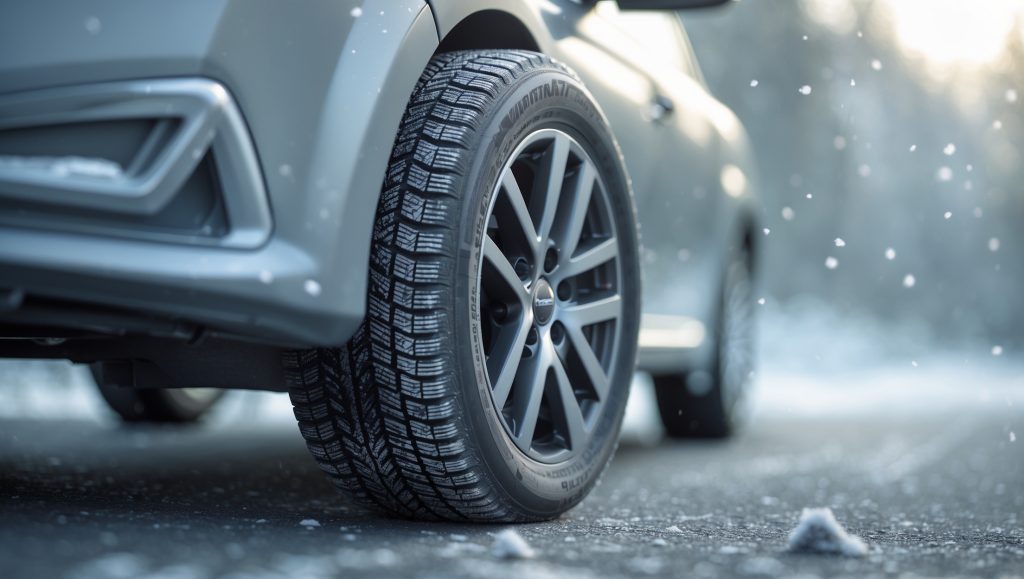
Overview
The Continental VikingContact 7 is a premium studless winter tire engineered for drivers who encounter harsh cold-weather conditions and demand reliable performance on snow and ice. Targeted at owners of passenger cars and crossovers—think sedans, wagons, and small to mid-size SUVs—this tire is purpose-built for true winter duty, excelling in freezing temperatures, slush, snow, and icy surfaces. With a focus on balanced winter performance, safety, and ride comfort, the VikingContact 7 is a top choice for US drivers in northern states, the Rockies, and regions prone to extended winter weather. If you prioritize confident traction and precise handling when the mercury drops, this model deserves serious consideration.
Key Specs
| Type | Studless winter tire |
| Available sizes range | 15″ to 21″ wheel diameters |
| Speed rating examples | T, H, V |
| Load index examples | 91 (615 kg), 99 (775 kg) |
| Tread pattern | Directional, advanced Nordic silica compound with interlocking sipes |
| Technology highlights | Nordic compound, multiple sipes, optimized tread blocks for snow and water evacuation, flexible arctic tread rubber |
Performance: Dry
Winter tires often compromise dry handling for cold-weather grip, but the VikingContact 7 manages a commendable balance. The advanced silica compound stays flexible below 45°F, offering decent traction and stability on cold, dry pavement. Steering response is crisp for a winter tire, and cornering grip feels secure at moderate speeds. Compared to all-season or summer tires, there is more tread squirm—especially on warmer days—but for a winter-focused design, the VikingContact 7 feels reassuring and predictable, with only moderate increases in stopping distances. Enthusiast drivers will notice a slightly softer feel, but for daily commuting or highway travel, it remains composed and confidence-inspiring.
Performance: Wet
Wet performance is a standout for the VikingContact 7. The directional tread and high silica content work together to evacuate water and slush efficiently, minimizing the risk of hydroplaning. Braking distances in the wet are among the shortest in the winter tire segment, and the tire resists sliding or skidding during sudden maneuvers. Lateral grip is strong for a winter tire, thanks to the network of interlocking sipes and tread channels. Even in freezing rain or during rapid snowmelt, the tire retains impressive control, making it a solid choice for regions where winter often means wet, messy roads as much as deep snow.
Performance: Snow & Ice
This is where the VikingContact 7 truly shines. Deep, zig-zag sipes and a flexible compound allow the tread to bite into soft powder and provide traction on hard-packed snow. Launching, braking, and cornering all feel secure—drivers report minimal wheelspin and strong confidence pulling away from stops or tackling inclines. On ice, the tire’s micro-grip edges and advanced rubber formulation deliver above-average braking and directional stability, though like all studless options, it cannot match the ultimate bite of a studded tire on pure sheet ice. Still, it remains one of the best in its class for overall snow and ice confidence, making winter driving less stressful even in challenging conditions.
Comfort & Noise
Winter tires are often associated with increased noise and ride harshness, but the VikingContact 7 is relatively refined. Road noise is moderate, with a low-frequency hum on smooth highways and only a slight increase on rougher surfaces or grooved pavement. Ride quality is soft and compliant, absorbing potholes and rough winter roads effectively. Passengers will appreciate the comfort on longer drives, and the tire does not transmit excessive vibration or harshness into the cabin. While it may not match the silence of a luxury all-season tire, it is notably quiet for its segment.
Durability & Economy
Winter tires are typically not known for ultra-high mileage, but the VikingContact 7 is built for several seasons of use when rotated properly. Treadwear is even and predictable, provided the tire is used only during colder months. The tread design and compound are optimized for longevity in winter conditions, resisting chipping and chunking from ice or rough roads. Rolling resistance is modest, so fuel economy remains largely unaffected—some drivers may notice a slight drop, but this is typical for winter tires. The VikingContact 7 does not carry a UTQG rating (as is standard for dedicated winter tires in the US), but user reports indicate wear rates comparable to other premium studless winter options.
Sizes & Alternatives
The VikingContact 7 is available in a wide range of sizes, covering popular fitments for sedans, wagons, and crossovers. Two of the most common sizes include:
- 205/55 R16 (popular for compact/mid-size sedans like Honda Civic, Toyota Corolla, VW Jetta)
- 225/60 R17 (common for crossovers like Subaru Outback, Toyota RAV4, Honda CR-V)
Key competitors in the US market include:
- Michelin X-Ice Snow
- Bridgestone Blizzak WS90
- Nokian Hakkapeliitta R3
- Goodyear Ultra Grip Ice WRT
- General Altimax Arctic 12
These rivals each offer strengths in snow, ice, or comfort; the VikingContact 7 competes at the top end for all-around winter performance.
Pros & Cons
Pros
- Outstanding snow and ice traction for a studless tire
- Confident wet handling and short braking distances
- Comfortable, quiet ride for a winter model
- Wide size range fits many vehicles
- Stable, predictable dry-road performance in cold weather
Cons
- Not suitable for use in warm weather (accelerated wear above 45°F)
- Slightly higher price than some competitors
- Softer steering feel compared to all-seasons or performance tires
- No UTQG rating (standard for winter tires, but may concern some buyers)
Verdict
The Continental VikingContact 7 stands out as a premium, well-rounded winter tire for US drivers who demand top-tier safety and confidence in snow, slush, and ice. Its traction and braking abilities inspire trust even in severe conditions, while wet and dry performance remain more than adequate for typical winter driving. Comfort and noise levels are above average for the segment, and the broad fitment range makes it accessible to most daily drivers and enthusiasts alike. The only real drawbacks are the need to swap for non-winter tires in warm months and a slightly higher price point, but for those who value winter safety and surefootedness, these are minor trade-offs. If you’re seeking one of the very best studless winter tires for your car or crossover, the VikingContact 7 should be at the top of your shopping list.
I noticed the tire sizes go up to 21 inches, but do all size options retain the same advanced silica compound and tread design?
Yes, all available sizes of the Continental VikingContact 7 feature the same advanced silica compound and tread design. This consistency ensures you get the same level of winter performance and safety benefits regardless of the tire size you choose.
How does the VikingContact 7 compare to studded winter tires in terms of braking and overall grip on ice, especially for drivers in areas that experience frequent freezing rain?
The VikingContact 7 offers impressive braking and grip on ice thanks to its advanced tread compound and siping, performing very well in most winter conditions. However, studded winter tires typically provide superior grip and shorter braking distances on sheer ice, especially during frequent freezing rain. For icy roads with persistent freezing rain, studded tires may offer an extra safety margin, but VikingContact 7 is still a top performer among non-studded options.
How does the VikingContact 7 perform on icy highways compared to other high-end studless winter tires, especially in regions that regularly see freezing rain?
The VikingContact 7 provides excellent grip and stability on icy highways, even in areas prone to frequent freezing rain. Compared to other premium studless winter tires, it ranks among the top for ice traction and braking performance. Its unique tread compound and sipes help maintain control, making it a strong choice for challenging icy conditions.
With the multiple size options, is there a noticeable difference in performance or handling between the smaller 15-inch and larger 21-inch versions for crossovers?
Yes, there can be a noticeable difference. Larger 21-inch tires usually offer sharper handling and more grip, which can benefit bigger crossovers, but may sacrifice some ride comfort. Smaller 15-inch versions tend to provide a smoother, more comfortable ride and can perform better in deep snow due to narrower tread, but may not handle as crisply. Consider your driving priorities when choosing between them.
Do you recommend getting these tires professionally installed and switched out seasonally, or can they stay on for those unpredictable early spring cold snaps as well?
It’s best to have the VikingContact 7 tires professionally installed and switched out seasonally. While they’re excellent in cold conditions, using winter tires when temperatures warm up can cause faster wear and reduce performance. If early spring brings unexpected cold snaps, you might delay swapping until warmer weather is consistent, but don’t keep them on through warm months.
With the directional tread pattern, are there any specific rotation patterns you recommend to maximize the longevity and performance of the VikingContact 7?
Since the VikingContact 7 has a directional tread pattern, you should rotate the tires front-to-back on the same side of the vehicle. This means moving the front right tire to the rear right, and the front left to the rear left. Avoid crossing sides, as the tread is designed to roll in one direction for optimal performance.
For drivers in the Rockies who do occasional mountain pass trips, is the speed rating (like T or H) sufficient for longer highway stretches, or should we look for the V rated versions?
For most drivers in the Rockies, a T or H speed rating is typically sufficient for winter tires, even on longer highway trips and mountain passes. V-rated tires are designed for higher speeds, but unless you regularly drive above 118 mph, T or H ratings will meet your needs while offering better winter performance.