
Introduction
Off-road driving presents unique challenges, from rocky trails and muddy paths to snow-covered tracks and desert sand. All-terrain (AT) tyres are designed to strike a balance between off-road capability and on-road comfort, making them a top choice for US drivers who demand versatility from their vehicles. Whether you own a pickup, SUV, or manage a fleet, understanding how to choose the right off-road AT tyres is crucial for safety, performance, and getting the most value from your investment.
Understanding All-Terrain Tyres
What Makes a Tyre “All-Terrain”?
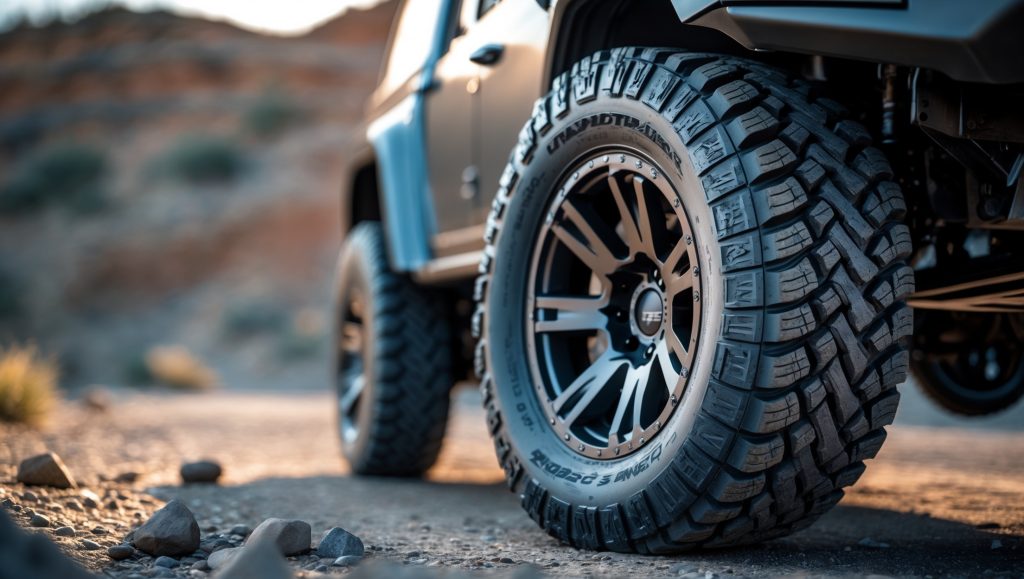
All-terrain tyres are engineered to perform on a wide variety of surfaces, both on and off the pavement. They feature aggressive tread patterns, reinforced sidewalls, and rubber compounds formulated for durability. Compared to highway or touring tyres, AT tyres provide enhanced traction on loose gravel, mud, snow, and rocky terrain without sacrificing too much comfort or noise control for daily driving.
Construction and Design Features
- Tread Pattern: Larger, deeper grooves and interlocking tread blocks help grip uneven surfaces and evacuate mud or snow.
- Sidewall Reinforcement: Thicker sidewalls protect against cuts and punctures from rocks and debris, while some AT tyres have raised white lettering for style or functional rim protectors.
- Rubber Compound: AT tyres use a harder compound than pure mud-terrain tyres, balancing cut resistance with flexibility for varying temperatures.
Typical Applications
Common users in the US include outdoor enthusiasts, overlanders, contractors, and fleet operators who need a tyre that performs in unpredictable conditions while still offering acceptable comfort and tread life on highways.
Key Factors When Choosing Off-Road AT Tyres
Terrain and Usage Patterns
Assess how much time you spend off-road versus on pavement. Some AT tyres lean toward highway performance (quieter, better tread life), while others prioritize off-road grip (deeper lugs, more aggressive sidewalls). For example, a weekend trail driver may prefer a more aggressive pattern, while a daily commuter might opt for a mild AT tyre.
Tyre Sizing and Load Ratings
Choosing the right size is essential for both performance and safety. Always consult your vehicle’s manual or the placard in the door jamb. Factors to consider:
- Load Index: Ensure the tyre can support your vehicle’s gross axle weight, especially important for trucks carrying heavy equipment or towing.
- Speed Rating: While less critical off-road, it matters for highway safety and legal compliance.
- Upsizing/Downsizing: Larger tyres can improve ground clearance but may affect speedometer accuracy, handling, and fuel efficiency.
Three-Peak Mountain Snowflake (3PMSF) and M+S Ratings
If you drive in snow or cold climates, look for the 3PMSF symbol, indicating the tyre meets winter traction standards. M+S (Mud and Snow) is a less stringent marking but still denotes basic all-weather capability. Not all AT tyres are created equal in winter performance, so check for these symbols if snow is common in your region.
Durability and Treadwear
Off-road use accelerates tyre wear due to rough surfaces and debris. Look for features like stone ejectors, reinforced shoulders, and higher treadwear warranties. Some AT tyres offer chip-resistant compounds for rocky environments or silica blends for better wet grip.
Road Noise and Comfort
AT tyres are generally noisier than standard highway tyres, but modern designs have improved. Sipes, variable pitch tread blocks, and optimized rubber compounds help reduce cabin noise and vibration. If your vehicle doubles as a daily driver, research user reviews and manufacturer claims about on-road comfort.
Practical Selection Tips
Reading the Sidewall
The sidewall provides key information, including size, load index, speed rating, manufacture date, and performance symbols. Example: LT265/70R17 121/118R 3PMSF. Decoding these numbers helps ensure a proper fit and legal compliance.
Matching Tyres to Vehicle Modifications
If you’ve lifted your vehicle or changed wheels, factor in clearance and suspension geometry. Oversized tyres may rub at full lock or under suspension compression, so measure carefully and consider aftermarket solutions like fender trimming or wheel spacers if needed.
Balancing Performance and Budget
High-performance AT tyres command a premium, but there are quality options in various price ranges. Prioritize safety and durability for frequent off-roaders; occasional trail users may find mid-range models adequate. Consider total cost of ownership, not just initial price.
Fleet Considerations
For fleet managers, tyre longevity, retreadability, and consistent sizing across vehicles can help control costs and simplify maintenance. Work with suppliers familiar with commercial AT needs.
Maintenance for Long Life and Safety
Regular Inspections
Check for cuts, punctures, sidewall bulges, and uneven wear. Off-road driving can hide damage that only appears after cleaning the tyres.
Tyre Pressure Management
Always adjust tyre pressure to match your driving conditions. Lower pressures improve off-road traction but increase the risk of bead unseating and sidewall damage. Reinflate to recommended pressures for highway travel to maintain stability and tread life.
Rotation and Alignment
Rotate tyres every 5,000–7,000 miles, or sooner if you observe uneven wear. Off-road use can increase the need for alignment checks, especially after hitting rocks or potholes.
Common Mistakes
- Choosing overly aggressive AT tyres for mostly on-road use, resulting in excess noise and faster tread wear.
- Ignoring load and speed ratings, leading to safety or legal issues.
- Failing to adjust tyre pressure when switching between off-road and highway driving.
- Neglecting regular inspections for cuts, punctures, or embedded debris.
- Assuming all “all-terrain” tyres perform equally in snow or mud—performance varies widely.
- Not considering how tyre size affects clearance, handling, and fuel efficiency.
Quick Checklist
- Assess your typical driving terrain and split between on- and off-road use.
- Check manufacturer-recommended tyre size, load, and speed ratings.
- Look for 3PMSF or M+S ratings if winter capability is important.
- Compare tread patterns for your specific needs (rock, mud, sand, mixed).
- Read user reviews for real-world noise and comfort feedback.
- Inspect sidewall for key information before purchase.
- Budget for both initial cost and expected lifespan.
- Plan for regular maintenance: rotation, pressure checks, and alignment.
FAQ
- What is the main difference between all-terrain and mud-terrain tyres?
All-terrain (AT) tyres balance off-road and on-road performance, while mud-terrain (MT) tyres feature larger voids and more aggressive lugs for maximum traction in deep mud but often sacrifice road comfort and tread life. - Do all-terrain tyres affect fuel economy?
AT tyres can reduce fuel efficiency compared to highway tyres due to increased rolling resistance and weight. The effect varies by tread aggressiveness and tyre size. - How can I tell if an AT tyre is suitable for winter driving?
Look for the Three-Peak Mountain Snowflake (3PMSF) symbol, which indicates the tyre meets required standards for snow traction. M+S alone is not a guarantee of winter performance. - Is it okay to mix different brands or models of AT tyres?
It is best to use a matching set for balanced performance, especially on 4WD/AWD vehicles. Mixing can cause handling issues, uneven wear, or stress on the drivetrain. - How often should I rotate my AT tyres?
Rotate every 5,000–7,000 miles or as needed based on observed wear, especially after frequent off-road use. - Can I use AT tyres year-round?
Most AT tyres are designed for year-round use, but check for winter certification and be aware of performance trade-offs in extreme weather. - How do I choose the right size AT tyre for my vehicle?
Follow the manufacturer’s recommendations or consult a tyre professional before upsizing or downsizing to avoid fitment or legal issues. - What maintenance do AT tyres require after off-road trips?
Clean thoroughly to remove mud and debris, inspect for damage, and adjust tyre pressures before returning to highway speeds.
Conclusion
Choosing the right off-road all-terrain tyres involves understanding your driving needs, selecting appropriate designs, and maintaining them for safety and longevity. Assess your typical terrain, pay attention to ratings and sizing, and prioritize maintenance to ensure your investment delivers both off-road confidence and on-road comfort. With the right approach, your AT tyres will support adventure and daily demands across the diverse landscapes of the US.