
Introduction
All-terrain (AT) tyres have become the go-to choice for drivers who need their vehicles to perform both on paved roads and rugged off-road environments. Whether you drive a pickup, SUV, or manage a fleet that frequently encounters construction sites, forest roads, or unpaved trails, the right AT tyres can be the difference between confidence and getting stuck. This guide explains what makes all-terrain tyres unique, how to select the best options for your needs, and the practical considerations US drivers and fleet owners should keep in mind.
What Makes All-Terrain Tyres Unique?
Tread Pattern Design
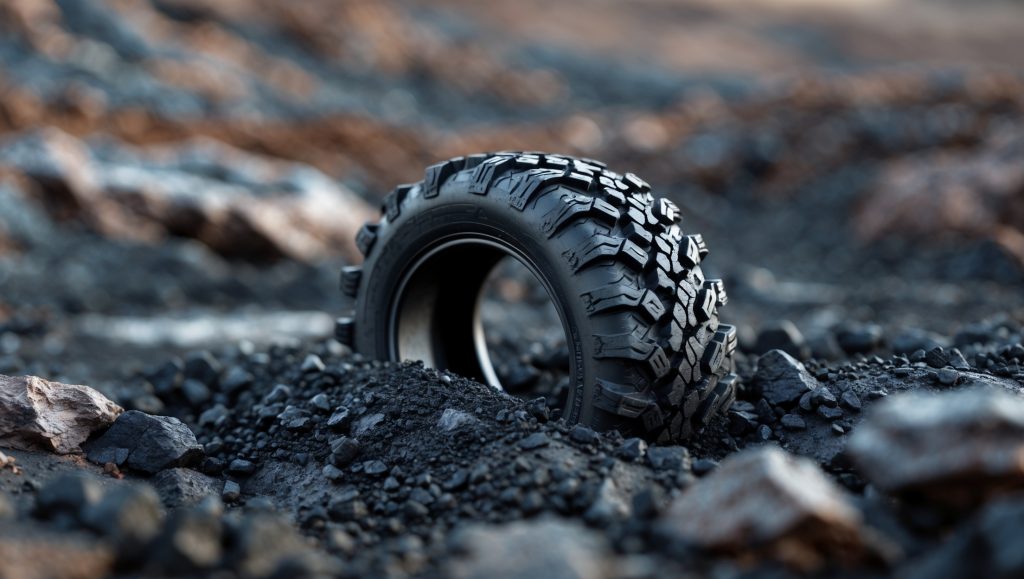
All-terrain tyres feature a distinctive tread pattern with larger, more aggressive blocks and wider voids compared to highway or touring tyres. This design offers improved traction on loose surfaces like gravel, dirt, and mud while maintaining satisfactory on-road handling. Siping—small grooves cut into the tread blocks—helps with wet traction and light snow performance.
Compound and Construction
AT tyres are made with tougher rubber compounds and reinforced sidewalls to resist cuts, punctures, and abrasions common in off-road scenarios. The internal structure often includes extra plies or steel belts for added strength, supporting heavy loads and rough conditions without compromising too much on-road comfort.
All-Terrain vs. Mud-Terrain vs. Highway Tyres
While all-terrain tyres aim for a balance between on- and off-road capability, mud-terrain (MT) tyres prioritize maximum off-road traction with deeper lugs and less siping, often at the expense of road noise and tread life. Highway or all-season tyres are optimized for smooth, quiet, and efficient highway driving, but lack the toughness and grip needed for unpaved surfaces.
Key Features to Consider When Buying AT Tyres
Tread Depth and Void Ratio
Tread depth affects how well a tyre can grip loose or uneven surfaces. Deeper treads and higher void ratios (the space between tread blocks) enhance off-road traction and self-cleaning, helping to eject mud and stones. However, excessive voids can reduce on-road comfort and increase noise.
Sidewall Strength and Protection
Look for tyres with reinforced sidewalls, sometimes marked as having a 3-ply construction or with features such as stone ejectors. These help prevent punctures from rocks, roots, and debris and reduce the risk of sidewall damage during low-pressure off-roading.
Load and Speed Ratings
AT tyres are available in various load ranges (such as C, D, E) to support heavier vehicles or towing. Choose a load rating that matches your vehicle’s requirements and typical cargo. Speed ratings are generally lower for AT tyres than highway tyres due to their construction and intended use, but sufficient for legal highway speeds.
Three-Peak Mountain Snowflake (3PMSF) Rating
Some AT tyres meet the 3PMSF standard, indicating proven performance in severe snow conditions. This is especially valuable for drivers in northern states or mountainous regions where winter traction is crucial, but you want to avoid swapping to dedicated winter tyres.
Noise and Comfort Considerations
While AT tyres are generally noisier than highway tyres due to their aggressive tread, modern designs often incorporate variable pitch tread blocks or advanced compounds to reduce noise and improve ride comfort. If your vehicle spends most of its time on-road, prioritize tyres with quieter reviews.
How to Match AT Tyres to Your Driving Needs
Assessing Terrain and Usage
Evaluate your driving conditions honestly. If your routes include a mix of highways, city streets, and occasional gravel or dirt roads, a less aggressive AT tyre may suffice. For frequent off-roading, construction sites, ranch work, or overlanding, prioritize durability, deep tread, and strong sidewalls.
Size Selection and Fitment
Always check your vehicle’s recommended tyre size, found in the owner’s manual or on the door placard. Slight upsizing is popular for extra ground clearance and a tougher look, but going too large can cause rubbing or affect speedometer accuracy. Consult a tyre professional if you’re considering a size change.
Tread Life and Warranty
All-terrain tyres typically have shorter tread life than highway tyres, but advances in compound technology have narrowed the gap. Review the manufacturer’s mileage warranty and read real-world user reviews to set realistic expectations about longevity, especially if you split time between pavement and off-road.
Practical Tips for Maximizing AT Tyre Performance
Managing Tyre Pressure
Adjusting tyre pressure is key for off-road performance. Lowering pressure improves grip by increasing the contact patch and allowing the tread to conform to irregular surfaces. However, too-low pressure can risk sidewall damage or bead unseating. For on-road driving, always return to the manufacturer’s recommended pressures for safety and longevity.
Rotation and Maintenance
Due to their blocky tread, AT tyres can develop uneven wear if not rotated regularly. Follow a rotation schedule (every 5,000–8,000 miles is typical) and check for signs of cupping, edge wear, or embedded debris. Don’t neglect balancing and alignment, as off-road impacts can knock wheels out of spec.
Cleaning and Inspection
After off-road use, inspect tyres for cuts, punctures, or sidewall bulges. Clean out stones or mud stuck in the treads, as these can reduce on-road performance and potentially damage the tyre over time.
Common Mistakes
- Choosing overly aggressive AT tyres for mostly on-road use, resulting in unnecessary noise and faster tread wear.
- Ignoring load and speed ratings, leading to unsafe conditions when towing or carrying heavy loads.
- Failing to adjust tyre pressure for different terrains, risking traction loss or sidewall damage.
- Neglecting regular rotation and maintenance, causing uneven wear and reduced lifespan.
- Upsizing tyres excessively without checking for clearance issues or speedometer recalibration needs.
- Assuming all AT tyres are suitable for snow without verifying the 3PMSF certification.
Quick Checklist
- Confirm your vehicle’s recommended tyre size and load rating.
- Assess your typical driving terrain and choose tread aggressiveness accordingly.
- Check for 3PMSF rating if winter traction is important.
- Review manufacturer tread life warranties and real user reviews.
- Follow a regular rotation and pressure adjustment schedule.
- Inspect tyres for damage after off-road use.
- Consult a tyre professional before upsizing or making major changes.
FAQ
- What’s the main difference between all-terrain and mud-terrain tyres?
- All-terrain tyres offer a balance between on- and off-road performance, with moderate tread depth and better on-road handling. Mud-terrain tyres are designed for maximum off-road grip with deeper, more aggressive tread, but are noisier and less comfortable on pavement.
- Are all-terrain tyres good for daily driving?
- Many modern AT tyres are suitable for daily driving, offering improved comfort and lower noise than older designs. However, they may still be louder and wear faster than highway tyres, so it depends on your priorities.
- Can I use all-terrain tyres in winter?
- Some AT tyres carry the 3PMSF symbol, indicating certified winter traction. These are suitable for snow and ice, though dedicated winter tyres will outperform them in severe conditions.
- How often should I rotate all-terrain tyres?
- Rotate AT tyres every 5,000 to 8,000 miles, or as recommended by the manufacturer, to ensure even wear and extend lifespan.
- Do all-terrain tyres affect fuel economy?
- AT tyres are generally heavier and have higher rolling resistance than highway tyres, which can slightly reduce fuel efficiency. The impact varies by tyre design and driving habits.
- Is it safe to air down AT tyres for off-roading?
- Yes, airing down improves traction on loose surfaces, but don’t go too low—consult your tyre manufacturer’s guidelines to avoid sidewall or bead issues. Always reinflate before returning to paved roads.
- Can I install larger all-terrain tyres than my vehicle’s stock size?
- Modest upsizing is common, but major changes can cause clearance problems and affect speedometer readings. Always check fitment and consider potential modifications.
- How do I know if my AT tyres need replacing?
- Replace tyres when tread depth is below 4/32″ for safe off-road use, or if there are visible cracks, bulges, or severe uneven wear.
Conclusion
All-terrain tyres offer unmatched versatility for US drivers who split their time between pavement and unpaved paths. By considering tread design, sidewall construction, load capacity, and seasonal performance, you can choose tyres that fit your driving style and safety needs. Regular maintenance, correct sizing, and honest assessment of your vehicle’s usage will help you get the most from your investment. Consult a trusted tyre dealer for personalized recommendations, and always prioritize safety when venturing off the beaten path.
Could you elaborate on how the tougher rubber compounds in all-terrain tyres impact their longevity compared to standard highway tyres during mixed-use driving?
Tougher rubber compounds in all-terrain tyres are designed to resist cuts, chips, and abrasions from rough surfaces, which generally means they last longer on gravel or off-road trails than softer highway tyres. However, on paved roads, the harder rubber may wear faster or become noisier than highway tyres. In mixed-use driving, all-terrain tyres often offer a good balance of durability and lifespan, but may not match the longevity of highway tyres used exclusively on roads.
Is there a recommended minimum void ratio for AT tyres to perform reliably in light snow, or is siping more critical for winter traction?
For light snow, both void ratio and siping play important roles, but siping is generally more critical for winter traction. Sipes create extra biting edges, improving grip on packed snow and ice. While a moderate void ratio helps evacuate snow and slush, it’s the siping that contributes most to reliable performance in winter conditions.
Does the extra strength from reinforced sidewalls in all-terrain tyres make them noticeably heavier or affect fuel efficiency compared to highway tyres?
Reinforced sidewalls in all-terrain tyres do add some extra weight compared to standard highway tyres. This can lead to a slight decrease in fuel efficiency because heavier tyres require more energy to move. However, the trade-off is increased durability and better performance on rough ground, which is important for off-road driving.
Are all-terrain tyres suitable for snowy conditions, or should I still consider dedicated winter tyres for the best traction?
All-terrain tyres can handle light snow and mild winter conditions, but for the best traction and safety in heavy snow or icy roads, dedicated winter tyres are recommended. Winter tyres are specifically designed for superior grip in cold temperatures and severe winter weather.
Are reinforced sidewalls on AT tires always necessary, or would that mainly matter if I’m carrying heavy loads or driving rougher terrain?
Reinforced sidewalls on all-terrain tires are especially helpful if you often carry heavy loads or travel on rough, rocky terrain, as they provide extra strength and protection against punctures. If you mostly drive on milder off-road paths or use your vehicle for lighter activities, reinforced sidewalls may not be strictly necessary.
Can you elaborate on how the extra plies or steel belts in all-terrain tyres impact ride comfort for daily highway driving?
Extra plies or steel belts in all-terrain tyres make them tougher and more resistant to punctures, which is great for off-roading. However, this added strength can make the ride feel firmer and less smooth on highways compared to standard tyres. You might notice more road noise and a slightly bumpier ride during daily driving.
I noticed you talked about deeper treads and higher void ratios for grip. Does choosing an all-terrain tyre with really deep treads affect fuel efficiency or create much more road noise?
Yes, tyres with deeper treads and higher void ratios can impact fuel efficiency and road noise. The more aggressive tread pattern increases rolling resistance, which may slightly reduce fuel economy. These deeper treads also tend to create more noise on paved roads compared to standard tyres. If you mainly drive on highways, you might want to balance off-road grip with on-road comfort and efficiency.
Is there a specific tread depth you recommend for drivers who occasionally go off-road but mostly stay on pavement, to avoid faster tread wear?
For drivers who mostly stay on pavement but occasionally venture off-road, a tread depth of around 10-12 millimeters is a good balance. This provides enough grip for light off-roading without causing excessive tread wear on paved roads, helping your tyres last longer and perform well in both conditions.
If my fleet mostly encounters construction sites with lots of sharp debris, should I prioritize tread pattern or sidewall strength when choosing all-terrain tyres?
For construction sites with sharp debris, sidewall strength should be your top priority. Stronger sidewalls help prevent punctures and damage from sharp objects. While tread pattern is important for traction, in your scenario, reinforced sidewalls will provide much better protection and tyre longevity.
When considering AT tires for a mixed-use fleet, are there particular tread depth or void ratio specifications that balance off-road grip without sacrificing too much on-road comfort or tread life?
For mixed-use fleets, look for all-terrain tires with moderate tread depth—typically around 12–15mm. A balanced void ratio is important; aim for a pattern that isn’t too aggressive, as this provides enough off-road traction while maintaining stable, comfortable road handling and reasonable tread life. Many popular AT tires are designed with these compromises in mind.
Are there any specific maintenance routines or checks recommended for AT tyres versus standard highway tyres, particularly for fleet vehicles used on various terrains?
For all-terrain (AT) tyres, especially on fleet vehicles, it’s important to check tread depth more frequently due to harsher usage, inspect for sidewall punctures or cuts after off-road trips, and maintain the correct air pressure based on load and terrain. Rotating tyres regularly and cleaning out debris from the treads are also recommended to ensure even wear and longer lifespan compared to standard highway tyres.
For someone managing a small fleet that regularly travels construction sites, what load-carrying features should I prioritize in all-terrain tires?
When managing a small fleet for construction sites, prioritize all-terrain tires with a high load index to support heavier vehicles and equipment. Look for reinforced sidewalls, LT (Light Truck) ratings, and tires labeled as ‘Load Range E’ or higher. These features ensure the tires can handle frequent heavy loads and rough terrain without compromising safety or durability.
The article mentions reinforced sidewalls for resisting punctures, but are there any noticeable trade-offs in ride comfort with these tougher AT tyre constructions?
Yes, reinforced sidewalls in all-terrain tyres can lead to a firmer ride compared to standard tyres. The added strength may reduce some cushioning, making bumps and road imperfections more noticeable, especially on paved roads. However, many modern AT tyres are designed to balance durability and comfort, so the difference may not be dramatic for most drivers.
Could you clarify how much of a difference siping actually makes for light snow performance compared to other features in all-terrain tyres?
Siping can noticeably improve traction in light snow by providing extra biting edges, helping tyres grip slippery surfaces better. However, while siping is helpful, the rubber compound and tread pattern also play big roles in snow performance. For light snow, good siping adds an advantage, but it works best in combination with other winter-friendly features.
Are there any brands or models of all-terrain tyres that you recommend for college students on a tight budget?
For college students on a budget, you might look at brands like General Tire (the Grabber ATX model), Falken (Wildpeak A/T), and Cooper (Discoverer AT3). These options are known for good value and reliable performance without being too expensive. Always check for seasonal promotions or rebates, and consider slightly smaller sizes if they fit your vehicle, as they can be more affordable.
The article mentions reinforced sidewalls for AT tyres. Are there specific brands or models with the best sidewall protection against punctures for businesses operating in rocky areas?
For businesses working in rocky areas, tyres from brands like BFGoodrich (especially the All-Terrain T/A KO2), Goodyear (Wrangler Duratrac), and General Tire (Grabber ATX) are known for excellent sidewall reinforcement and puncture resistance. These models are built with extra layers and tougher rubber compounds to handle sharp rocks and demanding conditions.
For someone managing a small fleet that travels on forest roads, are there certain construction features or tread depth recommendations that help prevent punctures without sacrificing too much on-road performance?
For a small fleet on forest roads, look for all-terrain tyres with reinforced sidewalls (often labeled as LT or with extra ply ratings) to boost puncture resistance. A moderate tread depth—deeper than highway tyres but not as aggressive as mud tyres—offers a good balance between off-road durability and on-road comfort. Also, consider tyres with stone-ejector technology to reduce stone drilling.
When it comes to fleet vehicles that switch between construction sites and city driving, would you recommend prioritizing tread depth or sidewall strength when choosing AT tyres?
For fleet vehicles switching between construction sites and city driving, both tread depth and sidewall strength matter, but prioritizing sidewall strength is generally better. Strong sidewalls protect against punctures and damage from rough construction terrain. Adequate tread depth is also important for traction, but since city driving is mixed in, going for balanced all-terrain tyres with reinforced sidewalls and moderate tread depth usually works best.
If I switch to all-terrain tyres mainly for weekend off-road trips, is it necessary to get a separate set of wheels, or can I keep swapping them onto my existing rims?
You can usually fit all-terrain tyres onto your existing rims, as long as the tyre size matches the rim specifications. However, having a separate set of wheels makes switching between regular and off-road tyres much easier and quicker, especially if you plan frequent swaps. If you only go off-road occasionally, using your current rims is fine.
What’s the best way to estimate the right tread depth or void ratio for vehicles that sometimes carry heavy loads on gravel roads?
For vehicles carrying heavy loads on gravel, aim for all-terrain tyres with a moderate tread depth—typically around 10-12mm. Look for a balanced void ratio that offers enough open space for grip but still maintains plenty of rubber contact for stability under load. If you frequently haul heavy items, prioritise durability and reinforced sidewalls as well.
As a small business owner with a work truck that sees both city streets and construction sites, how do I know if I should prioritize reinforced sidewalls or tread pattern when picking all-terrain tyres?
Since your truck handles both city driving and rough construction sites, reinforced sidewalls are especially important for protecting against punctures and damage from debris. However, don’t overlook tread pattern—it affects grip and comfort on different surfaces. Ideally, look for all-terrain tyres that provide both strong sidewall protection and a versatile tread suited for mixed use.
How often do AT tyres need to be rotated compared to regular tyres, especially if I use them on a mix of paved and unpaved roads?
AT tyres should generally be rotated every 8,000 to 10,000 kilometers, which is similar to regular tyres. However, if you drive often on rough or unpaved roads, it’s a good idea to check and possibly rotate them a bit more frequently to ensure even wear and longer tyre life.
For someone managing a small fleet that travels both city routes and construction sites, what practical factors should I prioritize to get the best value out of AT tyres?
For a mixed-use fleet, focus on tyres with strong tread durability, good on-road comfort, and reinforced sidewalls for construction sites. Check for long mileage warranties and reliable wet traction to ensure safety and cost efficiency. Choosing tyres with good fuel efficiency ratings can also help lower operating expenses over time.
I’m wondering if you have any advice on how often AT tyres should be rotated, given their aggressive tread pattern and use on mixed terrain?
For all-terrain tyres used on both highways and off-road, it’s generally best to rotate them every 8,000 to 10,000 kilometers, or around every 5,000 to 6,000 miles. Their aggressive tread can wear unevenly, especially with mixed terrain, so regular rotation helps extend their life and maintain balanced performance. Always check your vehicle’s manual for specific recommendations too.
If I mostly drive on highways but sometimes hit rough forest trails, is there a big trade-off in road noise or fuel efficiency with all-terrain tyres versus all-season ones?
All-terrain tyres typically produce a bit more road noise and may slightly reduce fuel efficiency compared to all-season tyres, due to their more aggressive tread. However, many modern all-terrain options are designed to balance on-road comfort with off-road capability, so the difference is less noticeable for everyday highway driving.
Could you clarify how the tread depth and void ratio of AT tyres compare to those of mud-terrain tyres when it comes to winter driving in places like Colorado?
All-terrain (AT) tyres usually have a shallower tread depth and a lower void ratio compared to mud-terrain (MT) tyres. This means AT tyres generally provide better contact with icy or packed snow surfaces, which can be beneficial for winter driving in Colorado. MT tyres, with their deeper tread and high void ratio, excel in mud but may struggle for traction on ice and hard-packed snow.
What should I look out for when checking if an AT tyre offers enough wet traction, especially with all those extra sipes and grooves mentioned?
When checking for good wet traction in AT tyres, focus on the depth and pattern of the sipes and grooves. Well-designed sipes help channel water away, reducing hydroplaning. Look for tyres with wide circumferential grooves and plenty of lateral sipes, as these features improve grip on wet surfaces. Also, consider tyres with silica-rich rubber compounds, which further enhance wet traction.
For someone who occasionally sees light snow but mostly drives gravel and dirt roads, is siping more important than deeper tread depth? I’m not sure which feature to prioritize for year-round versatility.
For your driving conditions, prioritize deeper tread depth over siping. Deeper treads improve grip and durability on gravel and dirt roads, which you encounter most. Siping does help in light snow, but since that’s occasional for you, deeper treads will offer better year-round performance without compromising much in snowy conditions.
What sort of maintenance or rotation schedule would you recommend to maximize tread life on all-terrain tyres used in mixed driving conditions?
For all-terrain tyres used in mixed driving, rotate your tyres every 8,000 to 10,000 kilometers to ensure even wear. Check tyre pressure monthly and adjust according to your vehicle’s recommendations. Also, regularly inspect for damage or uneven wear, and get your wheel alignment checked at least once a year or if you notice handling changes.
How should I balance between deeper tread depth for off-road grip and the potential for increased road noise when picking all-terrain tyres?
Deeper tread depth definitely helps with off-road grip, but it can make your tyres noisier on regular roads. If you spend more time off-roading, opt for deeper treads. For a quieter ride with occasional off-road use, choose a tyre with a moderate tread depth that offers a compromise between grip and noise.
What would you recommend for someone on a tight budget who still needs reliable AT tyres for a mix of school drop-offs and weekend trips to construction sites?
For a tight budget, look for reputable mid-range brands that offer all-terrain tyres with strong sidewalls and good tread life. You don’t need premium models, but make sure the tyres are rated for both on-road comfort and off-road durability. Consider brands like Falken or General Tire, and check local dealers for seasonal promotions or warranty deals to save extra.
What sort of maintenance or rotation schedule would you recommend to maximize tread life for AT tyres that see a mix of highway and rough terrain use?
For all-terrain tyres used on both highways and rough terrain, rotate your tyres every 8,000 to 10,000 kilometers to ensure even wear. Check tyre pressure monthly and after off-road trips, and inspect for damage or embedded debris regularly. Keeping your tyres balanced and aligned will also help maximize tread life.
Could you explain how the tougher rubber compounds in all-terrain tyres affect their tread life compared to regular highway tyres?
Tougher rubber compounds in all-terrain tyres make them more resistant to cuts, abrasions, and chunking during off-road use. This added durability generally improves tread life compared to standard highway tyres, especially on rough surfaces. However, on smooth highways, the stiffer compounds can sometimes wear a bit faster or provide less comfort than softer highway tyre compounds.
Do you have advice on how to tell if my current all-terrain tyres are wearing unevenly because of off-road use versus just regular highway driving?
To tell if your all-terrain tyres are wearing unevenly from off-road use, look for scuffing, chunking, or cuts on the tread and sidewalls—these are more common after rough trails. Regular highway wear is usually more even, focused on the center or edges. Rotating tyres regularly and checking tread depth across the tyre can help you spot the difference.
I noticed you mentioned stronger sidewalls for AT tyres. Are there specific brands or models that offer the best balance between sidewall durability and ride comfort?
Several brands are known for balancing sidewall durability with good ride comfort in their all-terrain tyres. Models like the BFGoodrich All-Terrain T/A KO2, Goodyear Wrangler All-Terrain Adventure, and Falken Wildpeak A/T3W are often praised for this combination. Each offers reinforced sidewalls and advanced tread designs, helping to resist punctures while maintaining a relatively smooth on-road ride.
Are there budget-friendly all-terrain tyres that still provide good performance for someone who only occasionally drives off-road, or does quality always come with a higher price?
You can find budget-friendly all-terrain tyres that offer decent performance for occasional off-road use. While premium brands often provide longer tread life and better grip, several mid-range options balance quality and cost. Look for tyres with good user reviews and reputable warranties to ensure you’re not sacrificing essential performance for the price.
If I mostly drive on paved roads but occasionally go off-road for hiking trips, would all-terrain tires wear out faster or be noisier than regular highway tires?
All-terrain tires generally have a more aggressive tread pattern, which can make them a bit noisier and cause them to wear faster on paved roads compared to regular highway tires. However, they offer improved grip when you do go off-road. If your off-road driving is occasional, you might want to consider options labeled as ‘mild’ all-terrain, which balance on-road comfort with some off-road capability.
For someone managing a construction fleet, are there recommended maintenance practices to extend the life of reinforced sidewalls on all-terrain tyres?
To extend the life of reinforced sidewalls on all-terrain tyres in a construction fleet, regularly inspect tyres for cuts, abrasions, and embedded debris. Maintain proper inflation levels suited to load and terrain, rotate tyres according to manufacturer guidelines, and avoid excessive overloading or harsh impacts with curbs or construction debris. Keeping tyres clean from chemicals and oils also helps preserve sidewall integrity.
When choosing between all-terrain and mud-terrain tyres, is there a noticeable difference in road noise for daily highway driving? I drive mostly on pavement but need some off-road capability for occasional trips.
Yes, there is a noticeable difference. All-terrain tyres are generally quieter and more comfortable on highways compared to mud-terrain tyres, which tend to produce more road noise due to their aggressive tread patterns. For mostly pavement driving with occasional off-road use, all-terrain tyres are usually the better balance of comfort and capability.
For winter driving in the US, do all-terrain tyres with extra siping perform well enough on light snow, or should I still consider dedicated winter tyres for safety?
All-terrain tyres with extra siping do offer improved grip on light snow compared to standard tyres, making them suitable for mild winter conditions. However, if you regularly face icy roads or heavy snow, dedicated winter tyres provide noticeably better traction and safety. Consider your local weather patterns to decide what’s best for you.
If most of my driving is in winter conditions, should I prioritize tread depth or rubber compound when choosing AT tyres?
For mostly winter driving, prioritize the rubber compound first. A winter-optimized compound stays flexible in cold temperatures, giving you better traction on snow and ice. Tread depth is important too, but without the right compound, deeper treads alone won’t perform as well in winter conditions.
I noticed the article mentions reinforced sidewalls for all-terrain tyres. How do I know if a tyre has this feature, and is it really necessary if I only go off-road occasionally?
You can usually spot reinforced sidewalls in a tyre’s specifications—look for terms like ‘reinforced’, ‘extra load’, or ply ratings such as ‘3-ply sidewall’. If you only go off-road occasionally on mild terrain, reinforced sidewalls aren’t strictly necessary, but they do offer extra protection against punctures and sidewall damage. For mostly road use with light off-roading, standard all-terrain tyres should be sufficient.
For someone managing a work fleet that sees a mix of construction sites and city streets, what practical factors should I prioritize when selecting all-terrain tyres?
When managing a mixed-use fleet, prioritize all-terrain tyres with reinforced sidewalls for durability, good tread life for cost-effectiveness, and reliable wet and dry traction for safety. Also, look for tyres with strong load ratings and low road noise to balance performance on construction sites and comfort on city streets.
For someone mostly driving on paved roads but occasionally heading out on rough trails, how significant is the trade-off in road noise and tread life when switching from highway to all-terrain tyres?
Switching to all-terrain tyres usually means a bit more road noise and potentially shorter tread life compared to highway tyres. However, modern all-terrain tyres have improved a lot, so the noise increase is modest and tread life is often comparable, especially if off-road trips are occasional. You’ll gain better grip on rough trails with only a slight compromise in comfort on paved roads.
Is there a big price difference between entry-level and premium all-terrain tyres, and are the extra features on higher-end options really worth it for a weekend adventurer?
Entry-level all-terrain tyres are usually much more affordable, while premium options can cost significantly more due to added features like tougher sidewalls, advanced tread patterns, and better road noise reduction. For occasional weekend use, entry-level or mid-range tyres should perform well, but if you want extra durability or drive in more challenging conditions, premium tyres might be worth the investment.
I’m curious how all-terrain tyres handle in icy or snowy winter conditions, especially since the article mentions siping for light snow. Should I still look for dedicated winter tyres if I live somewhere with heavy snow?
All-terrain tyres with siping can offer improved traction in light snow, but they’re generally not designed for heavy snow or icy conditions. If you live in an area with frequent heavy snow and ice, dedicated winter tyres are much safer and provide better grip and handling, thanks to specialized tread patterns and rubber compounds.
Could you explain more about how siping in AT tyres helps with traction in light snow? I’m wondering if that’s enough for winter driving or if I’d still need dedicated snow tyres.
Siping refers to the tiny slits in the tread blocks of all-terrain tyres. These extra edges provide more grip on slippery surfaces like light snow by helping the tyre bite into the surface and channel away water. While this improves traction in mild winter conditions, AT tyres generally can’t match the performance or safety of dedicated snow tyres in harsh winter weather. For regular or heavy snow driving, proper winter tyres are recommended.
When selecting tread depth and void ratio, are there specific measurements or guidelines you recommend for someone who uses their vehicle equally on-road and off-road?
For balanced on-road and off-road use, a tread depth of around 10–15 mm is typically ideal. Look for a moderate void ratio—enough space between tread blocks to clear mud and gravel, but not so wide that it compromises road comfort or noise. All-terrain tyres usually strike this balance, providing traction off-road while maintaining good handling and ride quality on pavement.
I’m curious if there are budget-friendly all-terrain tyres that still offer solid off-road durability, or do you usually get what you pay for with these?
There are some budget-friendly all-terrain tyres that perform well off-road, especially from reputable brands offering entry-level models. While premium tyres tend to last longer and handle tougher conditions, many affordable options provide good durability for moderate off-road use. It’s helpful to compare reviews and consider your typical terrain before choosing.
What key factors should I consider if I’m trying to balance performance and budget when buying all-terrain tyres for several company vehicles?
To balance performance and budget, focus on tyre durability, tread life warranties, and multi-terrain versatility. Compare brands for quality and cost, and check for bulk purchase discounts or fleet deals. Also, consider tyres with good fuel efficiency ratings, as this can reduce long-term operating costs for your company vehicles.
For someone who mostly drives on paved roads but sometimes needs to navigate muddy trails, would an all-terrain tyre still provide a comfortable highway ride without excessive road noise?
All-terrain tyres are a good compromise if you occasionally tackle muddy trails but mostly drive on paved roads. Modern all-terrain models are designed to offer a smooth, comfortable ride on highways, with reduced road noise compared to older versions. Just make sure to choose all-terrains that specifically mention quiet performance and good on-road comfort in their features.
Can you explain more about how siping in all-terrain tyres actually improves traction in wet or snowy conditions? I’m wondering how much impact that feature really makes compared to tread depth.
Siping refers to the thin slits cut into a tyre’s tread blocks. These slits help the tyre grip wet or snowy surfaces better by creating extra biting edges and allowing water to escape, which reduces the risk of hydroplaning. While tread depth is important for clearing mud and snow, siping specifically enhances traction on slick surfaces, so together they offer better overall performance.
Are there recommended AT tyre models for US drivers that offer strong winter performance, especially with siping, or would it be smarter to swap over to dedicated winter tyres when it gets icy?
Some AT tyres, like the Falken Wildpeak A/T3W, BFGoodrich All-Terrain T/A KO2, and Goodyear Wrangler Duratrac, are known for strong winter performance and feature extra siping for grip. However, if you face frequent icy conditions, dedicated winter tyres will provide the best traction and safety. Swapping to winter tyres is the smarter choice for severe winters.
I run a landscaping business and need tyres that handle both city streets and frequent trips to muddy job sites. How do I balance the need for reinforced sidewalls with on-road comfort when choosing all-terrain tyres?
For your landscaping work, look for all-terrain tyres labeled as LT (Light Truck), which usually have reinforced sidewalls for durability off-road. To balance this with on-road comfort, choose tyres with a less aggressive tread pattern and those specifically rated for quiet, smooth rides. Reading reviews and checking manufacturer specs for ride comfort and load rating will help you find the right balance.
How much louder are all-terrain tyres compared to regular highway tyres when driving on paved roads? The article mentions road noise but doesn’t give a sense of how noticeable it is day to day.
All-terrain tyres generally produce more road noise than regular highway tyres due to their chunkier tread patterns. On paved roads, the noise can be moderately louder, especially at higher speeds—enough that you may notice a hum or low growl inside the vehicle. The difference varies by brand and tread design, but most drivers report it’s noticeable but not overwhelming for everyday use.
Can you provide any guidance on how tread depth and void ratio might impact the ride comfort and noise levels when driving mostly on highways with all-terrain tyres?
Tread depth and void ratio play a big role in ride comfort and noise. Deeper treads and higher void ratios, common in all-terrain tyres, improve off-road traction but can make your ride feel rougher and noisier on highways. If you mostly drive on highways, consider all-terrain tyres with a moderate tread depth and smaller void ratio for a quieter, smoother ride.
How do I determine if a tyre has enough tread depth and void ratio for muddy conditions without compromising too much on-road performance?
To check if a tyre is suitable for mud, look for deeper tread (at least 8-10mm) and a higher void ratio, which means larger, more open gaps between tread blocks. However, for balanced on-road performance, choose tyres labeled as all-terrain rather than mud-terrain, as they offer a compromise between grip in mud and road comfort.
When considering all-terrain tyres for an SUV that spends most weekdays on highways but weekends on trails, how much should I compromise on road comfort for off-road durability?
You don’t have to sacrifice much road comfort for off-road durability with modern all-terrain tyres. Many options today are designed to balance both, offering a quiet, smooth ride on highways while still providing solid traction on trails. Look for tyres labeled as all-terrain with good on-road reviews, and avoid aggressive mud-terrain patterns unless you tackle very rough terrain regularly.
The article mentions tread depth and void ratio for off-road grip. How can I tell if a tyre strikes the right balance without sacrificing too much on-road comfort or noise level for daily driving?
Look for all-terrain tyres that specifically state they offer a balance between off-road traction and on-road comfort. These usually have moderate tread depth and a void ratio that isn’t overly aggressive. Tyre reviews and manufacturer specs often mention noise levels and ride comfort, so checking those can help you pick a tyre that performs well both on and off the road.
Can you explain more about what ‘void ratio’ means and how it impacts off-road traction, especially for someone new to buying tyres?
Void ratio is the amount of open space between the tread blocks on a tyre. A higher void ratio means there are bigger gaps, which helps the tyre grip loose surfaces like mud or sand by allowing debris to escape. For off-roading, tyres with higher void ratios generally provide better traction in tough terrain.
Does the reinforced sidewall construction in all-terrain tyres make them noticeably heavier or affect fuel efficiency compared to standard highway tyres?
Reinforced sidewalls in all-terrain tyres do add some weight compared to standard highway tyres. This extra weight can lead to a slight decrease in fuel efficiency, but the difference is generally modest. Most drivers find the added durability and protection worthwhile for off-road use, even with a small trade-off in fuel economy.
Does the article recommend any specific tread depth or void ratio for those of us who spend about 70% on highways and 30% on unpaved trails? I’m curious how to strike that balance for daily driving in the US.
The article suggests looking for all-terrain tyres with a moderate tread depth and balanced void ratio for mixed highway and off-road use. This helps ensure good grip on trails without excessive road noise or reduced comfort on highways. Aim for tyres labeled as all-terrain (A/T), as they are designed to handle both types of surfaces effectively for daily driving in the US.
Could you explain how the reinforced sidewalls on AT tyres actually prevent punctures compared to regular tyres? Is it something you really notice off-road?
Reinforced sidewalls on all-terrain tyres add extra layers of tough material that make them more resistant to sharp rocks, sticks, and rough edges, which are common off-road. This reinforcement means fewer punctures and less chance of sidewall cuts. When driving over rocky or uneven ground, you’ll likely notice fewer issues compared to regular tyres, especially where tyre damage is common.
If I mostly drive on paved roads but occasionally go camping on trails, would the extra cost and wear of AT tyres be worth it compared to just sticking with highway tyres?
If you only go off-road occasionally and stick to light trails, highway tyres should be fine and will offer a quieter, smoother ride with longer tread life. All-terrain tyres are pricier and wear a bit faster on pavement, so unless your trails are rough or muddy, you might not need them.
Are there affordable all-terrain tire options that still have reinforced construction and decent tread depth, or do those features always come at a premium? Any recommendations for someone on a budget?
You can definitely find affordable all-terrain tires with reinforced construction and good tread depth. Brands like General Grabber, Falken Wildpeak, and Kumho Road Venture offer budget-friendly options that don’t sacrifice durability or traction. Be sure to check for user reviews and warranty details to ensure you’re getting reliable performance within your budget.
Are siping and wider voids in AT tyres enough for handling snowy conditions, or do I still need dedicated winter tyres if we get a lot of snow?
Siping and wider voids in all-terrain tyres help with traction in light snow, but if you regularly face a lot of snow or icy conditions, dedicated winter tyres are still the safest choice. Winter tyres use special rubber compounds and tread patterns for much better grip and control in cold, snowy weather.
When considering tread depth and void ratio for AT tyres, how do I know what’s best for mostly gravel roads with some mud every now and then?
For gravel roads with occasional mud, choose all-terrain tyres with moderate tread depth and a balanced void ratio. Too much void can reduce stability on gravel, while too little makes mud traction poor. Look for tread depths around 10–13 mm and a void ratio that offers both grip and easy mud clearing without sacrificing comfort on hard surfaces.
You mention reinforced sidewalls for AT tyres—are there particular brands or models that offer this without being overly stiff for city driving?
Many all-terrain tyre brands balance reinforced sidewalls with comfort. Brands like BFGoodrich (All-Terrain T/A KO2), Falken (Wildpeak A/T3W), and Continental (TerrainContact A/T) are known for durable sidewalls that still provide a smooth ride on city roads. Always check user reviews or ask a local tyre shop for feedback on ride comfort with these specific models.
I’m curious how much difference reinforced sidewalls really make in everyday fleet use—is the extra durability of AT tyres usually worth the added cost for construction site driving?
Reinforced sidewalls on all-terrain tyres can make a noticeable difference for fleet vehicles used on construction sites. They offer better resistance to punctures and sidewall damage from debris and rough surfaces, reducing downtime and replacement costs. While they’re more expensive upfront, the added durability often pays off over time by minimizing unexpected tyre failures and maintenance, making them a practical investment for daily use on challenging job sites.
For someone managing a fleet that covers a lot of mixed surfaces, how would you balance the trade-off between long tread life and optimal off-road traction when choosing AT tyres?
For a fleet covering mixed surfaces, choose all-terrain tyres with a balanced tread pattern—look for reinforced sidewalls and moderate tread aggressiveness. Prioritize tyres with durable compounds for longer tread life, but make sure they still offer enough biting edges for off-road grip. Rotating tyres regularly and maintaining proper pressure also helps extend life without sacrificing performance.
Could you explain more about how tread depth and void ratio impact tyre performance during winter, especially in areas that see a lot of light snow?
Tread depth and void ratio are important for winter performance. Deeper treads help tyres grip snow, while a higher void ratio (more gaps between tread blocks) lets tyres channel snow and slush away, reducing the risk of slipping. In areas with light snow, you want enough tread depth and voids to maintain traction, but not so aggressive that they reduce contact on cleared roads.
The article mentions reinforced sidewalls and extra plies—how much of a difference do those actually make for durability if I’m mostly on unpaved trails around construction sites?
Reinforced sidewalls and extra plies significantly improve a tyre’s resistance to cuts, punctures, and sidewall damage, which are common on rough, debris-strewn trails near construction sites. For your use, these features will help tyres last longer and better handle sharp rocks, nails, or rubble you might encounter.
Does the tougher rubber compound used in all-terrain tyres have a noticeable impact on ride comfort compared to regular highway tyres, especially during long road trips?
Yes, the tougher rubber compound in all-terrain tyres generally makes them feel firmer than regular highway tyres. This can lead to a slightly rougher ride, especially on long road trips or smooth highways. However, the impact varies depending on the tyre brand and your vehicle’s suspension. Some drivers notice increased road noise and vibration, while others find it manageable for occasional highway use.
For fleet owners operating on both paved highways and construction sites, are there specific AT tyre models you recommend for durability?
For fleets that alternate between highways and construction sites, look for AT tyres known for reinforced sidewalls and cut-resistant tread compounds. Models like the BFGoodrich All-Terrain T/A KO2 and Goodyear Wrangler All-Terrain Adventure are popular with fleet managers for their durability and balanced on- and off-road performance. Always verify load ratings and manufacturer recommendations for your fleet vehicles.
Is there a big price jump between standard all-season and quality all-terrain tires, or are there budget-friendly options that still offer decent off-road performance?
There is usually a noticeable price difference between standard all-season and quality all-terrain tires, with all-terrains costing more due to their tougher build and specialized tread. However, some brands do offer budget-friendly all-terrain options that provide reasonable off-road performance, though they may not be as durable or advanced as premium models.
How much more should I expect to pay for quality all-terrain tyres with deeper tread and extra steel belts compared to standard touring tyres?
You can expect to pay 30% to 60% more for quality all-terrain tyres with deeper tread and extra steel belts compared to standard touring tyres. The price difference depends on brand, size, and features, but the extra cost reflects improved durability and off-road performance.
With AT tyres trying to balance on- and off-road performance, how much noisier do they get compared to standard highway tyres on long road trips?
All-terrain (AT) tyres usually generate more road noise than standard highway tyres because of their more aggressive tread patterns. On long highway drives, you may notice a moderate hum or rumble, especially at higher speeds. However, modern AT tyres are designed to reduce noise compared to older models, so while they’re not as quiet as highway tyres, the difference is much less pronounced than it used to be.
Does the article recommend any specific AT tyre brands that hold up well to sharp rocks and construction debris, especially for fleet vehicles?
The article does not mention specific AT tyre brands by name for handling sharp rocks and construction debris. It focuses on key features to look for, such as reinforced sidewalls and cut-resistant compounds, which are especially important for fleet vehicles. If you need brand recommendations, let me know and I can suggest some options.
When considering AT tyres for a mixed fleet, what are some budget-friendly brands or models that still offer strong puncture resistance and load support?
For a mixed fleet, brands like Falken Wildpeak AT3W, General Grabber ATX, and Cooper Discoverer AT3 offer good value, with reliable puncture resistance and load ratings. These models balance durability and cost-effectiveness, making them popular with fleet managers who need dependable performance without overspending.
When picking AT tyres, how important is the number of plies or steel belts for durability? Is there a noticeable difference for someone using their truck for both work sites and highway driving?
The number of plies and steel belts does impact tyre durability, especially for trucks handling heavy loads or rough terrain. More plies or steel belts usually mean stronger sidewalls and better puncture resistance. For mixed use on work sites and highways, a tyre with reinforced construction can offer longer life and added protection, though it might ride a bit firmer on the highway.
For managing a fleet that sees both construction sites and regular roads, how often do AT tyres typically need to be replaced compared to standard highway tyres?
All-terrain (AT) tyres usually wear out faster than standard highway tyres, especially when used on construction sites with rough surfaces. On average, AT tyres may last around 40,000 to 60,000 km, while highway tyres can sometimes reach up to 80,000 km. Regular inspections are important, as heavy loads and rough terrain can accelerate wear.
If my SUV spends equal time on highways and unpaved trails, is there a specific tread pattern or feature I should prioritize when choosing all-terrain tyres?
For balanced highway and off-road use, look for all-terrain tyres with a moderate tread pattern—these usually have interlocking tread blocks and reinforced sidewalls. This design offers good traction on unpaved trails while minimizing road noise and ensuring comfort on highways. Also, check for tyres labeled as ’50/50′ or ‘balanced use,’ as they’re meant for both surfaces.
We use our SUV for both daily commuting and weekend camping trips on gravel and dirt trails. How do I balance tread depth and road noise when picking an all-terrain tyre?
When choosing all-terrain tyres for both commuting and off-road use, look for tread patterns labeled as ‘mild’ or ‘highway-friendly.’ These usually have slightly shallower, closely spaced tread blocks that reduce road noise but still offer enough grip for gravel and dirt. Avoid aggressive, deep-tread designs unless you do a lot of heavy off-roading. Reading user reviews can also help gauge real-world noise levels.
For someone managing a fleet that regularly visits construction sites, are there specific tread patterns or rubber compounds you would recommend for balancing durability with comfort?
For a fleet frequently on construction sites, consider tyres with a more aggressive, open tread pattern for better grip on loose surfaces, but not as extreme as mud-terrain tyres. Look for all-terrain tyres with reinforced sidewalls and durable rubber compounds designed to resist cuts and punctures, which will boost longevity while still offering reasonable ride comfort on paved roads.
For someone driving a pickup in both city traffic and the occasional forest trail, what tread pattern features should be prioritized?
For mixed city and trail driving, choose tyres with a tread pattern that balances comfort and grip—look for moderately aggressive all-terrain treads. Prioritize features like interlocking tread blocks for stability, multiple sipes for wet grip, and a less aggressive void ratio to reduce road noise while still providing enough traction for occasional off-road use.
Is there a noticeable difference in fuel efficiency when switching from highway tyres to all-terrain tyres for a fleet of work trucks?
Yes, switching from highway tyres to all-terrain tyres can lead to a noticeable reduction in fuel efficiency for work trucks. All-terrain tyres usually have a more aggressive tread pattern and higher rolling resistance, which means the engines need to work harder, using more fuel compared to highway tyres. The exact impact depends on the tyre model and driving conditions, but a small drop in miles per gallon is common.
For a small landscaping business that does mostly city driving but occasionally needs to access muddy construction sites, would you recommend prioritizing tread depth or reinforced sidewalls when choosing all-terrain tyres?
For your landscaping business with mostly city driving and occasional muddy site visits, reinforced sidewalls should be a higher priority. They help prevent damage from curbs and debris on worksites. A moderate tread depth is still important for traction in mud, but extreme tread isn’t necessary unless off-road use is frequent.
Could you clarify how all-terrain tyres perform in heavy snow compared to dedicated winter tyres, given the mention of siping for light snow in the article?
All-terrain tyres can manage light snow thanks to their siping, but they generally don’t perform as well in heavy snow as dedicated winter tyres. Winter tyres use special rubber compounds and deeper, more intricate tread patterns to maintain grip and flexibility in severe cold and thick snow, offering better safety and traction in those conditions.
I noticed you mentioned tread depth and void ratio. Does choosing a tyre with a really deep tread affect how long it lasts or how noisy it is on regular roads?
Choosing a tyre with a deeper tread can help it last longer off-road because it resists wear from rough surfaces. However, deep treads and higher void ratios can make tyres a bit noisier and less comfortable on regular roads, as the gaps in the tread pattern tend to produce more road noise.
Is there a big drop in fuel efficiency when switching from highway to all-terrain tyres on an SUV?
Switching from highway to all-terrain tyres on an SUV usually leads to a slight drop in fuel efficiency, but it’s not dramatic for most drivers. All-terrain tyres have a more aggressive tread pattern and are heavier, which can increase rolling resistance and reduce mileage by a small percentage. The exact impact depends on your driving habits and the specific tyres chosen.
Do AT tyres tend to wear out faster if I use them mostly on paved roads for school runs and errands, or is tread life fairly comparable to standard highway tyres?
All-terrain (AT) tyres generally wear out faster on paved roads compared to standard highway tyres. Their tread is designed for off-road grip, which can lead to increased wear and road noise when used mostly on asphalt. For primarily city and school runs, highway tyres usually last longer and provide a smoother ride.
Are there any budget-friendly all-terrain tyre options that still offer decent puncture resistance and load support for light trucks?
Yes, there are several budget-friendly all-terrain tyres suitable for light trucks that balance cost with puncture resistance and load support. Brands like Falken, General Tire, and Cooper offer entry-level all-terrain options. Look for models with reinforced sidewalls and multi-ply construction, as these features enhance durability and load capacity without a high price tag.
Is there a big difference in ride comfort or road noise between all-terrain tyres and standard highway tyres for daily driving?
All-terrain tyres usually produce more road noise and can feel a bit firmer compared to standard highway tyres. This is because their tread is more aggressive for off-road grip. If you spend most of your time on paved roads, you might notice increased noise and a slightly less smooth ride with all-terrain tyres.
Are there any noticeable trade-offs in fuel efficiency when switching from all-season tyres to more aggressive all-terrain ones for daily driving?
Yes, switching to more aggressive all-terrain tyres can impact fuel efficiency. These tyres often have deeper treads and a heavier construction, which can increase rolling resistance and weight, leading to slightly reduced gas mileage compared to all-season tyres, especially during regular daily driving.
Is there a recommended tread depth or void ratio for drivers who often encounter both muddy construction sites and paved city streets? I’m trying to figure out what balance works best.
For mixed use on muddy construction sites and city streets, a tread depth of around 12-15 mm works well. A moderate void ratio—enough to clear mud but not too aggressive for pavement—is recommended. Look for all-terrain tyres with interlocking tread patterns and slightly wider grooves to balance off-road grip with on-road comfort and noise.
How do all-terrain tyres typically perform in snowy conditions compared to all-season tyres, especially regarding siping? Is it enough for winter in northern US states, or should I still consider dedicated winter tyres?
All-terrain tyres usually offer better traction in snow than all-season tyres thanks to their deeper tread and often more aggressive siping. However, for harsh northern US winters, dedicated winter tyres are still the safest choice, as they have specialized rubber compounds and even more siping designed specifically for snow and ice.
If I mostly drive my pickup on highways but occasionally go off-road for work, should I worry about increased road noise or shorter tread life with all-terrain tyres?
All-terrain tyres can produce a bit more road noise and may wear slightly faster than standard highway tyres, especially if most of your driving is on paved roads. However, many modern all-terrain tyres are designed to balance comfort and durability, so if your off-road trips are occasional, the difference is usually minimal.
How can I tell if my current tyres have enough siping and tread voids to safely handle a muddy back road after rain, or is it safer to just upgrade?
Check your tyres for visible, deep grooves (tread voids) and thin slits (sipes) across the tread blocks. These features help grip in mud and shed water. If your tyres look smooth, worn, or lack these patterns, they may struggle in wet, muddy conditions. For frequent muddy backroad trips, upgrading to tyres designed for off-road use would definitely offer better safety and traction.
For someone with a busy schedule, is there a noticeable difference in lifespan or maintenance needs between all-terrain and mud-terrain tyres?
Yes, all-terrain tyres generally last longer and require less frequent maintenance than mud-terrain tyres, especially if you drive mostly on paved roads. Mud-terrain tyres wear out faster on regular roads and may need more attention, like rotation and checking for uneven wear. For a busy schedule, all-terrain tyres are often the more convenient and durable choice.
Is there a specific tread depth or void ratio you’d recommend for someone driving on a mix of construction sites and city streets on a tight budget?
For mixed use on construction sites and city streets, look for all-terrain tyres with a tread depth around 10–12 mm and a moderate void ratio. This balance offers sufficient traction on rough surfaces while maintaining comfort and stability on paved roads. These options are generally affordable and provide good durability for your needs.
For someone managing a small fleet that occasionally hauls heavy loads on construction sites, are there specific AT tyre brands or features you recommend focusing on?
For a small fleet handling heavy loads on construction sites, look for AT tyres with reinforced sidewalls and higher load ratings. Brands like BFGoodrich, Goodyear, and Cooper are known for durability. Prioritize tyres with deep tread patterns for traction and those specifically labeled as LT (Light Truck), as they’re designed for heavier payloads and rough conditions.
Does the tread depth of AT tyres have a noticeable effect on fuel efficiency compared to standard all-season tyres?
Yes, the deeper tread on all-terrain (AT) tyres does affect fuel efficiency compared to standard all-season tyres. Deeper treads increase rolling resistance, which means your vehicle’s engine works harder and uses more fuel. While AT tyres offer better off-road traction, you might notice slightly lower fuel efficiency when driving on paved roads.
If I mostly drive on pavement but hit unpaved trails on weekends, how should tread void ratio influence my choice of all-terrain tyres?
Since you mainly drive on pavement and only occasionally go off-road, choose all-terrain tyres with a moderate tread void ratio. This provides a good balance—enough voids for off-road grip, but not so aggressive that you sacrifice comfort, noise, and traction on paved roads. Tyres with very high void ratios are better suited for frequent, demanding off-road use.
The article talks about reinforced sidewalls for AT tyres. Do these make the ride noticeably harsher on pavement, or is the comfort difference pretty minor?
Reinforced sidewalls in all-terrain tyres do make them a bit stiffer compared to standard tyres, which can lead to a slightly firmer ride on pavement. However, for most drivers, the comfort difference is usually quite minor and outweighed by the added durability and protection when off-roading.
If I spend most of my time on the highway but occasionally go off-road, will the more aggressive tread patterns on AT tyres wear out faster or get noisier over time?
Aggressive tread patterns on all-terrain tyres can be noisier and may wear faster when used mainly on highways compared to less aggressive designs. If most of your driving is on-road, you might want to choose a mild all-terrain tyre with a less aggressive tread, which balances off-road capability with quieter, longer-lasting highway performance.
With three kids and school drop-offs, I’m concerned about road noise—do AT tyres tend to be a lot louder than regular all-season tyres for everyday commuting?
All-terrain tyres generally do produce more road noise than regular all-season tyres because of their aggressive tread design. However, some newer AT models are designed with noise-reducing features. If quiet rides are a priority for school drop-offs and daily driving, look for AT tyres specifically marketed as having low road noise.
If my area sees a lot of light snow, should I prioritize siping in the tread pattern or look for a specific snow rating when choosing all-terrain tyres?
If you regularly drive in light snow, it’s best to look for all-terrain tyres with the Three-Peak Mountain Snowflake (3PMSF) rating. This rating means the tyre meets specific snow performance standards. Siping in the tread does help with traction on snow and ice, but the 3PMSF rating is a more reliable indicator for safe winter performance.
Do all-terrain tyres with deeper treads tend to wear out faster on regular paved roads, or do the tougher rubber compounds help them last longer?
All-terrain tyres with deeper treads can wear out faster on regular paved roads because the larger tread blocks are designed for off-road grip, not constant contact with smooth surfaces. However, many all-terrain tyres use tougher rubber compounds to help extend tread life. So, while deeper treads may wear a bit quicker on pavement, the rubber compound does help offset this to some extent.
I mainly drive on highways but occasionally hit forest roads for camping. Would all-terrain tyres be overkill, or is there a middle ground?
All-terrain tyres could be a good fit for your driving since they balance on-road comfort with some off-road capability. If most of your driving is on highways, you might also consider highway-terrain (HT) tyres, which offer better on-road performance but can still handle occasional forest roads as long as they’re not too rough.
You mention tread depth and void ratio as key features—how do I know what combination is best if I spend most weekends off-roading but also commute daily on highways?
For frequent off-roading with regular highway use, look for all-terrain tyres with moderate tread depth and a balanced void ratio. Too deep or aggressive a tread can be noisy and wear faster on highways, while too shallow may limit off-road traction. A middle-ground design offers a good blend of grip off-road and comfort on-road.
Is there a noticeable difference in road noise or comfort when switching from highway tyres to all-terrain tyres, especially for daily driving?
Yes, when you switch from highway tyres to all-terrain tyres, you may notice an increase in road noise and a slightly firmer ride. All-terrain tyres have more aggressive tread patterns for off-road grip, which can lead to more noise and less comfort on paved roads, especially during daily driving. However, some newer all-terrain models are designed to minimize these differences.
Could you explain how siping patterns actually impact wet traction and light snow performance in real-world scenarios?
Siping patterns are small slits in the tyre tread that help improve grip. In wet conditions, they channel water away from the contact patch, reducing the risk of hydroplaning. For light snow, siping provides extra biting edges, allowing the tyre to grip the slippery surface better. So, tyres with more advanced siping usually perform better in both wet and light snow scenarios.