
Introduction
When it comes to tyre selection, many US drivers face a critical decision: should you opt for all-season tyres or summer tyres? This choice affects your vehicle’s safety, handling, and overall driving experience. With changing weather patterns and diverse driving needs across the country, understanding the strengths and limitations of each tyre type is essential. Whether you’re a daily commuter, a weekend road-tripper, or manage a fleet, the right tyre can make the difference between peace of mind and unexpected inconvenience.
Understanding All-Season and Summer Tyres
What Are All-Season Tyres?
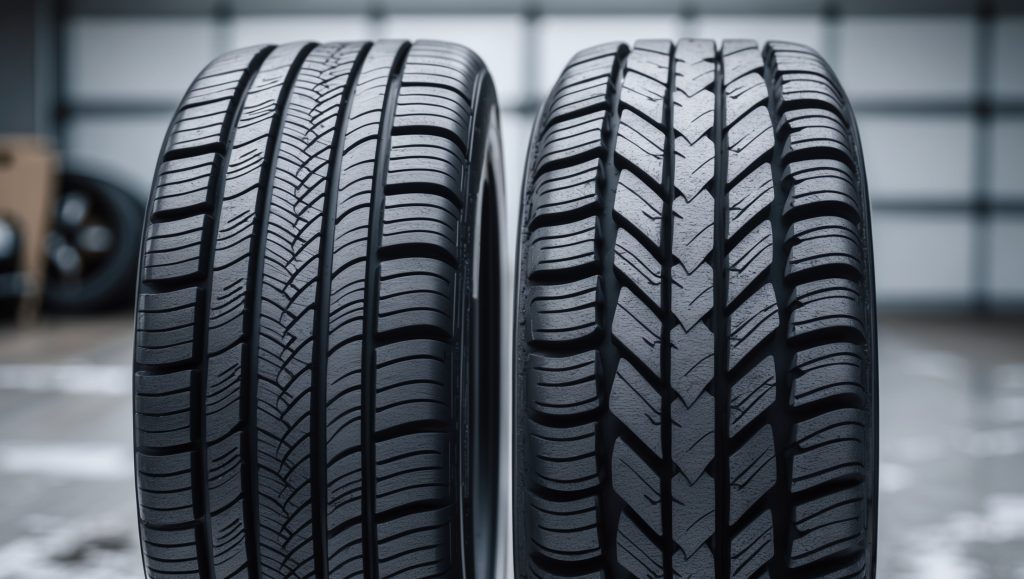
All-season tyres are designed to provide satisfactory performance in a wide range of conditions, including dry, wet, and light snowy roads. Their tread patterns balance grip and longevity, with moderate siping (small cuts) for light winter traction and grooves for water evacuation. These tyres are a popular choice for drivers in regions with mild winters and those seeking convenience year-round without seasonal tyre changes.
What Are Summer Tyres?
Summer tyres, also known as performance tyres, are engineered for optimal handling, braking, and cornering in warm conditions. They feature fewer sipes and larger tread blocks, maximizing rubber contact with the road and offering excellent responsiveness. However, their rubber compounds can harden in cold weather, causing significant drops in performance below 45°F (7°C).
Key Differences in Construction and Performance
- Rubber Compound: Summer tyres use softer compounds for better grip in heat, while all-season tyres use blends that remain flexible in moderate cold.
- Tread Pattern: Summer tyres have minimal siping and wider grooves for dry grip. All-season tyres incorporate more siping and moderate grooves for all-around traction.
- Operating Temperature: Summer tyres excel above 45°F; all-seasons function from mild cold to summer heat but sacrifice peak warm-weather performance.
Performance Comparison: Real-World Scenarios
Dry Road Handling
On dry roads, summer tyres deliver sharper steering, shorter braking distances, and a more connected feel. This makes them ideal for spirited drivers or those with sporty vehicles. All-season tyres provide safe, predictable handling but may feel less responsive due to their compromise-oriented design.
Wet Weather Grip
Both tyre types feature tread designs for water evacuation, but summer tyres generally outperform all-seasons in warm, wet conditions. Their advanced compounds and tread blocks resist hydroplaning and maintain traction during heavy rainfall. However, in cooler rainy weather, the performance gap narrows as summer compounds lose flexibility.
Cold Temperatures and Light Snow
All-season tyres are designed to stay pliable in temperatures just above freezing, providing usable grip on cold, dry, or slightly snowy roads. Summer tyres, conversely, become rigid and lose effectiveness as the temperature drops. They are not intended for snow or icy surfaces and may become unsafe in winter conditions.
Longevity and Tread Life
All-season tyres typically last longer than summer tyres, thanks to their harder compounds and less aggressive tread patterns. Drivers who cover high annual mileage or seek fewer replacements may find all-seasons more economical over time. However, tyre longevity also depends on driving style, alignment, and maintenance.
Climate Considerations Across the US
Southern and Coastal States
Regions such as Florida, Texas, and southern California experience warm temperatures year-round with rare snowfall. Summer tyres can be a practical choice here, delivering superior grip and handling for most of the year. All-season tyres remain popular for their versatility, but discerning drivers may benefit from the performance edge of summer rubber.
Northern and Mountain States
Areas like the Midwest, Northeast, and Rockies face cold winters and occasional snow. While all-season tyres offer convenience and safe performance in light snow, they are not a replacement for dedicated winter tyres when regular snow or ice is expected. Summer tyres are not recommended in these climates outside of the warmest months.
Transitional Regions and Urban Driving
Cities with variable weather or drivers who travel between regions may value the flexibility of all-season tyres. For those who rarely encounter snow, all-seasons can eliminate the hassle of seasonal swaps. However, for drivers prioritizing performance and able to manage seasonal tyre changes, using summer tyres in warm months and switching to winter tyres as needed offers the best of both worlds.
Cost, Convenience, and Value
Initial Purchase and Long-Term Costs
All-season tyres are often less expensive upfront than high-performance summer tyres. Their longer tread life can also reduce long-term costs, especially for high-mileage drivers. Summer tyres may require more frequent replacements due to their softer compounds and performance focus.
Storage and Tyre Changes
Opting for all-seasons means one set of tyres year-round, saving on storage and mounting costs. Drivers who choose summer and winter tyres must factor in twice-yearly tyre changes and the need for proper off-season storage, which can add to the total cost of ownership but maximizes safety and performance for enthusiasts or in regions with extreme seasonal shifts.
Fuel Efficiency
Differences in rolling resistance between all-season and summer tyres are usually minor. However, budget-oriented all-seasons can sometimes offer lower rolling resistance, enhancing fuel efficiency for fleet vehicles and daily commuters.
Choosing the Right Tyre for Your Needs
Assessing Your Driving Habits
- If you drive primarily in warm, dry, or wet conditions and value sharp handling, summer tyres may be ideal.
- If you encounter a mix of temperatures and occasional light snow, all-season tyres offer broad coverage.
- If you drive in areas with regular, significant snowfall, consider pairing summer tyres with dedicated winter tyres for seasonal changes.
Vehicle Type and Manufacturer Recommendations
Performance cars, sports sedans, and high-powered vehicles often benefit most from summer tyres, as these maximize their handling potential. For mainstream sedans, SUVs, crossovers, and light trucks, manufacturers typically fit all-season tyres for balanced year-round usability.
Fleet Considerations
Fleet managers should weigh the operational areas and typical usage. For fleets based in warmer climates with predictable routes, summer tyres may improve driver satisfaction and control. For mixed or unpredictable routes, all-seasons offer logistical simplicity and consistent safety.
Common Mistakes
- Using summer tyres in cold, icy, or snowy conditions.
- Assuming all-season tyres are suitable for severe winter weather.
- Neglecting to check tyre pressures during seasonal temperature changes.
- Overlooking manufacturer recommendations for tyre replacement.
- Prioritizing initial price over long-term value and safety.
- Failing to rotate or maintain tyres, reducing their lifespan.
Quick Checklist
- Evaluate your local climate: Do you get snow or freezing temperatures?
- Consider your driving style: Performance or comfort?
- Check your vehicle’s OEM tyre recommendations.
- Factor in annual mileage and tyre replacement frequency.
- Plan for storage if using separate summer and winter tyres.
- Monitor tyre pressure with seasonal changes.
- Schedule regular tyre inspections and rotations.
FAQ
- Can I use summer tyres all year in the US?
- Only in regions with consistently warm weather and no risk of snow or ice. Summer tyres lose performance in cold and are unsafe on snow or ice.
- Are all-season tyres good enough for winter?
- All-season tyres handle light snow and cold, but they are not a substitute for winter tyres in areas with heavy or frequent snow and ice.
- How do I know if a tyre is all-season or summer?
- Check the sidewall for markings. All-season tyres often have “M+S” (Mud and Snow) and a moderate tread pattern. Summer tyres lack snow-related markings and have fewer sipes.
- Will summer tyres improve my car’s handling?
- Yes, in warm conditions, summer tyres provide sharper handling, better grip, and shorter braking distances compared to all-seasons.
- Do all-season tyres last longer than summer tyres?
- Typically yes, due to harder compounds and less aggressive tread, but driving habits and maintenance are also major factors.
- Is it worth switching between summer and winter tyres?
- If you live in a region with distinct seasons and want optimal safety and performance, switching is worthwhile despite the added cost and effort.
- Are all-season tyres the same as all-weather tyres?
- No. All-weather tyres are a newer category designed for better winter performance than traditional all-seasons, sometimes with the three-peak mountain snowflake symbol.
Conclusion
Choosing between all-season and summer tyres comes down to your climate, driving style, and vehicle requirements. All-season tyres offer convenience and safety for most US drivers, especially in regions with variable weather. Summer tyres provide maximum performance in warm conditions but should never be used in freezing temperatures or snow. Assess your priorities, consult your vehicle manufacturer, and remember that regular maintenance is key to tyre safety and longevity. If in doubt, consult a tyre professional to ensure your choice supports your safety and driving enjoyment.
You mention that summer tyres can lose performance below 45°F. Is it risky to use them during unexpected cold snaps in southern states where winter dips are rare but possible?
Yes, using summer tyres during unexpected cold snaps in southern states can still be risky. Even brief periods below 45°F can reduce traction and grip, especially if roads are wet. If occasional cold spells happen where you live, all-season tyres are a safer, more versatile option.
If I’m based in California where winters are mild but there’s occasional rain, would I compromise much on safety or handling by choosing all-seasons instead of summer tyres?
In California’s mild climate with some rain, all-season tyres are a solid choice. They offer reliable safety and handling for most everyday driving, and you won’t lose much compared to summer tyres unless you drive aggressively or want peak performance in warm, dry conditions. For typical commuting and rainy days, all-seasons should meet your needs well.
I do a lot of highway commuting and some light road trips year-round. How much difference in tread wear and longevity should I expect between all-season and summer tyres?
For your year-round highway use and light road trips, all-season tyres generally last longer than summer tyres because they’re designed for durability and a wider range of conditions. Summer tyres usually have softer rubber for better grip, which means faster tread wear, especially if used in cooler weather. Expect all-season tyres to outlast summer tyres by several thousand miles under similar driving habits.
I understand summer tyres aren’t great below 45°F, but would it damage them if I accidentally drove on a cold morning before it warmed up?
Driving summer tyres briefly in temperatures below 45°F usually won’t cause immediate damage if it’s just an occasional cold morning. However, repeated use in cold weather can make the rubber stiff and reduce grip, raising the risk of cracking or premature wear. Try to avoid frequent cold-weather driving on summer tyres for best longevity and safety.
How do the tread patterns of all-season tyres affect fuel efficiency compared to summer tyres?
All-season tyres usually have more intricate tread patterns with deeper grooves to handle various weather, which can increase rolling resistance and slightly reduce fuel efficiency compared to summer tyres. Summer tyres have simpler, smoother tread designs, offering less rolling resistance and generally better fuel economy, especially in warm, dry conditions.
If I mostly drive in the Northeast where winters are unpredictable but not extreme, would all-season tyres really be enough for those surprise snowfalls or should I still consider switching to winter tyres?
In the Northeast, all-season tyres can handle light snow and cold snaps, but if you often face unexpected snow or icy roads, winter tyres still offer noticeably better traction and safety. If safety in surprise snowfalls is a top concern, switching to winter tyres for the season is worth considering.
How often should all-season vs summer tyres be replaced if you’re mostly doing short trips around town rather than long-distance driving?
If you’re mainly doing short trips in town, both all-season and summer tyres may last longer than with frequent long-distance driving. Still, it’s best to replace all-season tyres every 5-6 years and summer tyres every 4-5 years, or sooner if tread wear reaches the minimum legal limit. Regularly check tread depth and look for signs of uneven wear to ensure safety.
If my budget is tight, is it better to invest in one set of high-quality all-season tyres or buy cheaper summer tyres and switch them out seasonally?
If your budget is limited, investing in one set of high-quality all-season tyres is usually the better choice. They’ll give you reliable performance year-round and save you the extra cost and hassle of buying and storing two sets of tyres, as well as the mounting fees for switching them out each season.
If I mostly drive in a region with mild winters but sometimes travel to colder states, would all-season tyres still be safe, or should I consider switching to winter tyres for those trips?
All-season tyres are generally safe for regions with mild winters and occasional colder weather. However, if your trips to colder states involve driving on snow or ice, winter tyres will offer much better traction and safety. For frequent snowy or icy conditions, switching to winter tyres for those trips is recommended.
If I mostly do school drop-offs and neighborhood errands, is there much of a handling difference I’d notice between summer and all-season tyres?
For regular school drop-offs and local errands, you likely won’t notice much of a handling difference between summer and all-season tyres. All-season tyres are designed for everyday driving and provide good comfort and safety in a variety of conditions, which makes them a practical choice for your needs.
You mention summer tyres perform best above 45°F—could using them during unpredictable spring or fall temperatures cause safety issues?
Yes, using summer tyres during unpredictable spring or fall temperatures can pose safety concerns. If temperatures drop below 45°F, summer tyres lose grip and can become less effective, especially in wet or cold conditions. For regions with fluctuating weather, all-season tyres provide more consistent traction and safety as temperatures change.
Does using summer tyres in occasional cold snaps below 45°F really make that much of a difference in braking distance or control, or is it only a minor drop in performance?
Using summer tyres in temperatures below 45°F does make a significant difference in both braking distance and control. The rubber in summer tyres becomes harder in the cold, which greatly reduces grip and increases stopping distances, even if roads are dry. It’s more than just a minor drop in performance, especially in sudden braking or emergency maneuvers.