
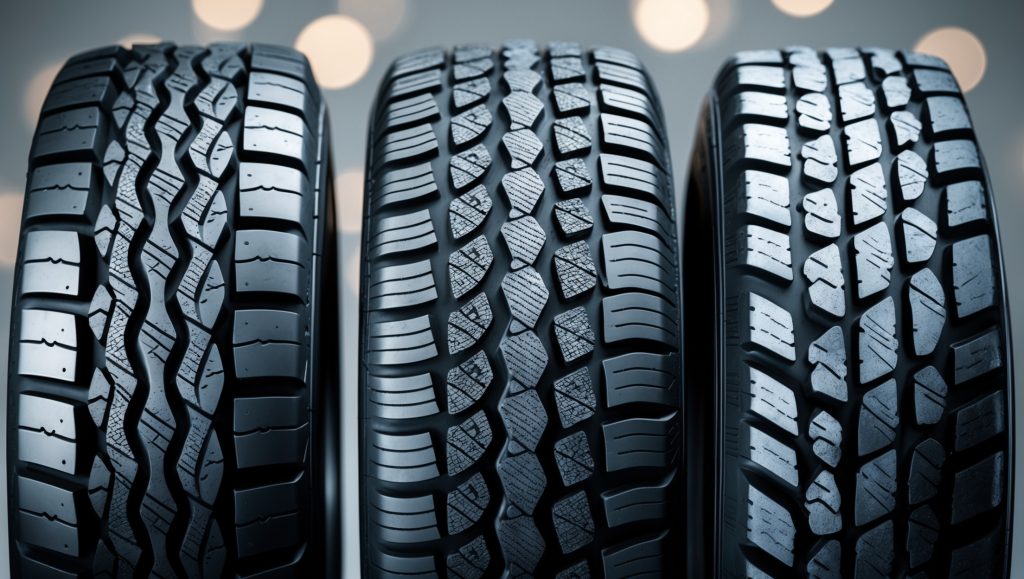
Introduction
When it comes to tyre selection, many US drivers and fleet managers face a decision: all-season, all-weather, or winter tyres? Each type is designed for specific conditions and driving needs, but confusion is common. The right tyres can mean the difference between optimal safety and compromised performance. With shifting weather patterns and varying regional climates across the US, understanding the distinctions between these tyre categories is more important than ever. This guide explores the differences, advantages, and decision-making factors to help you make the best choice for your vehicle and driving environment.
All-Season Tyres
What Are All-Season Tyres?
All-season tyres are engineered to provide balanced performance in a variety of road conditions, including dry, wet, and light snowy environments. They are the default choice for many vehicles sold in the US, designed to offer satisfactory grip, longevity, and comfort throughout the year in moderate climates.
Strengths of All-Season Tyres
- Versatility: Usable in most weather conditions except extreme cold or heavy snow.
- Durability: Typically feature harder rubber compounds for longer tread life.
- Quiet Ride: Designed for comfort and reduced road noise.
- Cost-Effectiveness: Reduces the need for seasonal tyre changes.
Limitations
- Reduced traction in severe winter conditions compared to winter tyres.
- Not optimized for extreme heat or heavy snow and ice.
Best Use Cases
All-season tyres are ideal for drivers in regions with mild winters and minimal snowfall, or for those who prefer not to switch tyres seasonally.
All-Weather Tyres
What Are All-Weather Tyres?
All-weather tyres bridge the gap between all-season and winter tyres. They are engineered with specialized rubber compounds and tread patterns that remain flexible in lower temperatures and channel water and slush away efficiently. Unlike traditional all-seasons, all-weather tyres often carry the three-peak mountain snowflake (3PMSF) symbol, indicating they meet specific winter traction requirements.
Strengths of All-Weather Tyres
- Year-Round Capability: Effective in both summer and moderate-to-severe winter conditions.
- Certified Winter Performance: 3PMSF rating means they are legally recognized as winter tyres in areas with regulations.
- Convenience: Eliminates the need for seasonal tyre swaps in many regions.
Limitations
- May wear faster than all-season tyres in hot climates due to softer rubber compounds.
- Slightly noisier and less fuel-efficient compared to some all-season models.
Best Use Cases
All-weather tyres are a strong choice for drivers in regions with unpredictable weather, frequent freeze-thaw cycles, or moderate snow but who still need reliable performance in summer heat.
Winter Tyres
What Are Winter Tyres?
Winter tyres, also known as snow tyres, are specifically designed for use in low temperatures, snow, and icy conditions. They feature unique tread patterns, deeper grooves, and rubber compounds that remain flexible below 45°F (7°C), delivering superior traction and braking performance when it matters most.
Strengths of Winter Tyres
- Maximum Winter Grip: Optimized for snow, ice, and slush, providing shorter stopping distances and better handling.
- Specialized Tread: Deep sipes and biting edges improve traction on slippery surfaces.
- Cold-Weather Performance: Maintains flexibility and grip even in extreme cold.
Limitations
- Not designed for warm weather; rubber can wear rapidly above 45°F (7°C).
- Should be replaced with all-season or summer tyres when temperatures rise.
- May be noisier and less fuel-efficient on dry pavement.
Best Use Cases
Winter tyres are essential for drivers in areas with regular, heavy snowfall and prolonged sub-freezing temperatures. They may be required by law in certain US states or regions during winter months.
Comparing Performance by Category
Dry and Wet Road Handling
On dry and wet roads in mild temperatures, all-season tyres generally provide the most balanced handling and comfort. All-weather tyres perform well, especially in rain, due to advanced water-evacuating tread designs. Winter tyres are optimized for snow and ice but may not handle as precisely on dry roads in warmer conditions.
Snow and Ice Traction
Winter tyres are unmatched in snow and ice performance, offering up to 25% shorter stopping distances compared to all-season tyres. All-weather tyres come close, significantly outperforming all-seasons in cold, snowy conditions. All-season tyres struggle in deep snow and icy surfaces, with longer braking distances and reduced grip.
Longevity and Treadwear
All-season tyres are built for longevity, often outlasting all-weather and winter tyres under similar driving conditions. All-weather tyres can wear faster in hot climates due to their softer compounds. Winter tyres are meant for seasonal use and can degrade quickly if used year-round.
Noise and Comfort
All-season tyres typically offer the quietest, most comfortable ride. All-weather tyres may produce slightly more road noise, especially as tread wears. Winter tyres, with their aggressive patterns, can be the loudest on dry pavement.
Fuel Efficiency
All-season tyres generally deliver the best fuel economy. All-weather and winter tyres may slightly decrease efficiency due to increased rolling resistance, especially when used outside their optimal temperature range.
Choosing the Right Tyre Type for US Conditions
Assess Your Local Climate
Your region’s weather is the biggest factor. If you live in an area with mild winters and little snow (e.g., southern states or coastal areas), all-season tyres are usually sufficient. For regions with unpredictable weather or moderate snow (e.g., Midwest, Northeast), all-weather tyres offer valuable peace of mind. In areas with harsh, prolonged winters (e.g., northern Midwest, mountain states), dedicated winter tyres are the safest option during the coldest months.
Driving Habits and Vehicle Use
Consider how, when, and where you drive. Frequent highway trips, urban commuting, or fleet operation in varying climates may benefit from the added safety margin of all-weather or winter tyres. Occasional rural or mountain travel may also warrant a more specialized tyre.
Legal Requirements
Certain states or municipalities mandate winter tyres or chains during specific months or weather conditions. Always check local laws, especially if you cross state lines or travel in mountainous regions.
Budget vs. Safety
While all-weather and winter tyres can cost more upfront or require seasonal changeovers, the investment pays off in safety and performance. Consider long-term tyre costs, potential savings from reduced accident risk, and the value of preserving your all-season or summer tyres for warmer months.
Common Mistakes
- Assuming all-season tyres are safe for all winter conditions.
- Using winter tyres year-round, leading to rapid treadwear and loss of performance in warm weather.
- Not checking for the 3PMSF (Three-Peak Mountain Snowflake) symbol when selecting all-weather tyres.
- Delaying seasonal tyre changes, risking safety as weather shifts.
- Ignoring local legal requirements for winter tyre use.
- Mixing different tyre types or tread depths on the same axle or vehicle.
Quick Checklist
- Assess your local winter severity and typical road conditions.
- Check your vehicle manual for tyre recommendations and size compatibility.
- Look for the 3PMSF symbol if choosing all-weather or winter tyres.
- Plan your seasonal tyre changes ahead of time for safety and convenience.
- Ensure all four tyres are the same type and have similar tread depth.
- Verify local regulations on winter tyre or chain requirements before winter.
- Budget for tyre replacements and seasonal storage if needed.
FAQ
- Q: Can I use all-season tyres year-round in the US?
A: In many regions with mild winters, yes. However, in areas with frequent snow or ice, all-season tyres may not provide enough traction or safety. - Q: How do I identify an all-weather or winter tyre?
A: Look for the three-peak mountain snowflake (3PMSF) symbol on the tyre sidewall, indicating certified winter performance. - Q: Are all-weather tyres as good as winter tyres in snow?
A: All-weather tyres perform much better than all-seasons in snow, but dedicated winter tyres still offer the best performance in severe winter conditions. - Q: Do winter tyres wear out faster?
A: Yes, especially if used in warm weather. They are designed for cold temperatures and can degrade quickly in heat. - Q: Is it safe to use different tyre types on the same vehicle?
A: No. Mixing tyre types can compromise handling, braking, and safety. Always use matching tyres on all wheels. - Q: Do I need to change all four tyres at once?
A: For optimal safety and performance, it’s best to replace all four tyres at the same time, especially with winter or all-weather tyres. - Q: Are tyre chains an alternative to winter tyres?
A: Chains can provide temporary traction in deep snow but are not a replacement for the performance and safety of winter tyres. They are only suitable for specific conditions and must be removed for dry roads. - Q: What about all-terrain tyres for winter?
A: Some all-terrain tyres are 3PMSF-rated and suitable for light snow, but true winter tyres still outperform them in harsh winter conditions.
Conclusion
Choosing between all-season, all-weather, and winter tyres depends on your local climate, driving habits, and legal requirements. While all-season tyres suffice for many US drivers, those facing harsh or unpredictable winters should strongly consider all-weather or winter tyres for optimal safety and control. Understand the strengths and limitations of each type, plan for seasonal changes, and always prioritize safety over convenience or cost savings. If unsure, consult a trusted tyre professional to ensure your vehicle is equipped for whatever the road—and weather—throws your way.
I live in the Midwest where winters can get pretty cold but we also have hot summers. Would all-weather tyres really be enough for both extremes, or should I still consider getting separate winter and summer tyres?
All-weather tyres are designed to handle a wide range of temperatures and conditions, making them suitable for areas with both cold winters and warm summers. However, if you experience severe winter conditions with heavy snow and ice, separate winter tyres will provide better traction and safety in those months, while summer tyres will offer optimal performance in the hottest months. For convenience and balanced performance, all-weather tyres can be a good choice, but for maximum safety and performance, dedicated seasonal tyres are best.