
Introduction
Whether you’re a daily commuter or manage a fleet, understanding how tyres grip snow is critical for winter safety. In the US, millions of drivers face snowy and icy conditions each year. The right tyres not only reduce the risk of accidents but also help maintain control, shorten stopping distances, and keep journeys predictable. This article explains how snow grip works, the tyre technologies behind it, and how to select and maintain tyres for optimal winter performance.
What Is Snow Grip and Why Does It Matter?
“Snow grip” refers to a tyre’s ability to maintain traction on snowy and icy surfaces. Good snow grip helps prevent skidding, supports effective acceleration and braking, and ensures steering remains responsive. For US drivers, especially in the North, Midwest, or mountainous states, understanding the factors that influence grip can mean the difference between safe travel and dangerous mishaps.
The Science Behind Tyre Snow Grip
Tread Patterns and Siping
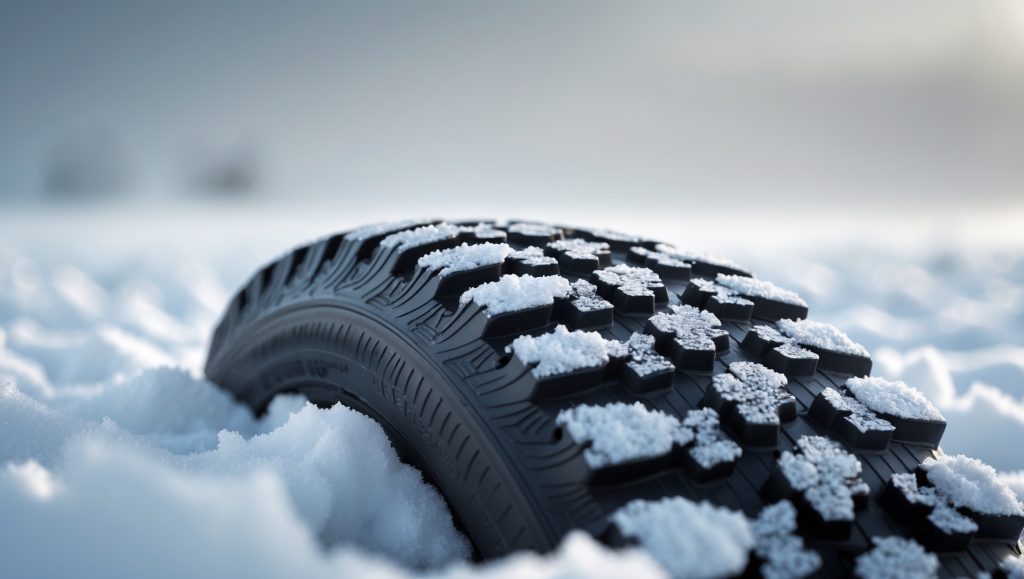
Winter tyres use specialized tread patterns with deeper grooves and more sipes (small slits). These features bite into snow, create extra edges for traction, and channel snow and slush away. Blocky tread designs also help the tyre compact snow into the grooves, increasing friction—often more than rubber-on-ice alone.
Rubber Compounds
At low temperatures, standard tyre rubber hardens and loses flexibility, reducing grip. Winter tyres are made with softer compounds that stay pliable in the cold, maintaining more contact with the road and snowy surfaces. This flexibility is vital for both adhesion and the ability to conform to uneven, packed snow.
Tyre Pressure and Contact Patch
Colder temperatures cause tyre pressure to drop, which can reduce the effectiveness of your tyres’ contact patch—the area that meets the road. A properly inflated tyre maintains optimal shape for snow grip, while under- or over-inflation can compromise traction and increase uneven wear.
Studded vs. Studless Tyres
Some winter tyres have embedded metal studs for extreme ice grip. While legal in many northern states, studded tyres can damage dry roads and may be restricted in some areas. Modern studless winter tyres offer improved snow and ice performance due to advanced compounds and intricate tread designs, often making them the best all-around option for most drivers.
Choosing the Right Tyre for Snow Grip
Types of Tyres: Winter, All-Season, All-Weather
Winter tyres (often marked with the 3PMSF symbol) are designed specifically for snow and ice. All-season tyres offer some snow capability but sacrifice performance in severe winter conditions. All-weather tyres are a compromise, providing better winter grip than all-seasons but generally not matching dedicated winter tyres on packed snow or ice.
Size and Fitment Considerations
For snow, narrower tyres often perform better by increasing pressure per square inch and cutting through snow to reach firm surfaces. Always follow vehicle manufacturer recommendations for size, load, and speed ratings—incorrect sizing can reduce safety and invalidate insurance.
Load and Speed Ratings
Heavier vehicles require tyres rated for higher loads. In winter, exceeding the load capacity can worsen handling and reduce snow grip. Speed ratings are also important; winter tyres are typically rated for lower maximum speeds due to their softer compounds.
Maximizing Snow Grip: Practical Tips
Proper Tyre Maintenance
Regularly check tyre pressure, especially as temperatures fluctuate. Cold weather can reduce pressure by 1 psi for every 10°F drop. Rotate tyres to ensure even wear, and replace them when tread depth falls below 5/32″ (4 mm) for winter driving.
Driving Techniques for Better Grip
Gentle acceleration, smooth steering, and longer stopping distances help prevent your tyres from overwhelming available grip. Use lower gears on inclines and descents to reduce reliance on brakes.
Equipment: Chains and Traction Aids
In extreme conditions or mountainous regions, tyre chains can provide extra grip. Always check local laws and ensure chains are compatible with your tyres and vehicle clearance.
Fitting All Four Tyres
For best control, fit winter tyres on all four wheels—even on front-wheel-drive vehicles. Mixing winter and other tyres can lead to unpredictable handling.
Common Mistakes
- Using all-season tyres in severe snow expecting winter-like performance.
- Mixing winter tyres with all-season or summer tyres on the same vehicle.
- Ignoring tyre pressure in cold weather.
- Delaying replacement past recommended tread depth.
- Choosing tyres based solely on price instead of winter performance needs.
- Assuming all 3PMSF-marked tyres perform equally in snow (performance varies by model).
- Fitting oversized tyres against manufacturer recommendations for “looks.”
Quick Checklist
- Look for the 3PMSF (Three Peak Mountain Snowflake) symbol for certified winter performance.
- Check and adjust tyre pressure regularly during cold snaps.
- Maintain at least 5/32″ (4 mm) tread depth for snow grip.
- Fit winter tyres to all four wheels.
- Choose tyre sizes and load ratings per your vehicle’s manual.
- Rotate tyres for even wear before winter season.
- Consider chains or traction aids if driving in mountainous or rural snow zones.
- Store off-season tyres properly to preserve rubber quality.
FAQ
- Q: What is the 3PMSF symbol and why does it matter?
A: The Three Peak Mountain Snowflake (3PMSF) symbol certifies that a tyre meets specific snow traction standards. It is a better indicator of winter capability than M+S (Mud + Snow) markings. - Q: Can I use all-season tyres in snowy conditions?
A: All-season tyres provide basic snow traction, but are generally inadequate for severe or frequent snow. Dedicated winter tyres are much safer when snow is common or deep. - Q: How often should I check tyre pressure in winter?
A: Check at least monthly or whenever the temperature drops significantly. Low pressure reduces snow grip and increases wear. - Q: Are studded tyres necessary?
A: Studded tyres provide extra grip on ice but are often unnecessary for most drivers, thanks to advances in studless winter tyre technology. Check local laws if considering studs. - Q: Does tread depth really matter that much?
A: Yes. Deeper tread improves snow evacuation and grip. Most experts recommend replacing winter tyres at 5/32″ (4 mm) tread depth. - Q: Can I use winter tyres all year?
A: It’s not recommended. Winter tyres wear faster in warm weather and may provide less grip on dry, hot pavement. - Q: What’s the difference between all-weather and winter tyres?
A: All-weather tyres are designed for moderate climates and lighter snow, offering a compromise between all-season and winter performance. Winter tyres are best for frequent or deep snow and cold temperatures. - Q: How do I store my off-season tyres?
A: Store them in a cool, dry place away from sunlight and chemicals. Stack tyres flat if unmounted, upright if mounted, and keep them clean and covered.
Conclusion
Understanding snow grip is essential for safe winter driving in the US. By choosing the right tyres, maintaining them properly, and adjusting your driving habits, you can dramatically reduce the risks posed by snow and ice. Review your current tyres, check tread depth and pressure, and consider switching to dedicated winter tyres if you regularly face snowy conditions. The right decisions now mean safer journeys all winter long.
Can you explain how studless winter tyres compare to studded ones when it comes to icy side streets versus snowy highways in northern states like Minnesota?
Studless winter tyres use advanced rubber and tread designs to grip ice and snow well, making them effective on snowy highways. However, on very icy side streets, studded tyres generally offer superior traction because the metal studs bite into the ice. In northern states like Minnesota, studded tyres can give extra confidence on icy residential roads, but studless options perform excellently on packed snow and are quieter on dry pavement.
You mention that winter tyres use softer rubber compounds to stay flexible in cold weather. How much of a difference does this actually make compared to regular all-season tyres during a harsh US winter?
The softer rubber compounds in winter tyres make a significant difference in cold weather. Below about 45°F (7°C), regular all-season tyres harden, reducing their grip and traction. Winter tyres remain flexible, which greatly improves braking, handling, and overall safety on snow and ice compared to all-season tyres during harsh US winters.
How should fleet managers balance the cost of winter tyre upgrades versus the safety benefits discussed, especially in states with unpredictable snowfall?
Fleet managers can assess historical weather data and accident rates in their regions to decide if winter tyres are justified. In areas with unpredictable snowfall, equipping at least a portion of the fleet or the most frequently used vehicles can provide extra safety without upgrading every vehicle. The potential reduction in accidents and downtime often offsets the higher upfront cost of winter tyres.