
Introduction
When winter descends across the US, safe driving becomes a challenge. Snow and ice reduce traction dramatically, making the right choice of tyre critical for both personal vehicles and fleets. While many drivers focus on all-season tyres, understanding how tyre tread design and rubber compounds contribute to snow grip can make the difference between a confident commute and a hazardous journey. This in-depth guide explains the science behind snow grip, how to evaluate tyres for winter, and practical tips for optimal safety.
Understanding Snow Grip: The Basics
What Is Snow Grip?
Snow grip refers to a tyre’s ability to maintain traction on snow-covered surfaces. It relies on a combination of mechanical and chemical properties, including tread pattern, compound flexibility, and the tyre’s ability to interact with compacted snow.
Why Is Snow Grip Different from Wet or Dry Grip?
Unlike wet or dry conditions, snow introduces a slippery, shifting surface. Tyres must “bite” into snow and maintain flexibility at low temperatures. This requires specialized features not needed in summer or typical all-season tyres.
The Science of Tyre Tread Patterns for Snow
Sipes: Small Cuts, Big Difference
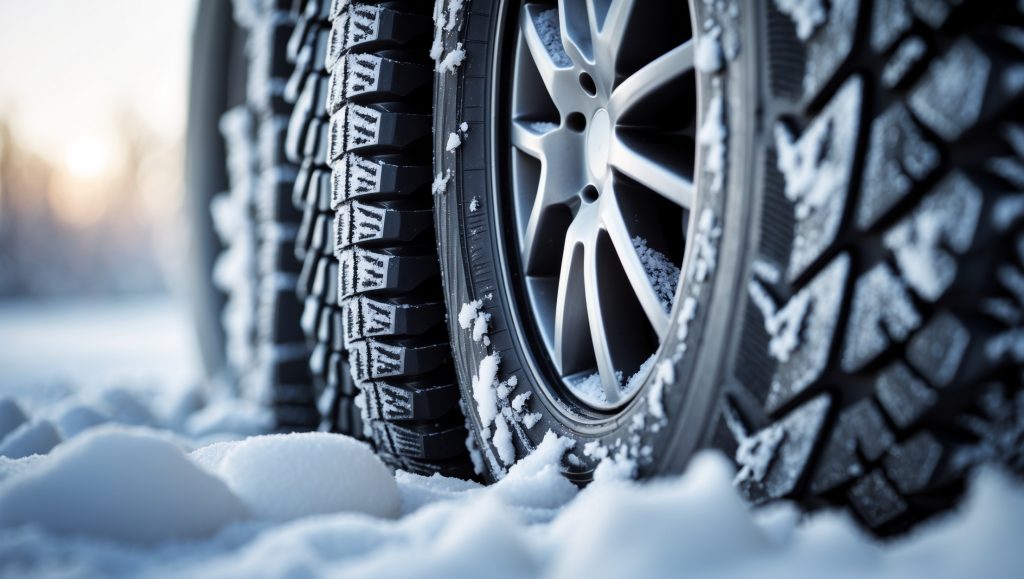
Sipes are tiny slits molded into the tread blocks. They open up as the tyre rolls, creating extra biting edges that grip snow and ice. More sipes generally mean better snow traction, but too many can compromise dry handling. Premium winter tyres balance sipe density with block stability.
Tread Block Arrangement and Void Ratio
Winter tyres have deeper grooves and a higher void ratio (the space between tread blocks) to help channel snow and slush away. The arrangement of blocks also matters—zigzag and staggered patterns provide more edges to interlock with snow.
Snow-on-Snow Traction
An interesting phenomenon is “snow-on-snow” grip: snow packed into the tread can actually stick to snow on the ground, improving traction. Effective winter tyres are designed to hold and release snow in a controlled way for this effect.
Rubber Compounds: Flexibility at Low Temperatures
Why Compound Matters
Rubber stiffens as temperatures fall. Winter tyre compounds use high levels of silica and other additives to keep the tread soft and flexible, ensuring the tyre conforms to the road and maintains grip.
Compound Evolution and Modern Advances
Recent advances include multi-compound treads, where the outer layer is optimized for initial grip and deeper layers provide durability. Fleets and frequent drivers should pay attention to compound longevity, as high-performance winter tyres may wear faster on dry roads.
All-Season vs. Winter Compounds
All-season tyres are engineered for a broad temperature range but tend to become too hard below 45°F (7°C). True winter tyres remain pliable well below freezing, a critical factor for reliable snow grip.
Real-World Factors That Affect Snow Grip
Tyre Pressure and Maintenance
Low temperatures reduce tyre pressure, which can alter the contact patch and reduce traction. Regularly check and adjust pressures to manufacturer specs during winter.
Tread Depth: When Is It Time to Replace?
Winter tyres rely on deep grooves for snow evacuation. When tread depth drops below 5/32″ (4 mm), snow grip decreases significantly—even if the tyre looks “okay.” For fleets, routine tread depth checks are essential.
Vehicle Systems: ABS, Traction Control, and AWD
While modern vehicles offer electronic helpers, these systems are only as effective as the tyres allow. Even all-wheel drive cannot compensate for poor snow grip if the tyres are not designed for winter use.
How to Choose Tyres for Snow Grip
Look for the Three-Peak Mountain Snowflake Symbol
This symbol (3PMSF), regulated in North America, indicates the tyre has passed a standardized snow traction test. It is a more reliable indicator than the “M+S” (Mud and Snow) marking, which is based on tread geometry alone.
Understand Your Driving Environment
Drivers in areas with frequent, persistent snow should prioritize dedicated winter tyres. In regions with occasional snow, all-weather tyres with the 3PMSF rating may suffice. Fleet operators should assess routes and downtime risk when choosing between all-season and winter options.
Studded vs. Studless Tyres
Studded tyres offer superior ice grip but are regulated or banned in many US states due to road wear. Modern studless winter tyres with advanced compounds and sipes now rival or surpass traditional studded designs in most snowy conditions.
Size and Fitment Considerations
Narrower tyres can cut through snow more effectively, but always follow manufacturer recommendations to avoid compromising safety or performance.
Common Mistakes
- Relying on all-season tyres for harsh winter conditions
- Assuming AWD or 4WD compensates for inadequate tyres
- Ignoring tyre pressure drops during cold spells
- Delaying tyre replacement past safe tread depth
- Choosing tyres based only on price, not snow performance ratings
- Not checking for the 3PMSF symbol when winter performance is needed
- Using mismatched tyres on the same vehicle (different types or wear levels)
Quick Checklist
- Check for the Three-Peak Mountain Snowflake (3PMSF) symbol before purchase
- Measure tread depth regularly—replace winter tyres below 5/32″
- Adjust tyre pressures monthly in cold weather
- Match all four tyres for type, brand, and tread depth
- Assess your typical winter driving conditions to choose between all-weather or dedicated winter tyres
- Consult local laws on studded tyres if considering them
- Follow vehicle manufacturer size and load recommendations
FAQ
- How can I tell if a tyre is truly rated for snow?
Look for the 3PMSF (Three-Peak Mountain Snowflake) symbol on the sidewall, indicating it meets winter traction standards. - Is it safe to use all-season tyres in snowy climates?
All-season tyres provide basic winter traction but are not optimized for deep snow or ice. True winter tyres are recommended for regular or severe snow conditions. - How does tread depth affect snow performance?
Shallower treads reduce the tyre’s ability to evacuate snow and find grip. Replace winter tyres below 5/32″ tread depth for best safety. - Can I use studded tyres everywhere in the US?
No. Studded tyres are restricted or banned in some states due to road damage. Always check local regulations before using them. - Does tyre width impact snow grip?
Narrower tyres can cut through deep snow more effectively, but must be compatible with your vehicle’s specifications. - How often should I check tyre pressure in winter?
Check at least once a month—cold temperatures can significantly lower pressure, affecting performance and safety. - Will traction control systems make up for poor tyres?
Electronic systems help, but tyres are the only point of contact with the road. Quality winter tyres are essential. - Are there tyres that work for both snow and other seasons?
All-weather tyres with the 3PMSF symbol offer a compromise for regions with variable winter severity, but dedicated winter tyres still perform best in regular snow and ice.
Conclusion
Snow grip isn’t just about buying a tyre labeled “winter.” It’s the result of sophisticated tread patterns, advanced rubber compounds, and diligent maintenance. For both individual drivers and fleet operators, understanding these principles ensures safer journeys on snow-covered roads. Before winter sets in, evaluate your current tyres, consider your typical driving conditions, and choose tyres that meet the highest standards for snow traction. Investing in the right tyres is investing in your safety and peace of mind all winter long.
Could you explain how to tell if a tyre has a good balance between sipe density and block stability for winter driving? I’m not sure what to look for when shopping in person.
When checking winter tyres in person, look for a tread pattern with plenty of small zigzag slits (sipes) across the tread blocks, but also pay attention to the firmness of the blocks. Press them gently—well-designed tyres will have blocks that flex a little for grip, but remain stable and don’t feel loose. Ask to compare different models to gauge sipe density and block stability side by side.
With so many factors influencing snow grip, what’s the best approach for someone on a tight budget who can’t afford premium winter tyres every season?
If premium winter tyres aren’t an option, consider choosing reputable mid-range all-season tyres that carry the three-peak mountain snowflake symbol. Regularly check your tyre pressure and tread depth for safety. When driving in snow, reduce your speed, increase following distances, and avoid sudden maneuvers to compensate for the reduced grip.