
Introduction
All-terrain (AT) tyres are the go-to choice for drivers and fleet operators who need both on-road civility and off-road capability. Whether you’re tackling muddy trails, gravel roads, or simply want peace of mind for unpredictable conditions, understanding how these tyres are engineered and how to choose the right ones can make a significant difference in performance, safety, and tyre life. This article explores the essential features of off-road all-terrain tyres, how they differ from other tyre types, and what US drivers should consider when buying them in 2025.
How Off-Road All-Terrain Tyres Are Built
Tyre Construction Basics
All-terrain tyres are constructed to balance durability, traction, and comfort. Unlike standard highway tyres, ATs feature reinforced sidewalls, aggressive tread patterns, and rubber compounds designed to withstand sharp rocks, roots, and variable surfaces. Their internal structure often includes extra plies or belts for added strength, helping resist punctures and sidewall damage.
Tread Pattern Design
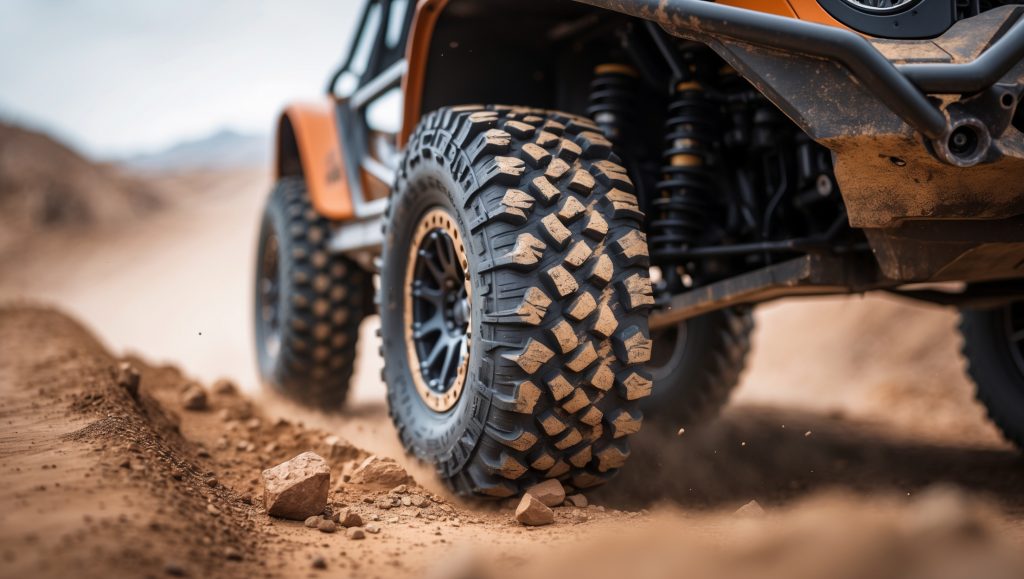
The tread pattern is the most visible difference. AT tyres use larger, deeper tread blocks with wider voids (gaps) between them. This allows for better self-cleaning—mud and stones are ejected rather than packed in. Multiple sipes and biting edges improve grip on loose surfaces like sand and gravel. Some ATs include staggered shoulder lugs for extra traction when climbing out of ruts or through mud.
Rubber Compounds and Weather Performance
All-terrain tyres use rubber compounds optimized for temperature stability and cut/chip resistance. This helps maintain flexibility in cold or heat while resisting damage from sharp debris. Some AT tyres are branded with the 3PMSF (Three Peak Mountain Snowflake) symbol, indicating they meet winter traction standards and are suitable for year-round use, especially in northern US states or mountain regions.
Key Features to Compare When Buying AT Tyres
On-Road Versus Off-Road Emphasis
Not all AT tyres are equal—some lean more towards off-road durability, while others prioritize on-road comfort and noise reduction. Tyres with more aggressive tread patterns and stiffer sidewalls excel off-road but may produce more road noise and deliver a firmer ride. Conversely, milder AT tyres offer quieter highway performance at the expense of ultimate off-road traction.
Load Ratings and Ply Numbers
For trucks and SUVs, especially when towing or carrying gear, pay attention to load ratings and ply numbers. Higher ply ratings (such as 10-ply or “Load Range E”) indicate a stronger tyre that can handle heavier weights and rougher terrain, but they may also ride more harshly.
Size Considerations
All-terrain tyres are available in a wide range of sizes to fit stock and lifted vehicles. When upsizing, ensure the tyre fits your wheel wells and won’t rub at full suspension compression or steering lock. Larger tyres offer more ground clearance but may impact fuel economy, speedometer readings, and require recalibration.
Sidewall Protection
Many AT tyres include reinforced or raised sidewall features to protect against cuts, scuffs, and pinch-flats. These can be especially important for rocky terrain or when airing down for sand or mud.
Warranty and Tread Life
Check the manufacturer’s mileage warranty and UTQG treadwear rating where available. While most AT tyres wear faster than highway tyres due to softer compounds and open treads, some offer warranties up to 60,000 miles. Realistic expectations based on your driving split (on-road vs. off-road) will help you choose.
Real-World Performance: What to Expect
Off-Road Traction
All-terrain tyres excel on loose surfaces like dirt, gravel, and mud. Their deeper tread and larger voids offer grip where standard tyres would spin. However, for extreme mud or rock crawling, dedicated mud-terrain (MT) tyres may outperform even the best ATs.
On-Road Handling and Noise
Modern AT tyres are much quieter than their predecessors, but the trade-off for off-road traction is generally increased noise and slightly reduced fuel efficiency compared to highway tyres. Expect a firmer ride and pay attention to wet pavement performance, as some AT treads can hydroplane more easily.
Weather Adaptability
3PMSF-rated AT tyres provide reliable winter performance, with enhanced grip in snow and slush. Non-rated ATs may harden and lose traction in cold, so match your tyre choice to your climate.
Choosing the Right AT Tyre for Your Needs
Assess Your Driving Mix
Estimate how much of your driving is off-road versus highway. Occasional trail users may prefer a more road-biased AT for comfort, while frequent off-roaders need aggressive tread and sidewall protection.
Regional Terrain Examples
- Desert Southwest: Look for cut- and chip-resistant compounds and strong sidewalls for rocks and sand.
- Pacific Northwest: Prioritize wet traction and mud evacuation.
- Northern Rockies/New England: 3PMSF-rated ATs handle snow and icy roads better than standard all-seasons.
Towing and Load Requirements
If you tow a trailer or carry heavy loads, select an AT tyre with a suitable load range. Under-spec’d tyres can overheat or fail under stress.
Maintaining Your All-Terrain Tyres
Air Pressure Management
Proper inflation is crucial for tyre life and safety. Off-roaders often air down for traction, but always re-inflate before highway speeds. Carry a reliable pressure gauge and portable compressor.
Rotation and Alignment
Rotating your tyres every 5,000–8,000 miles and keeping your alignment in check evens out wear, maximizing mileage and performance.
Cleaning and Inspection
Remove stones or debris from tread voids and inspect for cuts, sidewall bulges, or uneven wear after off-road use.
Common Mistakes
- Choosing an overly aggressive AT tyre for mostly highway driving, resulting in unnecessary noise and fuel consumption.
- Neglecting to check load and speed ratings, leading to unsafe towing or heavy hauling.
- Upsizing tyres without proper clearance, causing rubbing or safety issues.
- Failing to rotate or maintain correct air pressure, reducing tread life and increasing risk of blowouts.
- Assuming all AT tyres are winter-capable without checking for the 3PMSF symbol.
- Ignoring sidewall protection features when driving in rocky or harsh environments.
Quick Checklist
- Determine your on-road vs. off-road driving split.
- Match tyre size and load rating to your vehicle’s requirements.
- Check for 3PMSF symbol if winter performance is needed.
- Inspect tread pattern for your typical terrain.
- Confirm sidewall protection for rocky or rough trails.
- Plan for regular rotation and pressure checks.
- Verify warranty and mileage expectations.
- Ensure new tyres fit without rubbing at full steering lock and suspension travel.
FAQ
- Are all-terrain tyres good for daily highway driving?
- Many AT tyres offer comfortable, quiet highway performance, but expect more noise and a firmer ride than standard highway tyres. Choose a more road-biased AT if highway use dominates.
- What does the 3PMSF symbol mean on AT tyres?
- The Three Peak Mountain Snowflake symbol indicates the tyre meets industry standards for winter traction, providing better grip in snow than regular all-seasons.
- Can I use all-terrain tyres year-round?
- Yes, most AT tyres are designed for year-round use. For winter conditions, ensure your tyre is 3PMSF-rated for optimal safety and traction.
- How often should I rotate my AT tyres?
- Rotate every 5,000–8,000 miles, or as recommended by your vehicle or tyre manufacturer, to ensure even wear.
- Will AT tyres affect fuel economy?
- AT tyres generally have more rolling resistance due to aggressive tread, which can slightly reduce fuel economy compared to highway tyres.
- Should I air down my tyres for off-roading?
- Airing down can improve traction and comfort off-road, but always re-inflate before returning to highway speeds to avoid damage or overheating.
- How do I know if I need a Load Range E (10-ply) tyre?
- If you tow heavy trailers, carry large loads, or often drive on rough trails, a Load Range E tyre offers extra strength and safety. For light-duty use, a lower load range may suffice.
Conclusion
Off-road all-terrain tyres offer US drivers and fleet owners a blend of versatility, durability, and peace of mind for both paved roads and unpredictable terrain. By understanding construction, key features, and your own driving needs, you can select the right AT tyre for safety, comfort, and long-term value. Always consult your vehicle’s manual and tyre professional for size and load recommendations, and commit to regular maintenance for the best performance—on or off the beaten path.
I see you mentioned the 3PMSF symbol for winter traction. Are all all-terrain tyres with that rating good enough for continuous icy or snowy highway use, or should I still consider dedicated winter tyres for northern climates?
All-terrain tyres with the 3PMSF symbol do offer improved winter traction compared to regular all-terrains, but they may not match the performance of dedicated winter tyres, especially on continuous icy or snowy highways. For harsh northern climates and frequent winter driving, dedicated winter tyres are generally the safer and more effective choice.
Is the extra cost for reinforced sidewalls on AT tyres really worth it if my main concern is avoiding flat tyres during weekend off-road adventures with the kids?
Reinforced sidewalls can definitely help prevent flats, especially when driving off-road where sharp rocks and rough terrain are common. If your goal is to avoid punctures during weekend adventures, the extra cost is often justified for the added durability and peace of mind, particularly with kids along for the ride.
Are there certain brands or models of all-terrain tyres you would recommend for budget-conscious buyers that still provide good protection against punctures and sidewall damage?
For budget-conscious buyers, brands like General Tire (especially the Grabber AT2 or ATX), Falken (Wildpeak AT3W), and Cooper (Discoverer AT3 4S) offer affordable all-terrain tyres that still provide solid puncture resistance and reinforced sidewalls. These models balance durability with price and are well-regarded for off-road reliability without breaking the bank.
Could you clarify how important the 3PMSF snow rating is if I only occasionally drive in snowy conditions but mostly use my truck for dry off-roading?
If you mainly use your truck for dry off-roading and only occasionally encounter snow, the 3PMSF (Three-Peak Mountain Snowflake) rating isn’t essential. It’s designed for reliable winter traction, but for occasional light snow, a good all-terrain tyre without this rating should still perform reasonably well. Prioritize tread durability and off-road grip for your typical use.
For buying in 2025, are there any new features or technology improvements expected in off-road all-terrain tyres that US drivers should keep an eye out for?
For 2025, US drivers can expect advancements like improved tread compounds for longer wear, better wet and snow traction, and smart tyre sensors that monitor pressure and temperature in real-time. Manufacturers are also focusing on more sustainable materials and optimized sidewall designs for extra durability and comfort.
For someone on a budget but needing reliable off-road tyres for occasional weekend trips, are there any features I can compromise on without sacrificing safety or durability too much?
For weekend off-road trips on a budget, you can compromise on premium brand names and high-end tread patterns. Look for tyres with basic reinforced sidewalls and reliable all-terrain tread, even if they aren’t the newest model. Just avoid entry-level tyres that lack proper off-road ratings, and always check load and speed ratings to ensure safety and durability.
Does having reinforced sidewalls significantly increase road noise or stiffness compared to standard highway tires when driving mostly on pavement?
Reinforced sidewalls on off-road all-terrain tyres usually make them stiffer than standard highway tyres, which can result in a firmer ride and slightly more road noise on pavement. However, modern tyre designs have minimized these effects, so while you may notice some difference, it’s often not dramatic for most daily driving conditions.
Do all-terrain tyres with extra plies or belts significantly increase the price compared to standard options, or can drivers on a moderate budget still find reliable models?
All-terrain tyres with extra plies or belts generally cost more than standard models due to their reinforced construction. However, there are several reputable brands offering reliable all-terrain tyres at moderate prices. While you may pay a bit extra for added durability, it’s possible to find good quality options that fit a reasonable budget.
Could you explain how to balance the need for aggressive tread patterns with noise levels for fleet vehicles that split time between highways and gravel roads?
For fleet vehicles used both on highways and gravel, consider all-terrain tyres that feature a moderate, not overly aggressive, tread pattern. These designs offer good grip on unpaved roads while reducing road noise compared to heavy off-road tyres. Check for tyres labeled as “all-terrain” or “AT” with noise-reducing technology built into their tread pattern for the best compromise.
When looking at the wider voids and larger tread blocks, how badly does that impact road noise or ride comfort if you drive mostly on highways but want off-road ability now and then?
Wider voids and larger tread blocks on off-road tyres do increase road noise and can make the ride feel less smooth compared to standard highway tyres. If you drive mostly on highways, you might notice more humming and vibration, especially at higher speeds. Some all-terrain tyres offer a good compromise, so choosing a hybrid design could balance comfort and off-road capability.
How much more expensive are AT tyres compared to standard highway tyres, and are there budget-friendly choices that still offer decent off-road capability?
All-terrain (AT) tyres usually cost 15–40% more than standard highway tyres, depending on brand and size. However, there are budget-friendly AT options from reputable brands that balance durability, off-road grip, and price. Look for mid-tier brands or less aggressive tread patterns if you need decent off-road performance without a big price jump.
You talked about some all-terrain tyres carrying the 3PMSF symbol for winter use. Are these generally worth the premium in northern states, or would a dedicated winter tyre still outperform ATs in heavy snow and ice?
All-terrain tyres with the 3PMSF symbol do perform better in winter than standard all-terrains, but a true winter tyre will almost always offer superior grip and control in heavy snow and icy conditions. If you regularly face harsh winter weather, dedicated winter tyres are the safer and more effective choice despite the added cost.
If I want extra puncture resistance without breaking the bank, are there specific features or brands you’d recommend I look for in all-terrain tyres?
For better puncture resistance at a reasonable price, look for all-terrain tyres with reinforced sidewalls and multi-ply construction. Brands like BFGoodrich and Falken often offer good value options with extra durability. Check for features like cut-resistant compounds and stone ejectors as well—they help protect against rough terrain without a big price jump.
With new models for 2025, are there specific AT tires that balance on-road comfort and mud performance well for someone who splits time equally between highways and forest service roads?
For 2025, several all-terrain tires are designed to strike a balance between highway comfort and mud capability. Look for models with advanced tread patterns, such as the BFGoodrich All-Terrain T/A KO3 or Falken Wildpeak A/T4W. These offer quieter rides on pavement while still providing solid grip and self-cleaning in muddy conditions, making them ideal for drivers who split their time on- and off-road.
If I’m mostly driving in northern states with a lot of snow, is it better to focus on AT tyres with the Three Peak Mountain Snowflake rating, or are other features equally important?
If you drive in snowy northern states, choosing AT tyres with the Three Peak Mountain Snowflake (3PMSF) rating is important because it certifies proven winter traction. However, also consider features like tread design for slush and wet grip, and rubber compounds that remain flexible in cold. Balancing snow performance with your year-round needs is key.
If I mostly drive in a northern state with a lot of snow, would all-terrain tyres with the Three Peak Mountain Snowflake symbol be enough, or should I still consider dedicated winter tyres?
All-terrain tyres with the Three Peak Mountain Snowflake symbol meet specific snow traction standards and perform better in winter than regular all-season tyres. However, if you frequently drive in severe snow or icy conditions, dedicated winter tyres generally offer superior grip and handling. Consider how harsh your winters are and your driving habits before deciding.
Is there a big price difference between AT tyres with basic construction and those with extra plies or winter ratings, and does that higher cost generally pay off for everyday use?
AT tyres with extra plies or winter ratings often cost more than basic models, sometimes significantly. The extra investment can be worthwhile if you regularly drive in tough conditions or need better durability and winter performance. For mostly everyday road use, though, basic AT tyres usually provide enough value and comfort without the higher price tag.
The article brings up aggressive tread patterns and cut/chip-resistant compounds. If I mostly drive gravel roads with some light mud, do I need all those features or would a less aggressive all-terrain tyre be more practical?
For mostly gravel roads and occasional light mud, a less aggressive all-terrain tyre should work well. You likely don’t need the most aggressive tread or extreme cut/chip resistance unless you frequently encounter sharp rocks or tougher off-road terrain. Choose a tyre that balances off-road capability with comfortable, quieter on-road performance.
How do I know if my current vehicle really needs the reinforced sidewalls and extra plies described in the article, or could standard highway tyres be enough for occasional gravel roads?
If you only drive on gravel roads occasionally and stick mostly to well-maintained highways, standard highway tyres usually provide enough protection. Reinforced sidewalls and extra plies are best for frequent off-roading, rough terrain, or carrying heavy loads. If you rarely encounter sharp rocks or deep ruts, you likely don’t need the extra reinforcement.