
Introduction
For millions of US drivers, winter brings a unique set of challenges. Snow-covered roads, slush, and ice can quickly turn routine drives into dangerous journeys. The right tyres can make the difference between maintaining control and ending up in a ditch. Snow grip—the ability of a tyre to bite into and hold the road in wintry conditions—is critical for safety and mobility. Understanding what affects snow grip, how to choose the right tyres, and how to maintain them can help both individual drivers and fleet operators reduce risks, improve performance, and save money.
Understanding Snow Grip: The Science Behind Traction
Tyre Compound and Temperature
The secret to snow grip starts with the rubber compound. Winter tyres use special formulations that remain pliable in cold weather, unlike standard all-season or summer tyres that harden and lose flexibility below 45°F (7°C). This flexibility allows the tyre to conform to the microscopic textures of snow and ice, maximizing contact and grip.
Tread Pattern Design
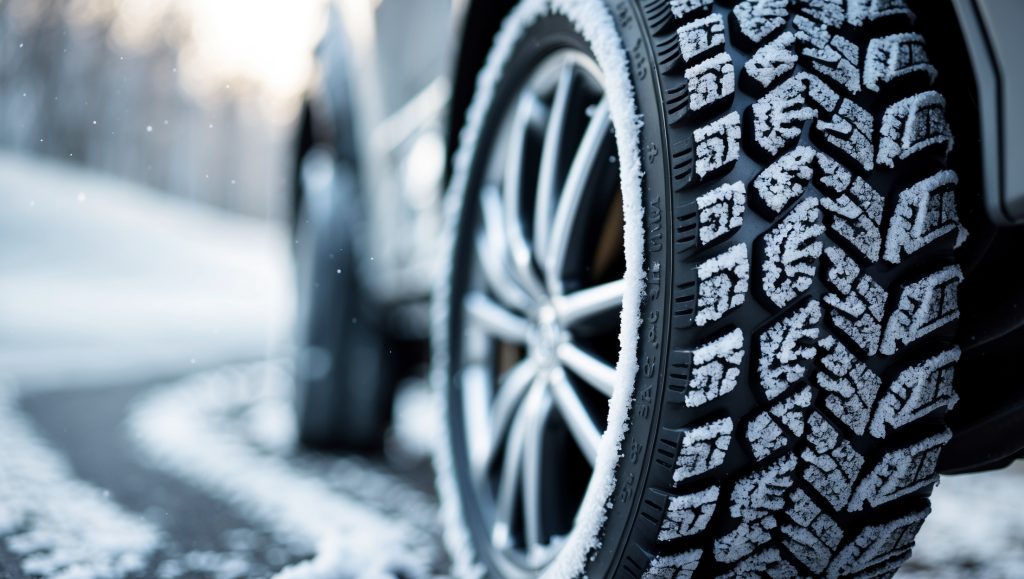
Look at a winter tyre and you’ll see a dense network of grooves and sipes (tiny slits). These features serve multiple purposes: evacuating slush, biting into snow, and providing extra edges to grip slick surfaces. More sipes typically mean better traction on packed snow and ice. Wide, deep grooves help prevent snow from clogging the tread, while directional patterns propel snow out from under the tyre.
The Role of Tyre Pressure
Tyre pressure drops as temperatures fall. Underinflated tyres can reduce grip and lead to unpredictable handling. Conversely, overinflated tyres decrease the contact patch, reducing traction. Maintaining manufacturer-recommended pressures is essential for optimal snow grip.
Types of Tyres for Snow: What Works Best?
Dedicated Winter Tyres
These tyres, often marked with the Three-Peak Mountain Snowflake (3PMSF) symbol, are engineered specifically for severe winter conditions. Their compounds and tread patterns provide maximum snow and ice grip, outperforming all-season and all-weather tyres when temperatures drop.
All-Weather Tyres
All-weather tyres bridge the gap between all-season and winter tyres. They carry the 3PMSF symbol and offer usable snow grip, but won’t match a dedicated winter tyre’s performance in deep snow or on ice. However, they’re a good choice for regions with milder, variable winters or for drivers who don’t want to swap tyres seasonally.
All-Season Tyres
Despite the name, most all-season tyres are not optimized for snow. Their compounds harden in cold weather, and their tread lacks the features necessary for effective snow traction. In mild, infrequent snow, they may suffice, but for consistent winter driving, dedicated options are safer.
Studded and Studless Tyres
Studded tyres insert metal pins into the tread for enhanced grip on ice. However, they are regulated or banned in some US states due to road wear. Modern studless winter tyres use advanced compounds and micro-textures to achieve similar performance on ice and snow without the need for studs.
How to Choose the Right Snow Tyres: Key Factors
Assessing Your Local Winter Conditions
Start by evaluating your typical winter: Do you see frequent heavy snow, or is it mostly cold rain and occasional light snow? Mountainous or rural areas with persistent snow demand dedicated winter tyres, while urban drivers in milder climates may find all-weather tyres sufficient.
Vehicle Type and Use
Trucks and SUVs benefit from dedicated winter tyres with reinforced sidewalls and deeper treads for added traction. Fleets should consider tyre options rated for heavier loads and longer wear. High-performance vehicles may require specialized winter tyres with speed ratings to match vehicle capability.
Size and Fitment
Always use tyre sizes recommended by your vehicle’s manufacturer. In some cases, narrower winter tyres can improve snow traction by increasing ground pressure and ‘cutting’ through snow. However, never deviate from OEM specifications without professional advice.
Labeling and Certification
Look for the Three-Peak Mountain Snowflake symbol. It’s the only standardized indication that a tyre meets US and Canadian requirements for severe snow service. M+S (Mud and Snow) labelling is less rigorous and does not guarantee reliable snow performance.
Maximizing Snow Grip: Usage and Maintenance Tips
Proper Tyre Installation
Install four matching winter tyres, not just two. Mixing tyres can cause unpredictable handling and reduce braking performance. For AWD and 4WD vehicles, matching sets are especially critical.
Rotating and Balancing
Rotate winter tyres every 5,000 to 8,000 miles to ensure even wear and consistent grip. Balanced tyres prevent vibrations that could affect traction and increase wear.
Storing Off-Season Tyres
When winter ends, clean and store tyres in a cool, dry place away from sunlight. Use tyre bags or covers to prevent rubber degradation. Proper storage extends tyre life and preserves snow grip for next season.
Monitoring Tread Depth
Winter tyres are most effective with at least 5/32” of tread. Worn tyres lose the ability to grip snow and channel slush. Replace tyres before they reach the minimum legal tread depth.
Common Mistakes
- Relying on all-season tyres for severe winter driving.
- Only installing winter tyres on the drive wheels.
- Ignoring tyre pressure changes in cold weather.
- Failing to check for the 3PMSF symbol when buying tyres for snow.
- Using mismatched tyre sizes or types on the same vehicle.
- Delaying winter tyre installation until after the first snowfall.
- Not rotating or balancing winter tyres regularly.
- Storing off-season tyres improperly, causing premature ageing.
Quick Checklist
- Check if your area regularly experiences heavy snow or ice.
- Look for the Three-Peak Mountain Snowflake (3PMSF) symbol when buying tyres.
- Install four matching winter or all-weather tyres.
- Monitor and maintain recommended tyre pressures throughout winter.
- Rotate and balance tyres every 5,000–8,000 miles.
- Replace tyres when tread depth is below 5/32″.
- Store off-season tyres clean, dry, and out of sunlight.
- Consult your vehicle’s manual for proper tyre size and load rating.
FAQ
- Q: Can I use all-season tyres in snow?
A: All-season tyres offer limited snow traction and are not recommended for regions with frequent or severe winter weather. For optimal safety, use tyres with the 3PMSF symbol. - Q: When should I install winter tyres?
A: Install winter tyres when daily temperatures consistently drop below 45°F (7°C) or before the first major snowfall. - Q: Do I need winter tyres if my car has AWD or 4WD?
A: Yes. AWD and 4WD improve acceleration, but only appropriate tyres provide safe braking and cornering on snow and ice. - Q: How do I identify a tyre suitable for snow?
A: Look for the Three-Peak Mountain Snowflake (3PMSF) symbol on the tyre sidewall. This certifies severe snow traction. - Q: Are studded tyres better for ice?
A: Studded tyres can offer superior grip on glare ice but are regulated or banned in several states. Modern studless winter tyres provide excellent snow and ice traction without studs. - Q: How often should I check tyre pressure in winter?
A: Check tyre pressure at least monthly, as cold temperatures can lower pressure and affect grip. - Q: What tread depth is safe for winter driving?
A: At least 5/32″ tread depth is recommended for effective snow and slush traction. - Q: Can I use winter tyres year-round?
A: Not recommended. Winter tyres wear quickly in warm temperatures and may compromise handling in non-winter conditions.
Conclusion
Snow grip is more than a comfort—it’s a necessity for safe winter driving in the US. Choosing the right tyre type, maintaining correct pressures, and ensuring adequate tread depth all contribute to safer, more controlled journeys in snow and ice. Individual drivers and fleet operators alike should prioritize tyres certified for severe snow conditions, and practice proactive maintenance. Before winter arrives, assess your vehicle’s needs, consult professional advice if unsure, and equip your car or fleet with tyres that keep you moving safely, no matter what the forecast brings.
How important is the Three-Peak Mountain Snowflake (3PMSF) symbol if I mostly drive in city conditions with occasional snow?
The Three-Peak Mountain Snowflake (3PMSF) symbol indicates that a tire is specifically tested for severe snow performance. If you mainly drive in the city with only occasional snow, all-season tires may be adequate, but having 3PMSF-rated tires can offer extra confidence and safety during unexpected snowfalls, even in urban environments.
If I mostly drive on plowed city streets with occasional icy patches, is it still worth investing in tyres with deep grooves and lots of sipes, or would a less aggressive tread suffice?
For mostly plowed city streets with only occasional icy spots, you don’t necessarily need the most aggressive tread pattern. Tyres with moderate tread depth and a good number of sipes should provide enough grip for your situation. Look for winter tyres designed for mixed city conditions—they balance traction and ride comfort well.
I run a small delivery fleet and was wondering if the Three-Peak Mountain Snowflake tyres are worth the extra investment compared to regular all-seasons when most of our routes see only occasional snow.
If your routes experience only occasional snow, Three-Peak Mountain Snowflake (3PMSF) tires will offer noticeably better traction and safety during those events compared to regular all-seasons. However, they may cost more and wear slightly faster in mild conditions. If snow is rare and plowing is reliable, high-quality all-seasons could suffice, but 3PMSF tires provide extra peace of mind when snow hits unexpectedly.
Do you have any maintenance tips to keep winter tyre tread patterns from getting clogged with slush over time?
To keep winter tyre treads clear of slush, regularly rinse your tyres with warm water to dislodge packed debris. Try to avoid driving through deep, wet slush when possible. After heavy trips, inspect the tread and remove any buildup with a soft brush or plastic tool. Keeping your tyres properly inflated also helps maintain tread shape and effectiveness.
Could you clarify how often tyre pressure should be checked during winter months to maintain optimal snow grip, especially given the daily temperature swings?
During winter months, it’s best to check your tyre pressure at least once a week, or even more often if you notice significant daily temperature swings. Cold weather can cause tyre pressure to drop quickly, so regular checks help maintain optimal grip and safety on snowy roads. Always check pressure when the tyres are cold for the most accurate reading.
If I have all-season tyres that are still fairly new, is it really worth the extra cost to switch to dedicated winter tyres just for a few snowy months?
If you drive regularly in areas with frequent snow or ice, switching to dedicated winter tyres can make a big difference in safety and control, even if your all-season tyres are new. Winter tyres use special rubber and tread patterns that perform much better in cold, slippery conditions. However, if you only face occasional light snow or stick to well-plowed roads, good-condition all-season tyres might suffice.