
Overview
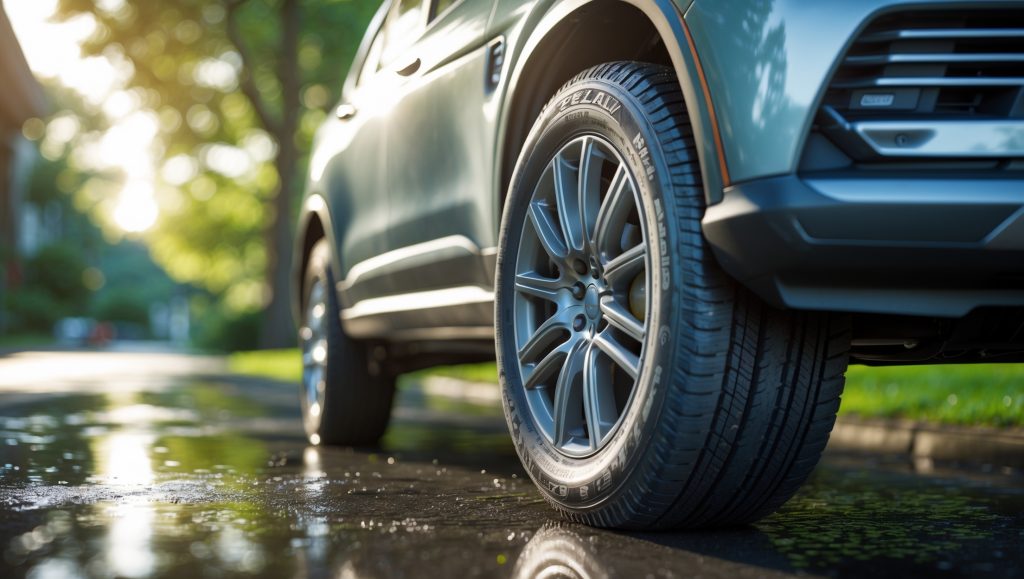
The Bridgestone Dueler H/L Alenza Plus is designed for drivers who expect comfort, quietness, and year-round reliability from their SUV or crossover. Positioned in the premium all-season segment, this tyre is a go-to choice for those prioritizing a refined ride and long tread life over off-road capability or pure sportiness. It suits a wide variety of vehicles, from family-friendly midsize SUVs like the Toyota Highlander and Honda Pilot to luxury crossovers from Lexus and BMW. If you’re looking for a tyre that delivers composed handling, dependable wet grip, and a plush, quiet ride through changing US seasons (excluding severe winter), the Alenza Plus is built for you.
Key Specs
| Type | All-Season Touring |
| Available sizes range | 15″ to 22″ rim diameters |
| Popular sizes | 265/60R18, 235/55R20 |
| Speed rating examples | H (130 mph), V (149 mph) |
| Load index examples | 104, 107, 114 |
| Tread pattern | Symmetric, multi-sipe design |
| Technology highlights | EverBlack sidewall, NanoPro-Tech compound, optimized contact patch |
Performance: Dry
On dry pavement, the Dueler H/L Alenza Plus delivers what you’d expect from a premium all-season touring tyre: reassuring grip, progressive and predictable steering, and an even ride. During daily commuting and highway cruising, the tyre maintains composure even in quick lane changes or emergency maneuvers. Its symmetric tread design and optimized contact patch distribute forces evenly, enhancing stability in corners and under hard braking. It’s not a performance tyre, so don’t expect razor-sharp feedback or aggressive cornering prowess, but for most SUV drivers, its blend of safety and comfort is spot on.
Performance: Wet
Wet weather confidence is a hallmark of the Alenza Plus. The tread’s full-depth grooves and multiple sipes channel water away efficiently, reducing the risk of hydroplaning. In real-world rain, braking distances remain short and steering feel stays precise, with the tyre rarely feeling unsettled. Compared to some lower-priced competitors, the Alenza Plus maintains its grip as speeds rise, making it a smart choice for drivers in regions prone to frequent showers. The advanced silica compound helps retain pliability in cooler conditions, further boosting wet surface traction.
Performance: Snow & Ice
While the Dueler H/L Alenza Plus is not a dedicated winter tyre, it does offer competent light snow performance for an all-season. The high-density sipes provide extra biting edges, allowing the tyre to maintain traction on slushy roads or during unexpected flurries. Acceleration and braking in light snow are secure, and lateral grip is predictable for stop-and-go urban driving. However, for icy roads or deeper snow, a true winter tyre is still strongly recommended. The Alenza Plus will get you through a sudden dusting but shouldn’t be your only line of defense in regions with harsh winters.
Comfort & Noise
This is where the Dueler H/L Alenza Plus truly excels. Bridgestone engineered this tyre for a quiet, smooth ride, and it delivers. Road noise is well suppressed, even on coarse asphalt or concrete highways, making long trips noticeably less fatiguing. The sidewall and tread compound absorb minor bumps and expansion joints, keeping vibrations to a minimum. Multiple independent reviews and user feedback consistently praise its refinement, putting it among the quietest options in the segment. If you value serenity inside the cabin, this tyre stands out.
Durability & Economy
Bridgestone’s reputation for longevity is on full display with the Alenza Plus. The tyre features a robust tread compound and reinforced construction, contributing to an impressive treadwear warranty (up to 80,000 miles in many sizes). The UTQG rating typically sits at 800 A A, signaling strong projected longevity and solid traction/temperature resistance. Rolling resistance is competitive for the segment, aiding fuel efficiency—drivers report no noticeable drop in mpg when switching to the Alenza Plus from OE tyres. As with any all-season, maintaining correct pressures and rotation will maximize lifespan. For fleet managers and high-mileage drivers, the long wear rating is a serious value proposition.
Sizes & Alternatives
The Dueler H/L Alenza Plus is available in a wide range of SUV and crossover fitments, including popular US sizes such as:
- 265/60R18 (Toyota Highlander, Ford Explorer)
- 235/55R20 (Chevrolet Traverse, Honda Pilot)
- 255/55R20 (BMW X5, Lexus RX)
- 245/60R18 (Mazda CX-9, Nissan Pathfinder)
Key competitors in the premium all-season SUV segment include:
- Michelin Defender LTX M/S
- Continental CrossContact LX25
- Pirelli Scorpion Verde All Season Plus II
- Goodyear Assurance WeatherReady
- Cooper Endeavor Plus
Pros & Cons
Pros
- Outstanding comfort and low road noise
- Long treadwear warranty and proven durability
- Confident wet weather performance
- Reliable dry grip for daily driving
- Wide range of SUV sizes
Cons
- Limited capability in deep snow or severe winter conditions
- Not the sportiest option—steering feel is safe but not sharp
- Premium price compared to mid-tier alternatives
- Not suitable for off-road use
Verdict
The Bridgestone Dueler H/L Alenza Plus is a benchmark for premium all-season SUV tyres in the US. Its impressive blend of comfort, quietness, and tread life make it ideal for families, commuters, and anyone seeking a stress-free driving experience through all but the harshest winters. While it’s not built for spirited off-road adventures or true winter extremes, it excels at what most SUV owners need: safe, reliable, and comfortable performance year-round. If you’re willing to invest for longevity and refinement, and your winters are moderate, the Alenza Plus is a top-tier choice. Those in snowbelt states or seeking sharper handling may want to consider an alternative, but for most drivers, it’s an easy recommendation.
Does the EverBlack sidewall technology actually make a noticeable difference in how the tires look after a couple of years of use, especially with winter road salts?
EverBlack sidewall technology is designed to help the tires maintain their deep black color and resist fading, even after exposure to sunlight and harsh conditions like winter road salts. Many users report that their Dueler H/L Alenza Plus tires still look darker and cleaner compared to standard tires after a couple of years, although regular washing helps maintain the best appearance.
Are there any noticeable performance differences in daily driving between the 18-inch and 20-inch sizes of the Alenza Plus for a family SUV?
Yes, there can be some noticeable differences. The 18-inch size generally offers a softer ride and better comfort, since it has more sidewall to absorb bumps. The 20-inch option usually gives you slightly sharper handling and a sportier look, but you might feel more road imperfections. For most family SUVs focused on comfort, the 18-inch size can be the better choice.
If my crossover currently runs on a performance-focused tire, what kind of changes in ride comfort or handling should I expect if I switch to the Dueler H/L Alenza Plus?
Switching from a performance-focused tire to the Dueler H/L Alenza Plus, you’ll likely notice a smoother, quieter ride and better comfort, especially on rough roads. However, handling and cornering grip may feel less sharp, as the Alenza Plus prioritizes comfort and longevity over sporty responsiveness.
The article highlights wet weather performance, but how does the tire cope with really heavy summer downpours—any issues with hydroplaning in your experience?
The Bridgestone Dueler H/L Alenza Plus performs confidently during heavy summer downpours. Its tread design channels water effectively, reducing the risk of hydroplaning. While no tire is immune in extreme conditions, users generally report stable control and traction, provided you maintain safe speeds and proper tire pressure.
Can the EverBlack sidewall technology actually keep the tires looking new through several winters and salty roads, or does it fade like regular tires?
EverBlack sidewall technology is designed to help the tires maintain a deep, black appearance longer than standard tires, even after exposure to sun and weather. However, over several winters and with frequent exposure to road salt, some fading is still possible. While EverBlack resists fading better than regular tires, occasional cleaning is recommended to keep them looking their best.
How does the Dueler H/L Alenza Plus perform on rougher roads or potholes compared to other premium all-season tires for midsize SUVs?
The Dueler H/L Alenza Plus stands out for its comfort on rough roads and over potholes, thanks to its advanced tread design and softer compound. Compared to other premium all-season tires, it absorbs bumps well and keeps cabin noise low, making it a strong choice if you often drive on imperfect pavement with a midsize SUV.
Does the Alenza Plus handle light snow or only rain and dry pavement? I live in a state with occasional winter weather and am curious how it manages colder conditions even though it says severe winter is excluded.
The Dueler H/L Alenza Plus is designed for good performance on dry and wet roads, but it can also handle light snow thanks to its all-season tread. However, it is not rated for severe winter conditions, so in areas with frequent heavy snow or ice, a dedicated winter tire would still be best.
How does the tread life of the Dueler H/L Alenza Plus compare to other premium all-season tires in the same category?
The Dueler H/L Alenza Plus is known for its impressive tread life, often outlasting other premium all-season tires in its category. Many users report getting 70,000 miles or more, which is at the higher end for this class. It also comes with a competitive treadwear warranty, making it a strong choice for durability.
For drivers in regions with occasional light snow but not severe winters, would these be sufficient or would you still recommend a dedicated winter tire?
The Dueler H/L Alenza Plus performs well in light snow thanks to its all-season tread design, so it should be sufficient for regions with only occasional and mild winter conditions. However, if you expect frequent or heavier snow and ice, a dedicated winter tire would offer better traction and safety.
How does the Dueler H/L Alenza Plus hold up in mild winter conditions like light snow or slush, given that it’s not rated for severe winter?
The Dueler H/L Alenza Plus can handle mild winter conditions reasonably well, such as light snow or slush, thanks to its all-season tread design. However, it’s not intended for severe winter weather. For frequent or heavier snow, dedicated winter tires are strongly recommended for optimal safety and traction.
If I get the Alenza Plus now, roughly how many miles could I expect before needing a replacement with regular US suburban driving?
With regular suburban driving in the US, you can typically expect the Bridgestone Dueler H/L Alenza Plus to last around 70,000 miles before needing replacement, assuming proper maintenance like regular rotations and correct tire pressure.
Is this tire a good fit if our winters usually have occasional ice but aren’t considered severe? Or should I look for something with more winter capability?
The Dueler H/L Alenza Plus handles light winter conditions and occasional ice reasonably well for an all-season tire, but it isn’t designed for harsh winter weather. If ice is a recurring concern, you might want to consider all-weather or dedicated winter tires for better traction and safety.
I see the Alenza Plus excludes severe winter use—would you recommend swapping them out entirely in places that just get occasional light snow, or are they safe with cautious driving?
The Alenza Plus can handle occasional light snow if you drive cautiously and avoid icy conditions, as they’re rated for all-season use but not for harsh winter weather. If your area only gets light, infrequent snow and you adjust your driving, you likely don’t need to swap them out. For frequent or heavy snow, dedicated winter tires are safer.
I’m mostly driving my SUV in mild winters, but occasionally we get a snow day or two. Would these tires be safe for short drives during light snow, or should I look at something with more winter focus?
The Dueler H/L Alenza Plus performs well in mild winter conditions and can handle occasional light snow for short drives. However, if you expect frequent snow or icy roads, a dedicated winter tire would offer better traction and safety. For your situation, these should work as long as the snow is light and infrequent.
Are there noticeable differences in wet braking between the H and V speed rated versions of this tire?
There can be slight differences in wet braking between H and V speed rated versions, but they are usually minor. The V-rated version may provide a bit more grip at higher speeds, but both are engineered for reliable wet traction. Most everyday drivers likely won’t notice a significant difference in wet braking performance between the two ratings.
With the different speed ratings mentioned, is there a noticeable difference in handling between the H and V rated versions on highways?
Yes, there can be a slight difference in handling between the H and V rated versions. The V-rated Dueler H/L Alenza Plus generally offers better high-speed stability and more responsive handling compared to the H-rated version. However, for typical highway driving, most drivers may not notice a significant difference unless they’re frequently driving at higher speeds or prefer a sportier feel.
Can you explain more about the NanoPro-Tech compound mentioned? I’m curious if it really makes a noticeable difference in tread life or comfort compared to standard all-season tires.
The NanoPro-Tech compound in the Dueler H/L Alenza Plus is designed to enhance tread flexibility and reduce heat build-up, which helps extend tread life. Many users report that it leads to a smoother, quieter ride compared to standard all-season tires, along with noticeably better durability over time.
If I live in an area with occasional light snow but not severe winters, would the Alenza Plus still perform well enough, or should I look at a different tire?
The Alenza Plus is designed for all-season use and handles occasional light snow fairly well, thanks to its tread design and compound. If your winters are mild and snow is infrequent, it should be sufficient. However, if you expect regular or heavier snow, a dedicated winter tire would be safer.
I see the tread is described as symmetric with multi-sipe design. Is it okay to rotate these tyres in any pattern or is there a specific way it should be done?
Since the Bridgestone Dueler H/L Alenza Plus has a symmetric tread pattern, you can rotate the tires in multiple patterns, including front-to-back, rearward cross, or even the X-pattern. Just make sure to follow your vehicle manufacturer’s recommended rotation schedule and pattern if specified.
How does the Dueler H/L Alenza Plus handle light snow or icy conditions if it’s not meant for severe winter? Would I need to swap these out for something else in colder months in the northern US?
The Dueler H/L Alenza Plus can handle light snow with decent traction, but it’s not designed for icy conditions or harsher winter weather. If you live in the northern US and regularly encounter heavy snow or ice, it’s safer to switch to dedicated winter tires during colder months for better grip and control.
Does the Dueler H/L Alenza Plus hold up well in hot southern climates where pavement gets extremely hot in summer?
Yes, the Dueler H/L Alenza Plus is designed to perform well in hot southern climates. Its all-season tread compound resists heat and maintains grip even on scorching pavement, so you can expect good durability and comfort during high summer temperatures.
I noticed the article mentions popular sizes like 265/60R18. Are there any significant performance differences between the available size options?
Yes, the performance of the Bridgestone Dueler H/L Alenza Plus can vary slightly depending on the tire size. Larger sizes may offer a bit more stability and grip, while smaller sizes might provide a more comfortable ride and improved fuel efficiency. However, the core features—quietness, comfort, and all-season capability—are consistent across all sizes.
Can you clarify if the EverBlack sidewall technology really helps keep tyres looking new after several years? My customers notice the appearance of our company vehicles.
EverBlack sidewall technology is designed to help tires retain their deep black color and resist fading from UV rays and weather, so the Dueler H/L Alenza Plus should look newer for longer compared to standard tires. This can be beneficial for maintaining a polished appearance on company vehicles over several years.
Does the Alenza Plus handle well in the heavy rainfall we get on the East Coast, especially for school drop-offs in the mornings when the roads are slick?
The Alenza Plus performs well in wet conditions, thanks to its tread design that resists hydroplaning and maintains grip on slick roads. For morning school drop-offs during heavy rain, you can expect stable handling and confident braking, which adds peace of mind during those busy hours.
If I got these for a 2020 Toyota Highlander, are there any installation or compatibility issues to look out for? Just want to avoid any surprises at the tire shop.
The Bridgestone Dueler H/L Alenza Plus is available in sizes that fit the 2020 Toyota Highlander, so compatibility is unlikely to be an issue if you select the correct size for your vehicle. Double-check your owner’s manual for the recommended tire size and load rating. Inform the tire shop of your model and trim to ensure a smooth installation process.
I notice you mentioned the Dueler H/L Alenza Plus isn’t meant for severe winter. Is it still reliable for occasional light snow, or should I get a dedicated winter tire?
The Dueler H/L Alenza Plus can handle occasional light snow and should be reliable for short trips in mild winter conditions. However, if you regularly encounter icy roads or heavier snowfall, a dedicated winter tire is a safer choice for optimal traction and braking.
Is installation straightforward for a first-time DIYer, or should the Dueler H/L Alenza Plus be professionally mounted and balanced due to its specific technology or materials?
Mounting and balancing tires like the Dueler H/L Alenza Plus typically requires specialized equipment to avoid damaging the tire or rim and to ensure proper safety and performance. It’s best to have them professionally installed, especially if you haven’t done tire work before.
Do you think the EverBlack sidewall technology actually makes a visible difference in appearance over time, especially in areas with a lot of sun exposure?
EverBlack sidewall technology is designed to help the tires retain their deep black appearance, even after extended exposure to sunlight and the elements. In areas with high sun exposure, you should notice less fading or browning compared to standard sidewalls, keeping the tires looking newer for longer.
Does the Dueler H/L Alenza Plus work well for SUVs frequently driven in heavy rain, or would you recommend something with even more hydroplaning resistance?
The Dueler H/L Alenza Plus performs reliably in heavy rain, offering solid hydroplaning resistance for most SUV drivers. However, if you often face severe rain or deep standing water, you might consider a tire specifically designed for wet conditions, as those can provide an extra margin of safety.
I see the article mentions the Alenza Plus isn’t intended for severe winter—how bad does traction get if you hit a surprise snowstorm in a city like Chicago?
If you encounter a surprise snowstorm in Chicago with the Alenza Plus tires, traction will noticeably decrease, especially on packed snow and ice. While they can handle light flurries or slush with caution, braking distances and handling are not ideal for severe winter conditions. It’s best to drive slowly and consider switching to dedicated winter tires if you regularly face harsh winters.
Can you share more about the EverBlack sidewall technology? Is it mostly cosmetic, or does it help with durability in harsh sun exposure?
EverBlack sidewall technology is designed to keep the tire’s sidewalls looking deep black for longer, which is a cosmetic benefit. However, it also adds a protective layer that helps maintain appearance even after exposure to harsh sunlight and ozone, so it does offer some improvement in durability against fading and cracking.
How does the tread life of the Alenza Plus compare to other premium all-season options? I’m trying to figure out if it’s really worth the extra cost for my daily driving needs.
The Alenza Plus is known for its impressive tread life, often lasting up to 80,000 miles, which is at the higher end for premium all-season tires. Many competing brands offer warranties in the 60,000 to 70,000 mile range. If you’re looking for long-term value and lower replacement frequency, the Alenza Plus justifies its higher upfront cost, especially for daily driving.
How does the tread life of the Alenza Plus compare to other premium all-season tires? I drive a lot of highway miles and want something that lasts.
The Bridgestone Dueler H/L Alenza Plus is known for its impressive tread life, often outlasting many other premium all-season tires. It typically comes with an 80,000-mile treadwear warranty, which is at the higher end for this category. For frequent highway drivers, this tire is a solid choice if long-lasting performance is your main priority.
I noticed the article mentions the Dueler H/L Alenza Plus isn’t rated for severe winter. Would using these tires with chains be enough for occasional trips through snow, or should I switch to a dedicated winter tire?
While chains can help with traction in light snow, the Dueler H/L Alenza Plus isn’t designed for severe winter conditions. For occasional, mild snow trips, chains might be sufficient if local laws allow. However, for regular or harsh winter driving, a dedicated winter tire is much safer and strongly recommended.
Can you comment on how well these tires hold up in heavy rain compared to rivals like Michelin or Continental? Wet safety is a big priority for me.
The Dueler H/L Alenza Plus performs solidly in heavy rain, offering reliable grip and short braking distances. While Michelin and Continental often edge ahead with slightly better wet traction, the Alenza Plus still provides confident handling and resists hydroplaning well for most SUV drivers. If wet safety is your top concern, Michelin might be a touch superior, but Bridgestone remains a strong, dependable choice.
Does the Alenza Plus handle winter driving in places that get occasional snow, or would I need to swap to true winter tires for a couple of months each year?
The Alenza Plus offers decent traction in light snow and can handle occasional winter conditions reasonably well. However, if you often encounter heavy snow or icy roads, dedicated winter tires are strongly recommended for optimal safety and performance during those months.
The article mentions the EverBlack sidewall and NanoPro-Tech compound. Are these features mainly about looks and tread life, or do you notice a real difference in performance compared to standard compounds?
The EverBlack sidewall helps the tire look newer for longer, but the NanoPro-Tech compound does more than just extend tread life. It enhances grip, wet traction, and ride comfort compared to standard compounds. So, you should notice real-world improvements in performance, especially in longevity and all-season handling.
Do these tires require any special maintenance because of the NanoPro-Tech compound or EverBlack sidewall features?
These tires don’t need any special maintenance due to the NanoPro-Tech compound or EverBlack sidewalls. Just follow standard tire care: keep them properly inflated, rotate them regularly, check for damage, and maintain wheel alignment. The EverBlack sidewalls are designed to resist fading, so they should stay looking good with basic cleaning.
Would these have a noticeable impact on fuel economy for a heavier luxury crossover, given their focus on comfort?
The Bridgestone Dueler H/L Alenza Plus is designed to offer a balance of comfort and performance, with low rolling resistance being one of its features. On a heavier luxury crossover, you may notice a slight improvement in fuel economy compared to more aggressive or off-road tires, but the main benefits are comfort and tread life rather than significant fuel savings.
I run a small fleet of midsize SUVs for local deliveries, mostly in the Midwest. How would the Dueler H/L Alenza Plus hold up in heavy rain and occasional light snow, since we often deal with unpredictable weather?
The Dueler H/L Alenza Plus performs well in heavy rain thanks to its tread design, offering reliable grip and resistance to hydroplaning. For occasional light snow, it provides adequate traction for typical Midwest conditions, though it’s not a substitute for true winter tires in severe snow or ice. For your fleet’s varied weather, it should be a dependable all-season choice.
For someone on a tighter budget, are there less expensive all-season options that still provide decent wet traction and ride comfort for midsize SUVs?
If you’re looking for more budget-friendly all-season tires with good wet traction and ride comfort, consider options like the General Grabber HTS60, Cooper Endeavor Plus, or Kumho Crugen HT51. These tires generally offer reliable performance for midsize SUVs at a lower price point than the Alenza Plus.
Do these tires typically require any special maintenance due to their advanced tread design or technology compared to standard all-season models?
You won’t need any special maintenance for the Bridgestone Dueler H/L Alenza Plus beyond what you’d do for regular all-season tires. Just stick to standard care like proper inflation, regular rotations, and alignment checks to get the best performance and lifespan from their advanced tread design.
For a midsize SUV mainly used for daily commuting with occasional long road trips, do you think the Alenza Plus is worth the premium over mid-tier all-season options?
If you value a quiet, comfortable ride, long tread life, and strong all-weather reliability, the Alenza Plus could justify the extra cost, especially for frequent commuting and road trips. However, if your driving is mostly city and you’re budget-conscious, a mid-tier all-season tire might still meet your needs quite well.
You mention the Alenza Plus is better for comfort over sportiness—how does its ride compare to something like the Michelin Defender LTX M/S on a midsize SUV?
The Alenza Plus generally provides a softer, quieter ride than the Michelin Defender LTX M/S, focusing more on comfort and reduced road noise. The Defender LTX M/S tends to feel a bit firmer and more responsive when cornering, which some drivers prefer for a sportier feel. For most midsize SUVs, the Alenza Plus stands out if a smooth, cushioned ride is your top priority.
With the H and V speed ratings, is there any noticeable ride difference at highway speeds between those two, or is it mainly a paperwork distinction for most drivers?
For most drivers, the difference between H and V speed ratings on the Dueler H/L Alenza Plus is mainly on paper. Both offer similar ride comfort and performance at typical US highway speeds. Unless you frequently drive at very high speeds, you likely won’t notice a real-world difference in ride quality or feel.
Does the EverBlack sidewall actually help the tire maintain its appearance in areas where road salt is used heavily in winter?
The EverBlack sidewall technology is designed to resist fading and maintain a deep black appearance over time, even with exposure to sun and typical road grime. While it can help the tire look better for longer, heavy road salt might still cause some staining or buildup, so occasional cleaning is recommended for the best appearance in winter conditions.
The article mentions the EverBlack sidewall technology—does that actually prevent fading over years, or is it mostly just a marketing feature?
EverBlack sidewall technology does help resist fading better than standard tires. It incorporates a special compound that maintains the sidewall’s deep black appearance for a longer time, even after years of use. While no tire is completely immune to fading, this feature does provide tangible benefits beyond marketing.
Does the Dueler H/L Alenza Plus perform well during light snow or icy conditions, or would you recommend switching to a dedicated winter tire even for occasional cold snaps in the US?
The Dueler H/L Alenza Plus handles light snow better than most all-season tires, offering decent traction for occasional wintry weather. However, it’s not designed for icy conditions or regular snow. If you expect more frequent snow or ice, dedicated winter tires are much safer and provide noticeably better grip and control.
For someone driving mostly on highways but occasionally taking gravel roads, would the Alenza Plus hold up, or should I look at a tire with more off-road capability?
The Alenza Plus is designed mainly for highway and paved road comfort, so it will handle occasional gravel roads without issue. However, if you expect to drive frequently on rougher or more challenging off-road surfaces, you might want a tire made specifically for light off-road use to get better durability and traction.
The article mentions the Alenza Plus isn’t great for severe winter—would it still be okay for occasional light snow, or should I consider something more winter-focused?
The Alenza Plus can handle occasional light snow, especially if your SUV has all-wheel drive and you drive cautiously. However, if you regularly encounter icy or snowy roads in winter, a set of winter tires would provide much better traction and safety during those conditions.
Can these tires handle occasional gravel or dirt roads, or is the focus strictly on paved surfaces with the optimized contact patch design?
The Dueler H/L Alenza Plus is primarily designed for paved roads, offering great comfort and all-season traction on highways and city streets. However, they can handle occasional drives on gravel or dirt roads thanks to their robust construction. Just keep in mind they’re not built for frequent off-road use, so avoid rougher trails or deep mud.
Given the wide range of available sizes, is there any noticeable difference in ride comfort between the popular 18-inch and 20-inch options?
Yes, there can be a noticeable difference in ride comfort between 18-inch and 20-inch sizes. Generally, the 18-inch tires have a taller sidewall, which helps absorb bumps and provides a softer ride. The 20-inch versions tend to have a firmer feel since their sidewalls are shorter, making them slightly less cushioned over rough roads.
Can these tyres handle a surprise snow day, or will I need to buy dedicated winter tyres for Massachusetts winters?
The Bridgestone Dueler H/L Alenza Plus performs well in light snow, but for Massachusetts winters with heavier and frequent snowfall, dedicated winter tyres are much safer and provide significantly better grip and control. If you regularly face icy or deep snow conditions, winter tyres are highly recommended.
Does the Alenza Plus require any special maintenance to maximize its longevity, or is routine rotation and alignment enough?
Routine rotation and alignment are typically all that’s needed to maximize the longevity of the Alenza Plus tires. Regularly checking your tire pressure and inspecting for uneven wear will also help. No special maintenance is required beyond standard care recommended for most all-season tires.
With so many available sizes, is there a way to tell which specific size or speed rating is best for a Honda Pilot that’s used for daily school runs and occasional road trips?
To find the best Dueler H/L Alenza Plus size and speed rating for your Honda Pilot, check your owner’s manual or the sticker inside the driver’s door jamb for the recommended tire size and speed rating. For daily driving and road trips, the OEM (original equipment manufacturer) recommendations are usually the safest and most comfortable choice.
Does the Alenza Plus perform well during mild winter conditions, or would I need to switch to dedicated winter tires if I drive in places that get occasional light snow?
The Alenza Plus handles mild winter conditions and occasional light snow reasonably well, thanks to its all-season design. However, if you often drive on icy roads or face heavier snowfall, dedicated winter tires would offer better grip and safety. For mostly light snow and moderate temperatures, the Alenza Plus should be sufficient for most drivers.
I noticed the article mentions the Alenza Plus isn’t meant for severe winter conditions. Would you say this tire is still safe for occasional light snow, or should I definitely consider a dedicated winter tire?
The Alenza Plus can handle occasional light snow thanks to its all-season tread, but it’s not designed for harsh winter weather or deep snow. If you only experience mild, brief wintry conditions, it should suffice. For frequent or severe winter driving, a dedicated winter tire is much safer.
Does the EverBlack sidewall compound actually keep the tires looking darker over time, or do they still fade after a couple years in sunny climates?
The EverBlack sidewall compound is designed to resist fading and help the tires retain a darker appearance longer than standard compounds, even in sunny climates. However, over several years, some fading is still possible due to UV exposure, though it should be less noticeable compared to regular sidewalls.
Does the Dueler H/L Alenza Plus come with a treadwear warranty, and if so, how many miles is it covered for? I want to make sure I get the most life out of my next set of tires.
Yes, the Bridgestone Dueler H/L Alenza Plus does come with a treadwear warranty. It is covered for up to 80,000 miles, which is one of the longest warranties available for all-season SUV tires. This should help you get plenty of use and value from your next set.
I noticed the Alenza Plus uses Bridgestone’s NanoPro-Tech compound and an optimized contact patch. How does this compare to other all-season tires like the Michelin Defender or Continental CrossContact in terms of tread life?
The NanoPro-Tech compound and optimized contact patch in the Alenza Plus are designed to reduce wear and improve tread life. Compared to the Michelin Defender and Continental CrossContact, the Alenza Plus generally offers similar or even longer tread life, with many users reporting up to 80,000 miles. All three are strong contenders, but the Alenza Plus is especially recognized for durability in its class.
You mention long tread life, but can you give a ballpark on how many miles I could expect for typical city and highway use?
You can typically expect the Bridgestone Dueler H/L Alenza Plus to last around 70,000 to 80,000 miles under normal city and highway driving conditions. Actual mileage may vary depending on factors like driving habits, maintenance, and road conditions.
Could you clarify whether the EverBlack sidewall technology actually keeps the tires looking newer for longer? As a business owner, appearance matters for my customer vehicles.
The EverBlack sidewall technology is designed to resist fading and keep the sidewalls looking darker for a longer period, even after exposure to sunlight and routine cleaning. This helps maintain a newer appearance on customer vehicles, which can be especially important for businesses that value vehicle presentation.
What is the typical tread life in miles for these tires when used on a midsize SUV, and is there any kind of mileage warranty from Bridgestone?
The Bridgestone Dueler H/L Alenza Plus typically offers a tread life of around 70,000 to 80,000 miles when used on a midsize SUV. Bridgestone provides an 80,000-mile limited treadwear warranty for these tires, which helps give extra peace of mind regarding their longevity.
My budget is a bit tight—are there any mid-range alternatives that come close to the ride comfort and quietness of the Dueler H/L Alenza Plus?
If you’re looking for more affordable options with similar comfort and quietness, consider the General Grabber HTS60 or the Cooper Endeavor Plus. Both offer a smooth, quiet ride and good all-season performance at a lower price point than the Dueler H/L Alenza Plus.
Does the Dueler H/L Alenza Plus work well for Midwest families who deal with moderate winter but not a lot of snow? Or would you recommend something more winter-focused for occasional icy conditions?
The Dueler H/L Alenza Plus performs well in moderate winter conditions typical of the Midwest, especially when heavy snow is rare. It offers good traction on cold, dry, and lightly snowy roads. However, for families facing occasional ice, a dedicated winter tire would provide better grip and safety. If icy mornings are infrequent, the Dueler should be sufficient with cautious driving.
Does the EverBlack sidewall technology really make a noticeable difference in the appearance of the tire after a year or two of use?
EverBlack sidewall technology is designed to help the tire sidewalls retain their dark, rich color over time, resisting fading caused by sunlight and weather. Many users report that after a year or two, the tires still look deep black and newer compared to standard tires, making the difference noticeable, especially if appearance matters to you.
How does the Dueler H/L Alenza Plus handle in mild snow or icy conditions, since you mention it’s not meant for severe winter? Would I need a separate winter tire for occasional snow in the Midwest?
The Dueler H/L Alenza Plus offers decent traction in mild snow, but its performance drops on ice or in heavier winter conditions. For occasional light Midwest snow, it can manage, but for better safety and grip during icy spells or frequent snow, a dedicated winter tire is recommended.
If I’m mostly driving in the city and don’t do much highway or off-road, does the optimized contact patch still make a big difference in tire lifespan, or would a more budget-friendly option be just as good?
For mostly city driving, the optimized contact patch of the Dueler H/L Alenza Plus can help with even wear and potentially longer lifespan, but the benefits are less dramatic than for highway use. A more budget-friendly tire could perform similarly for your needs if smoothness and quietness are the main priorities.