
Introduction
All-terrain (AT) tyres are a popular choice for US drivers who want versatility—whether you’re navigating a muddy backroad, tackling a gravel job site, or cruising the interstate. The defining feature of any AT tyre is its tread pattern. Tread design directly influences traction, self-cleaning, comfort, noise, and even longevity. Understanding how tread pattern shapes performance empowers drivers and fleet owners to make informed decisions that match their driving environments and needs.
Understanding All-Terrain Tread Patterns
What Makes a Tyre ‘All-Terrain’?
AT tyres bridge the gap between highway and off-road tyres. Their tread patterns are engineered to provide reliable traction on loose or uneven surfaces—dirt, gravel, mud—while maintaining acceptable road manners on pavement. The right pattern balances off-road grip with on-road comfort, a unique challenge requiring careful design.
Key Tread Pattern Elements
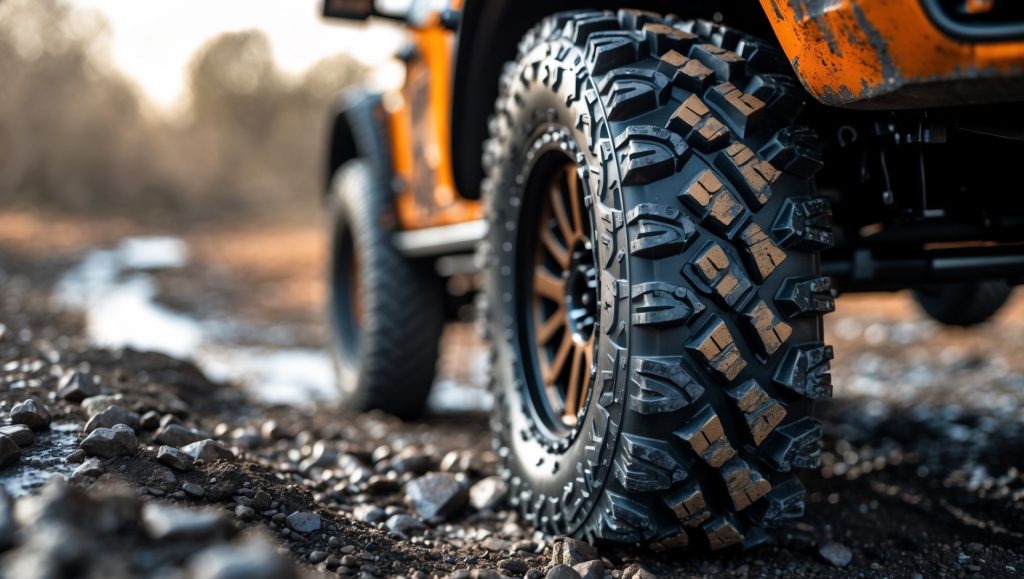
- Tread Blocks: The raised segments that contact the ground. Larger, more aggressive blocks improve bite in loose surfaces but may increase road noise.
- Voids and Grooves: The channels between blocks. Wide, deep voids help eject mud and stones but can reduce contact area on pavement.
- Sipes: Thin slits in tread blocks. These increase grip on wet or icy surfaces and help with heat dissipation.
- Shoulder Lugs: Large blocks on the outer edge of the tread. They enhance side-bite in ruts and support stability during cornering.
How Tread Patterns Affect Off-Road Performance
Traction on Different Surfaces
Different off-road terrains require different tread characteristics:
- Mud: Large, widely spaced blocks with deep voids allow mud to clear from the tread, maintaining grip.
- Gravel and Rocks: Smaller blocks and more sipes provide flexibility and help the tyre conform to uneven surfaces, while stone ejectors prevent punctures.
- Sand: Flatter, less aggressive tread helps prevent digging in. Too much void can cause loss of flotation.
- Snow: Numerous sipes and zigzag patterns increase biting edges for traction, with soft compounds aiding grip in cold.
Self-Cleaning and Stone Ejection
One of the biggest advantages of AT tread patterns is their self-cleaning ability. Deep, angled grooves and stone ejectors help fling mud, sand, and rocks from the tyre as it rotates. This prevents loss of traction and reduces puncture risk, critical for work trucks and recreational vehicles alike.
On-Road Considerations for All-Terrain Treads
Noise and Comfort
Aggressive tread blocks and wide voids that excel off-road can create more noise and vibration on pavement. Modern AT tyres use computer-optimized tread patterns and variable pitch sequencing to reduce these effects, but there is always a trade-off compared to highway tyres.
Wet and Dry Handling
On wet roads, open shoulder grooves and sipes help evacuate water and resist hydroplaning. However, excessive voids can reduce contact area and braking performance on dry pavement. AT tyres with continuous center ribs or interlocking blocks improve straight-line stability and offer a better compromise for daily driving.
Treadwear and Longevity
Chunky, open tread designs are prone to uneven wear if not rotated regularly. The rubber compound and the shape of the tread blocks affect how long the tyre lasts, especially when used mostly on-road. Some AT tyres are optimized for longer tread life on highways, while others sacrifice some mileage for off-road grip.
Choosing the Right AT Tread for Your Needs
Assessing Your Terrain Split
Consider how much of your driving is off-road versus on-road:
- Mostly On-Road (70%+): Look for AT tyres with less aggressive tread, more continuous ribs, and smaller voids for quieter, smoother rides.
- Balanced Use (50/50): Choose tyres with a mix of blocky shoulders and moderate voids—enough for weekend trails but not overly loud or rough on highways.
- Mostly Off-Road (70%+): Opt for open, aggressive tread with deep voids and reinforced sidewalls for durability and maximum traction on loose surfaces.
Reading Manufacturer Tread Designations
Manufacturers often use terms like ‘mud-terrain’, ‘hybrid’, or ‘rugged-terrain’ to describe variations in tread aggressiveness. Study the tread diagram and photos; marketing terms vary, but pattern details matter most. Also, check for the Three-Peak Mountain Snowflake (3PMSF) symbol if winter traction is critical.
Fleet Considerations
For fleets, the right tread pattern can mean fewer stuck vehicles, less downtime, and longer tyre life. Uniform tread choices simplify maintenance and rotation, while specialized patterns may be worthwhile for vehicles dedicated to construction, forestry, or utility work.
Maintenance and Maximizing Performance
Rotation and Wear Monitoring
Regular rotation (every 5,000–8,000 miles) is essential for even treadwear, especially with aggressive patterns. Inspect for uneven wear, cupping, or stone retention, and address alignment or suspension issues early.
Cleaning and Debris Removal
Off-road use fills tread voids with mud, stones, or snow. Clean tyres after heavy use, especially before long highway drives, to restore performance and balance.
Adjusting Tire Pressure
Lowering pressure off-road increases the contact patch and improves grip, but always return to highway pressures before road use to ensure safety and prevent excessive wear.
Common Mistakes
- Choosing aggressive AT treads for mostly highway use, resulting in excess noise and faster wear.
- Ignoring rotation schedules, causing uneven treadwear and reduced lifespan.
- Assuming all AT tyres perform equally in mud, sand, snow, and rocks—each pattern has strengths and weaknesses.
- Not checking for snow/winter performance symbols when operating in cold climates.
- Using the wrong tyre pressure for the terrain, risking damage or poor traction.
Quick Checklist
- Assess your real-world driving split: off-road vs. on-road miles.
- Inspect tread patterns: look for voids, block shape, sipes, and shoulder design.
- Check for winter traction symbols if snow driving is possible.
- Ask about tread noise and on-road comfort ratings.
- Plan regular tyre rotations and cleaning after off-road use.
- Adjust tyre pressure appropriately for off-road and highway driving.
FAQ
- Q: Can I use all-terrain tyres year-round in the US?
A: Most all-terrain tyres are designed for year-round use, but check for the Three-Peak Mountain Snowflake (3PMSF) symbol for severe winter capability. - Q: Will AT tyres reduce my vehicle’s fuel efficiency?
A: AT tyres often have higher rolling resistance than highway tyres, which can slightly reduce fuel efficiency, especially with more aggressive patterns. - Q: Are all AT tread patterns suitable for sand dunes?
A: No. Some aggressive patterns dig too much and can bog a vehicle down. For sand, look for less aggressive, wider tread blocks to improve flotation. - Q: How loud are all-terrain tyres on the highway?
A: Noise varies by tread design. Modern AT tyres with variable pitch tread aim to reduce noise, but aggressive patterns will be louder than standard highway tyres. - Q: How often should I rotate AT tyres?
A: Rotate every 5,000–8,000 miles. Aggressive tread patterns are more prone to uneven wear if neglected. - Q: What’s the difference between AT and mud-terrain (MT) treads?
A: MT treads have larger, more widely spaced blocks for maximum mud traction but are noisier and less comfortable on pavement compared to AT treads. - Q: Do all AT tyres handle snow equally well?
A: No. Look for tyres with the 3PMSF symbol and abundant sipes for better winter grip; some ATs are optimized for snow, others less so. - Q: Are stone ejectors important for AT tyres?
A: Yes, especially for gravel and rocky terrain. They help prevent stone drilling and punctures, protecting the casing and maintaining performance.
Conclusion
The tread pattern is the heart of any all-terrain tyre’s capability. By understanding how block shape, voids, grooves, and sipes influence traction, comfort, and longevity, US drivers and fleet owners can select AT tyres that truly match their needs. Evaluate your typical driving surfaces, consult tread diagrams—not just marketing terms—and maintain your tyres for the best performance. The right tread pattern means confident, reliable mobility wherever your route takes you, on or off the beaten path.
How do sipes actually help with heat dissipation, and does that make a big difference for daily driving in hot climates?
Sipes are small slits in the tread blocks that increase the tyre’s ability to flex. This movement helps to release heat build-up as the tyre rolls, which can prevent overheating. While the effect is more noticeable during demanding or high-speed driving, sipes do contribute to keeping tyres cooler. For daily driving in hot climates, they’re helpful but not usually a major factor unless you frequently carry heavy loads or drive on rough terrain.
If I mostly drive on pavement but occasionally take gravel or muddy roads, is there a specific tread block and void pattern I should look for that balances road noise and off-road traction?
For your needs, look for all-terrain tyres with moderately sized tread blocks and medium voids. This pattern helps reduce road noise and gives a comfortable ride on pavement, while still providing enough grip for occasional gravel or muddy conditions. Avoid aggressive, widely spaced tread patterns, as they tend to be noisier and less smooth on paved roads.
Could you give tips for choosing an all-terrain tyre if my main use is gravel roads but I sometimes drive on sand too?
For mostly gravel roads with occasional sand driving, look for all-terrain tyres with a tighter tread pattern for stability and stone ejection on gravel, while also having some open shoulder blocks to help with sand traction. Avoid overly aggressive mud tyres, as they can dig in on sand and be noisy on gravel. Prioritize tyres marked as all-terrain with good reviews for mixed surfaces.
If I mainly drive on gravel job sites but occasionally encounter mud or sand, which tread pattern elements should I prioritize when picking AT tyres?
For mostly gravel driving with occasional mud or sand, look for AT tyres with a balanced tread pattern. Prioritize tyres with closely spaced blocks for gravel stability and durability, but also ensure there’s enough void space between the blocks to help clear mud and provide traction in sand. Reinforced sidewalls can also help with sharp gravel.